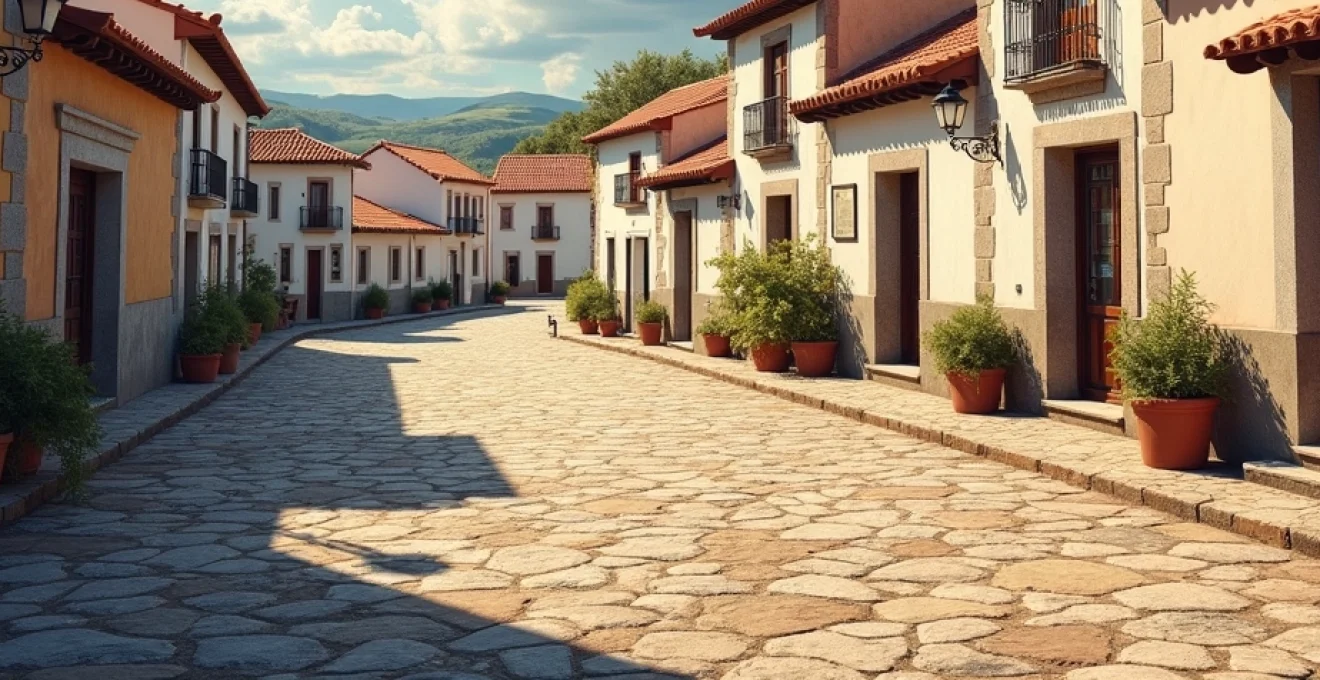
Portugal’s traditional villages represent living museums where centuries-old customs, architectural marvels, and artisanal crafts continue to thrive amidst rapidly modernising landscapes. These aldeias showcase authentic Portuguese culture through their distinctive building techniques, time-honoured traditions, and sustainable tourism practices that benefit local communities. From the schist stone houses of Monsanto to the whitewashed settlements of Alentejo, Portugal’s villages offer travellers immersive experiences that transcend typical tourist attractions. The country’s 12 Historic Villages network, alongside countless other traditional settlements, preserves architectural heritage whilst adapting to contemporary tourism demands through innovative conservation strategies and community-based travel models.
Architectural heritage and traditional construction techniques in portuguese aldeias
Portuguese village architecture reflects centuries of adaptation to local geography, climate, and available materials. Each region developed distinctive building techniques that maximised comfort whilst utilising resources found within walking distance of settlements. These construction methods, passed down through generations, demonstrate remarkable engineering ingenuity and environmental harmony.
Schist stone architecture in monsanto and serra da lousã villages
Schist stone construction defines the visual identity of central Portugal’s mountain villages, particularly in the Serra da Lousã region. Monsanto, often called the “most Portuguese village in Portugal,” exemplifies how builders integrated massive granite boulders into residential structures. The village’s inhabitants constructed homes by fitting walls between existing rock formations, creating unique architectural solutions where nature and human ingenuity merge seamlessly. These structures demonstrate exceptional durability, with some buildings remaining habitable for over 500 years.
The schist villages of Serra da Lousã, including Piódão and Talasnal, showcase different approaches to working with local stone materials. Builders employed dry-stone walling techniques, carefully selecting and fitting irregular schist pieces without mortar. This method allows structures to flex during temperature changes and seismic activity, preventing cracking and collapse. The distinctive blue-painted wooden window frames and doors create striking contrasts against dark stone walls, a tradition that originated from practical needs to protect wood from moisture.
Granitic building methods in minho region’s soajo and lindoso
Northern Portugal’s granite-rich landscape shaped unique construction approaches in villages like Soajo and Lindoso. The region’s espigueiros (granaries) represent masterful granite working, elevated on stilts to protect stored grain from rodents and moisture. These structures, some dating to the 18th century, demonstrate precision stone-cutting techniques that required no binding agents.
Traditional houses in these villages feature thick granite walls, sometimes exceeding one metre in width, providing excellent thermal mass for cold mountain winters. Builders developed sophisticated drainage systems, channelling rainwater through carved granite channels that direct flow away from foundations. The roofing techniques employed overlapping stone slabs called lousas , creating waterproof coverings that last centuries with minimal maintenance.
Whitewashed adobe structures in alentejo’s monsaraz and marvão
Alentejo’s traditional villages showcase Mediterranean building techniques adapted to Portugal’s interior plains climate. Monsaraz’s medieval walls contain houses built using rammed earth and adobe techniques, where clay-rich soil mixed with straw creates excellent insulation properties. The characteristic white lime wash reflects intense summer heat whilst providing antimicrobial protection against moisture and pests.
These villages demonstrate sophisticated passive cooling strategies through architectural design. Narrow streets create shade corridors, whilst houses feature internal courtyards that generate cooling airflow through convection. Traditional builders understood thermal dynamics, positioning windows to maximise cross-ventilation whilst minimising direct solar exposure during peak summer temperatures. Many structures incorporate underground storage areas that maintain constant cool temperatures for food preservation.
Maritime influence on coastal village architecture in óbidos and aveiro
Portugal’s coastal villages developed distinct architectural characteristics influenced by maritime culture and trade connections. Óbidos showcases medieval defensive architecture adapted for a mercantile economy, with fortified walls protecting a trading centre connected to nearby ports. The village’s narrow cobblestone streets and arched passages reflect medieval urban planning principles designed for pedestrian traffic and market activities.
Aveiro’s traditional architecture demonstrates how canal-based settlements adapted Venetian and Flemish building techniques to Portuguese conditions. The colourful striped houses originally served as fishermen’s huts, with bright colours helping identify individual properties from the water. These structures feature elevated ground floors protecting against tidal flooding, whilst their distinctive geometric patterns derive from practical construction methods using available materials.
UNESCO world heritage sites and cultural preservation initiatives
Portugal’s commitment to cultural preservation extends beyond individual monuments to encompass entire historic landscapes and traditional settlements. UNESCO recognition has catalysed comprehensive conservation programmes that balance heritage protection with economic development, creating sustainable frameworks for maintaining authentic village character whilst supporting local communities.
Angra do heroísmo’s azorean urban planning and conservation protocols
Angra do Heroísmo represents pioneering approaches to historic urban conservation in Atlantic island contexts. The city’s preservation programmes address unique challenges posed by volcanic activity, marine erosion, and tourism pressure whilst maintaining authentic Azorean architectural character. Conservation protocols developed here influence similar initiatives across Portugal’s traditional villages.
The site’s management strategies emphasise community involvement in heritage preservation, with local craftspeople trained in traditional building techniques essential for authentic restoration work. These programmes create economic opportunities whilst ensuring skills transfer to younger generations. The conservation protocols address modern infrastructure needs through sensitive integration methods that preserve historic streetscapes and building proportions.
Évora’s roman temple integration within medieval settlement patterns
Évora demonstrates successful integration of multiple historical periods within functioning urban environments. The city’s approach to preserving Roman, Moorish, and medieval elements whilst supporting contemporary life provides models applicable to traditional villages throughout Portugal. Conservation strategies emphasise understanding historical development patterns rather than freezing settlements at particular moments in time.
The city’s heritage management recognises that authentic preservation requires accommodating natural evolution whilst maintaining essential character-defining features. This philosophy influences village conservation projects that allow appropriate modern adaptations whilst protecting traditional building techniques, materials, and spatial relationships that define Portuguese rural heritage.
Porto’s ribeira district rehabilitation and authenticity maintenance
Porto’s Ribeira district rehabilitation projects demonstrate how traditional neighbourhoods can be revitalised without losing authentic character. The conservation approach prioritises maintaining social fabric alongside physical preservation, ensuring that traditional communities remain integral to preserved environments. These strategies prove particularly relevant for traditional villages seeking to balance heritage tourism with resident community needs.
Rehabilitation projects emphasise traditional building techniques and local materials whilst incorporating necessary modern infrastructure. The programmes demonstrate that authentic preservation requires understanding how traditional settlements functioned as integrated systems rather than collections of individual buildings. This holistic approach informs village conservation initiatives throughout Portugal.
Sintra’s romantic architecture and landscape conservation strategies
Sintra’s cultural landscape conservation demonstrates integrated approaches to protecting both built heritage and natural environments that define traditional village settings. The site’s management strategies address tourism pressure whilst maintaining authentic character through visitor flow management and infrastructure development controls.
Conservation programmes emphasise understanding historical landscape evolution, recognising that traditional villages developed as integrated systems connecting built environments with surrounding agricultural and natural landscapes. These approaches influence village conservation initiatives that protect not just individual buildings but entire cultural landscapes that define Portuguese rural heritage.
Traditional handicraft production and artisanal manufacturing processes
Portugal’s traditional villages serve as living repositories for artisanal knowledge that spans centuries of cultural development. These communities maintain handicraft traditions that represent both intangible cultural heritage and economic opportunities for rural populations. Contemporary artisans continue employing techniques passed down through generations whilst adapting products for modern markets.
Ceramic pottery techniques in barcelos and caldas da rainha
Barcelos pottery represents one of Portugal’s most recognisable craft traditions, with techniques dating to medieval periods. Local artisans continue using traditional kick wheels and wood-fired kilns that produce distinctive glazing effects impossible to replicate with modern equipment. The famous Galo de Barcelos (Rooster of Barcelos) exemplifies how traditional motifs adapted to contemporary markets whilst maintaining authentic production methods.
Caldas da Rainha’s ceramic tradition demonstrates how royal patronage influenced village craft development. The town’s workshops continue producing pieces using techniques established in the 16th century, when Queen Leonor established the royal pottery works. Contemporary artisans maintain traditional glazing formulas whilst developing new forms that appeal to modern collectors. These workshops provide economic stability for rural communities whilst preserving invaluable cultural knowledge.
Cork processing methods in alentejo’s são brás de alportel
Cork processing in traditional Alentejo villages showcases sustainable resource management practices developed over centuries. São Brás de Alportel maintains traditional cork harvesting and processing techniques that demonstrate remarkable environmental sensitivity. Workers harvest cork bark using methods that ensure tree health and regeneration, creating renewable resource cycles that support both economic activity and forest conservation.
Traditional cork processing involves hand-sorting, boiling, and pressing techniques that maximise material quality whilst minimising waste. Village workshops continue producing traditional cork products including fishing floats, agricultural containers, and building materials using tools and techniques largely unchanged since medieval times. This industry demonstrates how traditional knowledge contributes to contemporary sustainability goals.
Textile weaving traditions in minho’s viana do castelo region
Minho’s textile traditions represent some of Europe’s most sophisticated handweaving techniques, with patterns and methods reflecting centuries of cultural exchange through maritime trade. Viana do Castelo region villages maintain traditional looms and dyeing techniques using local plants and minerals. The distinctive geometric patterns found in traditional costumes require exceptional skill levels that take decades to master.
Contemporary weavers continue producing traditional lenços dos namorados (lovers’ handkerchiefs) and regional costume elements whilst adapting techniques for modern textile products. These enterprises provide economic opportunities for rural women whilst preserving cultural knowledge that UNESCO recognises as intangible cultural heritage. The tradition demonstrates how traditional crafts can evolve whilst maintaining authentic character.
Filigree metalwork craftsmanship in gondomar and póvoa de lanhoso
Portuguese filigree represents one of Europe’s most refined metalworking traditions, with techniques requiring extraordinary precision and artistic sensitivity. Gondomar and Póvoa de Lanhoso maintain workshops where artisans continue producing traditional jewellery using methods dating to Roman periods. The intricate wire-work techniques create complex patterns that demonstrate exceptional technical mastery.
Traditional filigree production involves drawing gold or silver wire to microscopic dimensions before shaping into elaborate patterns without soldering joints. Master craftspeople require decades to develop necessary skills, making knowledge transfer critical for tradition survival. Contemporary workshops adapt traditional designs for modern markets whilst maintaining authentic production methods that define Portuguese metalworking heritage.
Gastronomic terroir and regional culinary methodologies
Portuguese village cuisine represents profound connections between local geography, climate, and culinary traditions developed over centuries. Traditional cooking methods maximise flavour whilst utilising seasonal ingredients available within village surroundings. These gastronomic traditions demonstrate remarkable adaptation to local conditions whilst creating distinctive regional identities through food culture.
Traditional preservation techniques developed in Portuguese villages reflect deep understanding of food science principles. Coastal villages perfected salt-curing methods for fish preservation that created distinctive flavour profiles whilst ensuring protein availability throughout the year. Interior villages developed smoking, drying, and fermentation techniques that transformed seasonal abundance into year-round sustenance. Presunto production in villages like Chaves demonstrates how traditional curing methods create products prized by contemporary gastronomy movements.
Village bread-making traditions showcase community cooperation systems that defined rural social structures. Traditional communal ovens, still functioning in many villages, demonstrate how shared resources supported entire communities whilst creating distinctive regional bread varieties. The sourdough cultures maintained in these villages represent living heritage that connects contemporary baking with centuries-old traditions. Villages like Ponte de Lima continue producing traditional broa corn bread using methods that date to pre-Roman periods.
Cheese-making traditions in mountain villages demonstrate sophisticated understanding of microbiology and terroir concepts that influence contemporary artisanal production. Serra da Estrela cheese production employs traditional techniques using local sheep milk and thistle rennet that create distinctive flavours impossible to replicate elsewhere. These traditions demonstrate how traditional knowledge contributes to contemporary understanding of sustainable agriculture and artisanal food production.
Traditional Portuguese village cuisine represents living heritage that connects communities with their landscape through food culture developed over centuries of adaptation to local conditions.
Ethnographic museums and living heritage documentation
Portugal’s traditional villages increasingly serve as open-air ethnographic museums where visitors experience authentic cultural practices alongside historical preservation efforts. These initiatives document disappearing traditions whilst creating economic opportunities for rural communities through cultural tourism. Living heritage programmes ensure that traditional knowledge remains active rather than merely preserved as historical curiosities.
The National Museum of Ethnology’s village documentation projects create comprehensive records of traditional practices before they disappear completely. These initiatives employ anthropological research methods that capture both tangible and intangible heritage elements. Video documentation of traditional crafts, oral histories from elderly practitioners, and detailed technical drawings preserve knowledge that might otherwise be lost. Villages like Monsanto participate in these programmes whilst maintaining authentic character through resident community involvement.
Interactive heritage centres in traditional villages demonstrate innovative approaches to cultural interpretation that engage visitors whilst supporting local economies. These facilities employ local residents as cultural interpreters, creating employment opportunities whilst ensuring authentic knowledge transmission. The programmes address seasonal tourism fluctuations through diverse cultural programming that attracts visitors throughout the year. Educational workshops allow visitors to experience traditional crafts firsthand whilst learning about Portuguese rural heritage.
Digital heritage initiatives create virtual access to traditional village culture whilst supporting on-site preservation efforts. Online databases document traditional building techniques, craft methods, and cultural practices through multimedia presentations accessible to global audiences. These programmes generate international interest that translates into increased cultural tourism whilst preserving knowledge for future generations. Virtual reality experiences allow detailed exploration of traditional village life that enhances physical visits whilst reducing tourism pressure on fragile historic sites.
Living heritage programmes transform traditional villages into cultural interpretation centres that preserve authentic practices whilst creating sustainable economic opportunities for rural communities.
Sustainable tourism infrastructure and Community-Based travel models
Portuguese traditional villages increasingly adopt sustainable tourism models that prioritise community benefits whilst preserving authentic character. These approaches demonstrate how heritage tourism can support rural economic development without compromising cultural integrity. Community-based tourism initiatives ensure that traditional village residents participate directly in tourism benefits whilst maintaining authentic lifestyles.
Accommodation initiatives in traditional villages emphasise authentic experiences through converted historic buildings that maintain traditional architectural character. Projects like Casa da Cisterna in Castelo Rodrigo demonstrate how sensitive restoration creates luxury accommodation whilst preserving historical authenticity. These initiatives generate significant economic benefits for rural communities whilst providing visitors with immersive cultural experiences. The restoration projects employ traditional building techniques and local craftspeople, ensuring that heritage preservation skills remain active rather than merely documented.
Visitor management strategies address tourism pressure through timed entry systems, capacity limits, and seasonal programming that distributes visitor flows throughout the year. Villages like Óbidos implement innovative crowd management techniques that preserve authentic character whilst accommodating tourism demand. These approaches demonstrate how traditional settlements can benefit from tourism whilst maintaining quality of life for resident communities. Educational programmes help visitors understand appropriate behaviour in traditional village settings.
Local guide training programmes create employment opportunities for village residents whilst ensuring authentic cultural interpretation. These initiatives train local residents in multiple languages whilst emphasising traditional knowledge that external guides cannot provide. Revenue-sharing agreements ensure that tourism benefits reach community members directly rather than external tour operators. The programmes demonstrate how traditional villages can maintain authentic character whilst participating in contemporary tourism economies.
Transportation solutions address accessibility challenges whilst minimising environmental impact on traditional village settings. Electric shuttle services connect traditional villages with public transportation networks whilst reducing vehicle congestion in historic areas. Bicycle rental programmes provide sustainable transportation options that enhance visitor experiences whilst supporting local businesses. These initiatives demonstrate how modern infrastructure can support traditional village tourism whilst maintaining environmental sensitivity.
Sustainable tourism models in Portuguese traditional villages prove that heritage preservation and economic development can coexist through community-centred approaches that prioritise authentic cultural experiences.