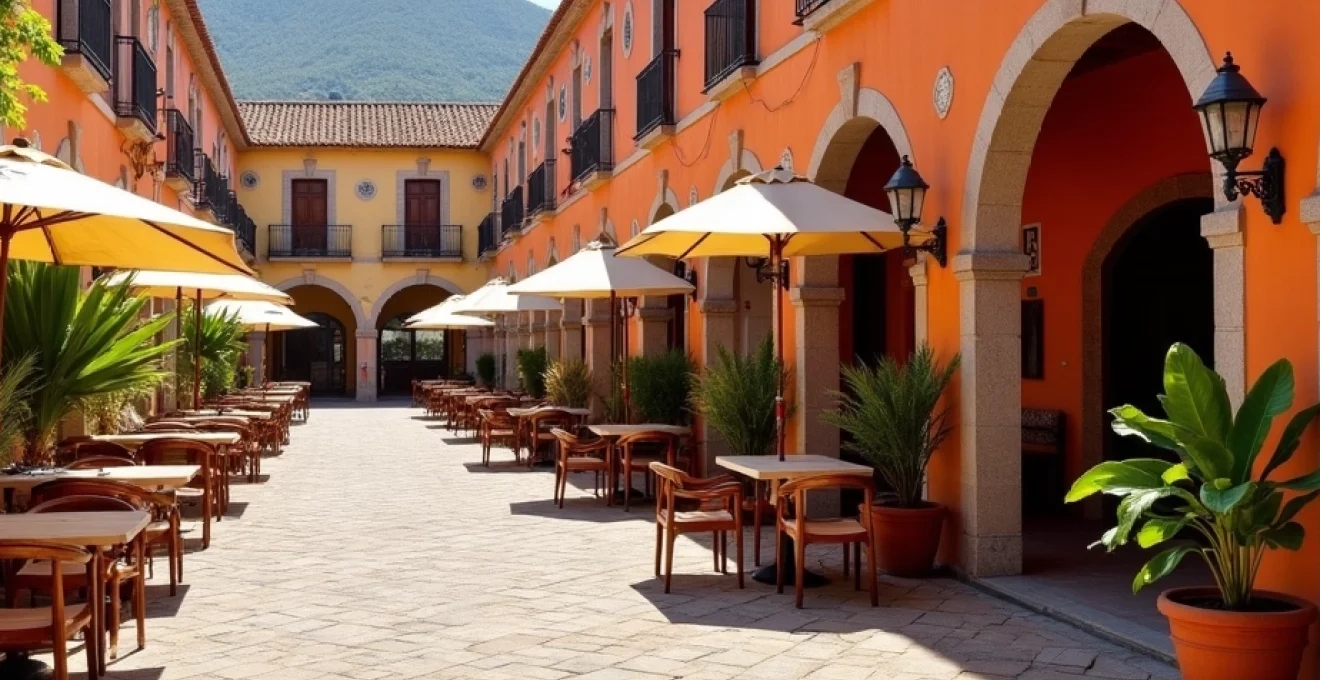
Nestled in the southern highlands of Mexico, Oaxaca represents one of the most culturally rich and gastronomically significant destinations in North America. This UNESCO World Heritage city serves as the beating heart of Zapotec civilisation, where ancient traditions seamlessly blend with contemporary Mexican culture. From its world-renowned culinary scene featuring complex mole sauces to its thriving mezcal production industry, Oaxaca offers experiences that transcend typical tourist destinations.
The state’s remarkable diversity extends far beyond its colonial architecture and vibrant markets. Archaeological sites like Monte Albán showcase pre-Columbian grandeur, whilst traditional weaving villages preserve textile techniques passed down through generations. Whether you’re drawn to the spiritual significance of Day of the Dead celebrations, the pristine Pacific coastline, or the sophisticated flavours of indigenous gastronomy, Oaxaca delivers an authenticity that has become increasingly rare in modern travel.
Archaeological heritage of monte albán and mitla zapotec civilisations
The archaeological landscape surrounding Oaxaca reveals one of Mexico’s most sophisticated pre-Columbian civilisations. These ancient sites provide tangible connections to the Zapotec people, whose influence shaped the region for over two millennia. Understanding this heritage transforms your visit from simple sightseeing into a profound cultural journey through time.
Monte albán UNESCO world heritage site complex
Perched dramatically atop an artificially flattened mountain ridge, Monte Albán stands as perhaps Mexico’s most architecturally ambitious ancient city. The Zapotecs began construction around 500 BCE, creating a ceremonial centre that would dominate the Oaxaca Valley for over 1,300 years. The site’s strategic location, 400 metres above the valley floor, demonstrates remarkable urban planning that maximised both defensive capabilities and agricultural oversight.
The Great Plaza, measuring 300 by 200 metres, represents one of the largest public spaces in ancient Mesoamerica. Surrounding this ceremonial heart, you’ll discover intricate ball courts, residential complexes, and astronomical observatories that reveal the Zapotecs’ sophisticated understanding of celestial movements. The site’s famous danzantes (dancer) stone carvings provide some of Mexico’s earliest examples of hieroglyphic writing, predating many Maya inscriptions by centuries.
Mitla palace of columns geometric stonework
Located 44 kilometres southeast of Oaxaca City, Mitla showcases the pinnacle of Zapotec architectural achievement through its extraordinary geometric stonework. Unlike Monte Albán’s ceremonial focus, Mitla served as both a religious centre and royal residence, earning its Zapotec name “Lyobaa,” meaning “place of rest” or burial ground. The site’s intricate mosaic fretwork demonstrates engineering precision that rivals any ancient civilisation worldwide.
The Palace of Columns exemplifies Mitla’s architectural sophistication, featuring massive stone lintels that span six-metre distances without mortar or metal reinforcement. Each geometric pattern carved into the walls carries specific symbolic meaning, with designs representing lightning, clouds, and serpents integral to Zapotec cosmology. Archaeological evidence suggests that these patterns were originally painted in brilliant colours, creating visual experiences that must have been truly spectacular.
Hierve el agua petrified waterfall formations
Whilst technically a natural wonder rather than an archaeological site, Hierve el Agua holds profound significance within Zapotec spiritual traditions. These petrified waterfalls , formed by mineral-rich spring water cascading over limestone cliffs for thousands of years, create otherworldly formations that the ancient Zapotecs considered sacred. The site’s name translates to “the water boils,” referencing the bubbling springs that feed the terraced pools.
The natural infinity pools, perched 1,800 metres above sea level, offer spectacular views across the Sierra Madre del Sur mountain range. Archaeological evidence indicates that the Zapotecs constructed sophisticated irrigation channels here, demonstrating their advanced hydraulic engineering capabilities. Today, you can swim in the same mineral-rich waters that ancient pilgrims believed possessed healing properties, whilst contemplating the geological processes that created these remarkable formations over millennia.
Yagul archaeological zone fortress architecture
Often overshadowed by its more famous neighbours, Yagul represents the final flourishing of Zapotec civilisation before Spanish conquest. This fortified city, dramatically positioned between two rocky outcrops, demonstrates how the Zapotecs adapted their architectural techniques to changing political circumstances during the Postclassic period. The site’s defensive orientation reflects increasing regional conflicts during the 13th and 14th centuries.
Yagul’s Palace of Six Patios showcases residential architecture that housed the Zapotec elite, featuring sophisticated drainage systems and private ceremonial spaces. The site’s massive ball court, one of Mesoamerica’s largest, measures 60 metres in length and demonstrates the continued importance of ritual sport in Zapotec society. From the fortress summit, panoramic views encompass the entire Tlacolula Valley, illustrating why this location proved strategically invaluable for monitoring trade routes and potential threats.
Mezcal production terroir and agave espadin cultivation
Oaxaca’s relationship with mezcal extends far beyond simple beverage production, representing a complex cultural ecosystem that encompasses agriculture, spirituality, and economic sustainability. The state produces approximately 85% of Mexico’s mezcal, with over 30 different agave species contributing to flavour profiles that range from floral and herbaceous to intensely smoky and mineral. Understanding mezcal’s production process provides insight into sustainable farming practices that have preserved Oaxacan landscapes for centuries.
The terroir concept, borrowed from wine production, applies perfectly to mezcal, where soil composition, altitude, climate, and traditional production methods create distinctive regional characteristics. Each valley surrounding Oaxaca City contributes unique flavour profiles to the spirits produced there, much like how Burgundy’s various appellations produce recognisably different wines. This geographical diversity ensures that serious mezcal enthusiasts can spend weeks exploring the nuanced differences between various producers and regions.
Santiago matatlán mezcal capital traditional distilleries
Santiago Matatlán rightfully claims the title “World Capital of Mezcal,” housing over 30 registered distilleries within its modest boundaries. This Zapotec town, located 45 kilometres southeast of Oaxaca City, has perfected mezcal production techniques over four centuries. Family-owned palenques (distilleries) here maintain traditional methods that prioritise quality over quantity, often producing fewer than 1,000 litres annually compared to industrial operations that may produce 100 times that amount.
The town’s master mezcaleros represent generational knowledge, with techniques passed down through families for 200-300 years. These artisans can distinguish between dozens of agave species by sight alone, understanding precisely when each plant reaches optimal sugar content for harvesting. During your visit, you’ll witness the entire production process, from agave roasting in underground pit ovens to the final bottling of spirits that capture the essence of Oaxacan terroir in every sip.
Criollo and tobalá agave varietals processing
Beyond the common Espadín agave that comprises roughly 80% of mezcal production, Oaxaca’s wild and semi-cultivated agave species create extraordinary flavour diversity. Tobalá, often called the “king of mezcals,” grows exclusively in high-altitude forests and requires 15-20 years to mature, compared to Espadín’s 7-8 year cycle. This extended maturation period concentrates sugars and develops complex flavour compounds that produce mezcals with remarkable depth and character.
Criollo agaves, meanwhile, represent indigenous varieties that evolved naturally in specific microclimates without human intervention. These plants often display exceptional adaptation to local soil conditions and weather patterns, producing spirits that express their specific growing environments with extraordinary clarity. Processing these rare varietals requires modified techniques, as their sugar content and fibre composition differ significantly from commercial agave species, challenging even experienced mezcaleros to achieve optimal fermentation and distillation.
Clay pot distillation and tahona stone grinding
Traditional mezcal production employs techniques that predate Spanish colonisation, with clay pot distillation representing perhaps the most authentic method still practised today. These handcrafted ollas de barro, fired using local clays and traditional techniques, impart subtle mineral notes whilst allowing precise temperature control during distillation. Master potters in San Bartolo Coyotepec create these vessels using techniques unchanged for over 500 years, with each pot requiring specific clay compositions for different stages of the distillation process.
The tahona, a massive volcanic stone wheel traditionally pulled by horses or donkeys, crushes roasted agave fibres to extract fermentable sugars. This gentle extraction method preserves complex flavour compounds that mechanical shredders often destroy, resulting in mezcals with greater depth and character. Watching a tahona in operation connects you directly to pre-Hispanic production methods, as these volcanic stone wheels have remained virtually unchanged since Zapotec civilisation first began fermenting agave centuries ago.
Del maguey and montelobos premium producer tastings
Premium mezcal producers like Del Maguey and Montelobos have revolutionised international perception of this traditional spirit, elevating it from regional curiosity to world-class artisanal product. Del Maguey, founded by American entrepreneur Ron Cooper in the 1990s, pioneered the single-village mezcal concept, showcasing how different communities produce distinctly different flavour profiles using identical techniques. Their village-specific bottlings, such as Chichicapa and San Luis del Rio, demonstrate terroir expression that rivals the finest single malt whiskies.
Montelobos represents the new generation of mezcal producers, combining traditional techniques with modern quality control and sustainable farming practices. Their emphasis on Espadín cultivation that regenerates soil rather than depleting it demonstrates how traditional spirits can support environmental conservation whilst meeting international demand. Tasting sessions at these premium producers reveal mezcal’s incredible complexity, with flavour notes ranging from tropical fruits and flowers to leather, chocolate, and various spices, depending on agave variety, fermentation methods, and distillation techniques.
Zapotec textile weaving techniques in teotitlán del valle
The village of Teotitlán del Valle, situated 31 kilometres southeast of Oaxaca City, preserves textile traditions that stretch back over 2,500 years. This Zapotec community has maintained weaving techniques and natural dyeing processes that predate European contact, creating contemporary works of art using methods perfected by their ancestors. The village’s 5,000 residents collectively operate one of Mexico’s most successful artisan cooperatives, demonstrating how traditional crafts can provide sustainable economic alternatives to industrial employment.
Teotitlán’s weavers utilise backstrap looms and treadle looms to create textiles that range from traditional ceremonial huipiles to contemporary wall hangings sought by international collectors. The village’s sheep produce wool specifically adapted to local climate conditions, whilst natural dyes extracted from cochineal insects, indigo plants, and pomegranate rinds create colour palettes that reflect Oaxaca’s natural environment. These techniques require extensive knowledge of chemistry, botany, and textile engineering that apprentices typically master only after decades of training.
The cooperative structure ensures that profits remain within the community whilst preserving traditional knowledge for future generations. Master weavers teach techniques through formal apprenticeships that typically last 5-7 years, during which students learn not only practical skills but also the cultural significance of specific patterns and colour combinations. Many designs incorporate Zapotec cosmological symbols, with geometric patterns representing natural phenomena like rain, lightning, and agricultural cycles that remain central to village life.
Visiting Teotitlán del Valle provides opportunities to witness the entire textile creation process, from sheep shearing and wool preparation to the final finishing of completed pieces. Many family workshops welcome visitors to observe master weavers at work, explaining how complex patterns emerge from seemingly simple thread combinations. The village museum showcases historical textiles alongside contemporary works, demonstrating how traditional techniques continue evolving whilst maintaining their essential cultural character and technical excellence.
Regional mole gastronomy and indigenous culinary traditions
Oaxacan cuisine represents one of Mexico’s most sophisticated culinary traditions, with mole serving as perhaps the most complex and culturally significant sauce in world gastronomy. The state recognises seven distinct mole varieties, each requiring different preparation techniques and ingredient combinations that can include up to 30 different components. This culinary complexity reflects centuries of cultural synthesis, combining pre-Hispanic ingredients like chocolate, chiles, and native herbs with European additions such as almonds, sesame seeds, and various spices.
The preparation of traditional mole often requires multiple days and represents communal effort, with extended families contributing different skills and ingredients to create sauces that accompany life’s most important celebrations. Mole negro, the most complex variety, typically includes over 20 different chiles, chocolate, nuts, seeds, spices, and even charred tortillas that contribute to its distinctive dark colour and profound depth of flavour. Understanding mole preparation provides insight into Oaxacan social structures, as recipes often represent closely guarded family knowledge passed down through generations of women.
Mole negro seven chile preparation methods
Mole negro exemplifies Oaxacan culinary sophistication through its intricate blend of seven different chile varieties, each contributing specific flavour notes and heat levels to the finished sauce. Chiles chilhuacles negros provide the sauce’s characteristic dark colour and mild, fruity flavour, whilst chiles mulatos contribute sweetness and chocolate undertones. Chiles anchos add depth and mild heat, complemented by chiles pasillas that provide earthy, complex flavours with moderate spiciness.
The preparation process begins with careful selection and cleaning of each chile variety, followed by specific toasting techniques that develop optimal flavour without creating bitterness. Experienced cooks can determine proper toasting by sound, smell, and visual cues that indicate when each chile reaches peak flavour development. The seven chiles undergo different soaking periods in warm water or broth, with timing precisely calculated to achieve proper texture for grinding whilst maintaining essential flavour compounds.
Master cooks often describe mole negro preparation as “conducting an orchestra,” where each ingredient must be introduced at precisely the right moment to achieve harmonious flavour balance.
Grinding techniques vary depending on available equipment, though traditional metates (volcanic stone grinders) produce superior texture and flavour integration compared to modern food processors. The grinding process can require 3-4 hours of continuous work, with ingredients added in specific sequences that ensure proper emulsification and prevent separation. Temperature control during grinding proves critical, as excessive heat can destroy delicate flavour compounds and create bitter notes that compromise the finished sauce.
Mercado 20 de noviembre traditional food markets
Mercado 20 de Noviembre serves as Oaxaca’s primary traditional food market, where local families have operated food stalls for generations, preserving authentic cooking techniques and regional specialties. The market’s Pasillo de Humo (Smoke Alley) features dozens of grills preparing local meats using methods that predate Spanish colonisation, creating aromatic clouds that have given this section its distinctive name. Here, you’ll discover regional ingredients that rarely appear in international Mexican restaurants, including exotic chiles, indigenous herbs, and traditional seasonings.
The market’s mole vendors represent some of Oaxaca’s most accomplished traditional cooks, offering seven different mole varieties prepared fresh daily using recipes perfected over decades. These vendors often specialise in specific mole types, with some focusing exclusively on mole negro whilst others excel in lighter varieties like mole coloradito or mole verde. Observing their preparation techniques provides invaluable insight into traditional Oaxacan cooking methods that emphasise patience, technique, and ingredient quality over convenience.
Beyond mole, the market showcases Oaxaca’s incredible ingredient diversity, featuring products from different ecological zones throughout the state. Highland vendors offer temperate crops like beans and squash, whilst coastal representatives bring tropical fruits and seafood. This geographic diversity creates seasonal variations in available ingredients that influence traditional recipes and ensure that Oaxacan cuisine remains dynamic rather than static, constantly evolving whilst maintaining its essential character and cultural significance.
Casa oaxaca and pujol restaurant culinary innovation
Contemporary Oaxacan restaurants like Casa Oaxaca demonstrate how traditional techniques can be elevated through modern presentation and refined ingredient sourcing whilst maintaining authentic flavour profiles. Chef Alejandro Ruiz has created a menu that celebrates regional ingredients through sophisticated preparation methods that highlight rather than mask their natural characteristics. His approach demonstrates how traditional Oaxacan cuisine can compete with any international culinary tradition when prepared with proper technique and quality ingredients.
Pujol, whilst base
d in Mexico City, represents another pinnacle of contemporary Mexican gastronomy that frequently draws inspiration from Oaxacan ingredients and techniques. Chef Enrique Olvera’s innovative approach demonstrates how traditional Oaxacan flavours can be reinterpreted through modern culinary techniques whilst maintaining their essential cultural identity. His famous mole madre, mole nuevo demonstrates this philosophy perfectly, presenting traditional mole concepts through contemporary preparation methods that intensify rather than dilute authentic flavours.
These establishments prove that Oaxacan cuisine deserves recognition alongside the world’s finest culinary traditions. Their success has encouraged younger Oaxacan chefs to explore their culinary heritage with renewed pride, creating a generation of cooks who understand both traditional techniques and contemporary presentation methods. This culinary renaissance ensures that Oaxacan gastronomy continues evolving whilst maintaining the cultural authenticity that makes it genuinely unique among world cuisines.
Chapulines grasshopper protein and tejate beverage culture
Chapulines (grasshoppers) represent one of Oaxaca’s most distinctive culinary traditions, providing sustainable protein that has nourished indigenous communities for centuries before European contact. These insects, typically harvested during rainy season months, are prepared using traditional techniques that involve toasting with garlic, lime, and sal de gusano (worm salt) to create surprisingly addictive snacks that taste remarkably similar to roasted nuts. The practice demonstrates sophisticated understanding of seasonal protein sources that modern sustainability experts are only beginning to appreciate.
Tejate, meanwhile, represents perhaps Oaxaca’s most ancient beverage, predating even chocolate drinks in regional importance. This pre-Hispanic beverage combines ground cacao, mamey seeds, flor de cacao, and maize to create a refreshing drink that served ceremonial and nutritional functions in Zapotec society. The preparation process requires specific techniques for grinding and mixing ingredients that create the characteristic foam crown that indicates proper preparation. Traditional tejate vendors, predominantly women, maintain preparation secrets passed down through generations of families.
Both chapulines and tejate demonstrate how Oaxacan food culture extends far beyond familiar Mexican cuisine, incorporating ingredients and preparation methods that reflect deep indigenous knowledge systems. These traditions provide insight into sustainable food practices that supported large populations without depleting natural resources, offering contemporary lessons about ecological balance and cultural preservation through culinary practices.
Pacific coast access via puerto escondido and mazunte
The completion of highway improvements connecting Oaxaca City to its Pacific coastline has transformed travel accessibility, reducing journey times from Puerto Escondido from over 10 hours to approximately 2.5 hours via the new coastal highway. This infrastructure development opens incredible opportunities for combining cultural exploration in Oaxaca City with coastal relaxation, creating comprehensive travel experiences that showcase the state’s remarkable geographical diversity.
Puerto Escondido serves as Oaxaca’s primary Pacific coastal destination, renowned internationally for its powerful surf breaks and laid-back beach culture. The town’s Zicatela Beach hosts professional surfing competitions that attract world-class athletes, whilst calmer beaches like Carrizalillo provide excellent swimming and snorkelling opportunities for visitors seeking gentler ocean experiences. The coastal region’s distinct cultural character reflects influences from both highland Zapotec traditions and maritime communities that developed unique identities through centuries of Pacific trade.
Mazunte, located approximately one hour south of Puerto Escondido, represents a more tranquil coastal alternative that emphasises ecological conservation and sustainable tourism practices. This former turtle-hunting village has transformed into a model eco-tourism destination following the establishment of marine protection programs that now safeguard sea turtle nesting beaches. The village’s commitment to environmental sustainability attracts international visitors seeking authentic coastal experiences without the commercialisation found in larger resort destinations.
The coastal region’s culinary scene reflects its maritime location, featuring fresh seafood preparations that incorporate highland spices and cooking techniques. Traditional dishes like pescado a la veracruzana demonstrate cultural synthesis between coastal ingredients and interior preparation methods, creating flavour combinations that differ significantly from both highland Oaxacan cuisine and other Mexican coastal regions. This culinary distinctiveness adds another layer of cultural exploration to coastal visits.
The new coastal highway has created unprecedented opportunities for travellers to experience Oaxaca’s complete geographical and cultural spectrum within a single journey, from highland archaeological sites to pristine Pacific beaches.
Day of the dead celebrations and xoxocotlán cemetery traditions
Oaxaca’s Day of the Dead celebrations represent perhaps Mexico’s most authentic and spiritually significant Día de los Muertos observances, maintaining pre-Hispanic traditions that view death as a natural transition rather than an ending. The festivities extend far beyond October 31st, beginning in mid-October and continuing through early November, with different communities observing various aspects of the celebration according to ancient calendrical systems that predate Catholic influences.
Xoxocotlán Cemetery, located just outside Oaxaca City, serves as the focal point for the region’s most moving Day of the Dead ceremonies. Families spend entire nights at gravesites, creating elaborate ofrendas (altars) decorated with marigolds, candles, favourite foods of deceased relatives, and personal mementos that maintain connections between living and dead community members. The cemetery transforms into a beautiful outdoor celebration where grief and joy intermingle naturally, demonstrating cultural approaches to mortality that differ profoundly from Western traditions.
The preparation for Day of the Dead begins weeks in advance, with families collaborating to create elaborate altar decorations, prepare special foods, and organise communal activities that strengthen social bonds whilst honouring ancestral memory. Traditional foods like pan de muerto (bread of the dead) and mole negro require extensive preparation time and ingredient coordination that brings extended families together in meaningful ways. These collaborative efforts demonstrate how ritual observances can strengthen community relationships whilst preserving cultural knowledge.
Street processions and neighbourhood celebrations complement cemetery vigils, featuring traditional music, dancing, and theatrical performances that celebrate rather than mourn death’s presence in human experience. Children participate actively in these celebrations, learning cultural values about death, memory, and community responsibility through direct participation rather than abstract instruction. This educational approach ensures that Day of the Dead traditions continue evolving whilst maintaining their essential spiritual and cultural significance.
The increasing international attention surrounding Oaxaca’s Day of the Dead celebrations has created both opportunities and challenges for local communities. While tourism revenue supports local economies and validates cultural traditions, overcrowding and commercialisation threaten the intimate, family-centered nature of these observances. Responsible visitors can participate respectfully by observing rather than photographing private family moments, supporting local vendors, and learning about the spiritual significance behind the colourful displays that characterise this extraordinary cultural celebration.