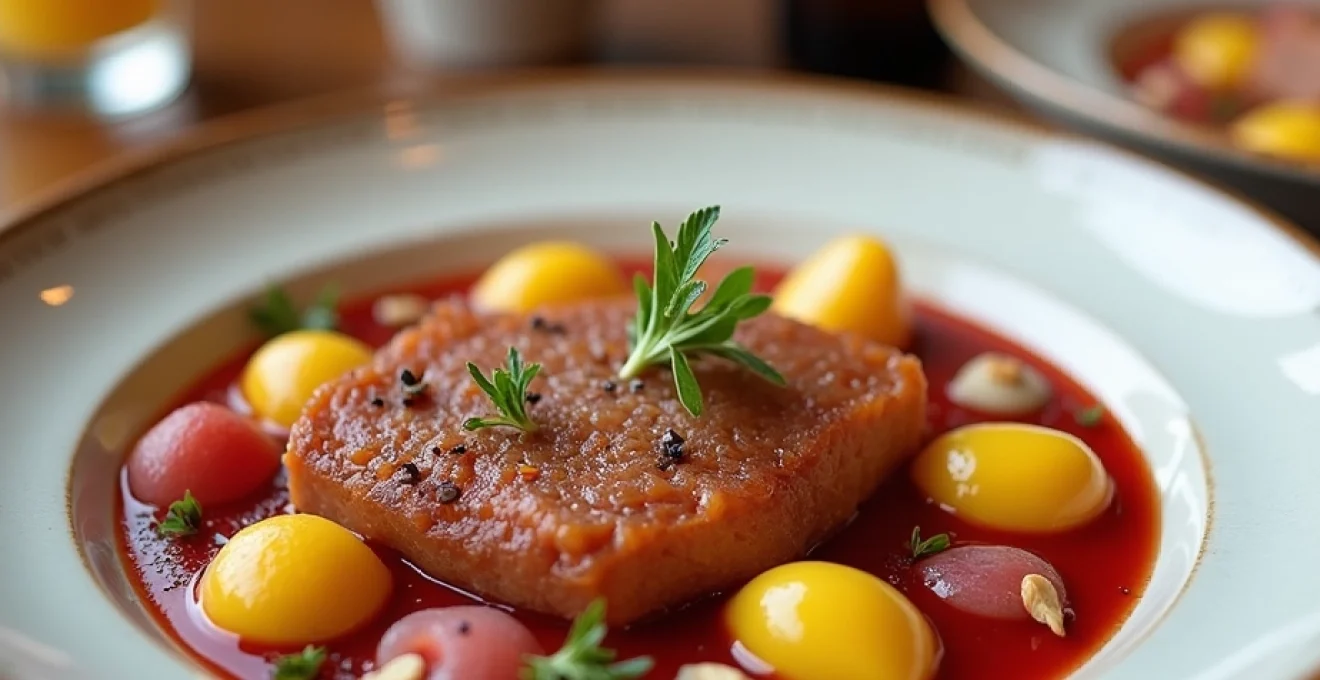
Nestled in the heart of France’s Rhône-Alpes region, Lyon stands as an undisputed culinary capital that has shaped European gastronomy for centuries. This remarkable city, where the Rhône and Saône rivers converge, offers food enthusiasts an unparalleled journey through authentic French cuisine, from traditional bouchons serving hearty regional fare to prestigious Michelin-starred establishments pushing culinary boundaries. The city’s extraordinary concentration of restaurants—boasting over 4,000 dining establishments including 16 Michelin-starred venues—creates a gastronomic ecosystem that rivals any destination worldwide. Lyon’s culinary legacy extends far beyond mere restaurant density, encompassing centuries of culinary innovation, traditional preservation techniques, and a unique dining culture that continues to influence global gastronomy.
Lyon’s historical gastronomic heritage and UNESCO recognition
Lyon’s transformation into a culinary powerhouse began millennia ago, with each historical period contributing distinct elements to the city’s gastronomic identity. The city’s strategic position at the crossroads of major European trade routes established it as a natural hub for culinary exchange, where ingredients, techniques, and traditions from diverse regions merged to create something entirely unique.
Ancient roman culinary foundations and lugdunum trading routes
When the Romans established Lugdunum in 43 BCE, they created more than just an administrative centre—they laid the groundwork for what would become France’s most celebrated culinary destination. The ancient settlement’s position at the confluence of two major rivers made it a crucial trading post where merchants from across the empire brought exotic spices, preserved meats, and wine-making techniques. Archaeological evidence reveals sophisticated Roman cooking installations, including elaborate kitchens in wealthy villas and public bakeries that served the growing population. The Romans introduced viticulture to the region’s hillsides, establishing vineyards whose descendants still produce some of France’s most acclaimed wines today.
The legacy of Roman garum (fermented fish sauce) can be traced to modern Lyon’s emphasis on umami-rich preparations, whilst their preservation techniques evolved into the city’s renowned charcuterie traditions. Roman trade networks brought North African spices and Mediterranean ingredients that gradually integrated into local cuisine, creating the foundation for Lyon’s distinctive flavour profiles that balance rustic heartiness with sophisticated seasoning.
Renaissance silk trade influence on lyon’s fine dining culture
The 15th and 16th centuries marked Lyon’s emergence as Europe’s silk capital, bringing unprecedented wealth and cultural sophistication to the city. Italian silk merchants and craftsmen established themselves in Lyon, introducing not only their textile expertise but also their culinary traditions. These wealthy merchants demanded refined dining experiences, leading to the development of elaborate banquet culture that would influence French haute cuisine for centuries. The silk trade’s prosperity enabled the importation of luxury ingredients including exotic spices, citrus fruits, and fine wines from across Europe.
Renaissance Lyon’s banking families, enriched by silk commerce, competed to host the most impressive feasts, driving culinary innovation and establishing the city’s reputation for excellence culinaire . The Italian influence introduced pasta-making techniques, sophisticated sauce preparations, and artistic food presentation that distinguished Lyon’s cuisine from the simpler fare of other French regions. This period also saw the establishment of the first guild-regulated food trades, ensuring quality standards that persist in modern Lyon’s artisanal food culture.
19th century mères lyonnaises tradition and professional kitchen evolution
The legendary Mères Lyonnaises revolutionised French cuisine during the 19th and early 20th centuries, transforming from domestic servants into pioneering restaurant proprietresses. These remarkable women, including Mère Brazier and Mère Fillioux, brought professional-level culinary skills from aristocratic kitchens into public dining establishments. Their approach emphasised cuisine bourgeoise —sophisticated yet hearty dishes that elevated humble ingredients through precise technique and generous portions. The mères established Lyon’s distinctive dining philosophy: that exceptional food should be accessible, convivial, and rooted in regional traditions.
Eugénie Brazier’s achievement of earning three Michelin stars at two separate restaurants demonstrated the extraordinary skill level these women achieved. Her influence extended through her mentorship of Paul Bocuse, creating a direct lineage from traditional mères cuisine to modern French gastronomy. The mères also established many of the dishes that define Lyonnaise cuisine today, including their signature quenelles de brochet and innovative offal preparations that maximised flavour whilst minimising waste.
UNESCO intangible cultural heritage designation for lyon gastronomy
In recognition of Lyon’s extraordinary culinary significance, UNESCO designated the city’s gastronomic practices as part of France’s Intangible Cultural Heritage in 2010. This recognition acknowledges not merely the city’s restaurants and dishes, but the entire cultural ecosystem that sustains Lyon’s food traditions. The designation encompasses everything from traditional market practices and seasonal ingredient sourcing to the social rituals surrounding bouchon dining and the transmission of culinary knowledge across generations.
The UNESCO recognition specifically highlights Lyon’s role in preserving artisanal food production techniques, including traditional charcuterie methods, cheese-making practices, and wine production that maintain authenticity in an increasingly industrialised food landscape. This international acknowledgement has reinforced Lyon’s commitment to maintaining culinary authenticity whilst embracing contemporary innovation, ensuring that the city’s food culture remains both historically grounded and dynamically evolving.
Traditional lyonnaise cuisine techniques and signature preparations
Lyon’s culinary identity rests upon a foundation of time-honoured techniques and signature preparations that distinguish it from other French regional cuisines. These traditional methods, refined over centuries, emphasise the transformation of simple, local ingredients into sophisticated dishes through precise execution and deep understanding of flavour development.
Quenelle de brochet preparation methods and pike fish sourcing
The quenelle de brochet represents perhaps Lyon’s most technically demanding and iconic dish, requiring masterful technique to achieve the perfect balance of lightness and richness. Traditional preparation begins with fresh pike sourced from the Saône and Rhône rivers, though modern practitioners often supplement with farm-raised fish to ensure consistent quality. The fish must be meticulously filleted and passed through increasingly fine sieves to remove every trace of bone and achieve the silky texture essential to authentic quenelles.
The classic preparation involves creating a panade (a roux-based binding mixture) that provides structure whilst maintaining the delicate texture. Master chefs incorporate the fish paste gradually, along with eggs and cream, creating an emulsion that holds together during poaching yet remains impossibly light on the palate. The traditional sauce Nantua , made with crayfish shells and cream, complements the subtle pike flavour without overwhelming it. Temperature control throughout the process remains critical—too much heat during mixing can break the emulsion, whilst inadequate poaching temperature results in dense, heavy quenelles rather than the ethereal texture that defines excellence.
Coq au vin technique using beaujolais wine reduction
Lyon’s interpretation of coq au vin showcases the city’s proximity to Beaujolais wine country through its distinctive use of local Gamay wines in both braising and sauce reduction. Unlike versions from other French regions, Lyonnaise coq au vin emphasises the wine’s bright acidity and fruit-forward character rather than heavy, alcohol-forward reductions. Traditional preparation requires marinating the chicken pieces in Beaujolais for several hours, allowing the wine’s tannins to tenderise the meat whilst infusing it with characteristic flavours.
The cooking process involves carefully controlled braising that preserves the chicken’s texture whilst developing complex flavours through slow reduction of the wine-based cooking liquid. Lardons from locally-produced bacon provide essential fat and smoky depth, whilst pearl onions and mushrooms add textural variety and earthy notes. The final sauce achieves its distinctive glossy finish through traditional liaison techniques that incorporate butter and sometimes egg yolks without breaking the emulsion. This preparation method results in a dish that captures the essence of Beaujolais terroir whilst showcasing traditional French braising expertise.
Saucisson de lyon charcuterie craftsmanship and curing processes
Lyon’s charcuterie tradition represents one of France’s most sophisticated approaches to meat preservation and flavour development, with techniques refined over centuries of artisanal practice. Traditional saucisson de Lyon production begins with careful selection of pork cuts, typically combining lean shoulder meat with precise ratios of back fat to achieve optimal texture and flavour balance. The grinding process requires specific techniques to maintain proper fat distribution without creating an overly smooth or paste-like consistency that would compromise the final texture.
Seasoning blends remain closely guarded secrets among Lyon’s master charcutiers, though traditional formulations include white pepper, garlic, and sometimes wine that reflects local terroir preferences. The curing process demands precise environmental control, with temperature and humidity carefully monitored throughout the aging period that can extend from several weeks to several months depending on the desired intensity. Natural casings, properly prepared and sized, ensure even moisture loss and develop the characteristic bloom that indicates proper aging. The result exemplifies charcuterie artistry: complex flavours that balance saltiness, umami depth, and subtle spice notes with textures that range from firm exterior to slightly yielding interior.
Cervelle de canut fromage blanc preparation and regional variations
Despite its provocative name, cervelle de canut (silk worker’s brain) represents one of Lyon’s most accessible and beloved preparations, showcasing the city’s ability to transform simple ingredients into memorable dishes. The foundation requires high-quality fromage blanc with specific fat content and acidity levels that provide both richness and tang essential to the final flavour profile. Traditional preparation involves carefully incorporating minced shallots, garlic, and fresh herbs without overworking the mixture, which could break down the cheese’s delicate structure.
Regional variations reflect seasonal herb availability and family traditions, with some preparations emphasising chives and parsley whilst others incorporate more assertive herbs like tarragon or chervil. The balance between acidity (achieved through white wine vinegar or lemon juice) and richness (controlled through olive oil additions) requires careful adjustment based on the fromage blanc’s natural characteristics. Proper seasoning with white pepper and salt enhances the herbs’ freshness without masking the cheese’s subtle flavours. The mixture benefits from resting time that allows flavours to meld whilst maintaining the light, spreadable consistency that makes it perfect for crusty bread or fresh vegetables.
Tarte à la praline rose pastry techniques and almond integration
Lyon’s iconic tarte à la praline rose demonstrates the city’s sophisticated approach to pastry arts, combining traditional French techniques with distinctive local ingredients. The characteristic pink colour comes from crushed pralines made with almonds and sugar cooked to precise caramelisation stages, then dyed with natural colouring that creates the dessert’s unmistakable appearance. The pastry shell requires classic pâte brisée techniques, with careful butter incorporation that creates a tender, crumbly texture capable of supporting the dense praline filling without becoming soggy.
Professional preparation involves creating a custard base that incorporates the crushed pralines whilst maintaining smooth consistency and proper setting characteristics. The almonds must be perfectly caramelised to achieve optimal crunch and deep nutty flavour that balances the sweetness of the sugar coating. Temperature control during baking ensures even cooking that sets the custard completely whilst developing a lightly golden surface that contrasts beautifully with the pink praline pieces. The finished tart should present a harmonious balance of textures: crisp pastry, smooth custard, and crunchy praline pieces that create a distinctly Lyonnaise dessert experience celebrating the region’s confectionery traditions.
Michelin-starred establishments and contemporary culinary innovation
Lyon’s reputation as a gastronomic capital extends far beyond traditional cuisine, encompassing a dynamic contemporary dining scene that pushes culinary boundaries whilst respecting classical foundations. The city’s concentration of Michelin-starred establishments reflects both its historical importance and its continued relevance in modern gastronomy, attracting innovative chefs who view Lyon as the ideal laboratory for culinary experimentation.
Paul bocuse institute culinary education legacy
The Institut Paul Bocuse stands as one of the world’s premier culinary education institutions, shaping international gastronomy through its rigorous training programmes and research initiatives. Founded by the legendary chef himself, the institute combines classical French techniques with contemporary global influences, producing graduates who carry Lyon’s culinary philosophy to restaurants worldwide. The institute’s curriculum emphasises not only technical proficiency but also the cultural and historical context that makes Lyon’s cuisine distinctive, ensuring that traditional knowledge transfers to new generations of culinary professionals.
Research conducted at the institute contributes to ongoing culinary innovation, particularly in areas such as molecular gastronomy , sustainable cooking practices, and the integration of international flavours with classical French foundations. Students learn traditional preparations like quenelles de brochet alongside modern techniques such as spherification and liquid nitrogen applications, creating a comprehensive understanding that enables them to innovate whilst respecting tradition. The institute’s emphasis on terroir-driven cuisine reinforces Lyon’s commitment to local ingredient sourcing and seasonal cooking that characterises the city’s finest restaurants.
L’auberge du pont de collonges Three-Star michelin achievement
Paul Bocuse’s legendary restaurant, L’Auberge du Pont de Collonges, held three Michelin stars for an unprecedented 53 years until 2020, establishing benchmarks for consistency and excellence that continue to influence fine dining worldwide. The restaurant’s approach to nouvelle cuisine revolutionised French cooking by emphasising ingredient quality over heavy sauces, precise cooking techniques over elaborate preparations, and artistic presentation that enhanced rather than obscured natural flavours. Signature dishes like soupe aux truffes VGE and rouget en écailles de pommes de terre demonstrate the restaurant’s philosophy of elevating simple concepts through flawless execution.
The restaurant’s influence extends beyond individual dishes to encompass service standards, wine programme development, and the integration of regional ingredients into haute cuisine presentations. Even after Bocuse’s passing, the restaurant maintains his exacting standards whilst evolving to reflect contemporary tastes and techniques. The establishment serves as a pilgrimage site for culinary professionals worldwide, reinforcing Lyon’s position as a crucial destination for anyone seeking to understand the evolution of modern French cuisine. Its continued operation preserves not only Bocuse’s specific recipes but also his broader culinary philosophy that emphasises respect for ingredients, precision in technique, and the importance of hospitality in creating memorable dining experiences.
Mathieu viannay’s la mère brazier modern interpretation
Chef Mathieu Viannay’s stewardship of La Mère Brazier represents a masterful balance between honouring historical tradition and embracing contemporary innovation. His approach respects the restaurant’s legendary heritage whilst introducing modern techniques and presentations that appeal to current dining preferences. Viannay’s menu demonstrates deep understanding of classical Lyonnaise cuisine, evident in his refined interpretations of traditional dishes that maintain authentic flavours whilst achieving contemporary sophistication in presentation and technique.
The restaurant’s two Michelin stars reflect Viannay’s success in updating Mère Brazier’s legacy for modern diners without compromising the essential character that made the original restaurant legendary. His seasonal menus showcase local ingredients through innovative preparations that highlight natural flavours rather than masking them with excessive manipulation. Dishes like his contemporary volaille de Bresse preparations demonstrate technical mastery whilst maintaining the generous, satisfying character that defines Lyonnaise cuisine. Viannay’s wine programme emphasises regional selections that complement his food whilst introducing guests to lesser-known producers whose work exemplifies Lyon’s commitment to artisanal quality.
Guy lassausaie’s molecular gastronomy applications
Chef Guy Lassausaie’s work at Restaurant Guy Lassausaie showcases how molecular gastronomy techniques can enhance traditional Lyonnaise flavours rather than overwhelming them. His approach to modernist cuisine demonstrates that technical innovation serves best when it amplifies existing flavour relationships rather than creating entirely artificial experiences. Lassausaie’s signature preparations often involve transforming familiar textures whilst preserving essential taste components, creating surprising presentations that ultimately reinforce rather than contradict traditional flavour expectations.
His use of techniques such as spherification and gelification creates new ways to experience classic combinations like cervelle de canut
or cheese spreads, allowing diners to experience familiar flavours through unexpected textural presentations. His foam techniques transform traditional sauces into lighter, more aromatic versions that concentrate flavour whilst reducing heaviness, particularly effective with rich Lyonnaise preparations that might otherwise overwhelm modern palates.
Lassausaie’s commitment to local sourcing ensures that his innovative techniques serve regional ingredients rather than exotic imports, maintaining connection to Lyon’s terroir despite radical presentation changes. His seasonal tasting menus demonstrate how molecular gastronomy can respect traditional flavour combinations whilst creating entirely new sensory experiences. The restaurant’s wine pairings often incorporate unusual serving techniques that complement the food’s textural innovations, creating cohesive dining experiences that challenge expectations whilst satisfying fundamental taste preferences rooted in Lyonnaise culinary tradition.
Les halles de lyon paul bocuse market ecosystem
Les Halles de Lyon Paul Bocuse stands as the beating heart of the city’s culinary ecosystem, representing more than a traditional market—it functions as a living laboratory where artisanal traditions meet contemporary gastronomy. This covered market, inaugurated in 1971 and renamed in honour of Paul Bocuse in 2006, houses over 60 vendors whose collective expertise spans every aspect of French gastronomy from raw ingredients to finished preparations. The market’s design facilitates both professional sourcing and casual exploration, with wide aisles that accommodate restaurant chefs conducting morning purchases alongside tourists discovering regional specialities.
The vendor selection process maintains exacting standards that ensure only authentic artisans gain access to stalls, preserving the market’s reputation for exceptional quality. Master cheesemonger Laurent Dubois offers selections that include rare regional varieties alongside internationally recognised appellations, whilst charcutier Colette Sibilia continues family traditions dating back generations in her preparation of traditional saucissons and terrines. The market’s oyster bars provide daily selections from major French oyster regions, allowing visitors to compare different terroirs whilst enjoying expert shucking techniques that preserve optimal flavour and texture.
Beyond individual vendors, the market functions as an educational environment where culinary knowledge transfers naturally through observation and conversation. Professional chefs often conduct informal consultations with vendors, creating opportunities for aspiring cooks to observe ingredient selection techniques and seasonal planning strategies. The market’s café areas encourage lingering, fostering the social interactions that characterise Lyon’s food culture whilst providing venues for impromptu tastings that introduce visitors to unfamiliar regional products. This combination of commercial activity and cultural exchange reinforces the market’s role as a cornerstone of Lyon’s gastronomic identity.
Beaujolais and côtes du rhône wine pairing traditions
Lyon’s strategic position between two of France’s most celebrated wine regions creates unparalleled opportunities for exploring food and wine pairings that enhance both culinary and viticultural traditions. The proximity of Beaujolais vineyards, beginning just twenty kilometres north of the city, provides access to wines that share terroir characteristics with many traditional Lyonnaise ingredients, creating natural harmonies that have evolved over centuries of local dining culture. The Gamay grape’s bright acidity and moderate tannin structure complement the rich, often fatty preparations that characterise regional cuisine, cutting through heaviness whilst enhancing rather than competing with complex flavours.
Traditional pairings emphasise the complementary relationship between Beaujolais wines and Lyon’s charcuterie traditions, with the wine’s fruit-forward character providing counterpoint to the umami depth of cured meats and aged cheeses. Morgon and Moulin-à-Vent, the most structured of the Beaujolais crus, offer sufficient tannin and complexity to stand alongside robust preparations like coq au vin or braised beef dishes, whilst lighter crus such as Fleurie and Chiroubles complement delicate preparations like quenelles de brochet without overwhelming subtle fish flavours.
The Côtes du Rhône region, extending south from Lyon, provides fuller-bodied red wines that excel with the city’s more substantial meat preparations and aged cheese selections. Northern Rhône Syrah wines from appellations like Côte-Rôtie and Hermitage offer the structure and complexity necessary to complement elaborate preparations whilst their characteristic pepper and olive notes enhance the herbs and spices commonly used in Lyonnaise cooking. White wines from Condrieu, made from Viognier grapes, provide aromatic intensity and rich texture that pair exceptionally with cream-based sauces and preparations featuring foie gras or other luxury ingredients.
Local wine culture emphasises seasonal pairing strategies that reflect ingredient availability and preparation methods throughout the year. Spring menus featuring fresh vegetables and lighter proteins pair naturally with younger, more vibrant wines that emphasise fruit and acidity, whilst autumn and winter preparations benefit from aged wines whose developed complexity matches the concentrated flavours achieved through slow cooking and reduction techniques. This seasonal approach ensures that wine selections enhance the temporal aspects of Lyon’s cuisine, creating dining experiences that reflect both the rhythm of agricultural cycles and the evolution of flavours through traditional preservation and preparation methods.
Bouchon restaurant culture and authentic dining protocols
The bouchon represents Lyon’s most distinctive dining institution, embodying cultural values that extend far beyond mere restaurant service into the realm of social ritual and community identity. These establishments, originally serving silk workers in the 18th century, maintain specific protocols and atmospheres that distinguish authentic bouchons from tourist-oriented imitations attempting to capitalise on the concept’s popularity. The Authentiques Bouchons Lyonnais certification ensures that certified establishments maintain traditional standards regarding menu offerings, service style, and atmospheric elements that preserve the cultural integrity of this dining format.
Authentic bouchon dining begins with understanding the social expectations that govern these establishments, where communal atmosphere takes precedence over formal service protocols. Tables are typically shared among strangers, conversations flow freely between parties, and the pace of service follows traditional rhythms that prioritise conviviality over efficiency. The mâchon tradition, Lyon’s version of the mid-morning meal, demonstrates the bouchon’s role in daily life rather than special occasion dining, with working professionals gathering for substantial portions that sustain them through long work days.
Menu offerings in certified bouchons must include specific traditional preparations, though individual establishments may interpret these dishes according to family recipes and seasonal ingredient availability. The wine selection emphasises local pot lyonnais service—thick-bottomed bottles holding 46 centilitres that encourage measured consumption whilst facilitating easy sharing among table companions. Service style maintains informal friendliness whilst ensuring that traditional preparations receive proper attention and timing that allows flavours to develop fully before presentation.
The physical environment of authentic bouchons reflects working-class origins through simple décor that emphasises functionality over elegance, creating atmospheric democracy where social status matters less than appreciation for honest food and genuine hospitality. Red-checkered tablecloths, handwritten menus, and minimal decoration create settings that encourage relaxation and authentic social interaction. This unpretentious approach extends to pricing structures that make regular patronage accessible to local workers whilst offering visitors genuine cultural experiences rather than commercialised tourist attractions. Understanding these protocols enhances dining experiences by aligning expectations with cultural realities, enabling visitors to participate authentically in Lyon’s most characteristic dining tradition whilst respecting the social customs that sustain these remarkable institutions.