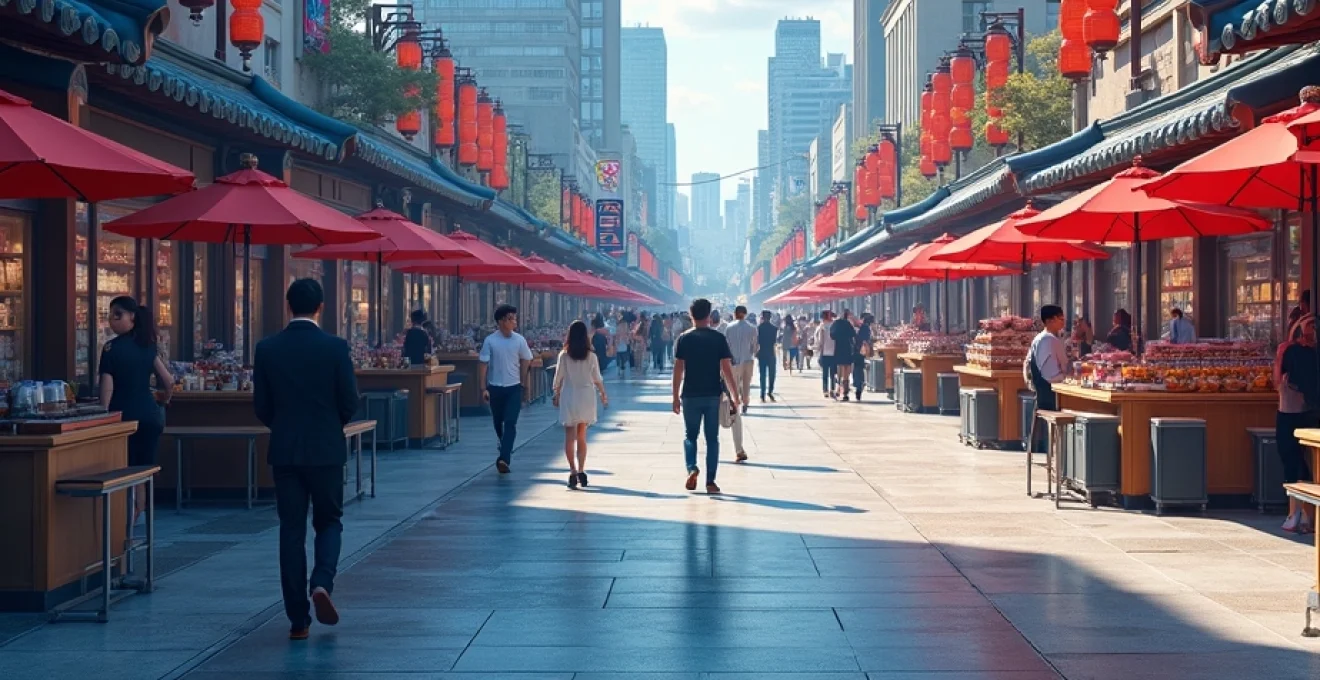
Seoul’s transformation from a war-torn city into a global cultural powerhouse represents one of the most remarkable urban metamorphoses of the 21st century. The South Korean capital has evolved far beyond its industrial origins to become a vibrant epicentre of creativity, innovation, and cultural expression that rivals established cultural capitals like New York, London, and Tokyo. This dynamic transformation encompasses everything from the explosive growth of K-pop and Korean entertainment to cutting-edge contemporary art installations and revolutionary culinary experiences that blend tradition with molecular gastronomy.
The city’s cultural renaissance extends across multiple sectors, creating an interconnected ecosystem where technology, creativity, and tradition converge. Seoul’s emergence as a cultural capital isn’t merely the result of organic growth—it represents a strategic convergence of government investment, private sector innovation, and grassroots creativity that has positioned the city at the forefront of global cultural trends. From the architectural marvels of Dongdaemun Design Plaza to the bustling creative districts of Hongdae and Gangnam, Seoul demonstrates how urban planning can successfully nurture cultural development while preserving historical identity.
K-pop industry infrastructure and global entertainment ecosystem development
The foundation of Seoul’s cultural prominence rests significantly on its sophisticated entertainment industry infrastructure, which has created a comprehensive ecosystem supporting everything from talent development to global distribution. The city hosts headquarters of major entertainment conglomerates that have revolutionised how music and entertainment content reaches international audiences. This infrastructure extends beyond simple production facilities to encompass training academies, recording studios, performance venues, and digital content creation centres that operate 24/7 to feed the global appetite for Korean entertainment.
Seoul’s entertainment district clustering strategy has created synergies that amplify the industry’s collective impact. Entertainment companies benefit from proximity to suppliers, talent agencies, media outlets, and supporting services , creating an environment where innovation flourishes through cross-pollination of ideas and resources. The city’s investment in high-speed internet infrastructure and digital connectivity has positioned it as an ideal hub for content creation that can instantly reach global audiences through streaming platforms and social media networks.
SM entertainment, JYP, and HYBE corporation strategic market positioning
The strategic positioning of major entertainment corporations within Seoul has created concentrated hubs of creative activity that function as cultural catalysts. These companies have developed sophisticated artist development systems that combine traditional music training with modern performance techniques, language education, and global market awareness. HYBE Corporation’s expansion into multimedia entertainment demonstrates how Seoul-based companies are pioneering integrated entertainment experiences that combine music, gaming, social media, and merchandise into cohesive brand ecosystems.
The competitive dynamics between these major players has elevated the overall quality and innovation within Seoul’s entertainment sector. Each company strives to differentiate its artists and content , leading to continuous experimentation with new musical styles, visual concepts, and marketing strategies that keep Seoul at the forefront of global entertainment trends. This competition has also driven investment in state-of-the-art production facilities and training programmes that attract talent from across Asia and beyond.
Hallyu wave economic impact on seoul’s creative industries revenue
The economic impact of the Korean Wave extends far beyond direct entertainment revenue to encompass tourism, fashion, cosmetics, food, and technology sectors throughout Seoul. Conservative estimates suggest that Hallyu contributes over $12 billion annually to South Korea’s economy, with Seoul capturing the majority of this value through its concentration of entertainment companies, cultural venues, and tourism infrastructure. The multiplier effect of entertainment success has created thousands of jobs in supporting industries, from makeup artists and choreographers to digital marketers and content translators.
Seoul’s government has recognised the strategic importance of the entertainment industry and has implemented policies to support its continued growth. Tax incentives for content creation, streamlined visa processes for international talent, and investment in cultural infrastructure demonstrate the city’s commitment to maintaining its position as Asia’s entertainment capital. The success of Korean content on global streaming platforms has created a virtuous cycle where international success attracts more investment and talent to Seoul’s entertainment ecosystem.
Digital streaming platforms and K-Pop global distribution networks
Seoul’s entertainment companies have pioneered innovative approaches to digital distribution that maximise global reach while maintaining control over content and revenue streams. The development of proprietary platforms like Weverse and V Live has created direct channels between Korean artists and international fans, bypassing traditional gatekeepers and creating new revenue opportunities through virtual concerts, exclusive content, and merchandise sales. These platforms demonstrate Seoul’s understanding that successful global cultural expansion requires both content quality and distribution innovation.
The integration of social media marketing with traditional entertainment promotion has become a Seoul specialty, with companies developing sophisticated strategies that create viral moments and sustained fan engagement across multiple platforms simultaneously. Korean entertainment companies have mastered the art of creating content that translates across cultural boundaries while maintaining distinctive Korean characteristics that differentiate their products in global markets.
Entertainment district clustering in gangnam and hongdae areas
The geographical concentration of entertainment activities in specific Seoul districts has created distinct cultural ecosystems that serve different segments of the market while contributing to the city’s overall cultural vitality. Gangnam’s polished, corporate entertainment infrastructure contrasts sharply with Hongdae’s grassroots, university-centered creative scene, providing Seoul with both mainstream commercial capabilities and underground artistic innovation. This diversity ensures that Seoul can nurture emerging talent while supporting established stars and major productions.
The clustering effect has also created cultural tourism destinations that allow visitors to experience different facets of Seoul’s entertainment culture in concentrated areas. Fans can visit company headquarters, attend performances, shop for merchandise, and dine at themed restaurants all within walkable districts, creating immersive experiences that extend beyond simple consumption of entertainment content. This integration of entertainment with urban planning demonstrates Seoul’s sophisticated approach to cultural development that considers both industry needs and visitor experiences.
Contemporary art scene revolution through digital innovation and international collaborations
Seoul’s contemporary art scene has undergone a dramatic transformation over the past decade, evolving from a primarily domestic market to an internationally recognised hub for innovative artistic expression. The city’s art ecosystem now encompasses world-class museums, experimental galleries, artist residencies, and digital art installations that push the boundaries of traditional artistic mediums. This evolution reflects Seoul’s broader cultural strategy of combining respect for tradition with embrace of technological innovation, creating unique artistic experiences that cannot be replicated elsewhere.
The integration of digital technology into artistic expression has become a defining characteristic of Seoul’s contemporary art scene. Artists working in Seoul have access to cutting-edge technology infrastructure that enables experimentation with virtual reality, augmented reality, artificial intelligence, and interactive installations that respond to viewer behavior in real-time. This technological sophistication attracts international artists and curators who seek to explore the intersection of art and technology in an environment that provides both technical resources and cultural context.
Seoul’s art scene benefits from strong government support combined with private sector investment that creates sustainable ecosystems for artistic development. The Seoul Foundation for Arts and Culture provides grants, studio spaces, and professional development opportunities for emerging artists, while private galleries and collectors create market demand for innovative work. This combination of public support and commercial viability enables artists to take creative risks while building sustainable careers within Seoul’s cultural landscape.
Leeum museum samsung and national museum of modern art digital exhibitions
The transformation of Seoul’s major art institutions into digitally sophisticated venues has positioned the city as a pioneer in museum innovation and visitor engagement. These institutions have invested heavily in digital infrastructure that enables immersive exhibitions, virtual reality experiences, and interactive displays that enhance traditional art viewing while attracting younger audiences who expect technologically integrated cultural experiences. The success of these digital initiatives has influenced museum practice globally and established Seoul as a model for cultural institution modernisation.
The collaboration between technology companies and art institutions in Seoul has created unique opportunities for artistic experimentation that would be difficult to achieve elsewhere. Samsung’s investment in museum technology demonstrates how corporate partnerships can enhance cultural institutions without compromising artistic integrity or educational mission. These partnerships have enabled Seoul’s museums to acquire and display cutting-edge digital art that requires sophisticated technical infrastructure to present effectively.
Frieze seoul art fair and gallery weekend seoul international recognition
The establishment of international art fairs and gallery events in Seoul signals the city’s emergence as a major player in the global art market. Frieze Seoul’s decision to expand to the city reflects international recognition of Seoul’s growing importance as both a market for contemporary art and a source of innovative artistic production. The fair attracts collectors, curators, and artists from across Asia and beyond, creating opportunities for cross-cultural exchange and commercial success for Seoul-based artists and galleries.
Gallery Weekend Seoul has evolved into a comprehensive celebration of the city’s art scene that showcases both established institutions and emerging spaces throughout the metropolitan area. The event demonstrates Seoul’s artistic diversity and geographical distribution , encouraging visitors to explore different neighborhoods and discover the full breadth of the city’s cultural offerings. This geographic approach to art promotion reflects Seoul’s understanding that cultural vitality requires distribution across the urban landscape rather than concentration in traditional cultural districts.
Dongdaemun design plaza zaha hadid architecture cultural programming
The Dongdaemun Design Plaza represents Seoul’s commitment to architectural innovation as a foundation for cultural development and international recognition. Zaha Hadid’s futuristic design creates a striking visual landmark that symbolises Seoul’s embrace of contemporary design while providing flexible spaces for exhibitions, fashion shows, conferences, and cultural events. The building’s distinctive architecture has become an Instagram-worthy destination that attracts visitors who might not otherwise engage with Seoul’s cultural offerings, demonstrating how architectural innovation can serve as a gateway to deeper cultural exploration.
The programming strategy for DDP emphasises the intersection of design, technology, and commerce, reflecting Seoul’s integrated approach to cultural development that considers economic sustainability alongside artistic merit. The venue hosts everything from experimental art installations to commercial fashion events , creating revenue streams that support more experimental programming while maintaining broad public appeal. This mixed-use approach enables DDP to serve multiple constituencies while maintaining its role as a cultural catalyst for the surrounding area.
Video art and new media installations in bukchon hanok village
The integration of contemporary digital art into Seoul’s historic neighborhoods demonstrates the city’s sophisticated approach to balancing preservation with innovation. Bukchon Hanok Village’s traditional architecture provides a compelling contrast to cutting-edge video art and new media installations, creating dialogue between past and present that enriches both historical appreciation and contemporary artistic expression. This juxtaposition attracts both cultural tourists and serious art enthusiasts who seek unique experiences that cannot be found elsewhere.
The success of new media art in traditional settings has encouraged property owners and neighborhood associations throughout Seoul to consider how contemporary art can enhance rather than threaten historic character. Temporary installations and rotating exhibitions allow for artistic experimentation while respecting the permanent architectural heritage that defines these neighborhoods’ identity and appeal to residents and visitors alike.
Film industry renaissance through netflix original productions and cinematographic excellence
Seoul’s film industry has experienced unprecedented global recognition through strategic partnerships with international streaming platforms and sustained investment in cinematographic excellence. The success of Korean films and series on Netflix, Amazon Prime, and other global platforms has created a virtuous cycle where international success attracts investment and talent while providing Korean filmmakers with access to global audiences and production budgets that enable increasingly ambitious projects. This renaissance extends beyond simple content production to encompass technical innovation, storytelling sophistication, and production infrastructure that rivals established film capitals like Los Angeles and London.
The Seoul Metropolitan Government has implemented comprehensive policies to support film production within the city, including streamlined permitting processes, financial incentives for international productions, and investment in production facilities that meet global standards. The city’s diverse architectural landscape provides filmmakers with locations ranging from ultramodern skyscrapers to traditional neighborhoods , enabling productions to achieve visual variety without expensive location scouting or travel. Seoul’s efficient transportation infrastructure and high level of English proficiency among film industry professionals make it an attractive destination for international co-productions that require both local authenticity and global commercial appeal.
The integration of Korean storytelling traditions with contemporary filmmaking techniques has created a distinctive cinematic style that resonates with international audiences while maintaining cultural specificity. Korean filmmakers working in Seoul have developed expertise in genre-blending narratives that combine elements of thriller, drama, comedy, and social commentary in ways that feel fresh to global audiences accustomed to more formulaic international entertainment. This storytelling innovation has influenced filmmaking practices worldwide and established Seoul as a source of creative inspiration for international directors and writers seeking to develop more sophisticated and culturally resonant content.
Seoul’s film industry infrastructure now encompasses state-of-the-art post-production facilities, sound stages, equipment rental companies, and specialized service providers that can support major international productions from development through distribution. The concentration of technical expertise and production resources enables Seoul-based productions to achieve high production values while maintaining cost advantages compared to traditional film capitals. This infrastructure development has created thousands of jobs in technical and creative roles while establishing Seoul as a viable alternative to more expensive production locations for international filmmakers seeking both quality and value.
Culinary innovation ecosystem merging traditional korean techniques with molecular gastronomy
Seoul’s culinary scene has evolved into one of the world’s most dynamic and innovative food cultures, where traditional Korean cooking techniques merge seamlessly with cutting-edge molecular gastronomy and international influences to create entirely new categories of dining experiences. The city’s restaurant ecosystem encompasses everything from street food vendors who have perfected traditional recipes over generations to Michelin-starred establishments that push the boundaries of what Korean cuisine can become when combined with modern culinary science and presentation techniques. This culinary diversity reflects Seoul’s broader cultural approach of honoring tradition while embracing innovation and experimentation.
The technical sophistication of Seoul’s top restaurants rivals those of established culinary capitals, with chefs employing advanced techniques like liquid nitrogen preparation, spherification, and precision temperature control to transform traditional Korean ingredients into unexpected textures and presentations. Korean fermentation traditions provide a foundation for experimentation with umami flavors and complex taste profiles that create unique dining experiences unavailable elsewhere in the world. The integration of traditional Korean medicinal food concepts with contemporary nutritional science has created a distinctive approach to healthy dining that attracts health-conscious diners while maintaining the bold flavors that define Korean cuisine.
Seoul’s culinary innovation extends beyond high-end restaurants to encompass street food evolution, cafe culture, and specialty food production that creates a comprehensive ecosystem supporting food entrepreneurs at every level. The city’s dense population and sophisticated palate create a market for culinary experimentation that encourages vendors and restaurateurs to continuously refine and innovate their offerings. Government support for small food businesses and relaxed regulations for food trucks and temporary vendors enable culinary entrepreneurs to test new concepts with relatively low investment, creating a pipeline of innovation that feeds into the city’s broader restaurant scene.
The integration of technology into Seoul’s food culture has created dining experiences that combine culinary excellence with interactive entertainment, from restaurants that use augmented reality to enhance menu presentations to establishments that employ robotic food preparation alongside traditional cooking techniques. This technological integration appeals to Seoul’s tech-savvy population while attracting tourists seeking unique dining experiences that cannot be replicated elsewhere. The success of Seoul’s food delivery and online ordering platforms has also influenced restaurant design and menu development, with many establishments optimizing their offerings for both dine-in and delivery experiences that maintain quality and presentation standards regardless of consumption location.
Fashion design leadership through seoul fashion week and emerging designer incubation programs
Seoul’s fashion industry has evolved from a manufacturing base focused on production for international brands to a creative hub that generates original designs, supports emerging talent, and influences global fashion trends through innovative approaches to sustainable design, technology integration, and cultural expression. The city’s fashion ecosystem encompasses traditional textile production, cutting-edge design studios, international fashion weeks, and digital marketing innovation that collectively position Seoul as a major force in global fashion development. This transformation reflects the broader evolution of Seoul’s economy from manufacturing-focused to creativity-driven, with fashion serving as both economic driver and cultural expression medium.
The development of comprehensive support systems for emerging fashion designers has created a pipeline of talent that feeds Seoul’s growing reputation for fashion innovation and cultural relevance. Incubation programs provide young designers with access to production facilities, business mentoring, marketing support, and retail opportunities that enable them to build sustainable fashion businesses while maintaining creative independence and cultural authenticity. These support systems have created a distinctive Seoul fashion aesthetic that combines Korean cultural elements with international commercial appeal, enabling local designers to compete successfully in global markets while maintaining their cultural identity and design integrity.
Concept korea initiative and fashion week seoul international buyer participation
The Concept Korea initiative represents a strategic government investment in promoting Seoul-based fashion designers to international markets through comprehensive support that encompasses everything from production assistance to international trade show participation. This program has successfully introduced Korean fashion designers to major international fashion capitals, resulting in distribution deals, collaborative partnerships, and recognition that elevates Seoul’s overall fashion profile. The initiative’s success has attracted international buyers and fashion media to Seoul Fashion Week , creating a virtuous cycle where local success attracts international attention that generates further opportunities for Seoul-based designers.
The increasing international participation in Seoul Fashion Week reflects the global fashion industry’s recognition of Seoul as a source of fresh perspectives and innovative approaches to design challenges. International buyers now regularly attend Seoul shows to discover emerging talent and identify trends that may influence global fashion development, positioning Seoul as a trendsetting market rather than simply a follower of international fashion movements. This shift in perception has enabled Seoul-based designers to command higher prices and gain access to premium distribution channels that were previously reserved for designers from established fashion capitals.
Dongdaemun fashion district wholesale market digital transformation
The digital transformation of Dongdaemun Fashion District has revolutionized how Seoul’s fashion wholesale market operates, creating a hybrid model that combines traditional wholesale relationships with modern e-commerce capabilities and real-time inventory management systems. This transformation has enabled small and medium-sized fashion retailers throughout Asia to access Seoul’s fashion products more efficiently while providing local manufacturers and designers with broader market reach and better demand forecasting capabilities. The integration of live streaming sales, virtual showrooms, and automated ordering systems has created a 24/7 marketplace that transcends traditional geographical and time zone limitations, positioning Seoul as a regional fashion hub that serves markets across Asia and beyond.
The district’s wholesale market digital infrastructure now supports everything from augmented reality fitting rooms to blockchain-based authentication systems that combat counterfeiting and ensure product quality. Fashion buyers can now preview entire collections through virtual reality presentations before making purchasing decisions, while machine learning algorithms analyze sales patterns to help designers and manufacturers optimize their production schedules and inventory levels. This technological sophistication has attracted international fashion companies seeking efficient sourcing solutions and has created new job categories in fashion technology, digital marketing, and data analysis that support the traditional garment production workforce.
K-fashion brand global expansion through e-commerce platforms
Seoul-based fashion brands have pioneered innovative approaches to global e-commerce that leverage social media marketing, influencer partnerships, and direct-to-consumer sales strategies to build international customer bases without traditional retail infrastructure investment. These brands have mastered the art of creating viral fashion moments through strategic social media campaigns that combine product placement with lifestyle content, enabling them to compete effectively with established international fashion brands despite smaller marketing budgets. The success of K-fashion e-commerce has created a template for emerging fashion markets worldwide, demonstrating how digital marketing sophistication can overcome traditional barriers to international fashion market entry.
The integration of customer data analytics with product development has enabled Seoul fashion brands to create highly targeted collections that meet specific regional preferences while maintaining their distinctive Korean aesthetic elements. These brands have developed sophisticated logistics networks that enable rapid international shipping and easy returns processing, creating customer experiences that rival those offered by established international fashion retailers. The success of Seoul fashion brands in global e-commerce has also attracted international platform partnerships and investment that provide additional growth capital and market access opportunities for emerging Korean designers.
Sustainable fashion movement and upcycling designer collectives
Seoul’s sustainable fashion movement has emerged as a creative response to both environmental concerns and the desire to differentiate Korean fashion from fast fashion competitors through superior quality, innovative design, and ethical production practices. The city’s upcycling designer collectives have developed sophisticated techniques for transforming discarded materials into high-quality fashion pieces that command premium prices while reducing environmental impact and creating unique designs that cannot be mass-produced. These collectives combine traditional Korean textile techniques with contemporary design aesthetics to create products that appeal to environmentally conscious consumers while preserving cultural craft traditions that might otherwise be lost to industrial production.
The Seoul Metropolitan Government has implemented policies that support sustainable fashion development through grants for eco-friendly production equipment, tax incentives for companies that meet environmental standards, and educational programs that train fashion industry workers in sustainable production techniques. These initiatives have created a competitive advantage for Seoul-based fashion companies in international markets where environmental responsibility is increasingly important to consumer purchasing decisions. The success of Seoul’s sustainable fashion initiatives has attracted international fashion companies seeking to improve their environmental credentials while accessing innovative design talent and production capabilities that combine sustainability with commercial viability.
Technology-driven cultural experience integration through AR, VR, and smart city infrastructure
Seoul’s integration of advanced technology into cultural experiences represents a fundamental shift in how cities can enhance cultural engagement while attracting both residents and tourists to explore diverse artistic and entertainment offerings. The city’s smart infrastructure enables seamless integration of augmented reality historical tours, virtual reality art exhibitions, and interactive digital installations that respond to visitor behavior and preferences in real-time. This technological sophistication creates cultural experiences that are simultaneously educational, entertaining, and accessible to diverse audiences regardless of language barriers or cultural background, positioning Seoul as a model for technology-enhanced cultural development.
The implementation of citywide 5G networks and IoT sensor systems has enabled cultural institutions throughout Seoul to offer synchronized experiences that connect different venues, neighborhoods, and types of cultural content into cohesive narratives that encourage extended exploration of the city’s cultural offerings. Visitors can now use augmented reality applications to access historical information, artist interviews, and interactive content that enhances their understanding and appreciation of cultural sites while providing data that helps institutions optimize their programming and visitor services. This data-driven approach to cultural development enables continuous improvement of cultural experiences while providing measurable evidence of cultural programming effectiveness that supports continued investment and development.
The integration of artificial intelligence into cultural recommendation systems has created personalized cultural experiences that adapt to individual preferences and interests while introducing visitors to new cultural forms and venues they might not otherwise discover. These systems analyze visitor behavior patterns, social media activity, and stated preferences to create customized cultural itineraries that maximize visitor satisfaction while distributing foot traffic more evenly across Seoul’s cultural venues and neighborhoods. The success of these technology-driven cultural experiences has attracted international attention and adoption, with cities worldwide studying Seoul’s approach to technology-enhanced cultural development as they seek to modernize their own cultural offerings and improve visitor engagement.
Seoul’s smart city cultural infrastructure also enables real-time capacity management and dynamic programming that responds to visitor demand and external factors like weather or special events. Cultural venues can automatically adjust their offerings, extend operating hours, or provide alternative indoor experiences based on real-time data about visitor preferences and external conditions. This flexibility has proven particularly valuable during challenging periods when traditional cultural programming faced restrictions, demonstrating how technology integration can create more resilient and adaptable cultural ecosystems that continue to serve communities regardless of external challenges or changing circumstances.