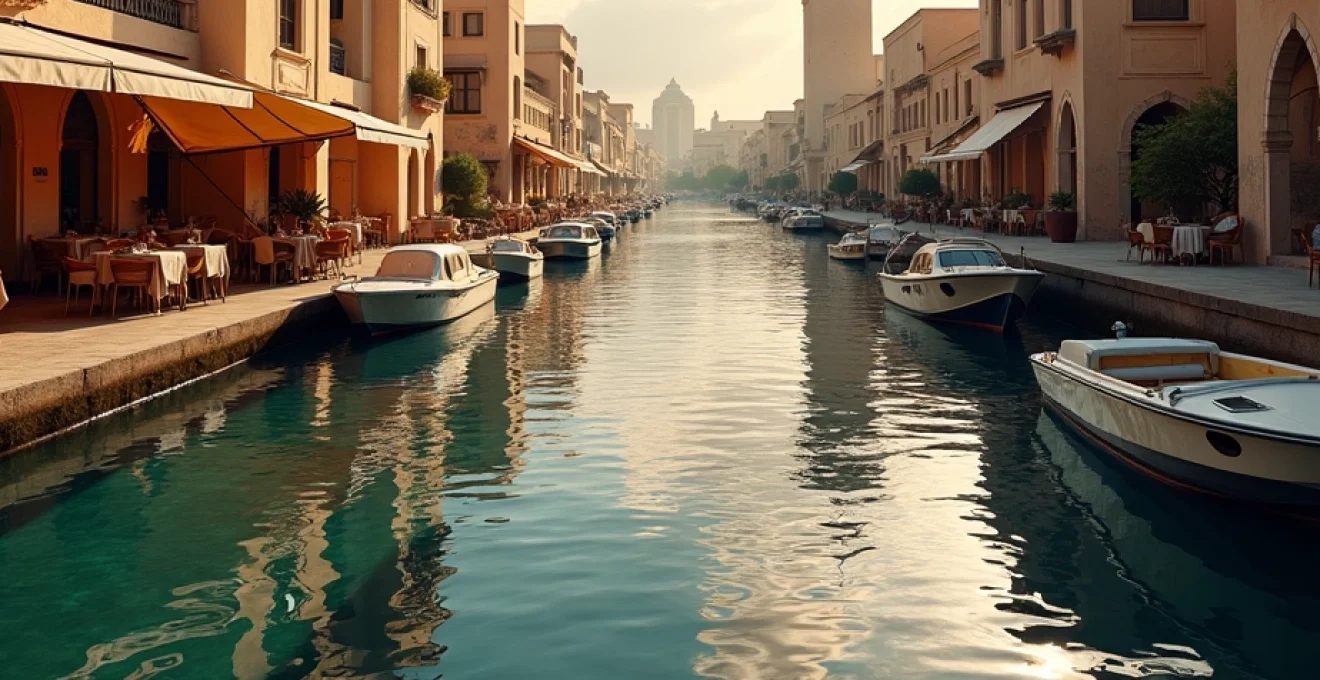
Dubai’s reputation as a glittering metropolis of futuristic architecture and luxury shopping often overshadows its fascinating historical heritage. Beyond the iconic Burj Khalifa and sprawling malls lies a captivating old town that tells the story of a trading hub that has connected civilisations for centuries. These ancient neighbourhoods, traditional markets, and preserved architectural gems offer travellers an authentic glimpse into Emirati culture that predates the oil boom by hundreds of years.
The historic districts of Dubai present a compelling narrative of maritime commerce, Bedouin traditions, and multicultural influences that shaped the modern emirate. From the labyrinthine souks where Persian traders once bartered spices to the wind-tower houses that pioneered early air conditioning, old Dubai remains a living museum of Arabian Peninsula heritage. Yet many visitors rush through these areas in a single afternoon, missing the deeper cultural experiences that await those who venture beyond surface-level sightseeing.
Historical architecture and heritage sites in old dubai’s bastakiya quarter
The Bastakiya Quarter, now known as Al Fahidi Historical Neighbourhood, represents Dubai’s most significant collection of traditional architecture. This meticulously preserved district showcases the ingenuity of early Emirati builders who created structures perfectly adapted to the harsh desert climate. The quarter’s narrow alleyways and coral-stone buildings transport visitors to an era when Dubai was a modest fishing and pearling settlement rather than an international business hub.
Al fahidi historical neighbourhood’s traditional wind tower architecture
The wind tower houses of Al Fahidi demonstrate remarkable environmental engineering that predates modern air conditioning by centuries. These distinctive four-sided towers, known locally as barjeel , capture desert breezes and channel cool air into living spaces below. Persian merchants who settled in Dubai during the late 19th century introduced this architectural innovation, creating homes that remained comfortable even during scorching summer months.
Each wind tower operates on simple physics principles, with the tower’s height and orientation designed to maximise airflow efficiency. The structures feature strategically placed openings that create pressure differentials, drawing hot air upward whilst pulling cooler air downward into residential quarters. Walking through these restored homes today, visitors can experience the remarkable temperature differences that these ingenious structures provide.
Dubai museum’s archaeological artifacts and bedouin cultural exhibits
Housed within the 18th-century Al Fahidi Fort, Dubai Museum offers comprehensive insights into the emirate’s pre-oil heritage. The museum’s extensive collection includes archaeological discoveries dating back over 4,000 years, revealing evidence of Bronze Age settlements along Dubai Creek. Interactive dioramas recreate traditional Bedouin encampments, pearl diving expeditions, and the bustling trading activities that established Dubai’s commercial foundations.
The museum’s underground galleries showcase traditional crafts, weaponry, and musical instruments that defined Emirati culture for generations. Particularly fascinating are the exhibits detailing the pearl diving industry, which sustained Dubai’s economy for centuries before oil discovery. These displays include diving equipment, pearl grading techniques, and accounts of the dangerous underwater expeditions that made Dubai wealthy enough to attract international traders.
Sheikh mohammed centre for cultural understanding’s heritage programs
The Sheikh Mohammed Centre for Cultural Understanding operates from a beautifully restored traditional house, offering immersive cultural experiences that bridge historical and contemporary Emirati life. Their heritage programmes include guided walks through historical neighbourhoods, traditional meal experiences, and educational sessions about Islamic customs and Emirati hospitality traditions. These programmes provide context that transforms casual sightseeing into meaningful cultural exchange.
Visitors can participate in traditional coffee ceremonies, learn Arabic calligraphy, and engage in discussions about Emirati social customs with knowledgeable local guides. The centre’s approach emphasises understanding rather than mere observation, encouraging travellers to appreciate the continuity between Dubai’s historical heritage and its modern multicultural identity.
Coins museum’s numismatic collection and regional currency history
The often-overlooked Coins Museum houses an impressive collection documenting the monetary history of the Arabian Peninsula and broader Islamic world. The museum’s exhibits trace currency evolution from ancient trade tokens to contemporary UAE dirhams, illustrating Dubai’s longstanding role as a regional financial centre. Rare coins from various Islamic dynasties reveal the extensive trade networks that connected Dubai with Persia, India, and East Africa.
The collection includes fascinating examples of cowrie shells and other alternative currencies used in traditional trading systems. These exhibits demonstrate how Dubai’s merchants adapted diverse monetary systems to facilitate international commerce centuries before modern banking arrived in the region.
Authentic souk experiences beyond Tourist-Focused gold and spice markets
Whilst Dubai’s Gold and Spice Souks attract millions of visitors annually, the emirate’s traditional markets extend far beyond these well-publicised destinations. Hidden throughout the old town are specialised bazaars where local artisans and merchants continue centuries-old trading practices. These lesser-known souks offer authentic shopping experiences free from the aggressive tourism tactics that characterise more famous markets.
Textile souk’s traditional pashmina and silk trading practices
The Textile Souk, located near the main Gold Souk, maintains traditional fabric trading methods that have remained largely unchanged for generations. Here, merchants specialise in high-quality pashminas, silks, and traditional Emirati garments sourced directly from Kashmir, Iran, and other renowned textile regions. The souk’s narrow passages are lined with fabric rolls reaching from floor to ceiling, creating a sensory experience that immerses visitors in the tactile world of traditional commerce.
Experienced textile merchants possess encyclopaedic knowledge about fabric origins, weaving techniques, and appropriate uses for different materials in Arabian clothing. These vendors often invite customers to examine fabric quality through touch and close inspection, maintaining the personal relationship approach that defines authentic souk culture. The bargaining process itself becomes a cultural exchange, with merchants sharing stories about fabric sources and traditional uses.
Perfume souk’s oud and attar blending techniques
Dubai’s Perfume Souk preserves ancient Arabian fragrance traditions that predate European perfumery by centuries. Master perfumers, known as attaris , continue creating custom scent blends using traditional ingredients like oud, rose water, and frankincense. These artisans often learned their craft through family apprenticeships spanning multiple generations, maintaining knowledge about ingredient sourcing and blending techniques that modern perfumery has largely abandoned.
Visitors can observe the meticulous process of creating personalised fragrances, watching as skilled perfumers combine rare oils to produce unique scents. The souk’s atmosphere is permeated with complex aromas that change throughout the day as different merchants prepare their blends. This olfactory journey offers insights into Arabian hospitality customs, where offering fine fragrances to guests represents the highest form of respect.
Old souk’s antique collectibles and vintage arabian handicrafts
The Old Souk, also known as Souk Al Kabeer, houses Dubai’s most diverse collection of antiques, vintage handicrafts, and traditional Arabian artifacts. This sprawling market complex contains hundreds of small shops selling everything from antique brass coffee pots to vintage Bedouin jewellery. Unlike tourist-focused markets, the Old Souk caters primarily to local collectors and regional buyers seeking authentic pieces for personal collections or interior decoration.
Merchants here often specialise in specific categories such as traditional weapons, musical instruments, or religious artifacts. Their expertise extends beyond mere sales to include detailed historical knowledge about item origins, cultural significance, and traditional uses. Many pieces found in the Old Souk represent disappearing crafts, making the market an invaluable repository of Arabian Peninsula material culture.
Fish market’s dawn auction system and local fishing communities
Dubai’s traditional fish market operates according to rhythms established by local fishing communities over centuries. The market’s dawn auctions showcase traditional methods of marine commerce, where local fishermen sell their overnight catches to restaurants, hotels, and individual buyers. These auctions follow time-honoured protocols that ensure fair pricing and maintain relationships between fishing families and regular customers.
The market provides insights into Dubai Creek’s continuing role as an active fishing port, despite the emirate’s transformation into a global city. Local fishing techniques, boat designs, and seasonal fishing patterns reflect knowledge passed down through generations of Emirati maritime families. Observing these morning activities reveals how traditional livelihoods persist alongside Dubai’s modern economy.
Traditional dhow sailing and maritime heritage along dubai creek
Dubai Creek remains the emirate’s historical lifeline, where traditional dhow sailing continues to play vital commercial and cultural roles. These elegant wooden vessels, with their distinctive lateen rigging, still transport goods between Dubai and regional ports across the Persian Gulf. The creek’s waters tell the story of Dubai’s maritime heritage, from ancient pearling expeditions to modern cargo operations that maintain traditional sailing techniques.
Traditional dhow construction represents one of the region’s most sophisticated craft traditions. Skilled shipwrights, many of whom learned their trade from fathers and grandfathers, continue building these vessels using techniques refined over centuries. The process requires intimate knowledge of wood selection, hull design, and sail configuration that enables dhows to navigate the Persian Gulf’s challenging conditions efficiently.
Morning hours along Dubai Creek offer the most authentic maritime experiences, as working dhows prepare for departures to Iran, Oman, and other regional destinations. These cargo vessels maintain trading relationships that predate modern shipping companies by centuries, carrying everything from textiles to electronics using routes established by ancient merchants. The choreographed loading processes and traditional navigation methods provide glimpses into commercial practices that sustained Dubai’s economy for generations.
The dhow’s graceful design embodies centuries of Arabian maritime innovation, proving that traditional technology often surpasses modern alternatives in specific environments.
Visitors can arrange traditional dhow cruises that emphasise sailing heritage rather than tourist entertainment. These authentic sailing experiences allow travellers to appreciate the skill required for traditional navigation, the dhow’s remarkable stability in challenging waters, and the continuing importance of wind-powered transportation in regional commerce. Some operators offer overnight sailing expeditions that recreate historical trading voyages, complete with traditional meals prepared onboard using time-honoured methods.
Culinary authenticity in al seef’s local eateries and traditional restaurants
Dubai’s old town dining scene extends far beyond tourist-oriented establishments to include authentic eateries that have served local communities for decades. These restaurants preserve traditional cooking methods, original recipes, and dining customs that reflect the emirate’s multicultural heritage. Al Seef district, in particular, houses several establishments where traditional Emirati, Persian, and Subcontinental cuisines maintain their authentic character despite Dubai’s rapid modernisation.
Ravi restaurant’s pakistani subcontinental cuisine legacy
Ravi Restaurant represents one of Dubai’s most enduring culinary institutions, serving authentic Pakistani and North Indian cuisine since the 1970s. This unassuming establishment attracts locals, expatriate workers, and knowledgeable food enthusiasts who appreciate traditional Subcontinental cooking techniques. The restaurant’s success stems from maintaining original recipes and cooking methods that produce flavours rarely found in more commercialised establishments.
The restaurant’s tandoor ovens operate continuously, producing fresh naan, kebabs, and roasted meats using traditional clay-fired techniques. Their curry preparations follow time-tested methods that require hours of slow cooking to develop complex flavour profiles. Ravi’s dining atmosphere deliberately eschews modern restaurant conventions, maintaining the communal, unpretentious character of authentic Subcontinental eateries.
Automatic restaurant’s lebanese mezze and regional specialities
Automatic Restaurant has served authentic Lebanese and Levantine cuisine to Dubai’s diverse communities for over four decades. This family-operated establishment specialises in traditional mezze preparations that showcase the complexity of Lebanese culinary traditions. Their kitchen maintains traditional preparation methods for dishes like kibbeh, fattoush, and multiple varieties of hummus that require precise technique and high-quality ingredients.
The restaurant’s longevity reflects its commitment to authentic flavours rather than adapted recipes designed for international palates. Their mezze spreads include traditional preparations that many modern Lebanese restaurants have abandoned in favour of simplified offerings. The establishment’s reputation among local Lebanese expatriates confirms its authenticity and adherence to traditional culinary standards.
Bu qtair’s fresh seafood preparation methods
Bu Qtair represents Dubai’s most famous traditional seafood restaurant, known for preparing extremely fresh fish using simple, time-tested cooking methods. This beachside establishment sources its seafood directly from local fishermen, ensuring maximum freshness and supporting traditional fishing communities. The restaurant’s preparation techniques emphasise the natural flavours of Arabian Gulf seafood without elaborate seasonings or modern cooking innovations.
The establishment’s grilled fish preparations follow traditional Emirati methods that have been refined over generations of coastal cooking. Their cooking techniques showcase how simple preparation can highlight the exceptional quality of local seafood when sourced and prepared correctly. Bu Qtair’s popularity among local Emirati families demonstrates its authenticity and adherence to traditional coastal cuisine standards.
Iranian hospital’s persian tea culture and community gathering spaces
The Iranian Hospital area houses several traditional Persian tea houses that preserve authentic Iranian tea culture within Dubai’s multicultural environment. These establishments serve as community gathering spaces for Iranian expatriates whilst welcoming curious visitors interested in experiencing traditional Persian hospitality. The tea preparation follows centuries-old methods using high-quality loose teas served in traditional glass vessels.
These tea houses maintain traditional Persian social customs around tea consumption, including specific serving protocols and accompanying sweets that enhance the tea experience. The establishments often feature traditional Persian music, carpets, and architectural details that recreate authentic Iranian tea house atmospheres. Their role as cultural preservation centres makes them valuable resources for understanding how expatriate communities maintain their traditions within Dubai’s cosmopolitan environment.
Photography opportunities and Lesser-Known architectural gems
Dubai’s old town provides exceptional photography opportunities that capture architectural details, cultural activities, and atmospheric moments impossible to find in the modern city districts. Early morning and late afternoon lighting conditions transform historical buildings into compelling photographic subjects, whilst traditional activities throughout the souks offer dynamic human interest photography opportunities.
The labyrinthine alleyways of Al Fahidi Historical Neighbourhood provide intimate architectural photography settings where traditional coral stone construction, wooden balconies, and intricate doorways create compelling compositions. These narrow passages offer natural frames and leading lines that enhance photographic storytelling. The interplay between light and shadow in these confined spaces changes dramatically throughout the day, providing varied photographic moods from a single location.
Hidden architectural gems throughout old Dubai include several restored merchant houses that exemplify different historical periods and cultural influences. The Iranian Mosque’s intricate tilework demonstrates Persian architectural influence, whilst several Indian merchant houses display distinctive architectural features that reflect Subcontinental design traditions. These buildings often feature architectural details that photographers can explore through close-up compositions highlighting craftsmanship and cultural fusion.
Traditional architectural photography in Dubai’s old town requires patience to capture the interplay between historical preservation and continuing cultural life.
Traditional craft activities provide exceptional documentary photography opportunities for those interested in capturing disappearing skills and cultural practices. The dhow building yards offer dramatic industrial photography settings where traditional craftsmanship continues using centuries-old techniques. These working environments provide authentic cultural documentation opportunities that contrast sharply with Dubai’s modern industrial facilities.
Sustainable tourism practices and supporting local artisan communities
Responsible tourism in Dubai’s old town requires understanding how visitor activities impact local communities and traditional craft practices. Many artisan families depend on tourism income whilst struggling to maintain traditional skills that machine production increasingly threatens. Supporting these communities through thoughtful purchasing decisions and respectful cultural engagement helps preserve intangible heritage that documentation alone cannot maintain.
Traditional craft purchases should prioritise authentic handmade items over mass-produced souvenirs that imitate traditional designs. Genuine handcrafted pieces cost significantly more than machine-made alternatives, but purchasing decisions directly support artisan families and encourage skill transmission to younger generations. Visitors can identify authentic crafts through careful examination of construction techniques, material quality, and design complexity that machine production cannot replicate.
Engaging with local guide services operated by community members provides economic benefits whilst ensuring culturally appropriate tourism experiences. These guides often possess family connections to traditional trades and can provide insights that commercial tour operators cannot match. Their intimate knowledge of local customs, family histories, and cultural nuances enriches visitor experiences whilst distributing tourism benefits directly to heritage community members.
Traditional restaurant patronage should favour establishments that serve local communities rather than tourist-focused venues that appropriate cultural elements without authentic foundations. Authentic eateries often maintain traditional cooking methods, source ingredients locally, and employ cooks with generational knowledge of regional cuisines. These establishments preserve culinary traditions whilst providing economic opportunities for traditional cooking skills that might otherwise disappear.
Sustainable heritage tourism balances visitor access with community needs, ensuring that cultural preservation benefits local people rather than external commercial interests.
Respectful photography practices include seeking permission before photographing individuals, understanding religious and cultural sensitivities around certain locations, and avoiding intrusive documentation of private cultural practices. Many traditional artis
ans and merchants appreciate visitor interest in their work, but intrusive documentation can disrupt traditional activities and violate cultural boundaries that outsiders may not recognise.
Environmental considerations include minimising waste generation during souk visits, respecting traditional water conservation practices in heritage buildings, and choosing walking or public transportation when exploring historical districts. Dubai Creek’s water quality depends on responsible waste disposal, and visitors should avoid contributing to pollution through careless behaviour. Traditional buildings often operate on sustainable cooling and lighting principles that modern visitors can learn from and support through appropriate behaviour.
Community-based tourism initiatives increasingly offer authentic cultural experiences whilst ensuring economic benefits reach local families rather than external operators. These programmes often include homestay opportunities, traditional craft workshops, and guided experiences led by heritage community members. Such initiatives provide deeper cultural understanding whilst supporting traditional lifestyle preservation in ways that conventional tourism often fails to achieve.
Long-term heritage preservation requires visitor awareness about the fragility of traditional structures and cultural practices. Many historical buildings operate as active conservation projects that depend on entrance fees and respectful visitor behaviour for ongoing maintenance. Understanding these preservation challenges helps visitors appreciate the significant efforts required to maintain Dubai’s historical heritage against environmental and development pressures.
Meaningful cultural tourism creates lasting connections between visitors and local communities, fostering mutual understanding that transcends mere economic transactions.
Educational tourism approaches emphasise learning about traditional skills, historical contexts, and cultural significance rather than superficial sightseeing activities. Many heritage sites offer workshops where visitors can attempt traditional crafts under expert guidance, creating appreciation for the skill levels these practices require. These hands-on experiences often prove more memorable than passive observation whilst providing direct support for traditional knowledge preservation.
Seasonal considerations affect both visitor experiences and community life throughout Dubai’s old town. During cooler months, traditional activities intensify as comfortable temperatures encourage outdoor work and social gatherings. Visitors who time their experiences to coincide with these natural rhythms often encounter more authentic cultural activities and increased opportunities for meaningful community interaction.
The integration of modern conservation techniques with traditional building methods demonstrates how heritage preservation can adapt to contemporary challenges whilst maintaining authentic character. Many restored buildings in Al Fahidi Historical Neighbourhood employ innovative approaches that preserve traditional aesthetics whilst meeting modern safety and accessibility requirements. These conservation efforts provide models for heritage preservation that other historical districts throughout the region increasingly adopt.
Visitor feedback mechanisms increasingly allow tourists to contribute meaningfully to heritage preservation efforts through informed reporting about conservation needs, cultural programme effectiveness, and community impact observations. Many heritage sites now actively seek visitor input about their experiences, using this information to improve cultural programme delivery and address community concerns about tourism impacts.
Future sustainability depends on balancing tourism growth with heritage conservation capacity, ensuring that increased visitor numbers do not overwhelm traditional communities or damage historical structures. Careful monitoring of visitor flows, community feedback, and environmental impacts helps heritage managers make informed decisions about tourism development that protects cultural authenticity whilst providing economic opportunities. This delicate balance requires ongoing collaboration between tourism authorities, heritage communities, and responsible visitors who understand their role in cultural preservation.