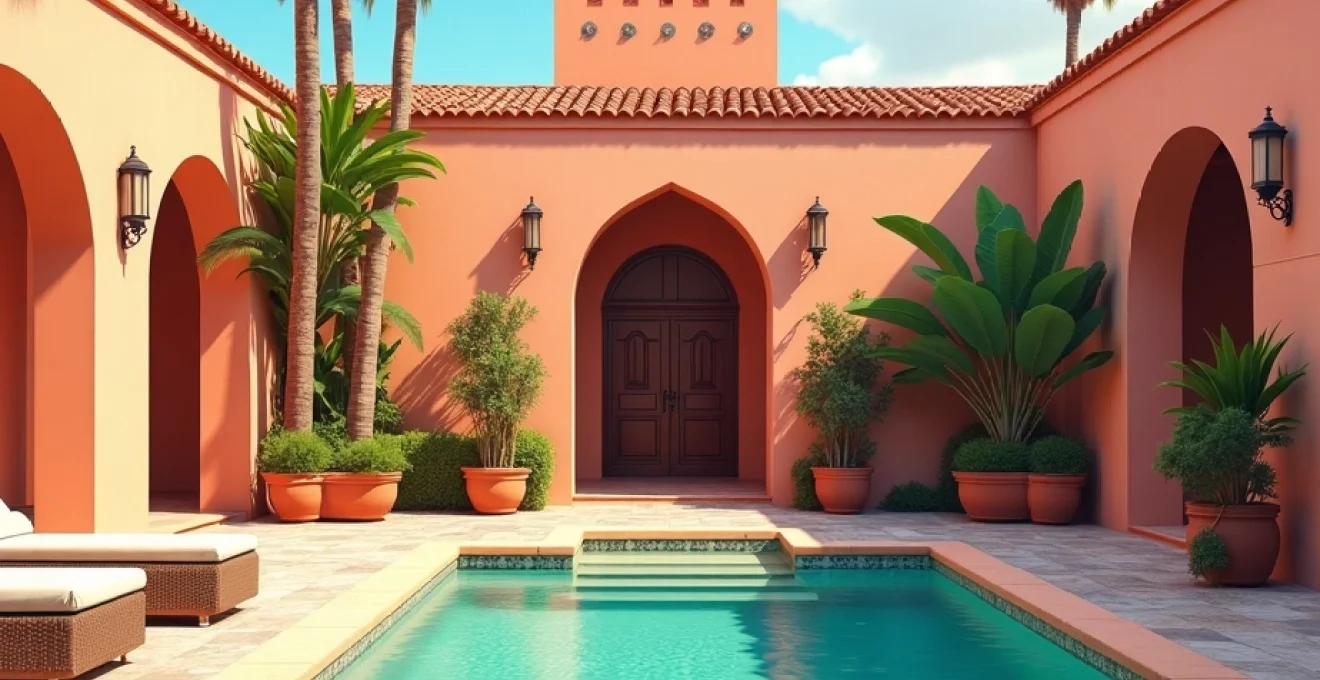
Marrakech’s ancient medina offers travellers an extraordinary opportunity to experience authentic Moroccan culture through its traditional riad accommodations. These historic courtyard houses, originally built for wealthy merchants and nobles, have been carefully transformed into intimate guesthouses that preserve centuries-old architectural traditions whilst providing modern comfort. Unlike conventional hotels, riads offer an immersive cultural experience that connects you directly with Morocco’s rich heritage, from the moment you step through their ornate wooden doors into tranquil inner courtyards adorned with intricate zellige tilework and flowing fountains.
The term “riad” derives from the Arabic word “ryad,” meaning garden, reflecting these properties’ distinctive design centred around verdant courtyards that serve as peaceful sanctuaries within the bustling medina. Each riad tells a unique story through its architectural elements, from hand-carved cedar ceilings to traditional tadelakt lime plaster walls that have been polished to a marble-like finish. Staying in a riad provides unparalleled access to local artisans, traditional hammam experiences, and authentic Moroccan cuisine prepared using time-honoured recipes.
Traditional riad architecture and authentic medina locations
The medina’s labyrinthine streets house over 1,500 riads, each showcasing distinctive architectural features that reflect Morocco’s diverse cultural influences spanning Berber, Arab, and Andalusian traditions. Traditional riad design follows Islamic principles of privacy and inward contemplation, with windowless exterior walls that give way to spectacular interior courtyards featuring geometrically perfect layouts divided into four sections around central water features. These architectural masterpieces demonstrate the sophisticated engineering of medieval Moroccan builders who created natural cooling systems using strategic air circulation and water features.
Authentic riads maintain their original structural elements whilst incorporating contemporary amenities essential for modern comfort. The restoration process requires skilled craftsmen who specialise in traditional techniques, from mixing natural pigments for intricate mosaic patterns to applying multiple layers of tadelakt plaster using specific stone tools. Many riads feature rooftop terraces offering panoramic views across the medina’s terracotta landscape towards the snow-capped Atlas Mountains, providing perfect settings for traditional mint tea ceremonies at sunset.
Historic derb dabachi quarter riads with original zellige tilework
The Derb Dabachi quarter represents one of the medina’s most authentically preserved neighbourhoods, housing riads that showcase exceptional examples of original 16th and 17th-century craftsmanship. Properties in this area feature extensive zellige mosaic work created using traditional firing techniques that produce the characteristic colour variations in each handmade tile. These riads offer guests the opportunity to experience living history through their meticulously preserved architectural details, including original carved cedar doors, decorative brass fixtures, and intricate stucco work that demonstrates the pinnacle of Moroccan artisanal achievement.
Bab doukkala district properties featuring andalusian courtyards
Bab Doukkala’s riads reflect the profound influence of Andalusian refugees who settled in Marrakech following the Reconquista, bringing sophisticated architectural concepts that enhanced local building traditions. These properties typically feature larger courtyards with elaborate fountain systems and extensive use of Carrara marble imported from Italy during the height of the trans-Saharan trade routes. The district’s riads often incorporate distinctive horseshoe arches and muqarnas ceiling decorations that create stunning interplays of light and shadow throughout the day, providing constantly evolving visual experiences for guests.
Mouassine neighbourhood riads with restored tadelakt walls
Mouassine neighbourhood riads are renowned for their exceptional tadelakt wall treatments, a traditional Moroccan plastering technique using limestone from the Marrakech region mixed with local soaps and polished with river stones to achieve a waterproof, lustrous finish. The restoration of tadelakt walls requires master craftsmen who guard closely-held family secrets passed down through generations, making these properties particularly valuable for experiencing authentic Moroccan building traditions. Many Mouassine riads feature hammam facilities with original tadelakt surfaces that demonstrate this technique’s practical and aesthetic applications.
Sidi ben slimane area accommodations in converted merchant houses
The Sidi Ben Slimane area houses former merchant residences converted into intimate riads that preserve original commercial architectural features, including ground-floor reception areas designed for conducting business and upper-level family quarters accessed through private staircases. These properties often feature distinctive storage alcoves and reinforced doorways that reflect their commercial heritage, whilst maintaining the elaborate decorative schemes that displayed their original owners’ wealth and status. Modern conversions have sensitively adapted these spaces to create guest accommodations that honour their mercantile history whilst providing contemporary comfort.
Luxury riad experiences in premium medina districts
Premium medina districts offer luxury riad experiences that combine authentic architectural heritage with world-class hospitality standards typically associated with international five-star hotels. These properties invest significantly in restoration projects that can span several years, employing master craftsmen to recreate historical decorative schemes using traditional materials and techniques. Luxury riads often feature private hammams, temperature-controlled plunge pools, and dedicated concierge services that arrange personalised cultural experiences, from private cooking classes with renowned local chefs to exclusive access to artisan workshops rarely open to tourists.
High-end riads frequently occupy former palatial residences with expansive courtyards capable of accommodating elaborate water features, mature citrus trees, and sophisticated lighting systems that transform spaces dramatically between day and evening. Many luxury properties offer comprehensive wellness facilities, including traditional hammam treatments performed by experienced therapists using authentic Moroccan products such as black soap made from olives and argan oil, followed by exfoliating treatments using kessa gloves that leave skin remarkably soft and rejuvenated.
La mamounia quarter Five-Star riads with spa hammams
La Mamounia quarter riads occupy prestigious locations near the legendary La Mamounia hotel, benefiting from the area’s established luxury infrastructure whilst maintaining intimate scales that provide personalised service impossible in large establishments. These properties typically feature professionally designed spa hammams with traditional heated marble slabs, elaborate mosaic work, and temperature-controlled pools that recreate authentic Moroccan bathing rituals. Five-star riads in this quarter often employ dedicated hammam attendants trained in traditional massage techniques using locally-sourced argan and rose oils that enhance the therapeutic benefits of the steam treatments.
Kasbah district palatial riads featuring rooftop terraces
Kasbah district palatial riads occupy former royal residences with extensive rooftop terraces offering unobstructed views towards the Atlas Mountains and across the medina’s historic skyline. These properties feature multiple courtyards connected by covered passages that provide natural cooling whilst maintaining privacy between different accommodation areas. The elevated terraces serve as outdoor dining venues where guests enjoy traditional Moroccan cuisine prepared by skilled chefs who specialise in recreating historical recipes using ingredients sourced from local markets, creating memorable dining experiences under star-filled desert skies.
Riad zitoun kedim boutique properties with private plunge pools
Riad Zitoun Kedim boutique properties incorporate private plunge pools seamlessly integrated into traditional courtyard designs, creating refreshing retreats that provide relief from Marrakech’s intense summer heat. These pools typically feature mosaic designs that complement the riad’s overall decorative scheme whilst incorporating modern filtration and heating systems that ensure year-round usability. The combination of authentic architecture with contemporary pool technology demonstrates how sensitive renovation can enhance traditional designs without compromising their historical integrity or cultural significance.
Ben youssef mosque area riads offering Michelin-Standard cuisine
Riads near the Ben Youssef Mosque collaborate with internationally trained chefs to offer dining experiences that rival Michelin-starred restaurants whilst maintaining authentic Moroccan culinary traditions. These properties feature professional kitchens capable of producing elaborate multi-course tasting menus that showcase regional specialities alongside innovative interpretations of classic dishes such as pastilla, tagine, and couscous preparations. Guests enjoy these exceptional meals in atmospheric dining rooms decorated with antique furnishings and illuminated by traditional brass lanterns that create intimate settings perfect for savouring complex Moroccan flavours paired with carefully selected regional wines.
Cultural immersion through riad guest activities and local workshops
Authentic riad experiences extend far beyond accommodation to encompass comprehensive cultural immersion programmes that connect guests with local artisans, musicians, and culinary experts who share their knowledge through hands-on workshops and demonstrations. These activities provide invaluable insights into Moroccan traditions that have survived largely unchanged for centuries , offering participants the opportunity to learn traditional crafts such as ceramic painting, metalwork, carpet weaving, and leather tooling directly from master craftspeople whose families have practised these skills for generations.
Many riads arrange exclusive visits to working artisan quarters where guests observe traditional production methods rarely witnessed by tourists, including the famous Marrakech tanneries where leather is still processed using techniques dating back to medieval times. Cooking classes conducted in riad kitchens typically begin with guided market visits where participants learn to select the finest ingredients whilst practising negotiation skills essential for successful souk shopping. These culinary experiences culminate in preparation of complete Moroccan meals featuring multiple courses that guests enjoy on rooftop terraces whilst learning about the cultural significance of various dishes and their role in Moroccan family traditions.
Traditional riad experiences create lasting connections between guests and Moroccan culture that continue to influence travellers long after their visits conclude, fostering appreciation for artisanal traditions and sustainable tourism practices.
Evening entertainment in riads often features private performances by local musicians specialising in traditional Gnawa music, Berber folk songs, or classical Andalusian compositions that echo through courtyard acoustics designed to enhance musical experiences. Some riads host storytelling sessions where local narrators share ancient Moroccan tales in multiple languages, creating magical atmospheres enhanced by the interplay of shadows cast by ornate lanterns against intricate wall decorations. These cultural programmes demonstrate how traditional Moroccan hospitality extends beyond providing accommodation to creating meaningful exchanges between visitors and local communities.
Budget-friendly riads maintaining authentic moroccan character
Budget-conscious travellers can enjoy authentic riad experiences without compromising on cultural immersion or architectural authenticity, as many smaller properties maintain traditional design elements and offer personalised service despite modest pricing structures. These affordable riads often provide more intimate experiences than luxury establishments due to their limited capacity and family-style management approaches that encourage genuine interactions between guests and hosts who are frequently the property owners themselves.
Smaller riads typically feature simpler but authentic decorative schemes using traditional materials and colour palettes that create atmospheres indistinguishable from their more expensive counterparts. Many budget properties occupy historic buildings with fascinating histories, including former merchant houses, religious schools, and family residences that provide authentic insights into traditional Moroccan domestic life. These riads often maintain original architectural features such as carved wooden balustrades, decorative plaster work, and traditional floor treatments using locally-quarried stones that demonstrate the same craftsmanship found in luxury properties.
The intimate scale of budget riads enables hosts to provide personalised recommendations for exploring the medina, often sharing family secrets such as the best local restaurants, hidden architectural gems, and optimal times for visiting popular attractions whilst avoiding crowds. Many affordable properties include traditional Moroccan breakfasts featuring fresh bread, local honey, preserved lemons, olives, and mint tea served in authentic settings that provide genuine cultural experiences impossible to replicate in larger establishments. These budget-friendly options prove that authentic Moroccan hospitality and cultural immersion depend more on genuine human connections than luxury amenities.
Strategic riad locations for exploring marrakech’s UNESCO heritage sites
Marrakech’s medina, designated as a UNESCO World Heritage Site in 1985, contains numerous historically significant monuments and architectural complexes that are easily accessible from strategically located riads. Properties positioned near major heritage sites provide convenient access whilst offering peaceful retreats from the intense activity surrounding popular attractions such as Jemaa el-Fnaa square, the Kutubiyya Mosque, and the Saadian Tombs. These locations enable guests to explore UNESCO sites during optimal viewing times whilst avoiding peak tourist periods that can diminish the contemplative experiences these sacred and historical spaces were designed to provide.
Riads located within walking distance of the Ben Youssef Madrasa, one of the largest theological colleges in North Africa, provide access to extraordinary examples of Marinid architecture featuring intricate wood carving, geometric tilework, and calligraphic decorations that represent the pinnacle of Moroccan Islamic art. Similarly, properties near the Bahia Palace offer convenient access to this 19th-century architectural masterpiece that demonstrates the evolution of Moroccan decorative arts through its combination of traditional and contemporary design elements reflecting French colonial influences.
Strategic riad locations transform UNESCO heritage site visits from rushed tourist experiences into contemplative cultural journeys that reveal the deep historical significance underlying Marrakech’s architectural treasures.
The proximity to heritage sites also enables guests to experience these spaces during different times of day when changing light conditions reveal various aspects of their architectural details and create dramatically different atmospheres. Early morning visits to the Saadian Tombs, for example, provide opportunities to appreciate the intricate Carrara marble work and cedar wood ceilings without crowds, whilst evening approaches to the Kutubiyya Mosque offer spectacular views of the minaret illuminated against desert skies. These strategic locations demonstrate how accommodation choices significantly influence the depth and quality of cultural experiences available to visitors seeking authentic connections with Marrakech’s remarkable heritage.
Seasonal considerations and optimal booking strategies for riad accommodation
Marrakech’s desert climate creates distinct seasonal patterns that significantly influence riad experiences, from the intense summer heat that makes rooftop terraces uncomfortable during midday hours to the surprisingly cool winter nights when traditional heating systems become essential for comfort. Understanding these seasonal variations enables travellers to select optimal visit times that align with their comfort preferences and activity priorities whilst taking advantage of pricing fluctuations that can result in significant savings during off-peak periods.
Spring months from March through May offer ideal conditions for experiencing riad courtyards and rooftop spaces, with comfortable temperatures that encourage outdoor dining and extended exploration of the medina’s pedestrian-only streets. During this period, riad gardens reach peak bloom with jasmine, orange blossoms, and roses creating intoxicating fragrances that enhance the sensory experience of courtyard relaxation. Autumn months from October through November provide similar conditions with the added benefit of harvest season activities, including opportunities to participate in traditional olive and date collection processes that many riads arrange for interested guests.
| Season | Temperature Range | Riad Experience | Booking Considerations |
|---|---|---|---|
| Spring (Mar-May) | 18-28°C | Peak courtyard comfort | Book 3-4 months advance |
| Summer (Jun-Aug) | 25-40°C | Pool/hammam focus | Significant discounts available |
| Autumn (Sep-Nov) | 20-30°C | Optimal rooftop dining | High demand, early booking essential |
| Winter (Dec-Feb) | 8-20°C | Indoor courtyard appreciation | Moderate pricing, flexible booking |
Booking strategies for riad accommodation require understanding that these intimate properties typically offer limited room availability, often featuring fewer than ten guest accommodations that can sell out rapidly during peak seasons or special events such as the Marrakech International Film Festival or various cultural celebrations throughout the year. Early booking becomes essential for securing preferred properties , particularly for riads with unique features such as private pools, exceptional locations, or renowned restaurants that attract repeat visitors and positive reviews from travel publications.
Advanced booking also enables guests to secure special arrangements such as airport transfers that navigate the medina’s car-free zones, private dining experiences featuring specific regional cuisines, or exclusive access to artisan workshops that require advance coordination with local craftspeople. Many exceptional riads maintain waiting lists for popular periods, making it worthwhile to register interest even when initial availability appears limited. The intimate nature of riad hospitality means that owners often accommodate special requests and work creatively to ensure memorable experiences for guests who demonstrate genuine appreciation for Moroccan culture and traditional architectural heritage.
The most successful riad bookings often result from direct communication with property owners or managers who can provide detailed information about specific room features, seasonal variations in local activities, and recommendations for maximising cultural immersion opportunities during different times of year. These personal connections frequently lead to enhanced experiences including upgraded accommodations, special dining arrangements, or invitations to participate in local celebrations that transform standard visits into extraordinary cultural adventures that create lasting memories and deep appreciation for Morocco’s rich traditional heritage.