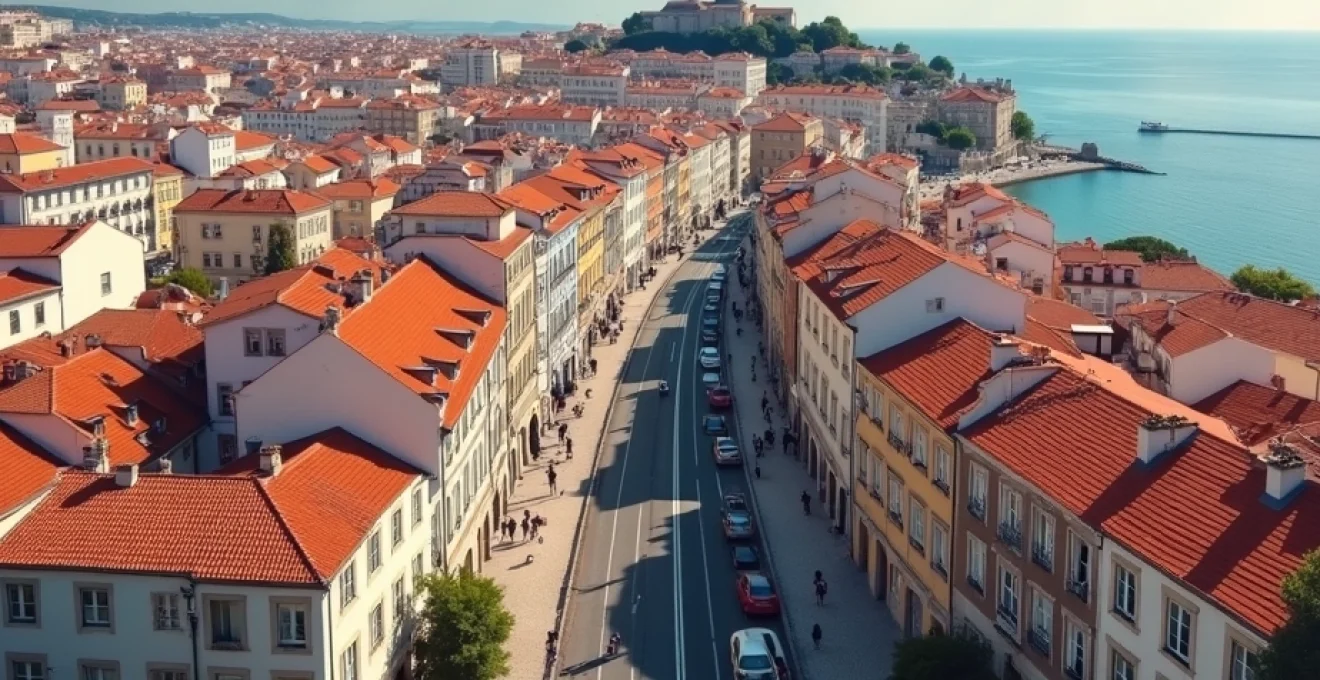
Lisbon stands as one of Europe’s most captivating capitals, where centuries-old traditions blend seamlessly with contemporary urban energy. The Portuguese capital’s distinctive seven hills create a tapestry of neighbourhoods, each offering unique character and experiences for visitors. Portugal’s largest city presents first-time travellers with an exciting challenge: choosing the perfect district to call home during their exploration of this remarkable destination.
The city’s compact historic centre makes most attractions accessible on foot, yet the personality of each quarter varies dramatically. From the grand squares and neoclassical architecture of Baixa to the winding medieval streets of Alfama, your choice of accommodation significantly influences your Lisbon experience. Understanding these neighbourhood distinctions proves essential for creating memorable Portuguese adventures tailored to your travel preferences and interests.
Baixa and chiado: historic city centre for cultural immersion
The heart of Lisbon beats strongest in the interconnected districts of Baixa and Chiado, where centuries of Portuguese history unfold across elegant squares and bustling commercial streets. This central location offers first-time visitors unparalleled access to major attractions, world-class museums, and authentic Portuguese dining experiences. The area’s strategic position makes it the ideal base for those seeking maximum convenience and cultural immersion.
Baixa, literally meaning “lower town,” showcases the remarkable urban planning vision of the Marquis of Pombal following the devastating 1755 earthquake. The district’s grid-pattern streets and uniform neoclassical buildings create a harmonious architectural ensemble rarely found in European capitals. Pombaline architecture defines the neighbourhood’s character, with buildings featuring distinctive azulejo tiles and wrought-iron balconies that capture the essence of Portuguese design aesthetics.
Chiado represents Lisbon’s most sophisticated shopping and cultural quarter, where luxury boutiques neighbour traditional Portuguese shops and century-old cafés. The district’s literary heritage runs deep, with numerous bookshops, theatres, and cultural venues creating an intellectually stimulating atmosphere. Fernando Pessoa, Portugal’s most celebrated poet, frequently strolled these streets, and his bronze statue outside Café A Brasileira serves as a popular meeting point for visitors and locals alike.
The combination of Baixa and Chiado offers visitors the perfect introduction to Lisbon’s multifaceted personality, balancing commercial vibrancy with cultural depth in an architecturally stunning setting.
Rossio square and rua augusta pedestrian zone accommodation
Rossio Square, formally known as Praça de Dom Pedro IV, serves as Lisbon’s unofficial town centre and provides excellent accommodation proximity to major transport links. Hotels surrounding this iconic square offer guests immediate access to the distinctive wave-patterned calçada portuguesa pavement and the beautiful Dona Maria II National Theatre. The square’s central fountain and column create a picturesque setting that epitomises Portuguese urban elegance.
The nearby Rua Augusta pedestrian zone extends southward from Rossio toward the Tagus River, creating a vibrant corridor of shops, restaurants, and street entertainment. Staying near this area ensures you’re never far from authentic Portuguese experiences, from sampling fresh pastéis de nata to discovering local artisan workshops. The pedestrianised nature of Rua Augusta makes it particularly appealing for families with children or visitors who prefer car-free exploration.
Santa justa elevator proximity and carmo convent access
Accommodation near the historic Santa Justa Elevator provides unique advantages for exploring Lisbon’s vertical dimension. This iron lift, designed by Raoul Mesnier du Ponsard (a student of Gustave Eiffel), connects the lower Baixa district with the elevated Bairro Alto neighbourhood. Hotels within walking distance of this landmark offer guests convenient access to one of the city’s most photographed monuments and spectacular panoramic views.
The nearby Carmo Convent ruins tell a poignant story of the 1755 earthquake that reshaped Lisbon’s destiny. The Gothic arches standing open to the sky create a haunting memorial to that catastrophic day. Staying in this vicinity allows for contemplative morning or evening visits to this significant historical site, when fewer crowds permit deeper reflection on Lisbon’s resilient spirit.
Rua das portas de santo antão restaurant district location
This narrow pedestrian street represents Lisbon’s gastronomic heart, where traditional marisqueiras (seafood restaurants) serve the freshest catches alongside time-honoured Portuguese classics. Hotels positioned near Rua das Portas de Santo Antão place guests at the centre of Lisbon’s culinary scene, with easy access to authentic dining experiences ranging from casual tascas to elegant establishments.
The street’s evening atmosphere transforms into a lively promenade where locals and visitors alike sample Portuguese wines and traditional dishes like grilled sardines, bacalhau preparations, and hearty cozido à portuguesa. This proximity to authentic dining venues proves invaluable for food enthusiasts seeking genuine Portuguese flavours without tourist-trap pricing or commercialised presentations.
Terreiro do paço commerce square walking distance
Staying within easy walking distance of Terreiro do Paço (Commerce Square) provides access to one of Europe’s most impressive waterfront squares. This vast yellow-columned plaza facing the Tagus River serves as Lisbon’s grand entrance from the water and offers stunning sunrise photography opportunities. The square’s elegant arcades house government offices, upscale restaurants, and the famous Café Martinho da Arcada, where Fernando Pessoa once dined regularly.
The triumphant Rua Augusta Arch frames the square’s northern boundary, creating a majestic gateway between the commercial district and the river. Hotels nearby benefit from this proximity to both historical grandeur and modern amenities, including the underground Carris Museum and various river cruise departure points for exploring the Tagus estuary.
Bairro alto: nightlife hub and traditional fado quarter
Bairro Alto presents a fascinating duality that captures Lisbon’s contrasting rhythms throughout the day and night. During daylight hours, this hilltop neighbourhood reveals itself as a charming residential quarter with narrow cobblestone streets, traditional shops, and peaceful squares perfect for morning coffee or afternoon exploration. However, as evening approaches, Bairro Alto transforms into Portugal’s most vibrant nightlife destination, where tiny bars spill onto medieval streets and traditional fado houses echo with soulful Portuguese music.
The neighbourhood’s name literally translates to “high neighbourhood,” reflecting its elevated position above the city centre. This topographical advantage provides numerous miradouros (viewpoints) offering spectacular panoramas across Lisbon’s terracotta rooftops to the glittering Tagus River beyond. The area’s 16th-century origins as a planned expansion outside Lisbon’s medieval walls created the regular grid pattern that distinguishes it from the organic medieval layout of nearby Alfama.
Accommodation in Bairro Alto suits travellers seeking authentic Portuguese nightlife experiences and traditional culture. The district houses some of Lisbon’s most respected fado venues, where the haunting Portuguese musical tradition continues in intimate settings unchanged for generations. However, potential guests should consider their tolerance for nighttime noise, as the area’s popularity with young locals and international visitors creates a lively atmosphere that extends well into the early morning hours.
Bairro Alto represents the perfect synthesis of traditional Portuguese culture and contemporary urban energy, offering visitors an authentic taste of Lisbon’s dual personality as both historic capital and modern European city.
Miradouro da senhora do monte viewpoint accessibility
While technically located in the neighbouring Graça district, Miradouro da Senhora do Monte remains easily accessible from Bairro Alto accommodation and offers arguably the finest panoramic views in Lisbon. This elevated vantage point provides sweeping vistas encompassing the Tagus River, the red-tiled rooftops of the historic centre, and the distant Cristo Rei statue across the water. The viewpoint’s relative obscurity compared to more famous miradouros means fewer crowds and more opportunities for contemplative moments.
The walk to Senhora do Monte from Bairro Alto hotels involves navigating Lisbon’s characteristic steep streets and stone staircases, providing an authentic experience of the city’s topographical challenges. Early morning visits reward guests with golden light illuminating the cityscape, while sunset viewing sessions offer romantic settings enhanced by the viewpoint’s small chapel and peaceful atmosphere.
Rua do norte and rua da atalaia bar crawl proximity
These two parallel streets form the epicentre of Bairro Alto’s legendary nightlife scene, where dozens of tiny bars create an atmosphere unlike anywhere else in Europe. The area’s unique character stems from its democratic approach to nightlife, where expensive cocktail lounges neighbour hole-in-the-wall establishments serving cheap beer and Portuguese wine. This diversity attracts everyone from university students to seasoned locals celebrating traditional Portuguese drinking culture.
Hotels positioned near these streets provide immediate access to Lisbon’s most authentic nightlife experience, where conversations flow between strangers sharing small outdoor tables and traditional Portuguese folk songs occasionally emerge from crowded interiors. The area’s compact nature means bar-hopping involves minimal walking, allowing visitors to sample different atmospheres and music styles within a few hundred metres.
Elevador da bica funicular transport connections
The historic Bica funicular provides charming transportation connections between Bairro Alto and the riverfront Cais do Sodré district, where the famous pink street (Rua Nova do Carvalho) offers additional nightlife options. This yellow tram, operating since 1892, navigates one of Lisbon’s steepest gradients while providing passengers with unique photographic opportunities and glimpses into traditional Portuguese transportation solutions.
Staying near the Bica funicular’s upper terminus offers practical advantages beyond the charming commute experience. The location provides easy access to both the cultural attractions of downtown Lisbon and the contemporary galleries and restaurants of the emerging LX Factory district in nearby Alcântara. This strategic position makes Bica-adjacent accommodation particularly valuable for visitors planning diverse explorations across multiple Lisbon neighbourhoods.
Traditional fado houses tasca do chico and sr. fado
Bairro Alto houses several of Lisbon’s most authentic fado venues, where this UNESCO-recognised Portuguese musical tradition continues in intimate settings that preserve the art form’s emotional intensity and cultural significance. Tasca do Chico represents the neighbourhood’s most traditional approach to fado, where local singers perform for neighbourhood regulars in a tiny tavern atmosphere that feels more like someone’s living room than a commercial venue.
Sr. Fado offers a slightly more structured fado experience while maintaining the authentic atmosphere that distinguishes genuine fado houses from tourist-oriented performances elsewhere in the city. The venue’s intimate setting and respectful audience create the proper environment for appreciating fado’s complex emotional range, from melancholic saudade to triumphant celebration of Portuguese identity and experience.
Príncipe real: upscale design quarter with boutique hotels
Príncipe Real epitomises Lisbon’s sophisticated side, where tree-lined avenues, designer boutiques, and carefully curated galleries create an atmosphere of refined urban living. This upscale neighbourhood attracts discerning travellers seeking luxury accommodation combined with authentic Portuguese culture, away from the tourist crowds that sometimes overwhelm more central districts. The area’s 19th-century mansions and contemporary design hotels provide elegant bases for exploring Lisbon’s cultural offerings while enjoying peace and tranquillity.
The neighbourhood’s central garden, Jardim do Príncipe Real, serves as a green oasis where century-old trees provide shade for outdoor cafés and weekend markets showcasing local artisan products. This park atmosphere creates a village-like feeling within the urban environment, where residents and visitors alike gather for morning coffee, afternoon reading sessions, or evening aperitivos. The garden’s distinctive kiosk and surrounding boutiques make it a perfect example of how Lisbon balances urban density with quality of life considerations.
Design enthusiasts particularly appreciate Príncipe Real’s commitment to contemporary Portuguese creativity, with numerous galleries, design studios, and concept stores showcasing emerging local talent alongside established international brands. The neighbourhood’s commitment to preserving architectural heritage while embracing modern innovation creates a unique aesthetic that influences accommodation choices throughout the area. Boutique hotels in Príncipe Real often occupy restored palaces or mansions, providing guests with historically significant settings enhanced by contemporary luxury amenities.
The area’s excellent restaurant scene reflects Portugal’s evolving culinary landscape, where traditional techniques meet international influences in sophisticated presentations. Many establishments source ingredients from local markets and regional producers, creating menus that celebrate Portuguese terroir while appealing to cosmopolitan tastes. This gastronomic sophistication makes Príncipe Real particularly attractive for food-focused travellers seeking dining experiences that extend beyond traditional tourist fare.
Transportation connections from Príncipe Real include multiple bus routes and easy walking access to central Lisbon attractions, though the neighbourhood’s elevated position means some uphill walking when returning from downtown excursions. This minor inconvenience is often considered worthwhile by guests who appreciate the district’s peaceful atmosphere and sophisticated amenities, particularly during Lisbon’s busy summer season when central areas can become uncomfortably crowded.
Alfama: medieval labyrinth and authentic portuguese living
Alfama represents Lisbon at its most authentic and historically preserved, where narrow medieval streets wind between ancient buildings that survived the catastrophic 1755 earthquake. This oldest neighbourhood in the Portuguese capital maintains an atmosphere virtually unchanged for centuries, where residents still hang laundry from wrought-iron balconies and traditional taverns serve grilled sardines to multigenerational local families. The district’s labyrinthine layout creates a sense of discovery around every corner, with hidden courtyards, tiny churches, and spectacular viewpoints revealing themselves to patient explorers.
The neighbourhood’s steep topography presents both challenges and rewards for accommodation seekers. While navigating the stone staircases and narrow alleys requires good mobility and sturdy footwear, the effort is rewarded with stunning views across the Tagus River and access to some of Lisbon’s most atmospheric dining and entertainment venues. Traditional guesthouses and converted palaces offer accommodation that ranges from budget-friendly rooms in family-run establishments to luxury suites in carefully restored historical buildings.
Alfama’s evening atmosphere transforms the neighbourhood into a magical setting where fado music echoes from restaurant courtyards and tiny bars, creating an authentic soundtrack to Portuguese urban life. The area’s resistance to gentrification means visitors encounter genuine local culture rather than sanitised tourist experiences, though this authenticity sometimes comes with practical considerations like limited parking and occasional noise from neighbourhood celebrations.
Alfama offers visitors the rare opportunity to experience European medieval urban living in its most authentic form, where centuries-old traditions continue alongside modern amenities in a setting virtually unchanged since Portugal’s golden age of exploration.
Largo do chafariz de dentro traditional guesthouse options
This small square near Alfama’s eastern boundary provides access to some of the neighbourhood’s most charming traditional accommodation options, where family-run guesthouses occupy buildings that have housed travellers for generations. The area’s proximity to the Tagus River creates cooling breezes during Lisbon’s hot summer months, while the square’s historic fountain and surrounding traditional architecture provide an immersive historical setting for visitors seeking authentic Portuguese experiences.
Guesthouses around Largo do Chafariz de Dentro typically feature original architectural elements like azulejo tiles, wooden beam ceilings, and traditional Portuguese furnishings that create intimate, home-like atmospheres. These establishments often provide personalised service from owners who possess generations of local knowledge, offering guests insider recommendations for hidden restaurants, secret viewpoints, and authentic cultural experiences unavailable to typical tourists.
Fado museum and casa de linhares cultural proximity
The Fado Museum’s location in Alfama’s heart makes nearby accommodation particularly valuable for visitors interested in understanding Portugal’s national musical tradition. This comprehensive cultural institution traces fado’s evolution from working-class neighbourhood expression to UNESCO-recognised intangible cultural heritage, providing essential context for experiencing live performances in surrounding venues. The museum’s interactive exhibits and historical recordings create deeper appreciation for the musical experiences available throughout Alfama’s traditional taverns and fado houses.
Casa de Linhares represents one of Alfama’s most prestigious fado venues, where professional singers perform in an elegant setting that attracts both serious music enthusiasts and cultural tourists seeking high-quality Portuguese entertainment. Accommodation near this venue provides evening entertainment within walking distance, eliminating concerns about late-night transportation while ensuring access to some of the finest fado performances available in contemporary Lisbon.
Tram 28 route integration for neighbourhood exploration
Alfama’s integration with the famous Tram 28 route provides guests with convenient access to other historic neighbourhoods while offering one of Lisbon’s most iconic tourist experiences. This vintage yellow tram navigates
the steep cobblestone streets that define Alfama’s historic character while connecting passengers to broader Lisbon attractions including Bairro Alto, Estrela, and the city centre. Hotels positioned along or near the tram route benefit from this convenient transportation option, though guests should prepare for crowded conditions during peak tourist seasons.The tram’s slow pace through Alfama’s narrow streets creates opportunities for spontaneous exploration, as passengers can observe daily neighbourhood life through the vintage vehicle’s large windows. This integration between historic transportation and accommodation location allows visitors to experience authentic Lisbon urban rhythms while maintaining easy access to other districts and attractions across the Portuguese capital.
São jorge castle ramparts and miradouro da graça views
São Jorge Castle’s commanding position above Alfama creates one of Europe’s most spectacular urban fortress experiences, where medieval ramparts frame panoramic views across Lisbon’s terracotta rooftops to the Tagus River estuary. Accommodation within walking distance of the castle grounds provides guests with exclusive access during early morning hours when golden light illuminates the ancient walls and peacocks roam freely through the archaeological gardens. The castle’s rich history spanning Roman, Visigothic, and Moorish occupations offers cultural depth rarely found in purely decorative tourist attractions.
Miradouro da Graça, positioned adjacent to Alfama’s northern boundary, delivers arguably the finest sunset viewing experience in Lisbon from its elevated terrace overlooking the castle and river beyond. Hotels near this viewpoint enable guests to enjoy romantic evening aperitivos while watching the city transform from daylight bustle to illuminated evening elegance. The nearby Graça Church and its peaceful gardens provide additional cultural attractions within comfortable walking distance of Alfama accommodation options.
Santos design district: riverside contemporary accommodation
Santos represents Lisbon’s most dynamic creative quarter, where converted warehouses house cutting-edge galleries, design studios, and contemporary restaurants that attract Portugal’s emerging artistic talent alongside international visitors seeking authentic cultural experiences. This riverside neighbourhood demonstrates how historic industrial architecture can be successfully transformed into vibrant urban communities without losing essential character or displacing existing residents. The area’s commitment to balancing preservation with innovation creates a unique atmosphere that appeals to design-conscious travellers and cultural enthusiasts.
The district’s proximity to the Tagus River provides cooling breezes during summer months while offering scenic walking and cycling paths that connect Santos to central Lisbon and the historic Belém district. Modern boutique hotels and converted loft apartments take advantage of the area’s industrial heritage, featuring exposed brick walls, high ceilings, and large windows that showcase the neighbourhood’s architectural evolution. These accommodation options particularly appeal to guests seeking contemporary comfort within historically significant settings.
Santos’ evening dining scene reflects Portugal’s evolving culinary landscape, where innovative chefs experiment with traditional techniques and local ingredients in sophisticated presentations that rival Europe’s top gastronomic destinations. The neighbourhood’s LX Factory serves as a cultural hub where art exhibitions, live music venues, and trendy restaurants operate within a former industrial complex that exemplifies successful urban regeneration. This creative energy makes Santos accommodation particularly attractive for visitors interested in contemporary Portuguese culture beyond traditional tourist attractions.
Transportation connections include regular bus services to central Lisbon and the nearby train station providing direct access to coastal destinations like Cascais and Estoril. The area’s relatively flat topography makes cycling a popular option for exploring both Santos and adjacent neighbourhoods, with many hotels offering bicycle rental services. This accessibility combined with the district’s creative atmosphere creates ideal conditions for extended stays focused on cultural exploration and artistic discovery.
Santos demonstrates how thoughtful urban development can preserve industrial heritage while creating dynamic contemporary communities that enhance rather than replace existing neighbourhood character and cultural identity.
Transportation infrastructure and metro line connectivity analysis
Lisbon’s comprehensive public transportation network ensures that accommodation choices across different neighbourhoods maintain excellent connectivity to major attractions, business districts, and cultural venues throughout the Portuguese capital. The metro system’s four colour-coded lines (Blue, Yellow, Green, and Red) intersect at strategic points that provide efficient transfers between residential areas and tourist destinations. Understanding these transportation patterns proves essential for selecting accommodation that balances neighbourhood character with practical mobility requirements.
The Blue Line connects the riverfront areas including Cais do Sodré and Santos with the modern business district around Marquês de Pombal, while providing direct airport access via the Red Line interchange at São Sebastião station. Hotels positioned near Blue Line stations benefit from this strategic connectivity, particularly for business travellers requiring frequent airport transfers or tourists planning day trips to coastal destinations accessible from Cais do Sodré train station.
Yellow and Green Lines serve the historic centre most effectively, with stations at Rossio, Chiado, and Terreiro do Paço providing excellent access to Baixa’s major attractions and shopping areas. Accommodation near these central stations eliminates concerns about late-evening transportation, as metro services operate until 1:00 AM on weekdays and 2:00 AM on weekends. The integration between metro stations and historic tram routes creates additional transportation flexibility for guests exploring Alfama, Bairro Alto, and other hillside neighbourhoods where metro access remains limited.
Bus networks complement metro coverage by serving areas like Príncipe Real, Estrela, and the eastern districts where topographical challenges prevented metro construction. These comprehensive bus routes operate frequently throughout the day and provide essential connections between accommodation areas and attractions not directly accessible via metro lines. Many hotels provide guests with detailed public transportation maps and smartphone applications that simplify route planning and real-time schedule monitoring.
The integrated Navegante card system enables seamless transfers between metro, bus, tram, and ferry services using a single payment method that offers significant cost savings compared to individual tickets. This unified approach to public transportation pricing makes it economically practical for visitors to choose accommodation based on neighbourhood preferences rather than transportation concerns, as excellent connectivity remains available throughout central Lisbon regardless of specific location choices.
Taxi and ride-sharing services provide additional transportation flexibility, particularly for late-night activities or when carrying luggage between accommodation and transportation hubs. However, Lisbon’s narrow streets and heavy traffic during peak hours can make these services slower and more expensive than public transportation for routine daily travel. Most experienced visitors combine public transportation for regular sightseeing with occasional taxi use for specific circumstances like airport transfers or late-evening returns from restaurants and entertainment venues.
Walking remains the most rewarding transportation method for exploring Lisbon’s historic neighbourhoods, where narrow medieval streets and hidden courtyards reveal architectural details and cultural experiences unavailable to passengers in vehicles. However, the city’s famous seven hills require good physical conditioning and comfortable footwear, particularly when staying in elevated areas like Bairro Alto or Alfama. Many visitors find that combining walking with strategic use of elevators, funiculars, and metro escalators creates the optimal balance between authentic exploration and practical mobility throughout their Portuguese capital adventure.