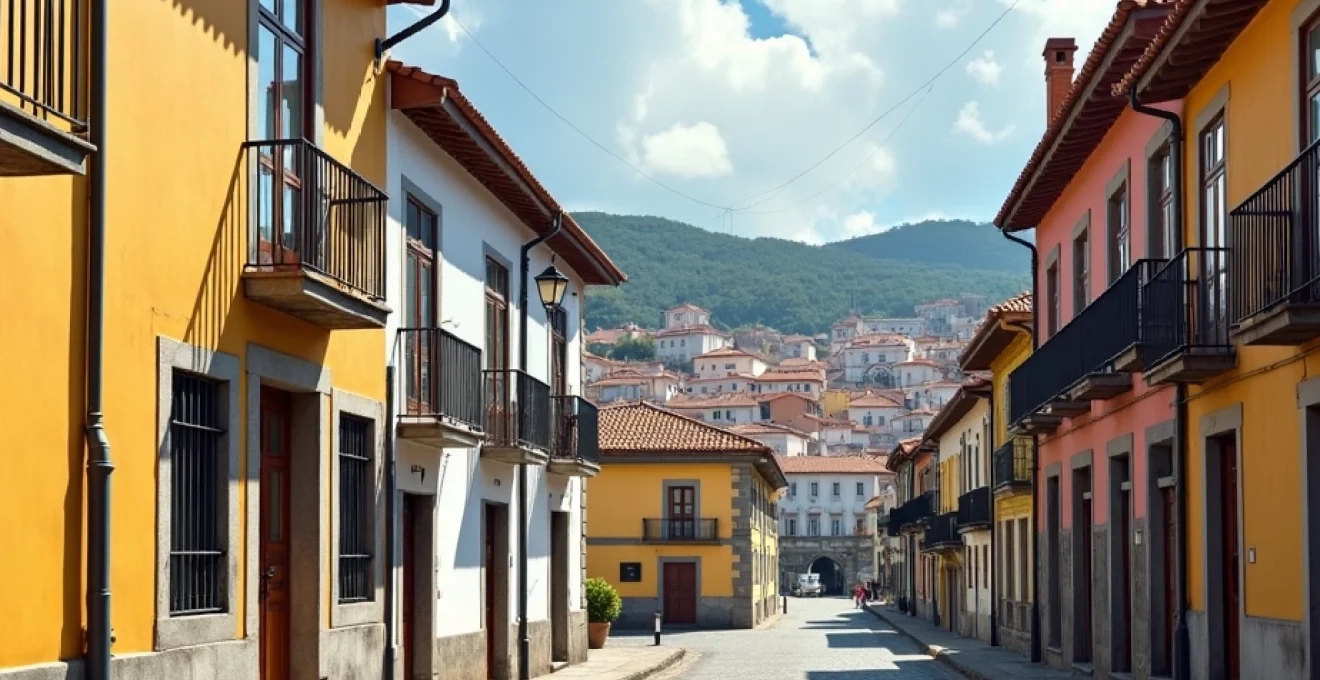
Northern Portugal stands as one of Europe’s most rewarding destinations for travellers seeking genuine cultural encounters beyond the typical tourist trail. This captivating region offers an extraordinary blend of ancient traditions, artisanal craftsmanship, and rural authenticity that remains largely untouched by mass tourism. From the granite villages of Peneda-Gerês National Park to the terraced vineyards of the Douro Valley, northern Portugal presents countless opportunities to engage with local communities and experience centuries-old traditions firsthand.
The region’s appeal lies not merely in its stunning landscapes, but in the living heritage preserved by local artisans, vintners, and craftspeople who continue practising skills passed down through generations. Whether you’re drawn to traditional pottery workshops in Barcelos, sacred art conservation at Braga’s monasteries, or foot-treading wine production methods in Douro quintas, northern Portugal offers immersive experiences that connect you directly with Portuguese culture and tradition.
Minho region cultural immersion: traditional craftsmanship and heritage villages
The Minho region represents the cultural heartland of northern Portugal, where traditional crafts and folk customs remain integral to daily life. This verdant area, characterised by its green wine production and medieval architecture, provides exceptional opportunities to witness artisans practising centuries-old techniques. The region’s numerous heritage villages serve as living museums where visitors can observe blacksmiths forging agricultural tools, weavers creating traditional textiles, and stonemasons carving granite using methods unchanged for generations.
Local quintas throughout Minho offer immersive agricultural experiences, particularly during harvest seasons when families gather to pick grapes using traditional methods. These working farms welcome visitors to participate in daily activities, from feeding livestock to learning about organic farming techniques that have sustained these communities for centuries. The region’s commitment to preserving traditional knowledge creates authentic learning opportunities rarely found elsewhere in Europe.
Ponte de lima medieval architecture and vinho verde quintas
Ponte de Lima, Portugal’s oldest town, provides an exceptional setting for experiencing medieval Portuguese architecture alongside traditional wine production. The town’s iconic Roman bridge, dating from the 14th century, spans the Lima River and serves as a magnificent backdrop for exploring narrow cobblestone streets lined with granite houses featuring distinctive balcões (wooden balconies) and traditional tile work.
Local quintas surrounding Ponte de Lima specialise in producing Vinho Verde using traditional methods that emphasise terroir expression. These family-owned estates offer hands-on experiences in grape cultivation, including pruning techniques specific to the region’s unique enforcado vine training system. Visitors can participate in harvest activities, learn about natural fermentation processes, and understand how Minho’s specific microclimate influences wine characteristics.
Barcelos ceramic artisan workshops and galo de barcelos folklore
Barcelos serves as Portugal’s undisputed centre for traditional ceramics, where local artisans continue producing the famous Galo de Barcelos (Rooster of Barcelos) alongside countless other pottery items using techniques dating back centuries. Local workshops welcome visitors to observe master potters working with traditional wood-fired kilns and natural clay sourced from nearby riverbanks.
The weekly Thursday market in Barcelos transforms the town into a vibrant showcase of regional craftsmanship, where over 500 vendors display handmade ceramics, textiles, woodwork, and agricultural products. This market experience allows visitors to interact directly with artisans, understand traditional production methods, and purchase authentic pieces while supporting local craftspeople. Many vendors are willing to demonstrate their techniques and share stories about family traditions passed down through generations.
Viana do castelo traditional costume embroidery and maritime heritage
Viana do Castelo stands out for its remarkable preservation of traditional costume embroidery and maritime cultural practices. Local embroidery workshops offer intensive courses in bordado de Viana , a distinctive needlework style characterised by intricate gold thread work and symbolic motifs representing local folklore. These workshops, often conducted in historic buildings overlooking the Lima River estuary, provide intimate settings for learning this UNESCO-recognised craft.
The town’s maritime heritage comes alive through traditional fishing boat restoration projects and sardine fishing expeditions. Local fishermen welcome visitors aboard traditional traineiras (fishing boats) to experience authentic Portuguese fishing methods, learn about sustainable practices, and understand how maritime traditions continue shaping local identity. The experience concludes with preparing and sharing the catch using traditional grilling techniques passed down through fishing families.
Braga sacred art conservation techniques at bom jesus sanctuary
Braga’s Bom Jesus do Monte Sanctuary offers unique opportunities to observe sacred art conservation and traditional craftsmanship in active religious settings. The sanctuary’s ongoing restoration projects welcome visitors to witness master craftsmen working on baroque woodcarving, gilt restoration, and traditional fresco techniques. These experiences provide rare insights into specialised skills required for maintaining Portugal’s religious artistic heritage.
Local workshops adjacent to the sanctuary offer courses in traditional religious art techniques, including gold leaf application, pigment preparation from natural materials, and wooden sculpture restoration. Participants learn about the spiritual significance of various artistic elements while gaining hands-on experience with conservation methods used throughout Portuguese religious buildings.
Douro valley viticulture terroir and schist terrace agriculture
The Douro Valley represents one of the world’s most spectacular examples of terraced agriculture, where traditional viticulture methods continue producing exceptional wines on steep schist slopes. This UNESCO World Heritage landscape offers unparalleled opportunities to understand how human ingenuity and natural conditions combine to create unique agricultural systems. Local quintas throughout the region maintain traditional farming practices, providing authentic experiences for visitors seeking to understand Portuguese wine culture beyond commercial tourism.
The valley’s unique terroir results from complex interactions between schist soil composition, river microclimates, and centuries of human intervention in landscape modification. Traditional vineyard management requires specialised knowledge of slope orientation, drainage systems, and grape variety selection specific to individual microclimates within the broader Douro region. These factors create exceptional learning opportunities for visitors interested in understanding how geography, climate, and human expertise combine to produce world-renowned wines.
Beyond wine production, the Douro Valley maintains traditional agricultural practices including olive cultivation, almond growing, and small-scale livestock farming. Many local families continue practising polyculture farming methods that maximise land use efficiency while preserving biodiversity. These traditional approaches offer valuable insights into sustainable agriculture and demonstrate how local communities have adapted to challenging geographical conditions over centuries.
Quinta da pacheca traditional Foot-Treading methods
Quinta da Pacheca stands among the Douro Valley’s most respected estates for maintaining authentic foot-treading wine production methods. During harvest season, visitors can participate in traditional pisa a pé (foot treading) in granite lagares (treading tanks), experiencing the physical demands and rhythmic techniques essential for proper grape crushing. This hands-on participation provides deep appreciation for the skill and coordination required in traditional winemaking.
The quinta’s commitment to traditional methods extends beyond foot treading to include indigenous yeast fermentation, traditional balseiro storage systems, and seasonal timing based on lunar cycles and weather patterns. Visitors learn about quality control methods that rely on sensory evaluation rather than modern technology, understanding how generations of winemakers developed expertise through direct experience and careful observation.
Pinhão railway station azulejo tile restoration projects
Pinhão’s historic railway station features one of Portugal’s most spectacular azulejo tile installations, depicting Douro Valley wine production scenes in intricate blue and white ceramic work. Ongoing restoration projects offer unique opportunities to observe traditional tile conservation techniques and understand the artistic heritage represented in these decorative panels.
Local tile restoration workshops provide intensive courses in traditional azulejo production and conservation methods, including ceramic firing techniques, pigment preparation, and glazing methods specific to Portuguese tile work. Participants gain hands-on experience with tools and techniques used by master tile makers, learning about the cultural significance of various decorative motifs and their relationship to regional identity.
Peso da régua port wine classification systems
Peso da Régua serves as the administrative centre for Port wine classification and quality control, offering exceptional insights into traditional wine evaluation methods. The local Instituto dos Vinhos do Douro e Porto provides educational tours explaining how Port wines are classified according to traditional criteria including grape origin, production methods, and aging characteristics.
Traditional Port wine evaluation relies heavily on sensory analysis techniques developed over centuries of winemaking experience. Local tasting sessions teach participants to identify specific flavour characteristics associated with different vineyard locations, understand how terroir influences wine quality, and appreciate the complexity involved in Port wine blending and aging processes.
Lamego baroque architecture at nossa senhora dos remédios
Lamego’s Sanctuary of Nossa Senhora dos Remédios showcases exceptional examples of Portuguese baroque architecture and traditional craftsmanship. The sanctuary’s elaborate staircase, decorated with azulejo panels and baroque sculptures, provides a stunning setting for understanding traditional stone carving, tile work, and architectural design principles specific to Portuguese religious buildings.
Local craftsmen continue maintaining the sanctuary using traditional techniques, offering visitors opportunities to observe stone restoration, traditional lime mortar preparation, and decorative element conservation. These ongoing projects demonstrate how traditional building skills remain essential for preserving Portugal’s architectural heritage and provide valuable learning experiences for visitors interested in traditional construction methods.
Porto district artisanal manufacturing and traditional gastronomy
The Porto district encompasses numerous towns and villages where traditional manufacturing and culinary practices continue thriving alongside modern development. This region offers exceptional diversity in artisanal experiences, from ancient lacemaking techniques in Vila do Conde to traditional sardine grilling methods in Matosinhos. Local craftspeople and food producers maintain family traditions while adapting to contemporary market demands, creating dynamic environments for cultural exchange.
Traditional gastronomy throughout the Porto district reflects centuries of maritime influence, agricultural abundance, and cultural exchange with other Portuguese regions. Local cooking techniques emphasise seasonal ingredients, traditional preservation methods, and regional specialities that reflect specific geographical and cultural influences. These culinary traditions provide excellent opportunities for hands-on learning and cultural understanding.
Matosinhos fresh sardine grilling techniques at local marisqueiras
Matosinhos represents Portugal’s premier destination for experiencing traditional sardine grilling techniques and maritime culinary culture. Local marisqueiras (seafood restaurants) maintain family traditions for selecting, preparing, and grilling sardines using methods passed down through generations of fishing families. These establishments offer immersive experiences where visitors learn about fish quality evaluation, traditional seasoning methods, and optimal grilling techniques for achieving perfect texture and flavour.
Traditional sardine preparation involves specific timing for salt application, understanding charcoal temperature control, and recognising visual cues indicating optimal cooking completion. Local chefs demonstrate these techniques while sharing knowledge about seasonal availability, sustainable fishing practices, and the cultural significance of sardines in Portuguese cuisine. The experience extends beyond cooking to include understanding traditional preservation methods and seasonal menu planning based on fishing calendar rhythms.
Vila do conde bobbin lacemaking craft preservation methods
Vila do Conde maintains one of Europe’s most significant bobbin lacemaking traditions, where local artisans continue producing intricate renda de bilros using techniques unchanged for centuries. The town’s lacemaking school offers intensive courses in traditional bobbin manipulation, pattern reading, and thread selection methods specific to Portuguese lace production. These workshops provide rare opportunities to learn this UNESCO-recognised craft from master lacemakers who maintain family traditions spanning multiple generations.
Traditional lacemaking requires exceptional manual dexterity and deep understanding of geometric patterns that create distinctive Portuguese lace characteristics. Participants learn about thread preparation from local flax, traditional pattern development, and quality control methods that distinguish handmade lace from machine-produced alternatives. The craft’s preservation depends on continued knowledge transfer, making these educational experiences essential for maintaining cultural heritage.
Amarante convent pastry production at mosteiro de são gonçalo
Amarante’s Mosteiro de São Gonçalo continues traditional convent pastry production methods, offering unique opportunities to learn about Portuguese religious culinary traditions. Local nuns maintain centuries-old recipes for traditional sweets including papos de anjo (angel’s cheeks) and toucinho do céu (heavenly bacon), using ingredients and techniques specific to convent cuisine.
Traditional convent pastry production emphasises precision in ingredient measurement, timing, and temperature control using methods developed before modern kitchen equipment. Workshops teach participants about egg-based confectionery techniques, almond paste preparation, and sugar work methods that characterise Portuguese convent sweets. These experiences provide insights into how religious communities contributed to Portuguese culinary heritage and continue preserving traditional knowledge through active practice.
Peneda-gerês national park ethnographic tourism and rural sustainability
Peneda-Gerês National Park offers Portugal’s most authentic rural experiences, where traditional mountain communities continue practising sustainable agriculture and livestock management in harmony with protected natural environments. The park’s numerous villages provide exceptional opportunities for ethnographic tourism, allowing visitors to participate in seasonal activities including transhumance practices, traditional cheese production, and woodland management techniques developed over centuries of mountain living.
Local communities within the park maintain traditional knowledge systems essential for sustainable mountain agriculture. These include understanding seasonal migration patterns for livestock, identifying medicinal plants, and managing forest resources for construction materials and fuel. Visitors can participate in daily activities alongside local families, learning about traditional decision-making processes that balance economic needs with environmental conservation requirements.
The park’s commitment to preserving traditional practices creates unique opportunities for understanding how rural communities adapted to mountainous environments while maintaining cultural identity. Traditional building techniques using local stone and wood, seasonal food preservation methods, and communal resource management systems demonstrate sustainable approaches to mountain living that remain relevant for contemporary environmental challenges.
Traditional knowledge systems preserved within Peneda-Gerês represent centuries of accumulated wisdom about sustainable mountain living, offering valuable lessons for contemporary environmental management approaches.
Village-based tourism initiatives throughout the park welcome visitors to participate in traditional activities including bread baking in communal ovens, wool processing from local sheep, and seasonal agricultural work. These experiences provide authentic insights into rural Portuguese life while supporting local economies and encouraging continued practice of traditional skills essential for cultural heritage preservation.
Traditional portuguese gastronomy workshops and local market experiences
Northern Portugal’s culinary landscape offers exceptional opportunities for hands-on learning about traditional Portuguese gastronomy through workshops conducted by local families and professional chefs who maintain regional cooking traditions. These experiences emphasise understanding ingredient sourcing, seasonal menu planning, and traditional cooking techniques that reflect specific geographical and cultural influences throughout the region.
Local cooking workshops typically begin with visits to traditional markets where participants learn about ingredient selection, seasonal availability, and quality evaluation methods used by Portuguese home cooks. These market experiences provide insights into local food systems, traditional preservation methods, and the relationship between geography and cuisine that characterises different areas within northern Portugal.
Traditional Portuguese cooking workshops offer far more than recipe instruction, providing deep insights into cultural values, family traditions, and regional identity expressed through food preparation and sharing.
Traditional cooking techniques emphasised in these workshops include cataplana seafood preparation, cozido slow-cooking methods, and traditional bread baking using wood-fired ovens. Participants learn about timing coordination required for multi-course Portuguese meals, understanding how traditional cooking methods developed in response to available fuel sources, seasonal ingredient availability, and cultural preferences for communal dining experiences.
Many workshops conclude with communal meals where participants share their prepared dishes while learning about Portuguese dining customs, wine pairing traditions, and the social significance of shared meals in Portuguese culture. These experiences create opportunities for cultural exchange and provide lasting memories of authentic Portuguese hospitality.
Northern portugal seasonal festival calendar and religious pilgrimage routes
Northern Portugal’s festival calendar reflects deep connections between religious traditions, agricultural cycles, and community identity that continue shaping local culture throughout the year. Major celebrations including São João in Porto, Festa das Cruzes in Barcelos, and Romaria de São Bartolomeu in Viana do Castelo offer exceptional opportunities for visitors to experience authentic Portuguese folk traditions and participate in community celebrations that maintain centuries-old customs.
Religious pilgrimage routes throughout northern Portugal provide immersive experiences in Portuguese spiritual traditions and rural hospitality. The Portuguese Camino routes, particularly the Caminho Português and Caminho da Costa, pass through numerous traditional villages where pilgrims experience local customs, traditional accommodation, and regional cuisine while participating in this ancient spiritual journey.
Seasonal festivals often coincide with agricultural calendars, creating opportunities to witness traditional harvest celebrations, blessing ceremonies for crops and livestock, and communal activities that strengthen social bonds within rural
communities. Local celebrations often feature traditional music, folk dancing, and ceremonial activities that maintain historical practices essential for cultural continuity and social cohesion.
Many festivals incorporate traditional craft demonstrations, allowing visitors to observe artisans working during public celebrations. These events create exceptional opportunities for cultural exchange and provide contexts for understanding how traditional skills remain integrated into contemporary Portuguese life. Festival participation offers authentic experiences that demonstrate the vibrancy and relevance of Portuguese cultural traditions in modern settings.
Regional pilgrimage routes also serve as living museums of Portuguese hospitality and rural traditions. Traditional albergues and family-run guesthouses along these routes maintain customary practices for welcoming travellers, including shared meals, evening conversations, and guidance about local customs and traditions. These interactions provide invaluable insights into Portuguese values, social structures, and cultural practices that continue shaping rural communities.
Participation in local festivals and pilgrimage routes offers transformative experiences that connect visitors directly with living Portuguese traditions, creating lasting memories and deep cultural understanding.
Traditional festival foods play crucial roles in these celebrations, with communities preparing regional specialities using ancestral recipes and cooking methods. Visitors can participate in communal food preparation, learn about symbolic meanings attached to specific dishes, and understand how culinary traditions strengthen community bonds during important celebrations. These experiences demonstrate how food culture serves as both nourishment and cultural expression in Portuguese society.
The timing of visits to coincide with local festivals requires advance planning, as accommodation fills quickly during major celebrations. However, the cultural richness and authenticity of these experiences make careful scheduling worthwhile for travellers seeking genuine encounters with Portuguese traditions. Local tourism offices provide detailed festival calendars and can assist with accommodation arrangements that support community-based tourism initiatives.
Northern Portugal’s festival calendar extends throughout the year, ensuring opportunities for cultural engagement regardless of travel timing. Spring festivals celebrate agricultural renewal and religious observances, summer events focus on patron saint celebrations and harvest festivals, autumn gatherings mark completion of agricultural cycles, and winter traditions emphasise family gatherings and religious ceremonies that strengthen community bonds during challenging seasonal conditions.