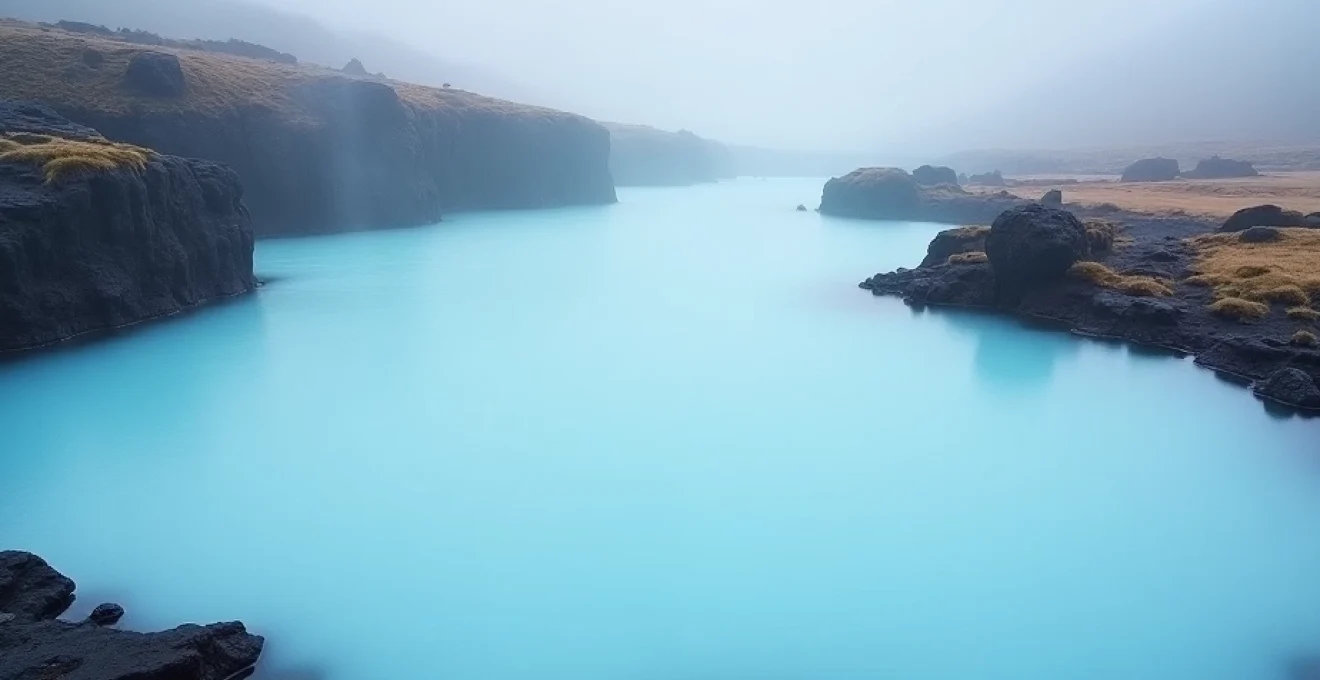
Iceland’s volcanic landscape creates one of the world’s most spectacular networks of natural hot springs, geothermal pools, and therapeutic thermal baths. With over 600 hot springs scattered across this Nordic island nation, visitors can experience everything from pristine wilderness pools heated by underground volcanic activity to sophisticated spa complexes offering mineral-rich waters and wellness treatments. The country’s position along the Mid-Atlantic Ridge, where the Eurasian and North American tectonic plates meet, generates intense geothermal activity that has been warming Iceland’s waters for millennia.
Reykjanes peninsula geothermal hot springs and accessibility
The Reykjanes Peninsula serves as Iceland’s geothermal heartland, hosting some of the country’s most accessible and internationally renowned hot spring destinations. This southwestern region benefits from exceptional volcanic activity, creating diverse thermal experiences ranging from world-famous spa complexes to raw geothermal areas where the Earth’s power remains completely unfiltered. The peninsula’s proximity to Keflavík International Airport makes it an ideal first or last stop for international visitors.
Blue lagoon geothermal spa: Silica-Rich mineral composition and facilities
The Blue Lagoon stands as Iceland’s most internationally recognised geothermal attraction, drawing over one million visitors annually to its milky blue waters. This man-made lagoon utilises superheated water from the nearby Svartsengi geothermal power plant, creating a unique bathing environment rich in silica, algae, and minerals. The water maintains a consistent temperature between 37-39°C throughout the year, making it comfortable for extended soaking sessions regardless of Iceland’s often harsh weather conditions.
The facility’s premium packages include access to private changing areas, multiple mask bars offering silica and algae treatments, and the exclusive Retreat Lagoon for guests seeking a more intimate experience. The complex features underwater music systems, swim-up bars, and a restaurant overlooking the otherworldly lava fields. Recent expansion has added the Retreat Hotel, providing overnight guests with 24-hour lagoon access and enhanced spa services.
Sky lagoon: oceanside Seven-Step ritual and infinity pool design
Sky Lagoon represents Iceland’s newest luxury geothermal experience, opening in 2021 with a dramatic clifftop location overlooking the North Atlantic Ocean. The lagoon’s infinity edge design creates the illusion of waters flowing directly into the ocean, whilst its seven-step ritual combines traditional Icelandic bathing customs with modern wellness practices. The ritual includes cold plunges, saunas heated by geothermal steam, and exfoliation treatments using natural Icelandic sea salt.
The facility’s architecture seamlessly integrates into the coastal landscape, with grass-covered structures that echo traditional Icelandic turf houses. Multiple temperature zones within the main lagoon accommodate different preferences, whilst the surrounding terraces provide sheltered areas for relaxation between ritual steps. The on-site restaurant focuses on locally sourced ingredients, creating a complete wellness and culinary experience.
Krýsuvík geothermal area: seltún natural hot springs and mud pools
The Krýsuvík geothermal field showcases Iceland’s raw geological power through active mud pools, steam vents, and mineral-stained earth. Located within the Reykjanes UNESCO Global Geopark, this area features several natural hot springs alongside the famous Seltún geothermal exhibition area. The landscape displays vibrant yellow, orange, and red colouration created by sulphur deposits and other volcanic minerals.
Whilst swimming is not permitted in most of Krýsuvík’s thermal features due to extreme temperatures and unstable ground conditions, the area provides excellent opportunities for geothermal education and photography. Marked walking paths guide visitors safely through the most spectacular sections, whilst interpretive signs explain the geological processes creating these remarkable formations. The contrast between steaming vents and the dramatic coastal scenery makes Krýsuvík a compelling stop for understanding Iceland’s geothermal foundations.
Gunnuhver hot springs: High-Temperature fumaroles and safety considerations
Gunnuhver represents one of Iceland’s most powerful geothermal areas, featuring massive steam vents and boiling mud pools that demonstrate the intense energy beneath the Reykjanes Peninsula. Named after a female ghost in Icelandic folklore, this geothermal field produces steam clouds visible from several kilometres away. The main hot spring reaches temperatures exceeding 100°C, creating dramatic steam plumes that can tower 20 metres above the ground.
Safety barriers and designated viewing platforms allow visitors to observe these spectacular geothermal features whilst maintaining appropriate distances from the dangerous thermal activity. The area undergoes constant geological monitoring due to its proximity to active volcanic systems and potential for sudden changes in geothermal output. Recent seismic activity has modified some features, demonstrating the dynamic nature of Iceland’s geothermal landscape.
Westman islands and south iceland thermal pool networks
Southern Iceland offers diverse hot spring experiences, from hidden mountain pools to historically significant bathing sites that have served local communities for over a century. This region combines accessibility with authentic Icelandic bathing culture, providing opportunities to experience thermal waters in settings ranging from remote wilderness locations to charming rural communities. The area’s volcanic activity, enhanced by the nearby Eyjafjallajökull and Hekla volcanoes, creates numerous geothermal opportunities.
Seljavallalaug swimming pool: hidden mountain location and historical significance
Seljavallalaug claims the distinction of being Iceland’s oldest outdoor swimming pool, constructed in 1923 and nestled dramatically beneath towering mountain cliffs. This 25-metre concrete pool receives its warmth from natural hot springs, though recent geological changes have reduced water temperatures compared to historical levels. The facility requires a moderate 15-minute hike through scenic terrain, adding adventure to the bathing experience.
The pool’s rustic changing facilities reflect its century-long history, providing basic shelter whilst maintaining the site’s authentic character. Algae growth during summer months creates unique swimming conditions, though some visitors find the natural water chemistry less appealing than treated pools. The surrounding landscape offers dramatic photography opportunities, with the pool’s dark waters contrasting against volcanic rock formations and distant glacial peaks.
Vestmannaeyjar natural thermal beach: volcanic sand heating and accessibility challenges
The Westman Islands feature unique thermal beaches where underground geothermal activity heats volcanic sand and coastal waters. Stórhöfði and other locations around Heimaey island provide opportunities to experience naturally warmed seawater, though conditions vary significantly with tides, weather, and seasonal geothermal fluctuations. These thermal areas require local knowledge to locate safely and access during appropriate conditions.
Access to the Westman Islands requires ferry transportation or chartered flights, making these thermal experiences more exclusive than mainland alternatives. The islands’ dramatic volcanic landscape, shaped by eruptions including the famous 1973 Eldfell event, provides remarkable backdrops for thermal bathing. Weather conditions can change rapidly, requiring flexible planning and appropriate safety preparations for island visitors.
Secret lagoon flúðir: natural hot spring with geyser activity
The Secret Lagoon, known locally as Gamla Laugin, offers Iceland’s most authentic natural hot spring experience within easy reach of the Golden Circle tourist route. This geothermal pool maintains temperatures around 38-40°C year-round, fed by underground hot springs that have been bubbling for thousands of years. Small geysers around the pool’s perimeter erupt regularly, creating steam clouds and adding dynamic visual interest to the bathing experience.
Unlike heavily commercialised alternatives, the Secret Lagoon maintains rustic authenticity with minimal development beyond essential facilities and safety features. The natural pool bottom consists of loose stones and sediment, creating an unrefined but genuine thermal environment. Wooden walkways allow visitors to observe the surrounding geothermal features safely, whilst the facility’s modest scale ensures a more intimate and relaxed atmosphere compared to larger attractions.
Hrunalaug hot spring: Concrete-Ringed natural pool temperature regulation
Hrunalaug represents Iceland’s community-focused hot spring tradition, featuring a small concrete-lined pool fed by natural geothermal sources on private farmland. The pool accommodates 6-8 people comfortably, with temperatures regulated through the careful management of hot spring inflow and cooler water additions. A historic stone bathing hut provides changing facilities whilst maintaining the site’s traditional aesthetic.
This family-operated hot spring exemplifies Iceland’s rural bathing culture, where local communities have developed and maintained thermal facilities for generations. Visitors contribute modest fees through an honour system, supporting ongoing maintenance and improvements to this grassroots facility. The surrounding farmland setting provides peaceful views across South Iceland’s rural landscapes, offering tranquility away from more crowded tourist destinations.
Westfjords and north iceland remote geothermal sites
The remote Westfjords and North Iceland regions contain some of Iceland’s most spectacular and least crowded hot spring destinations. These areas require additional travel time and planning but reward visitors with pristine thermal experiences surrounded by dramatic landscapes. The region’s sparse population and challenging weather conditions have preserved many hot springs in near-original condition, offering authentic encounters with Iceland’s geothermal heritage.
Grettislaug hot pots reykjafjarðarlaug: historical viking bathing sites
Grettislaug connects modern visitors with Iceland’s medieval history through hot pots named after the legendary outlaw Grettir the Strong from the 13th-century Grettis Saga. These concrete-lined pools utilise natural geothermal sources to maintain comfortable bathing temperatures whilst providing shelter from the Westfjords’ often fierce coastal winds. The site features multiple pools with varying temperatures, allowing visitors to find their optimal comfort level.
Archaeological evidence suggests thermal bathing has occurred at this location for over 1,000 years, making Grettislaug one of Iceland’s longest-continuously used hot spring sites. The facility includes basic changing areas and shower facilities, though visitors should prepare for rustic conditions appropriate to the remote location. The nearby coastline offers opportunities for dramatic temperature contrasts, with brave visitors alternating between hot pools and frigid Atlantic waters.
Myvatn nature baths: milky blue mineral waters and pseudocrater landscape
Myvatn Nature Baths provides North Iceland’s premier geothermal spa experience, featuring mineral-rich waters in a landscape shaped by pseudocraters and volcanic activity. The facility’s milky blue waters contain high concentrations of silica and sulphur, creating therapeutic bathing conditions similar to the Blue Lagoon but in a more intimate setting. Multiple lagoons offer different temperature zones and mineral concentrations, accommodating diverse preferences and therapeutic needs.
The surrounding Myvatn region showcases Iceland’s volcanic diversity, with dramatic lava formations, pseudocraters, and active geothermal features creating an otherworldly atmosphere. Recent facility upgrades have enhanced visitor amenities whilst preserving the site’s natural character and integration with the remarkable landscape. The spa’s location makes it an ideal stop for Ring Road travellers exploring North Iceland’s geological wonders.
Krossneslaug swimming pool: dramatic atlantic ocean views and wind protection
Krossneslaug offers one of Iceland’s most dramatically positioned swimming facilities, featuring an infinity-edge design that creates the illusion of waters flowing directly into the North Atlantic Ocean. Located in the remote Strandir region of the Westfjords, this geothermally heated pool provides stunning ocean views whilst offering protection from coastal winds through clever architectural design. The facility includes hot tubs with varying temperatures alongside the main swimming pool.
The pool’s remote location means visitors often enjoy solitary or near-solitary bathing experiences, particularly during off-season periods when weather conditions limit tourist access. The surrounding landscape features dramatic sea cliffs, isolated beaches, and mountain vistas that change dramatically with weather and lighting conditions. Advanced planning is essential for visiting Krossneslaug, as road conditions can be challenging and services are limited in this remote region.
Pollurinn hot spring tálknafjörður: natural rock pool formation
Pollurinn represents nature’s own hot spring engineering, featuring a naturally formed rock pool filled by geothermal springs and cooled by tidal action. Located in the Westfjords town of Tálknafjörður, this unique thermal feature demonstrates the complex interactions between geothermal activity and coastal environments. The pool’s temperature varies with tidal cycles and seasonal changes, creating dynamic bathing conditions that reflect natural rhythms.
The facility requires careful timing for optimal experiences, as low tide provides the warmest and most comfortable conditions whilst high tide can cool waters significantly. Local knowledge helps visitors plan appropriate timing for their preferred temperature experience. The town’s small size and remote location ensure authentic encounters with Westfjords culture, whilst the nearby coastline offers excellent opportunities for bird watching and coastal exploration.
East iceland and highlands wilderness hot springs
East Iceland and the central Highlands contain some of the country’s most pristine and challenging hot spring destinations. These locations require significant preparation and often specialised transportation, but provide unmatched wilderness thermal experiences. The Highland hot springs particularly showcase Iceland’s geological power in settings completely removed from modern development, offering profound connections with the country’s volcanic origins.
Landmannalaugar represents the crown jewel of Highland hot springs, featuring natural pools fed by underground geothermal sources amidst the rhyolite mountains’ rainbow-coloured peaks. This location requires summer access via mountain roads suitable only for four-wheel-drive vehicles or organised tours. The hot springs provide essential relaxation for hikers completing sections of the Laugavegur trail, widely regarded as one of the world’s premier trekking routes.
Viti crater lake in Askja caldera offers one of Iceland’s most unique thermal experiences, featuring a geothermal lake within an active volcanic system. The water maintains comfortable swimming temperatures despite the harsh Highland environment, though reaching Viti requires careful planning and appropriate vehicle capability. The journey crosses lunar-like landscapes that inspired NASA astronaut training programmes, emphasising the otherworldly nature of this thermal destination.
East Iceland’s Vök Baths represent the region’s newest geothermal attraction, featuring floating pools on Urriðavatn lake with dramatic mountain backdrops. The facility combines modern spa amenities with the region’s pristine natural environment, offering both indoor and outdoor bathing options. The floating pool concept creates unique sensory experiences, with visitors feeling connected to both the geothermal waters below and the cold mountain air above.
Geothermal water temperature classifications and mineral content analysis
Iceland’s hot springs demonstrate remarkable diversity in temperature ranges, mineral compositions, and therapeutic properties. Understanding these variations helps visitors select appropriate thermal experiences for their preferences and needs.
Geothermal waters in Iceland typically range from 37°C to over 100°C, with optimal bathing temperatures falling between 37-42°C for extended comfort and safety.
Silica content varies significantly among Iceland’s hot springs, with higher concentrations creating the characteristic milky appearance found at locations like the Blue Lagoon and Myvatn Nature Baths. These silica-rich waters provide skin conditioning benefits, though they can also create slippery surfaces requiring careful movement. Sulphur compounds contribute to hot springs’ distinctive aromas whilst providing potential therapeutic benefits for skin conditions and respiratory health.
| Temperature Range | Comfort Level | Recommended Duration | Examples |
| 35-38°C | Comfortable for extended soaking | Up to 2 hours | Secret Lagoon, Seljavallalaug |
| 38-40°C | Ideal for relaxation | 45-90 minutes | Blue Lagoon, Hrunalaug |
| 40-42°C | Therapeutic heat | 20-45 minutes | Various Westfjords pools |
| Above 42°C | Brief exposure only | 5-15 minutes | Some Highland springs |
Mineral analysis reveals complex compositions including sodium, potassium, calcium, and magnesium compounds that contribute to each hot spring’s unique character. These minerals can provide therapeutic benefits whilst also affecting water texture, buoy
ancy and perceived therapeutic value whilst potentially affecting sensitive skin types. Natural radioactivity levels remain well within safe ranges across all Icelandic hot springs, though some Highland locations show slightly elevated readings due to their proximity to active volcanic systems.
Seasonal access conditions and highland road restrictions for remote hot springs
Seasonal accessibility dramatically affects hot spring availability across Iceland, with Highland locations completely inaccessible during winter months due to snow accumulation and extreme weather conditions. The Icelandic Road Administration typically opens Highland roads between mid-June and late September, though exact dates vary based on weather conditions and snowmelt progress. F-roads, designated for four-wheel-drive vehicles only, provide access to the most spectacular but challenging thermal destinations including Landmannalaugar and Askja.
Winter conditions create unique opportunities at accessible hot springs, with dramatic contrasts between steaming thermal waters and snow-covered landscapes providing unforgettable experiences. Many coastal and lowland hot springs remain operational year-round, though weather conditions can affect comfort levels and safety considerations. Advanced weather monitoring becomes essential for winter hot spring visits, as sudden storms can create dangerous driving conditions and extended exposure risks.
Spring conditions often provide optimal hot spring experiences, combining improved road access with fewer crowds and dramatic seasonal landscape changes. Summer months offer complete accessibility but also peak tourist numbers at popular destinations, requiring advance booking for commercial facilities and patience at free natural springs. Autumn visiting provides excellent compromise conditions with good access, moderate crowds, and spectacular fall colours enhancing the thermal bathing experience.
Highland weather patterns remain unpredictable even during official access seasons, with temperatures potentially dropping below freezing and sudden storms creating hazardous conditions. Visitors planning Highland hot spring adventures must prepare for complete self-sufficiency, carrying emergency supplies, communication devices, and appropriate clothing for rapidly changing conditions. The reward for this preparation includes access to some of Earth’s most pristine and powerful geothermal environments.
Road condition monitoring through official Icelandic sources provides essential safety information for hot spring access planning. Local knowledge from accommodation providers, tour operators, and visitor centres offers valuable insights into current conditions and optimal timing for specific destinations. The combination of careful planning, appropriate preparation, and flexible scheduling enables safe and rewarding access to Iceland’s most spectacular thermal destinations throughout the accessible seasons.