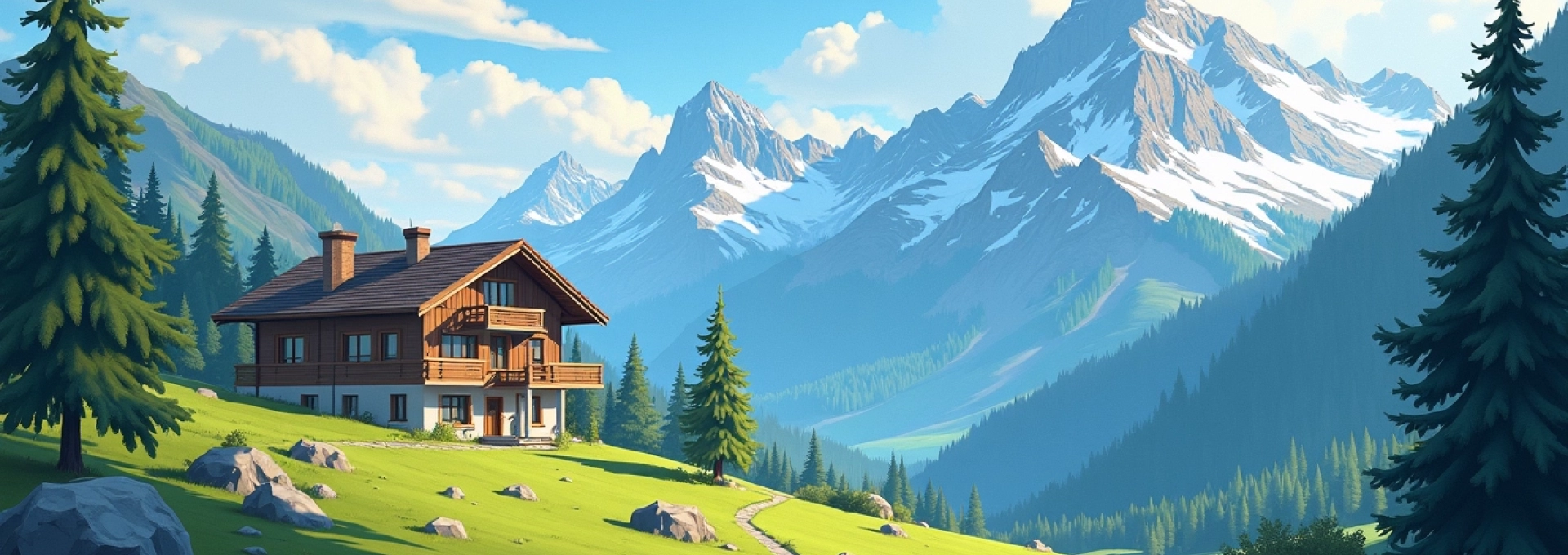
The Alps, Europe’s most iconic mountain range, stretch across eight countries in a majestic arc that spans nearly 1,200 kilometers. This formidable natural barrier has shaped the continent’s history, culture, and climate for millennia. From the snow-capped peaks of Mont Blanc to the sun-drenched valleys of the Italian Dolomites, the Alps offer a diverse tapestry of landscapes and ecosystems that have captivated explorers, scientists, and tourists alike.
As a geological marvel and a crucible of European civilization, the Alps play a pivotal role in the continent’s geography and identity. Their towering presence influences weather patterns, serves as a vital water source, and creates distinct microclimates that foster unique flora and fauna. Understanding the location and characteristics of this mountain range is essential for grasping its profound impact on European life and the global environment.
Geographical distribution of the alpine mountain range
The Alpine arc extends from the Mediterranean coast of southern France to the eastern fringes of Austria and Slovenia. This vast mountain system forms a natural divide between Northern and Southern Europe, influencing climate patterns and historical migration routes. The Alps’ central position has made them a crucial crossroads for trade, culture, and conflict throughout European history.
Geographically, the Alps can be divided into three main sections: the Western, Central, and Eastern Alps. Each region has its own distinct characteristics, from the maritime influence on the French Alps to the continental climate of the Austrian ranges. This diversity contributes to the Alps’ rich tapestry of landscapes, ranging from lush valleys to barren, rocky peaks.
The Alpine region covers approximately 190,000 square kilometers, with the highest concentration of peaks over 4,000 meters found in the Western and Central Alps. These mountains have been shaped by millions of years of geological activity, including the collision of tectonic plates and the sculpting effects of glaciation during the Ice Ages.
Major alpine regions and their characteristics
Each section of the Alps has its own unique features and attractions, contributing to the range’s overall diversity and appeal. From the towering peaks of the Western Alps to the picturesque lakes of the Eastern Alps, these regions offer a wealth of natural wonders and cultural experiences.
Western alps: mont blanc and aosta valley
The Western Alps, dominated by the Mont Blanc massif, are characterized by some of the highest peaks in Europe. This region includes parts of France, Italy, and Switzerland, and is renowned for its dramatic landscapes and challenging mountaineering routes. The Aosta Valley, nestled between France and Switzerland, is a prime example of Alpine cultural fusion, blending Italian, French, and Swiss influences in its cuisine and traditions.
Mont Blanc, standing at 4,808 meters, is the highest peak in the Alps and Western Europe. Its towering presence has made it a symbol of Alpine majesty and a magnet for climbers and adventurers from around the world. The surrounding area offers world-class skiing facilities and breathtaking panoramas that attract millions of visitors annually.
Central alps: swiss alps and bernina range
The Central Alps, encompassing much of Switzerland and parts of neighboring countries, are home to some of the most iconic Alpine scenery. This region is characterized by its pristine lakes, picturesque valleys, and a dense network of hiking trails and ski resorts. The Swiss Alps, in particular, are renowned for their efficiency in blending tourism infrastructure with natural beauty.
The Bernina Range, part of the Central Alps, is notable for its high peaks and extensive glaciation. The Piz Bernina , at 4,049 meters, is the highest mountain in the Eastern Alps and a testament to the region’s rugged beauty. The Bernina Express, a scenic railway that traverses this range, offers one of the most spectacular train journeys in the world, showcasing the Alps’ breathtaking landscapes.
Eastern alps: dolomites and julian alps
The Eastern Alps extend from the Swiss-Austrian border to Slovenia, encompassing a diverse range of landscapes and cultural regions. This area is known for its lower average elevation compared to the Western and Central Alps, but it compensates with unique geological formations and rich biodiversity.
The Dolomites, a UNESCO World Heritage site, are a standout feature of the Eastern Alps. These distinctive pale mountains, composed of carbonate rock, create a surreal landscape that has inspired artists and adventurers for centuries. The region is famous for its via ferrata routes, which allow even amateur climbers to experience the thrill of scaling these majestic peaks.
The Julian Alps, straddling the border between Italy and Slovenia, represent the southeastern extremity of the Alpine range. This area is characterized by its karst topography, creating a landscape of caves, underground rivers, and dramatic canyons. The Triglav National Park, centered around Slovenia’s highest peak, is a prime example of Eastern Alpine ecology and conservation efforts.
Southern alps: maritime alps and ligurian alps
The Southern Alps, including the Maritime and Ligurian Alps, form the Mediterranean edge of the Alpine system. This region is unique for its blend of Alpine and Mediterranean climates, creating a diverse ecosystem that supports both Alpine and coastal flora and fauna.
The Maritime Alps, straddling the French-Italian border, offer a striking contrast of snow-capped peaks and azure Mediterranean waters. This area is known for its mild winters and abundant sunshine, making it a popular destination for both winter sports and summer hiking. The proximity to the coast has historically made this region an important strategic and commercial gateway between the Mediterranean and Central Europe.
The Ligurian Alps, extending to the Mediterranean coast, form a natural amphitheater around the Italian Riviera. This unique geographical position creates a microclimate that supports a rich variety of plant life, including both Alpine species and Mediterranean flora. The region’s blend of mountain and coastal landscapes offers visitors a diverse range of experiences, from skiing to seaside relaxation, often within a short distance.
Alpine countries and notable peaks
The Alps span eight countries, each contributing its own cultural and geographical flavor to the Alpine tapestry. From the French Alps in the west to the Slovenian Alps in the east, each nation boasts its own collection of remarkable peaks and Alpine attractions.
France: barre des écrins and meije
The French Alps are home to some of the range’s most dramatic landscapes. The Barre des Écrins, standing at 4,102 meters, is the highest peak entirely within France and the centerpiece of the Écrins National Park. This massive glaciated mountain offers challenging climbs and spectacular views of the surrounding Alpine wilderness.
La Meije, with its distinctive jagged profile, is another iconic peak of the French Alps. Rising to 3,983 meters, it presents one of the most technically challenging climbs in the Alps. The mountain’s north face, with its imposing glaciers and steep rock walls, has been a proving ground for generations of alpinists.
Switzerland: matterhorn and jungfrau
Switzerland is often considered the heart of the Alps, with its territory almost entirely within the mountain range. The Matterhorn, with its distinctive pyramid shape, is perhaps the most recognizable mountain in Europe. Standing at 4,478 meters, it straddles the Swiss-Italian border and has been a symbol of Alpine adventure since its first ascent in 1865.
The Jungfrau, part of the Bernese Alps, is another Swiss icon. At 4,158 meters, it forms part of a UNESCO World Heritage site along with the Aletsch Glacier, the largest glacier in the Alps. The Jungfraujoch, a high-altitude saddle near the peak, hosts Europe’s highest railway station, offering visitors breathtaking views of the surrounding Alpine panorama.
Italy: gran paradiso and monte rosa
Italy’s Alpine region stretches from the Western Alps to the Dolomites in the east. The Gran Paradiso, at 4,061 meters, is the highest mountain entirely within Italian territory. It’s the centerpiece of Italy’s oldest national park, established to protect the Alpine ibex and now a haven for diverse Alpine wildlife.
Monte Rosa, with its highest peak Dufourspitze reaching 4,634 meters, is the second-highest mountain in the Alps after Mont Blanc. Straddling the Swiss-Italian border, Monte Rosa is notable for its extensive glacier system and the diversity of its climbing routes, ranging from relatively easy glacier walks to challenging rock climbs.
Austria: grossglockner and wildspitze
Austria’s Alps dominate much of the country’s landscape. The Grossglockner, at 3,798 meters, is Austria’s highest peak and a symbol of the country’s Alpine heritage. The mountain is the centerpiece of the Hohe Tauern National Park and is accessible via the famous Grossglockner High Alpine Road, one of Europe’s most scenic drives.
The Wildspitze, rising to 3,768 meters, is the highest peak in the Ötztal Alps and the second-highest mountain in Austria. Surrounded by extensive glaciers, it offers challenging climbs and spectacular views of the Eastern Alps. The area around the Wildspitze is also known for its prehistoric significance, as it was near here that the famous Ötzi the Iceman was discovered in 1991.
Germany: zugspitze and watzmann
Germany’s share of the Alps is relatively small but includes some notable peaks. The Zugspitze, at 2,962 meters, is Germany’s highest mountain and a popular tourist destination. Accessible by cable car, it offers panoramic views of four countries and hosts Germany’s highest ski resort.
The Watzmann, though lower at 2,713 meters, is perhaps more iconic in German culture. Its distinctive three-peaked silhouette dominates the skyline of Berchtesgaden National Park and has been a source of legends and artistic inspiration for centuries. The Watzmann’s east face, at 1,800 meters high, is the highest rock face in the Eastern Alps and a challenge for experienced climbers.
Alpine ecosystems and biodiversity zones
The Alps host a remarkable diversity of ecosystems, stratified by altitude and influenced by local climate conditions. This vertical zonation creates a series of distinct habitats, each supporting unique communities of plants and animals adapted to specific environmental challenges.
At the lowest elevations, deciduous and mixed forests dominate, gradually giving way to coniferous forests as altitude increases. Above the tree line, which varies from about 1,800 to 2,500 meters depending on location and exposure, Alpine meadows create a colorful tapestry of hardy flowering plants. These meadows, known as alpages in French or almen in German, have been shaped by centuries of traditional grazing practices and are crucial for maintaining biodiversity.
Higher still, in the nival zone above 3,000 meters, only the hardiest lichens and mosses survive among the rocks and permanent snow fields. This harsh environment is home to specialized creatures like the Alpine ibex, chamois, and the elusive snow leopard in the Eastern Alps.
The Alps are a hotspot of biodiversity in Europe, hosting approximately 13,000 plant species and about 30,000 animal species. This rich variety of life is increasingly threatened by climate change, with warming temperatures causing upward shifts in species distributions and altering delicate ecological balances.
Alpine lakes and wetlands, though less prominent than the towering peaks, are vital components of the mountain ecosystem. These habitats support unique aquatic communities and serve as important stopover points for migratory birds. The protection of these sensitive environments is crucial for maintaining the Alps’ ecological integrity and biodiversity.
Geological formation and tectonic activity of the alps
The formation of the Alps is a testament to the dynamic nature of Earth’s crust. The mountain range began to form about 65 million years ago during the Alpine orogeny, a period of intense tectonic activity that reshaped much of Europe. This process was driven by the collision of the African and Eurasian tectonic plates, which compressed and uplifted marine sediments that had accumulated in the ancient Tethys Sea.
The complexity of Alpine geology is evident in the variety of rock types found throughout the range. Metamorphic rocks like gneiss and schist, formed under intense heat and pressure, are common in the central massifs. Sedimentary rocks, including limestone and dolomite, dominate in areas that were once ancient seabeds. Granite intrusions, pushed up from deep within the Earth, form the cores of some of the highest peaks.
Glaciation has played a crucial role in shaping the Alps we see today. During the Pleistocene epoch, massive glaciers carved out U-shaped valleys, cirques, and sharp arêtes, creating the dramatic landscapes that characterize much of the high Alpine terrain. The retreat of these glaciers at the end of the last Ice Age left behind a network of lakes and deposited vast quantities of glacial till, forming the basis for much of the fertile soil in Alpine valleys.
The Alps continue to be tectonically active, rising at an average rate of about 1-2 millimeters per year in some areas. This ongoing uplift is counterbalanced by erosion, maintaining a dynamic equilibrium that continues to shape the Alpine landscape.
Understanding the geological processes that formed and continue to shape the Alps is crucial for assessing natural hazards such as landslides, avalanches, and earthquakes. This knowledge informs land-use planning, infrastructure development, and conservation efforts throughout the Alpine region.
Cultural and economic significance of alpine regions
The Alps have played a pivotal role in shaping European culture and economy for millennia. From ancient trade routes to modern ski resorts, these mountains have been a source of both challenge and opportunity for the people living in and around them.
Traditional alpine architecture: chalets and farmhouses
Alpine architecture reflects the region’s unique environmental challenges and cultural heritage. Traditional chalets, with their steep roofs designed to shed snow and wide eaves to protect walls from moisture, are iconic symbols of Alpine design. These structures, often built with local timber and stone, demonstrate a deep understanding of local climate and available materials.
Farmhouses in the Alps, known as Bauernhäuser in German-speaking regions, are typically multi-functional buildings that combine living quarters with spaces for livestock and crop storage. These sturdy structures, often adorned with intricate woodcarvings and colorful shutters, reflect the self-sufficiency required for mountain living and the rich artistic traditions of Alpine communities.
Alpine tourism: ski resorts and summer hiking trails
Tourism is a cornerstone of the modern Alpine economy, with ski resorts and hiking trails attracting millions of visitors annually. The development of winter sports tourism in the early 20th century transformed many Alpine villages into world-renowned destinations. Resorts like Chamonix in France, Zermatt in Switzerland, and St. Anton in Austria have become synonymous with Alpine skiing and mountaineering.
Summer tourism in the Alps has grown significantly in recent decades, with hiking, mountain biking, and paragliding becoming popular activities. The extensive network of well-maintained trails and mountain huts allows visitors to explore the Alpine landscape in relative comfort and safety. This year-round tourism has become vital for many Alpine communities, providing employment and economic stability.
Agricultural practices: alpine dairy farming and viticulture
Agriculture in the Alps has adapted to the challenging mountain environment, developing unique practices and products. Alpine dairy farming, with its tradition of seasonal migration to high pastures ( transhumance ), has shaped both the landscape and culture of many Alpine regions. The production of distinctive cheeses, such as Gruyère, Emmental, and Fontina, is an important part of Alpine culinary heritage and economy.
Viticulture in the Alps, while less extensive than dairy farming, produces some highly regarded wines. Vineyards in regions like the Aosta Valley in Italy, Valais in Switzerland, and Savoie in France take advantage of sunny slopes and unique microclimates to cultivate grapes at elevations that would be impossible in other wine-growing regions. These Alpine wines often have distinctive characteristics due to the extreme growing conditions.
Hydroelectric power generation in alpine valleys
The Alps’ abundant water resources and steep terrain make them ideal for hydroelectric power generation. Countries like Switzerland, Austria, and France have extensively developed their Alpine rivers and lakes for this purpose, creating a network of dams, reservoirs, and power plants that provide a significant portion of their electricity needs.
While hydroelectric power is a renewable energy source, its
development of large-scale hydroelectric projects in the Alps has raised environmental concerns. The construction of dams and reservoirs can disrupt local ecosystems and alter river flow patterns, impacting both aquatic and terrestrial habitats. Balancing the need for clean energy with environmental preservation remains an ongoing challenge for Alpine communities and policymakers.
Despite these challenges, hydroelectric power continues to play a crucial role in the energy strategies of Alpine nations. Many facilities are being modernized to increase efficiency and reduce environmental impact. Additionally, smaller-scale run-of-river plants are being developed as a more environmentally friendly alternative to large dams, allowing for power generation with minimal disruption to river ecosystems.
The economic benefits of hydroelectric power in the Alps extend beyond energy production. These facilities often create local employment opportunities and can contribute to regional development through infrastructure improvements and tourism. Some reservoirs, such as Lake Emosson on the Swiss-French border, have become tourist attractions in their own right, offering scenic views and recreational activities.
As the Alps face the challenges of climate change, the role of hydroelectric power is likely to evolve. Changing precipitation patterns and glacial retreat may affect water availability, necessitating adaptive management strategies for existing and future hydroelectric projects. At the same time, the increasing focus on renewable energy sources may lead to further investment in Alpine hydropower as countries seek to reduce their carbon footprints.
The cultural and economic significance of the Alpine regions is a testament to the enduring relationship between humans and this extraordinary mountain landscape. From traditional architecture and agriculture to modern tourism and energy production, the Alps continue to shape and be shaped by the communities that call them home. As these regions face new challenges in the 21st century, the innovative spirit and resilience that have long characterized Alpine life will undoubtedly play a crucial role in ensuring a sustainable future for this unique part of Europe.