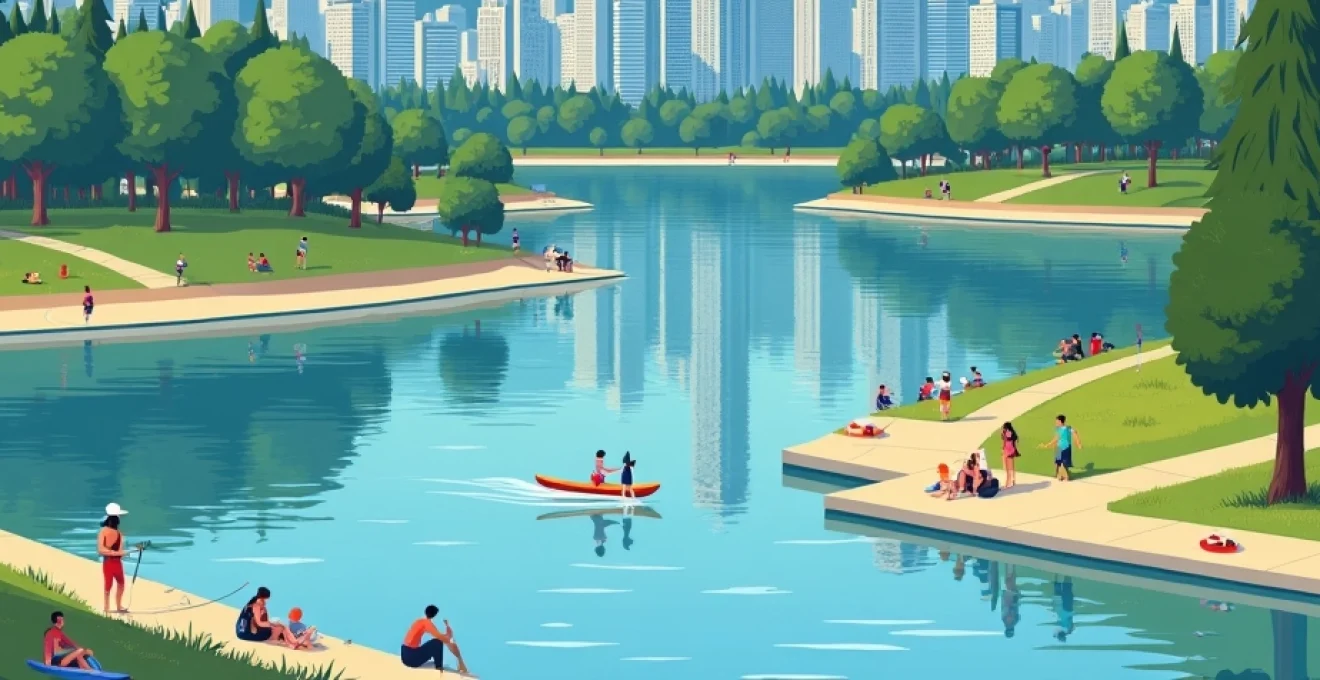
Vancouver stands as one of North America’s premier outdoor destinations, where towering mountains meet pristine coastlines and urban sophistication blends seamlessly with wilderness adventure. This Pacific Northwest gem offers an extraordinary combination of natural beauty and accessibility, making it possible to experience world-class outdoor activities without venturing far from the city centre. From cycling along scenic waterfront paths to conquering mountain peaks with breathtaking views, Vancouver provides endless opportunities for outdoor enthusiasts of all skill levels.
The city’s unique geography creates a natural playground where ocean, forest, and mountains converge within minutes of downtown. Whether you’re seeking adrenaline-pumping adventures or peaceful nature escapes, Vancouver’s diverse outdoor offerings cater to every preference and fitness level. The mild coastal climate extends the outdoor season, making many activities accessible year-round, while the summer months transform the city into an outdoor enthusiast’s paradise.
Stanley park’s premier outdoor activity circuits
Stanley Park represents Vancouver’s crown jewel, spanning 1,000 acres of pristine wilderness just minutes from downtown. This urban oasis offers an unparalleled variety of outdoor experiences, from leisurely strolls to challenging fitness circuits. The park’s extensive trail network and waterfront access create multiple opportunities for exploration, making it an essential destination for any outdoor day in Vancouver.
Seawall cycling route: coal harbour to english bay loop
The Stanley Park Seawall forms part of Vancouver’s renowned 28-kilometre coastal pathway, offering one of the world’s most scenic cycling experiences. This dedicated cycling route provides stunning views of the North Shore mountains, downtown skyline, and English Bay waters. The separated bike path ensures safety for cyclists while allowing pedestrians to enjoy the adjacent walking path.
Beginning at Coal Harbour, cyclists can rent bikes from numerous vendors along Denman Street before embarking on this spectacular journey. The route passes iconic landmarks including the Nine O’Clock Gun, Brockton Point Lighthouse, and the famous totem poles. The complete loop covers approximately 10 kilometres and typically takes 45 minutes to an hour for recreational cyclists, though many choose to stop frequently for photos and refreshment breaks.
Lost lagoon nature walk and bird watching stations
Lost Lagoon provides a tranquil escape within Stanley Park’s bustling environment, offering excellent opportunities for wildlife observation and peaceful reflection. This freshwater lake attracts over 200 bird species throughout the year, making it a premier destination for both novice and experienced birdwatchers. The 1.5-kilometre perimeter path features multiple observation points and educational signage.
During spring and summer months, visitors can observe nesting great blue herons, Canada geese, and various duck species. The lagoon’s ecosystem supports diverse wildlife, including raccoons, squirrels, and occasionally river otters. Early morning visits between 6:00 and 9:00 AM offer the best wildlife viewing opportunities , when animal activity peaks and human disturbance remains minimal.
Beaver lake trail system and forest canopy navigation
The interior trails of Stanley Park lead adventurers through old-growth forest towards Beaver Lake, a secluded wetland habitat that showcases the park’s diverse ecosystems. These forest paths provide a stark contrast to the waterfront areas, immersing visitors in towering Douglas fir, western red cedar, and western hemlock trees. The main trail to Beaver Lake stretches approximately 2 kilometres each way from the nearest parking area.
The lake itself serves as a crucial habitat for various amphibians, insects, and bird species. Interpretive trails around the lake explain the delicate balance of wetland ecosystems and the importance of conservation efforts. Visitors should wear appropriate footwear as trail conditions can be muddy , particularly during Vancouver’s rainy season from October through March.
Third beach to second beach coastal pathway
The coastal pathway connecting Third Beach to Second Beach offers spectacular sunset views and opportunities for beachcombing along Vancouver’s western shores. This relatively flat 2-kilometre walk passes through diverse coastal environments, from sandy beaches to rocky outcrops. The path provides excellent vantage points for observing marine life, including seals, sea lions, and various seabird species.
Third Beach features a natural amphitheatre setting with driftwood logs arranged for seating, making it perfect for evening gatherings or solitary contemplation. Second Beach offers more amenities, including a heated outdoor swimming pool, restaurant facilities, and children’s playground. The stretch between these beaches becomes particularly magical during Vancouver’s famous summer sunsets , when the sky transforms into brilliant oranges and purples reflected across English Bay.
North shore mountain adventure destinations
The North Shore mountains rise dramatically from Vancouver’s northern edge, creating a vertical playground that attracts adventure seekers from around the world. These peaks offer everything from gentle nature walks to challenging alpine ascents, all within 30 minutes of downtown Vancouver. The combination of accessibility and wilderness experience makes the North Shore unique among urban mountain destinations.
Grouse mountain skyride and peak activities
Grouse Mountain’s aerial tramway provides effortless access to alpine adventures at 1,100 metres elevation, offering panoramic views across Vancouver, the Pacific Ocean, and surrounding mountain ranges. The eight-minute skyride journey itself becomes part of the adventure, climbing 850 metres through temperate rainforest to reach the mountain’s plateau. The twin cable cars operate year-round, weather permitting , making Grouse Mountain accessible regardless of hiking ability.
At the summit, visitors discover a mountain resort featuring multiple outdoor activities. The Peak Chairlift extends access even higher, reaching the 1,250-metre summit for ultimate 360-degree views. Adventure options include the zipline network, wildlife refuge visits, and scenic hiking trails. The Grouse Grind trail offers a challenging alternative ascent for fitness enthusiasts, earning its nickname as “Mother Nature’s Stairmaster” for its steep 2.9-kilometre climb.
Capilano suspension bridge park treetop adventure
Capilano Suspension Bridge Park combines thrilling suspension bridge crossings with immersive rainforest exploration, creating an unforgettable outdoor experience. The historic 140-metre suspension bridge spans Capilano Canyon at 70 metres height, swaying gently as visitors cross above the rushing Capilano River. This iconic attraction has welcomed adventurers since 1889, making it one of Vancouver’s oldest tourist destinations.
The park’s Treetop Adventure elevates the experience literally and figuratively, featuring seven suspension bridges connecting eight Douglas fir trees at heights up to 30 metres. The Cliffwalk adds another dimension, cantilevering from the canyon’s granite cliffs on a series of suspended walkways and platforms. These elevated pathways provide unique perspectives of the temperate rainforest ecosystem , allowing visitors to observe the forest canopy from previously impossible vantage points.
Mount seymour provincial park hiking trails
Mount Seymour Provincial Park offers Vancouver’s most accessible alpine hiking experiences, with trails ranging from family-friendly nature walks to challenging peak ascents. The park’s proximity to Vancouver, combined with its extensive trail network, makes it a popular destination for both locals and visitors seeking mountain adventures. The park’s elevation ranges from sea level to 1,449 metres , providing diverse ecosystems and spectacular viewpoints.
The Mount Seymour Trail leads to three distinct peaks: Pump Peak, Tim Jones Peak, and Mount Seymour itself. Each summit offers unique perspectives across Metro Vancouver, the Pacific Ocean, and the Coast Mountain range. The Dog Mountain Trail provides an alternative route with equally impressive views and slightly less challenging terrain. Winter transforms the park into a snow sports destination, while summer reveals alpine wildflower meadows and crystal-clear mountain lakes.
The three peaks of Mount Seymour provide some of the most accessible alpine experiences in Metro Vancouver, offering 360-degree panoramic views that showcase the region’s incredible geographic diversity.
Lynn canyon suspension bridge and ecology centre
Lynn Canyon Park presents a free alternative to commercial attractions while offering equally spectacular natural beauty and outdoor adventures. The park’s suspension bridge spans Lynn Creek at 50 metres height, providing thrilling crossings without admission fees. This 100-year-old bridge offers authentic wilderness experiences within Vancouver’s urban boundaries, attracting both adventure seekers and nature lovers.
The park’s trail system extends throughout the canyon, connecting various pools, waterfalls, and viewpoints. The 30 Foot Pool and Twin Falls represent popular destinations for swimming and photography, though water temperatures remain refreshingly cold year-round. The Ecology Centre provides educational programs and exhibits explaining the temperate rainforest ecosystem, making Lynn Canyon an excellent destination for families and environmental education.
Whistler village day trip alpine experience
Whistler Village, located 120 kilometres north of Vancouver along the spectacular Sea-to-Sky Highway, offers world-class alpine adventures within a two-hour drive of the city. This resort destination transforms from winter ski paradise to summer outdoor playground, featuring hiking trails, mountain biking routes, and alpine lake access. The Peak 2 Peak Gondola provides record-breaking alpine transportation , connecting Whistler and Blackcomb mountains at over 2,000 metres elevation.
Summer activities include the Whistler Mountain Bike Park, featuring over 70 trails ranging from beginner-friendly paths to expert-level descents. Alpine hiking options access pristine mountain lakes, including the popular High Note Trail and Symphony Amphitheatre routes. The village itself offers pedestrian-friendly streets, outdoor patios, and equipment rental facilities, creating a comprehensive mountain resort experience easily accessible from Vancouver.
Vancouver waterfront recreation zones
Vancouver’s extensive coastline creates numerous waterfront recreation opportunities, each offering distinct characteristics and activity options. The city boasts over 20 beaches and waterfront parks, providing everything from urban beach experiences to secluded natural shorelines. These waterfront zones serve as gathering places for locals and visitors, fostering community connections while showcasing Vancouver’s stunning coastal setting.
English bay beach volleyball courts and swimming areas
English Bay Beach represents Vancouver’s most iconic urban beach, featuring dedicated volleyball courts, swimming areas, and panoramic views of the North Shore mountains. The beach’s central location makes it easily accessible from downtown hotels and attractions, while its amenities support various recreational activities. Six permanent volleyball courts accommodate both casual games and organized tournaments , creating a vibrant beach sport community throughout the summer months.
The swimming area features marked boundaries and seasonal lifeguard services, ensuring safe ocean access for all skill levels. The adjacent seawall provides level walking and cycling paths, while nearby restaurants and cafes offer refreshment options. English Bay’s famous fireworks festivals occur during summer evenings, transforming the beach into a spectacular viewing amphitheatre for pyrotechnic displays representing different countries.
Jericho beach sailing and windsurfing conditions
Jericho Beach serves as Vancouver’s premier sailing and windsurfing destination, offering consistent wind conditions and protected waters ideal for water sports instruction and recreation. The beach’s western exposure creates thermal wind patterns that typically develop during afternoon hours, providing reliable sailing conditions throughout the summer season. Multiple sailing clubs and rental facilities operate from Jericho Beach , offering equipment and instruction for beginners through advanced sailors.
The Vancouver Windsurfing Association maintains a permanent presence at Jericho, providing equipment storage, rescue services, and community events for wind sports enthusiasts. The beach’s gradual entry and sandy bottom create ideal launching conditions for both sailing dinghies and windsurfing boards. During non-windy periods, the calm waters accommodate stand-up paddleboarding, kayaking, and recreational swimming activities.
Kitsilano beach outdoor fitness equipment circuit
Kitsilano Beach combines traditional beach recreation with modern fitness amenities, featuring outdoor exercise equipment and Canada’s longest saltwater swimming pool. The beach’s fitness circuit includes pull-up bars, parallel bars, and various strength training stations strategically placed along the waterfront. The 137-metre Kitsilano Pool operates as a heated saltwater facility from May through September, providing ocean views during lap swimming sessions.
The beach volleyball courts host competitive leagues throughout the summer, while the adjacent grassy areas accommodate yoga classes, fitness bootcamps, and recreational sports. The Kitsilano area’s vibrant neighbourhood offers numerous cafes, restaurants, and shopping options within walking distance of the beach. The combination of fitness amenities, recreational opportunities, and urban conveniences makes Kitsilano Beach particularly popular among health-conscious locals and fitness-oriented visitors.
Spanish banks tidal pool exploration
Spanish Banks offers Vancouver’s most extensive tidal pool systems, revealed during low tide periods when ocean waters recede to expose rocky intertidal zones. These natural aquariums support diverse marine ecosystems, including sea anemones, hermit crabs, starfish, and various seaweed species. The best tidal pool exploration occurs during extreme low tides , typically occurring twice monthly during new and full moon phases.
The beach’s expansive sandy areas provide space for beach sports, picnicking, and kite flying when winds permit. The views across English Bay toward downtown Vancouver create spectacular photography opportunities, particularly during sunset hours. Educational programs led by local naturalist groups occasionally offer guided tidal pool tours, teaching visitors about marine conservation and intertidal ecosystem dynamics.
Spanish Banks’ extensive tidal pools reveal a hidden underwater world during low tide, offering educational opportunities to observe marine life in their natural habitat while remaining easily accessible from Vancouver’s urban core.
Urban parks and green space networks
Vancouver’s urban park system extends far beyond Stanley Park, encompassing over 200 parks that provide diverse outdoor recreation opportunities throughout the metropolitan area. These green spaces serve as community gathering places, wildlife corridors, and recreational facilities that enhance quality of life for residents while offering visitors glimpses into local culture and environmental values. The park network demonstrates Vancouver’s commitment to environmental sustainability and outdoor lifestyle promotion.
Queen Elizabeth Park occupies the city’s highest point at 152 metres elevation, providing panoramic views across Vancouver toward the North Shore mountains. The park features the Bloedel Conservatory, containing tropical plants and exotic birds within a triodetic dome structure. The park’s quarry garden transforms a former industrial site into spectacular botanical displays , showcasing how urban planning can restore degraded landscapes into beautiful public spaces.
VanDusen Botanical Garden spans 22 hectares with over 7,500 plant species from around the world, organized into themed collections representing different climatic zones and botanical families. The garden’s maze, constructed from 3,000 pyramidal cedars, challenges visitors while providing entertainment for all ages. Seasonal displays include spring cherry blossoms, summer perennial borders, autumn foliage, and winter light festivals that transform the garden into magical evening destinations.
Dr. Sun Yat-Sen Classical Chinese Garden represents the first authentic Ming Dynasty garden built outside China, featuring traditional architecture, landscaping principles, and philosophical elements that create harmony between human-made and natural elements. The garden’s guided tours explain Chinese garden design philosophy and cultural significance while providing peaceful respite from urban activities. The adjacent public park offers free access to Chinese garden aesthetics and includes tai chi practice areas and cultural performance spaces.
Granville island public market and waterfront activities
Granville Island transforms from industrial peninsula to cultural destination, combining outdoor recreation with artisanal shopping and culinary experiences under the Granville Street Bridge. The island’s waterfront location provides kayak and boat rental facilities, while its public spaces host outdoor performances, festivals, and community events throughout the year. The Public Market operates year-round as an indoor farmers market featuring local producers, artisan food vendors, and specialty shops that reflect Vancouver’s diverse culinary landscape.
Water taxi services connect Granville Island to various downtown locations, providing scenic transportation alternatives that showcase Vancouver’s waterfront from unique perspectives. The island’s marina accommodates recreational boats and sailing vessels, while the adjacent waters support kayaking, stand-up paddleboarding, and dragon boat activities. Granville Island Brewing operates an on-site brewery with outdoor patio seating overlooking False Creek, combining craft beer tasting with waterfront dining experiences.
The Emily Carr University campus occupies a significant portion of Granville Island, contributing to the area’s artistic atmosphere through student galleries, public art installations, and creative workshops. Outdoor sculpture displays change regularly, while the Net Loft houses artist studios where visitors can observe craftspeople creating everything from pottery to textiles. The Kids Market provides family-oriented shopping and entertainment in a dedicated building designed specifically for children’s interests and activities.
Granville Island’s seawall connection extends the Vancouver waterfront pathway system, allowing cyclists and pedestrians to access downtown areas, Kitsilano Beach, and Vanier Park through dedicated recreational corridors. The island serves as a crucial hub in Vancouver
‘s transportation network, encouraging sustainable travel methods while providing access to multiple recreational destinations within a single visit.
Seasonal weather considerations for vancouver outdoor planning
Vancouver’s coastal climate creates distinct seasonal patterns that significantly influence outdoor activity planning and equipment requirements. The Pacific Ocean’s moderating influence prevents extreme temperature variations, but seasonal rainfall patterns and daylight hours dramatically affect outdoor conditions. Understanding these seasonal variations enables visitors to optimize their outdoor experiences and select appropriate activities for their travel dates.
Spring months from March through May bring gradually warming temperatures and decreasing rainfall, though weather patterns remain unpredictable. Cherry blossom season transforms the city into a pink paradise, with over 40,000 ornamental cherry trees blooming throughout parks and neighborhoods. This period offers excellent opportunities for photography and outdoor walking, though rain gear remains essential. Trail conditions in higher elevations may still include snow and ice, requiring microspikes or other traction devices for safe hiking.
Summer represents Vancouver’s peak outdoor season, with July and August providing the most reliable weather for all outdoor activities. Average temperatures range from 18-22°C, with minimal rainfall and extended daylight hours lasting until 9:00 PM. This season offers ideal conditions for camping, hiking, water sports, and extended outdoor adventures. However, popular trails and beaches experience significant crowds, requiring early morning starts or weekday visits for more peaceful experiences.
Autumn from September through November showcases spectacular foliage displays while maintaining relatively mild temperatures through October. November marks the beginning of Vancouver’s rainy season, with precipitation levels increasing dramatically. This transitional period offers excellent opportunities for storm watching along the coastline and experiencing the dramatic beauty of Pacific Northwest weather systems. Waterproof clothing becomes essential for outdoor activities during this period.
Winter months bring frequent rainfall and shorter daylight hours, though snow rarely accumulates at sea level within Vancouver proper. The North Shore mountains receive substantial snowfall, transforming into winter sports destinations for skiing, snowboarding, and snowshoeing. Winter outdoor activities require layered clothing systems and waterproof gear to maintain comfort during extended periods outdoors. Many hiking trails at higher elevations become inaccessible without proper winter equipment and experience.
Vancouver’s year-round outdoor accessibility sets it apart from many northern cities, with each season offering unique opportunities to experience the region’s natural beauty through different perspectives and activity options.
Temperature variations between different areas of Metro Vancouver create microclimates that affect activity planning. Coastal areas maintain more stable temperatures due to ocean influence, while inland areas experience greater temperature swings. Higher elevations cool approximately 2°C for every 300 metres of elevation gain, making summit conditions significantly colder than base elevations. Wind exposure along ridgelines and coastal areas can create substantial wind chill effects, requiring additional protective clothing even during mild weather periods.
Precipitation patterns vary considerably throughout the region, with North Shore mountains receiving significantly more rainfall than downtown Vancouver. The rain shadow effect creates drier conditions in some areas, while others experience intense precipitation during storm systems. Checking multiple weather sources and understanding local terrain effects helps outdoor enthusiasts make informed decisions about activity selection and safety preparations for Vancouver’s diverse outdoor environment.