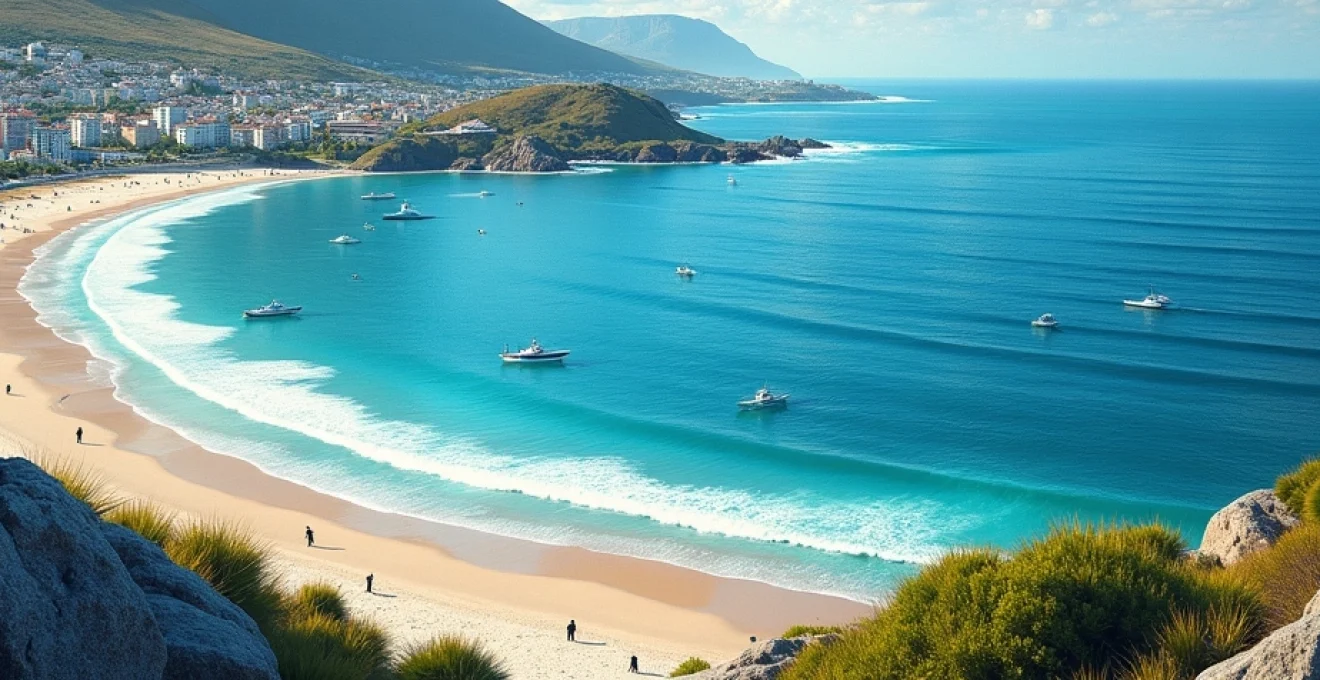
Cape Town stands as one of the world’s premier coastal destinations, where the Atlantic and Indian Oceans converge to create an extraordinary marine playground. The Mother City offers an unparalleled combination of pristine beaches, world-class water sports facilities, and unique marine wildlife encounters that attract ocean enthusiasts from across the globe. From the dramatic granite boulders of Camps Bay to the penguin colonies of Boulders Beach, Cape Town’s 307-kilometre coastline presents endless opportunities for aquatic adventures and maritime exploration.
The city’s unique geographical position at the southern tip of Africa creates diverse marine ecosystems that support everything from great white sharks to southern right whales. Whether you’re seeking adrenaline-pumping water sports, peaceful beachside relaxation, or educational marine conservation experiences, Cape Town’s oceanic offerings cater to every interest level and skill set. The combination of year-round temperate climate, consistent wind patterns, and protected bays makes this destination particularly appealing for both beginners and experienced ocean lovers.
Premier beach destinations for ocean enthusiasts in cape town
Cape Town’s coastline features an impressive array of beaches, each offering distinct characteristics that cater to different ocean activities and preferences. The city’s beaches span from the sheltered coves of the Atlantic Seaboard to the expansive stretches of False Bay, providing diverse environments for swimming, surfing, and marine wildlife observation.
Clifton fourth beach: sheltered swimming and surfing conditions
Clifton Fourth Beach represents the epitome of Cape Town’s beach culture, offering exceptional swimming conditions thanks to its sheltered position between massive granite boulders. This Blue Flag beach maintains consistently calm waters, making it ideal for families and swimmers seeking refuge from the Atlantic Ocean’s notorious swells. The beach’s unique microclimate provides protection from the south-easterly winds that can make other Atlantic beaches challenging during summer months.
The crystal-clear waters at Clifton Fourth reach depths of 3-4 metres just 20 metres from shore, creating perfect conditions for both recreational swimming and underwater photography. Professional lifeguards operate during peak seasons, and the beach consistently maintains water quality standards that exceed international safety requirements. The surrounding Twelve Apostles mountain range creates a dramatic backdrop that enhances the visual appeal while providing natural wind protection.
Camps bay: atlantic ocean swimming with table mountain backdrop
Camps Bay Beach stretches for over one kilometre along the Atlantic coastline, offering swimmers direct access to some of the clearest ocean water in the Western Cape. The beach’s expansive white sand and palm-lined promenade create an atmosphere reminiscent of Mediterranean coastal resorts, while Table Mountain’s imposing presence provides one of the world’s most recognisable beach backdrops.
Swimming conditions at Camps Bay vary significantly with weather patterns, making it essential for visitors to check daily conditions before entering the water. The beach features designated swimming zones marked by lifeguard stations, with water temperatures ranging from 14°C in winter to 20°C during summer months. Strong currents can develop during stormy weather, but the beach’s width provides ample space for safe water entry during calm conditions.
Muizenberg beach: Beginner-Friendly surf breaks and colourful beach huts
Muizenberg Beach has earned its reputation as Cape Town’s premier learn-to-surf destination, featuring consistent 1-2 metre waves that break gently over sandy bottom. The beach’s False Bay location provides warmer water temperatures compared to Atlantic-side beaches, with summer temperatures reaching comfortable 22°C levels that allow for extended surfing sessions without full wetsuits.
The iconic colourful beach huts that line Muizenberg’s coastline have become synonymous with Cape Town’s surf culture, originally built in the 1920s and recently restored to their former glory. Professional surf schools operate year-round from the beach, offering equipment rental and instruction for all skill levels. The beach’s gentle slope and soft sand bottom create ideal conditions for beginners, while nearby Surfer’s Corner provides more challenging waves for experienced surfers.
Boulders beach: protected penguin colony swimming experience
Boulders Beach offers the extraordinary opportunity to swim alongside African penguins in their natural habitat, creating one of the world’s most unique marine wildlife experiences. The beach forms part of Table Mountain National Park and hosts a thriving colony of over 2,000 African penguins, providing visitors with unprecedented access to these endangered seabirds.
Swimming conditions at Boulders Beach remain consistently calm due to the protective granite boulder formations that give the beach its name. Water temperatures in False Bay typically measure 2-3°C warmer than Atlantic beaches, making extended swimming sessions more comfortable. Visitors must maintain appropriate distances from penguin nesting areas, but the beach’s design allows for natural interaction opportunities that create unforgettable memories.
Llandudno beach: secluded atlantic coastline for advanced swimmers
Llandudno Beach caters to experienced ocean swimmers seeking challenging Atlantic conditions in a pristine, undeveloped setting. This secluded beach features powerful waves and strong currents that require advanced swimming skills and ocean awareness, making it unsuitable for casual swimmers or children without proper supervision.
The beach’s remote location and limited access contribute to its unspoiled character, with no commercial development or lifeguard services available. Advanced swimmers appreciate the beach’s consistent surf conditions and the opportunity to experience Cape Town’s wild Atlantic coastline without crowds. The surrounding fynbos vegetation and dramatic rock formations create a sense of isolation that appeals to those seeking a more adventurous beach experience.
Professional water sports and marine activities
Cape Town’s diverse marine environment and consistent weather patterns have established the city as a global hub for professional water sports and recreational marine activities. The convergence of two ocean systems creates unique conditions that support everything from kitesurfing to deep-sea fishing, while the city’s well-developed tourism infrastructure ensures access to professional instruction and equipment rental facilities.
Big bay kitesurfing: wind patterns and equipment rental facilities
Big Bay represents the epicentre of Cape Town’s kitesurfing scene, benefiting from consistent south-easterly winds that blow at optimal 15-25 knot speeds during summer months. The bay’s shallow entry points and wide launch areas accommodate both beginners learning basic kiting skills and professionals practicing advanced manoeuvres. Professional weather monitoring systems provide real-time wind speed and direction data, allowing kiters to optimise their session planning.
Multiple equipment rental facilities operate directly from Big Bay beach, offering the latest kiting technology from leading manufacturers. These facilities provide comprehensive packages including kites, boards, harnesses, and safety equipment, with sizing options suitable for various wind conditions and rider weights. Professional instruction services operate year-round, with IKO-certified instructors offering courses from beginner discovery sessions to advanced trick clinics.
Hout bay kayaking: seal island paddling routes and marine wildlife
Hout Bay’s protected harbour and proximity to Duiker Island create ideal conditions for sea kayaking adventures that combine scenic paddling with exceptional marine wildlife viewing opportunities. The bay’s calm inner waters provide safe launching conditions for beginners, while more adventurous paddlers can venture to Seal Island to observe the resident Cape fur seal colony from close quarters.
Professional kayaking operators offer guided tours that navigate the bay’s diverse marine ecosystem, frequently encountering dolphins, seals, and various seabird species. These tours typically cover 6-8 kilometres and last 2-3 hours, providing comprehensive wildlife interpretation along with basic paddling instruction. Safety equipment including life jackets, emergency communication devices, and first aid supplies ensure secure experiences for all participants regardless of previous kayaking experience.
False bay whale watching: southern right whale migration seasons
False Bay serves as a crucial nursery area for southern right whales during their annual migration from sub-Antarctic feeding grounds, creating world-class whale watching opportunities between June and December. Peak viewing periods occur during August and September when mother-calf pairs frequently venture close to shore in the bay’s warmer, protected waters.
Professional whale watching operators maintain strict marine wildlife protection protocols while providing educational experiences that contribute to conservation research efforts. Boat-based tours typically achieve 95% whale sighting success rates during peak season, with encounters often including breaching displays, tail slapping, and curious approaches to vessels. Shore-based viewing opportunities exist along the False Bay coastline, with Walker Bay near Hermanus providing the most reliable land-based whale watching experiences.
Long beach surfing: consistent wave breaks and surf school options
Long Beach, located in Kommetjie, provides consistent surfing conditions throughout the year thanks to its southern exposure to Antarctic swells and local wind protection from surrounding dunes. The beach features multiple break points that accommodate different skill levels, from gentle inside sections perfect for beginners to powerful outside peaks that challenge experienced surfers.
Professional surf schools operating from Long Beach offer comprehensive instruction programmes that include ocean safety, wave reading, and environmental awareness components. Equipment rental services provide the latest surfboard technology and high-quality wetsuits suitable for Cape Town’s varying water temperatures. The beach’s extensive parking facilities and nearby amenities make it particularly convenient for surf coaching programmes and group activities.
Cape Town’s unique position between two oceans creates some of the most diverse and challenging water sports conditions found anywhere in the world, attracting professional athletes and recreational enthusiasts alike.
Cape peninsula marine conservation and research opportunities
The Cape Peninsula’s marine environment represents one of the world’s most biodiverse ecosystems, supporting over 3,000 fish species and serving as a critical research location for marine scientists studying climate change impacts on ocean systems. Numerous conservation organisations operate educational programmes that allow visitors to participate directly in marine research while contributing to long-term ecosystem monitoring efforts.
The Two Oceans Aquarium Foundation coordinates citizen science programmes that enable tourists to assist with shark tagging research, kelp forest monitoring, and marine debris collection initiatives. These programmes provide hands-on learning experiences while generating valuable scientific data that informs regional conservation policies. Participants receive comprehensive training in marine identification techniques and data collection protocols, creating meaningful educational outcomes that extend far beyond traditional tourism experiences.
Professional marine biology organisations offer specialised diving programmes that combine advanced underwater exploration with scientific research methodologies. These programmes typically focus on endemic species monitoring, with particular emphasis on the endangered African penguin populations and the unique kelp forest ecosystems that characterise the Cape Peninsula’s nearshore waters. Research diving opportunities require advanced certification levels but provide unparalleled access to pristine marine environments rarely visited by recreational divers.
Conservation volunteering opportunities extend beyond diving to include beach monitoring programmes, marine mammal stranding response teams, and seabird rehabilitation centres. The Southern African Foundation for the Conservation of Coastal Birds operates a world-renowned facility that treats over 2,500 seabirds annually, offering volunteer positions that provide direct involvement in wildlife conservation efforts while developing practical skills in animal care and rehabilitation techniques.
V&A waterfront maritime experiences and Ocean-Themed attractions
The V&A Waterfront functions as Cape Town’s premier maritime heritage destination, housing world-class aquariums, maritime museums, and harbour cruise operations within a working port environment. This UNESCO World Heritage site combines commercial shipping operations with recreational facilities, creating authentic maritime experiences that showcase Cape Town’s historical relationship with the ocean.
The Two Oceans Aquarium represents one of the world’s leading marine education facilities, featuring over 3,000 sea creatures displayed in recreated ecosystems that represent both Atlantic and Indian Ocean environments. The aquarium’s predator exhibit houses ragged-tooth sharks, giant stingrays, and various game fish species in a 2-million-litre tank that simulates open ocean conditions. Interactive touch pools allow visitors to handle sea stars, anemones, and small sharks under professional supervision.
Maritime museum collections within the waterfront precinct document Cape Town’s evolution from a small fishing settlement to a major international port. The South African Maritime Museum houses historically significant vessels including naval craft, fishing boats, and pleasure craft that illustrate the region’s maritime heritage. Living history demonstrations include traditional boat building techniques, navigation equipment operation, and maritime craft workshops that provide hands-on learning experiences.
Professional harbour cruise operators offer diverse itineraries that range from sunset champagne cruises to educational tours focusing on port operations and marine wildlife observation. These cruises provide unique perspectives of Cape Town’s harbour activities while offering opportunities to observe seals, dolphins, and seabirds that frequent the busy waterway. Specialised vessels accommodate various group sizes and provide professional commentary that explains the harbour’s commercial significance and environmental importance.
The V&A Waterfront successfully balances commercial maritime activities with tourism, creating an authentic working harbour atmosphere that provides genuine insights into Cape Town’s maritime culture and economic dependence on ocean resources.
Hermanus day trip: Land-Based whale watching capital
Hermanus, located 120 kilometres southeast of Cape Town, has earned international recognition as the world’s premier land-based whale watching destination, offering unparalleled opportunities to observe southern right whales from clifftop vantage points during their annual breeding season. The town’s unique geography creates ideal viewing conditions where whales frequently approach within 20 metres of shore, eliminating the need for boat trips while providing exceptional photography opportunities.
Walker Bay’s protected waters serve as a crucial nursery area for southern right whale mothers and calves, with peak activity occurring between July and November when over 100 whales may be present simultaneously. Professional whale criers patrol the clifftop paths, using kelp horns to announce whale sightings and providing expert guidance to visitors seeking optimal viewing positions. These official whale spotters possess extensive knowledge of individual whale behaviour patterns and can predict likely surfacing locations based on observed feeding and resting patterns.
The Hermanus Whale Festival, held annually in September, attracts international marine researchers and whale enthusiasts for educational programmes, conservation workshops, and cultural celebrations centred around whale conservation efforts. Festival activities include guided cliff walks, marine biology presentations, and environmental education programmes designed to raise awareness about southern right whale conservation challenges. Local restaurants and accommodation providers offer special whale watching packages that combine premium dining experiences with guaranteed viewing opportunities.
Professional photography workshops operate during peak whale season, providing instruction in marine wildlife photography techniques while accessing exclusive clifftop positions that offer optimal lighting conditions and unobstructed views. These workshops typically include equipment rental options and post-processing instruction, enabling participants to capture professional-quality images of whale behaviour including breaching, tail slapping, and mother-calf interactions.
Cape point and cape of good hope: two oceans meeting point exploration
The Cape of Good Hope section of Table Mountain National Park provides dramatic coastal scenery where visitors can witness the meeting point of the Atlantic and Indian Ocean systems, creating unique marine conditions that support exceptional biodiversity. This protected area encompasses 7,750 hectares of pristine fynbos vegetation and 40 kilometres of rugged coastline that includes some of the most spectacular ocean viewpoints in the Southern Hemisphere.
Cape Point’s famous lighthouse, positioned 249 metres above sea level, offers panoramic ocean views that extend over 50 kilometres on clear days, providing excellent opportunities to observe marine wildlife including whales, dolphins, and seabirds. The surrounding waters support over 1,500 plant species, many of which exist nowhere else on Earth, while the marine environment hosts diverse fish populations that attract larger predators including great white sharks and various game fish species.
Professional guided walking trails provide access to secluded beaches and tide pools that showcase the region’s unique marine ecosystems. These trails typically cover 3-5 kilometres and include educational components focusing on endemic plant species, geological formations, and marine ecology principles. Experienced guides provide interpretation of the complex relationships between terrestrial and marine environments while ensuring visitor safety along clifftop paths that can experience sudden weather changes.
The Cape Point area serves as an important research location for studying ocean current interactions and their effects on regional climate patterns. The Agulhas and Benguela current systems converge in these waters, creating unique temperature gradients and nutrient distributions that influence marine productivity throughout the region. Research facilities within the park support ongoing studies of climate change impacts on coastal ecosystems, with visitor programmes providing opportunities to learn about current scientific research while exploring some of Africa’s most pristine marine environments.
The convergence of two ocean systems at Cape Point creates a unique marine environment where warm Indian Ocean waters meet cold Atlantic currents, resulting in exceptional biodiversity that attracts marine researchers from around the world.
Educational programmes within the Cape Point area focus on marine conservation principles and sustainable tourism practices that ensure these pristine environments remain protected for future generations. Interactive exhibits explain the complex relationships between ocean currents, weather patterns, and marine wildlife populations while providing practical information about responsible wildlife viewing and environmental protection. These programmes typically include hands-on activities such as tide pool exploration, bird identification workshops, and marine debris monitoring that contribute to ongoing conservation research
efforts while providing educational value to participants from diverse backgrounds.
Marine research stations scattered throughout the Cape Peninsula offer volunteer opportunities that combine conservation work with professional scientific training. The University of Cape Town’s marine research programmes welcome international participants in ongoing studies of kelp forest ecosystems, shark behaviour monitoring, and climate change impact assessments. These programmes typically run for 2-4 weeks and provide comprehensive training in marine research methodologies while contributing meaningful data to long-term ecosystem monitoring projects.
Community-based conservation initiatives throughout the region focus on sustainable fishing practices and marine protected area management. Local organisations coordinate beach clean-up events, alien vegetation removal projects, and marine education programmes that engage both residents and visitors in hands-on conservation activities. These initiatives provide opportunities to learn about traditional fishing methods, indigenous marine knowledge systems, and contemporary conservation challenges while making tangible contributions to ecosystem protection efforts.
Professional marine conservation courses offer certification in various specialisations including marine mammal rescue, sea turtle rehabilitation, and coral reef monitoring techniques. The South African Association for Marine Biological Research provides internationally recognised training programmes that combine theoretical knowledge with practical field experience. Participants gain valuable skills in wildlife handling, data collection, and emergency response procedures while working alongside leading marine conservation professionals.
Active participation in marine conservation research provides visitors with deeper understanding of ocean ecosystem complexity while contributing to scientific knowledge that directly influences regional environmental protection policies.
V&A waterfront maritime experiences and ocean-themed attractions
Beyond its established aquarium and museum facilities, the V&A Waterfront hosts numerous specialised maritime experiences that showcase Cape Town’s deep connection with ocean industries and marine heritage. The working harbour environment provides authentic insights into commercial fishing operations, international shipping logistics, and recreational boating culture that collectively define Cape Town’s maritime character. Professional fishing charters operate directly from the waterfront, offering deep-sea angling experiences targeting yellowfin tuna, dorado, and various game fish species.
The Zeitz Museum of Contemporary African Art incorporates ocean-themed exhibitions that explore the relationship between African coastal communities and marine environments. These exhibitions frequently feature works by local artists who draw inspiration from ocean conservation themes, traditional fishing practices, and contemporary environmental challenges. Interactive installations allow visitors to engage with complex topics including ocean pollution, sustainable fishing, and climate change impacts on coastal communities.
Waterfront seal feeding experiences provide educational opportunities to observe Cape fur seals in a controlled environment while learning about their natural behaviours and conservation status. Professional marine educators explain seal biology, diet requirements, and the challenges facing wild populations due to commercial fishing activities and habitat degradation. These programmes contribute to regional seal research while providing funding for wildlife rehabilitation efforts.
Historical tall ship experiences aboard replica vessels recreate the maritime exploration era that established Cape Town as a crucial waystation for international trade routes. These sailing experiences typically last 2-3 hours and include hands-on participation in traditional sailing techniques, navigation methods, and maritime safety procedures. Professional crew members provide historical context about Cape Town’s role in global maritime trade while demonstrating traditional seamanship skills that remain relevant to modern sailing practices.
Hermanus day trip: land-based whale watching capital
The coastal town of Hermanus offers an exceptional day trip experience that combines world-class whale watching with charming small-town atmosphere and excellent dining opportunities. Professional tour operators provide comprehensive transportation packages from Cape Town that include guided whale watching experiences, local wine tastings, and visits to regional craft markets. These full-day excursions typically depart early morning and return by evening, maximising whale observation opportunities during optimal viewing conditions.
Hermanus New Harbour serves as the departure point for boat-based whale watching tours that venture into deeper waters of Walker Bay. These tours provide closer whale encounters while maintaining strict adherence to marine wildlife protection protocols that ensure minimal disturbance to feeding and breeding activities. Professional marine guides provide expert commentary about whale behaviour, migration patterns, and conservation challenges while operating state-of-the-art vessels equipped with underwater cameras and hydrophones for enhanced wildlife observation experiences.
The Old Harbour Museum showcases the region’s whaling history through comprehensive exhibits that document the transition from commercial whaling to whale conservation tourism. Interactive displays explain historical whaling techniques, the economic importance of whaling to early Cape settlements, and the contemporary shift toward sustainable whale watching tourism. Educational programmes include workshops on whale identification, marine photography, and conservation research methodologies.
Fernkloof Nature Reserve above Hermanus provides elevated whale watching positions that offer panoramic views across Walker Bay while showcasing the region’s unique fynbos vegetation. Professional guided walks combine whale observation with botanical education, highlighting endemic plant species and their adaptations to coastal environments. These walks typically cover 3-5 kilometres and include opportunities to observe various bird species that inhabit the coastal scrublands.
Local restaurants specialise in seafood cuisine that reflects the town’s fishing heritage while adhering to sustainable harvesting practices. Many establishments offer whale watching dining packages that combine premium seafood meals with guaranteed window seating during peak whale season. Professional chefs frequently incorporate locally sourced abalone, line fish, and seasonal vegetables into innovative dishes that celebrate regional culinary traditions.
Cape point and cape of good hope: two oceans meeting point exploration
The dramatic landscape where Africa meets the sea creates one of the world’s most spectacular ocean viewing experiences , combining rugged clifftop scenery with unique marine ecosystems that support exceptional biodiversity. Professional guided tours provide comprehensive exploration of both Cape Point and the Cape of Good Hope, explaining the geological forces that shaped this remarkable coastline while highlighting the marine wildlife that thrives in the surrounding waters.
The Flying Dutchman Funicular provides convenient access to the Cape Point lighthouse, eliminating the steep walking trail while offering panoramic views during the ascent. From the lighthouse platform, visitors can observe the meeting of different ocean current systems, often visible as distinct colour variations in the water where warm Agulhas Current waters encounter the cold Benguela Current. Professional photography opportunities abound, with optimal lighting conditions typically occurring during early morning and late afternoon hours.
Dias Beach, accessible via a moderate hiking trail from the main Cape Point area, provides opportunities for tide pool exploration and marine wildlife observation in a pristine setting. The beach remains largely undeveloped, maintaining its natural character while offering excellent swimming conditions during calm weather periods. Marine life frequently observed includes various crab species, sea anemones, and small fish populations that inhabit the rocky intertidal zones.
The Cape of Good Hope Nature Reserve encompasses diverse marine habitats including kelp forests, sandy beaches, and rocky shorelines that support different species communities. Professional marine biology tours focus on ecosystem interactions between terrestrial and marine environments, explaining how nutrient runoff from fynbos vegetation influences nearshore marine productivity. These tours typically include visits to multiple viewing points along the coastline, each offering different perspectives on ocean conditions and marine wildlife activity.
Boulders Beach, located within the broader Cape Point area, provides additional penguin viewing opportunities in a less crowded setting compared to the main penguin colony. The beach offers excellent swimming conditions in protected coves while maintaining easy access to penguin observation areas. Professional wildlife guides provide detailed information about penguin breeding cycles, feeding behaviours, and conservation challenges facing these endangered seabirds.
The Cape Point peninsula represents the dramatic culmination of the African continent, where visitors can witness the raw power of two ocean systems converging while exploring some of the world’s most pristine coastal wilderness areas.
Adventure activities within the Cape Point area include sea kayaking expeditions that explore hidden coves and secluded beaches accessible only by water. These guided tours require moderate fitness levels and provide opportunities to observe marine wildlife from water level while experiencing the dramatic coastal scenery from unique perspectives. Professional guides ensure safety while providing environmental education about local ecosystems and conservation efforts.
Research facilities within Table Mountain National Park support ongoing studies of marine ecosystem dynamics and climate change impacts on coastal environments. Visitor education centres provide interactive displays explaining current research projects while offering opportunities to participate in citizen science programmes. These programmes typically focus on marine debris monitoring, wildlife population surveys, and habitat restoration projects that contribute valuable data to long-term ecosystem management efforts.