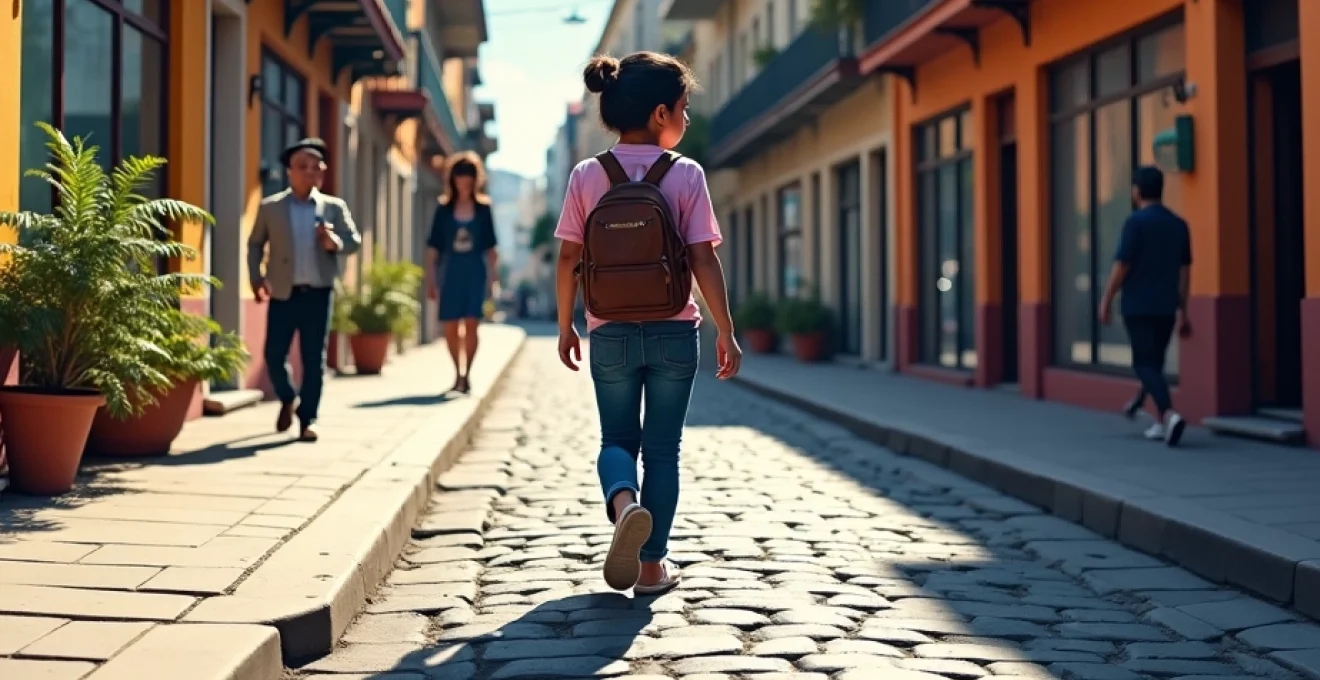
Buenos Aires pulses with an authentic rhythm that most tourists never experience. Beyond the polished attractions and sanitised tour routes lies a city where porteños live, work, and celebrate according to traditions that have evolved over centuries. The capital of Argentina offers layers of cultural depth that reveal themselves only to those willing to venture into neighbourhood asadores, participate in mate ceremonies, and embrace the spontaneous social customs that define daily life in this extraordinary metropolis.
Understanding Buenos Aires requires more than visiting iconic landmarks; it demands immersion in the microcultures that exist within each barrio, appreciation for gastronomic rituals that extend far beyond dining, and participation in the social customs that bind communities together. This vibrant city rewards curious travellers who seek experiences that reflect the genuine spirit of porteño life, from underground tango milongas in San Telmo to community asados in Villa Crick.
Navigate buenos aires’ barrio microcultures like a porteño
Each neighbourhood in Buenos Aires maintains distinct cultural characteristics that reflect different waves of immigration, economic development, and social evolution. Understanding these microcultures provides insight into how porteños identify with their immediate communities while participating in the broader metropolitan experience. Local residents often speak with pride about their barrio’s unique character, whether discussing the bohemian artistic legacy of San Telmo or the innovative culinary scene flourishing in Palermo Soho.
San telmo’s antique markets and underground tango milongas
San Telmo’s cobblestone streets host weekly antique markets that serve as community gathering spaces where elderly porteños share stories about objects from Argentina’s past. The neighbourhood’s authentic tango culture thrives in basement milongas where locals practice traditional dance forms without tourist fanfare. These intimate venues often require knowledge of specific entry protocols and respect for established social hierarchies among dancers.
The barrio’s colonial architecture houses independent artists, vintage clothing collectors, and families who have maintained the same businesses for multiple generations. Exploring San Telmo during weekday mornings reveals a quieter side where residents conduct daily routines away from weekend tourist crowds. Local parrillas serve traditional cuts of meat using family recipes that have remained unchanged for decades.
Palermo soho’s independent designer boutiques and speakeasy culture
Palermo Soho represents contemporary Buenos Aires creativity through independent fashion designers who operate small boutiques featuring limited-production clothing and accessories. The neighbourhood’s speakeasy culture reflects Argentina’s historical relationship with prohibition-era aesthetics, creating intimate drinking establishments that require local knowledge to discover. These venues often feature innovative cocktails incorporating traditional Argentine spirits like fernet and mate-infused liqueurs.
Young professionals and creative entrepreneurs frequent weekend markets where local artisans sell handcrafted goods alongside organic produce from surrounding agricultural regions. The area’s rooftop bars provide panoramic city views while maintaining the intimate atmosphere that characterises porteño social gatherings. Evening strolls through tree-lined streets reveal hidden courtyards where residents gather for impromptu asados and live acoustic music performances.
Villa crick’s street art collectives and community asados
Villa Crick showcases Buenos Aires’ most innovative street art through organised collectives that transform industrial spaces into outdoor galleries. Community asados occur regularly in public spaces where neighbours contribute ingredients and cooking expertise to create shared meals that strengthen social bonds. These gatherings demonstrate how porteños maintain strong community connections despite living in a massive metropolitan area.
Local artists collaborate on large-scale murals that address social issues while celebrating Argentine cultural identity through visual storytelling. The neighbourhood’s community centres host workshops where residents learn traditional crafts, participate in neighbourhood improvement projects, and organise cultural events that preserve local traditions while embracing contemporary influences.
Barracas’ industrial heritage sites and local parrilla traditions
Barracas preserves Buenos Aires’ industrial history through converted factory spaces that now house artist studios, community centres, and traditional parrillas that serve working-class families. The neighbourhood’s authentic dining establishments maintain parrilla traditions that predate tourist-oriented steakhouses, offering exceptional quality at prices that reflect local economic realities rather than international expectations.
Former textile factories and metalworking shops have been transformed into cultural spaces where residents participate in tango lessons, poetry readings, and political discussions that reflect Argentina’s complex social dynamics. Weekend football matches in local parks bring together multiple generations who maintain fierce loyalty to neighbourhood teams while participating in friendly rivalries that strengthen community identity.
Master buenos aires’ gastronomic rituals beyond tourist restaurants
Argentine cuisine extends far beyond the simplified steakhouse experience marketed to international visitors. Authentic porteño dining culture involves complex social protocols, regional specialties, and communal practices that transform meals into social ceremonies. Understanding these gastronomic rituals provides access to dining experiences that reflect genuine local culture while offering exceptional value compared to tourist-oriented establishments.
Traditional parrilla etiquette at neighbourhood asadores
Neighbourhood parrillas operate according to established social protocols that govern everything from table sharing practices to appropriate ordering sequences. Experienced asadores develop personal relationships with regular customers , often recommending cuts of meat based on individual preferences and cooking them to precise specifications that reflect years of culinary expertise. These establishments typically source meat from specific regional suppliers, maintaining quality standards that ensure consistent excellence.
Understanding proper parrilla etiquette involves recognising the social significance of shared meals, appropriate wine pairings, and the timing of different courses throughout extended dining experiences. Local families often spend entire Sunday afternoons at neighbourhood parrillas, treating these venues as extensions of their homes where multiple generations gather to maintain family traditions and celebrate special occasions.
Mate ceremony protocols in plaza de mayo gatherings
Mate consumption involves specific social protocols that demonstrate respect for Argentine traditions while facilitating community bonding experiences. Public gatherings in Plaza de Mayo and other central locations provide opportunities to observe authentic mate ceremonies where participants follow established sharing practices, conversation patterns, and preparation techniques that have remained consistent across generations.
Learning proper mate etiquette requires understanding the significance of temperature control, sharing sequences, and appropriate topics for discussion during these social rituals. Participating in mate circles creates immediate connections with local residents who appreciate foreign visitors’ genuine interest in Argentine cultural practices rather than superficial tourist observations.
Empanada regional variations from salta and tucumán provinces
Buenos Aires empanada culture reflects Argentina’s diverse regional traditions through specialised establishments that maintain authentic preparation methods from specific provinces. Salta-style empanadas feature distinctive spice combinations and meat preparations that differ significantly from Buenos Aires variations, while Tucumán empanadas incorporate unique vegetable combinations that reflect northern Argentina’s agricultural traditions.
Local empanada shops often specialise in specific regional styles, with family recipes that have been preserved through multiple generations of immigration from interior provinces. Understanding these regional variations enhances appreciation for Argentina’s cultural diversity while providing access to authentic flavours that represent different aspects of national identity.
Choripán street vendor culture at estadio alberto J. armando
Football stadium choripán vendors maintain longstanding traditions that combine exceptional food quality with passionate sports culture. These mobile parrillas operate according to established territorial agreements, with individual vendors developing loyal followings among regular match attendees who appreciate specific preparation styles and sauce combinations.
The social dynamics surrounding choripán consumption involve passionate discussions about football strategy, political commentary, and neighbourhood gossip that creates community connections among strangers united by shared team loyalty. Vendor relationships often extend across multiple seasons, with regular customers receiving preferential treatment and customised preparations that reflect personal preferences developed over years of interaction.
Picadas bar culture in boedo and constitución districts
Traditional picadas bars serve small plates designed for extended social gatherings where friends and colleagues gather after work to discuss daily events while sharing affordable, high-quality food. These establishments maintain community atmosphere through familiar staff, regular clientele, and consistent menu offerings that provide comfort food experiences for local residents.
Boedo and Constitución districts preserve authentic picadas culture through neighbourhood bars that operate as informal community centres where residents exchange information, celebrate personal milestones, and maintain social connections that strengthen local community bonds. These venues often feature live music performances that showcase local talent while providing entertainment that reflects genuine porteño musical preferences rather than tourist-oriented tango shows.
Experience authentic porteño social customs and weekend rituals
Porteño social customs follow rhythms that differ significantly from other international metropolitan areas, with weekend rituals that extend well into Sunday evening and social gatherings that prioritise conversation and community connection over structured entertainment. Understanding these customs provides insight into values that prioritise family relationships, intellectual discussion, and shared cultural experiences that have defined Buenos Aires society for generations.
Sunday afternoon gatherings in neighbourhood parks demonstrate how porteños maintain extended family connections while participating in community activities that bring together multiple generations. These informal celebrations often include impromptu football matches, shared meals, and musical performances that create spontaneous entertainment without commercial organisation or tourist infrastructure.
Evening social customs involve late dining schedules that accommodate work patterns and social preferences, with dinner typically beginning after 9 PM and continuing through midnight conversation that covers topics ranging from politics to literature. These extended social interactions reflect cultural values that prioritise relationship building over efficiency, creating opportunities for meaningful personal connections that strengthen community bonds.
Weekend market experiences provide opportunities to observe authentic consumer culture where residents negotiate prices, evaluate product quality, and maintain relationships with vendors who have served neighbourhood communities for decades. These markets offer exceptional value while providing access to regional products that reflect Argentina’s agricultural diversity and traditional preparation methods.
Navigate buenos aires’ public transport network like local commuters
The Buenos Aires public transport system reflects the city’s complex social geography through different lines that serve distinct neighbourhoods and demographic groups. Local commuters develop sophisticated knowledge about timing, route connections, and alternative transportation options that enable efficient movement throughout the metropolitan area while avoiding crowded conditions and potential delays.
Understanding the SUBE card system and transportation schedules provides access to affordable citywide mobility that connects remote neighbourhoods with central business districts. Peak hour patterns differ from other international cities , with afternoon rush periods extending later into the evening as porteños maintain flexible work schedules that accommodate extended lunch breaks and late-evening social commitments.
Bus route networks operate according to complex numbering systems that require local knowledge to navigate effectively, but provide comprehensive coverage that reaches every neighbourhood within the metropolitan area. Experienced commuters develop preferences for specific drivers, understand informal boarding protocols, and maintain awareness of safety considerations that ensure comfortable travel experiences throughout different areas of the city.
Metro system expansion continues to improve connectivity between established neighbourhoods and emerging residential areas, with new stations that incorporate modern safety features while maintaining the architectural character that reflects Buenos Aires’ historical development patterns. Weekend service modifications provide opportunities for leisurely urban exploration while avoiding weekday commuter crowds that can create uncomfortable conditions for visitors unfamiliar with local transportation customs.
Discover underground cultural movements in contemporary buenos aires
Buenos Aires maintains vibrant underground cultural scenes that operate independently from mainstream entertainment industries, creating authentic artistic experiences that reflect contemporary social concerns while preserving traditional cultural forms. These movements provide insight into how younger generations of porteños express creativity while addressing political issues, economic challenges, and cultural identity questions that define modern Argentine society.
Independent theatre scene in Off-Corrientes venues
Alternative theatre venues throughout Buenos Aires showcase experimental productions that address contemporary social issues through innovative staging techniques and collaborative artistic processes. These intimate spaces often occupy converted warehouses, basement locations, and community centres where audiences participate in immersive experiences that blur traditional boundaries between performers and spectators.
Local theatre collectives develop original works that incorporate Argentine literary traditions while exploring themes relevant to contemporary urban life, including economic inequality, political corruption, and cultural identity concerns. These productions often feature minimal ticket prices that ensure accessibility for diverse audiences while supporting emerging artists who maintain artistic independence from commercial entertainment industries.
Electronic music collectives in former industrial warehouses
Electronic music scenes thrive in converted industrial spaces where local DJs and producers create events that showcase Argentine electronic music alongside international influences. These venues maintain underground atmosphere through word-of-mouth promotion, selective entry policies, and programming that prioritises artistic innovation over commercial appeal.
Production collectives often incorporate traditional Argentine musical elements into electronic compositions, creating hybrid forms that reflect cultural fusion while appealing to younger generations seeking authentic local entertainment experiences. Weekend events frequently continue until dawn, following porteño social customs that embrace extended nightlife experiences as opportunities for community building and artistic expression.
Literary café culture and book exchange networks
Buenos Aires literary culture extends beyond famous bookstores through neighbourhood cafés that host regular poetry readings, author discussions, and book exchange events where local writers interact with readers in intimate settings. These gatherings maintain intellectual traditions that have defined porteño culture while providing platforms for emerging authors to share work and develop audiences.
Community book exchange networks operate through informal social connections where residents share literature recommendations, organise discussion groups, and participate in collaborative reading projects that strengthen neighbourhood cultural life. Many cafés maintain lending libraries where customers can access diverse literary collections while contributing to community knowledge sharing that reflects Buenos Aires’ reputation as a literary capital.
Community radio stations broadcasting neighbourhood stories
Neighbourhood radio stations provide platforms for local residents to share community news, cultural programming, and personal stories that reflect diverse perspectives within Buenos Aires society. These stations often operate from community centres, cultural organisations, and volunteer-run facilities that depend on local support rather than commercial advertising revenue.
Programming typically includes music from local artists, interviews with neighbourhood business owners, and discussions about community issues that affect daily life for area residents. Volunteer broadcasters often represent different demographic groups, creating diverse programming that reflects the multicultural character of contemporary Buenos Aires while maintaining focus on hyperlocal concerns and interests.
Participate in traditional porteño leisure activities and sports culture
Sports culture in Buenos Aires extends far beyond professional football through neighbourhood clubs that maintain facilities for diverse athletic activities while serving as community centres where residents of all ages participate in recreational programmes. Local sports clubs often feature swimming pools, tennis courts, and gymnasium facilities that provide affordable access to fitness activities while fostering social connections among neighbourhood families.
Basketball courts in public parks host regular pickup games where players of varying skill levels participate in informal competitions that build community connections while providing exercise opportunities. These games often include players ranging from teenagers to middle-aged adults who maintain friendships through consistent participation in neighbourhood sports activities that operate according to established social protocols and fair play principles.
Cycling groups organise weekend rides through different neighbourhoods, providing opportunities to explore areas beyond typical tourist routes while participating in environmentally conscious transportation alternatives that appeal to health-conscious porteños. These group rides often include stops at traditional cafés where participants share mate and discuss route planning while building relationships that extend beyond cycling activities.
Public exercise equipment in neighbourhood parks provides free access to fitness activities while creating opportunities for informal instruction and motivation among residents who maintain active lifestyles despite urban living constraints. Morning exercise routines often include group activities where participants encourage each other while participating in cardiovascular and strength training exercises that promote community health and social interaction within local park systems.