Madeira’s dramatic volcanic coastline and crystal-clear Atlantic waters create an unparalleled aquatic playground that attracts water enthusiasts from across the globe. This Portuguese archipelago, often dubbed the “Hawaii of Europe,” offers an extraordinary combination of warm subtropical climate, diverse marine ecosystems, and unique geological formations that transform every water-based adventure into an unforgettable experience. The island’s year-round temperatures ranging from 18°C to 24°C provide perfect conditions for marine exploration, while its protected status ensures pristine underwater environments teeming with endemic species.
The surrounding waters benefit from the Gulf Stream’s warming influence, creating an ideal environment for both beginner and advanced aquatic activities. From the dramatic cliffs of Cabo Girão to the natural volcanic pools of Porto Moniz, Madeira presents a stunning variety of aquatic experiences that showcase the island’s remarkable biodiversity and geological heritage. Whether you’re seeking adrenaline-pumping adventures or peaceful contemplative moments on the water, this Atlantic gem delivers experiences that rival any tropical destination.
Ocean-based adventure sports along madeira’s volcanic coastline
Madeira’s unique position in the Atlantic Ocean creates exceptional conditions for ocean-based adventure sports, with the island’s volcanic origins providing dramatic underwater topography and diverse marine habitats. The surrounding deep waters, reaching depths of over 3,000 metres just kilometres from shore, support an incredible variety of pelagic species and create perfect conditions for numerous aquatic adventures.
Deep-sea sport fishing in the desertas islands marine reserve
The waters surrounding the Desertas Islands, a protected marine reserve located 25 kilometres southeast of Madeira, offer some of Europe’s finest deep-sea fishing opportunities. These nutrient-rich waters attract impressive pelagic species including blue marlin, big-eye tuna, and Atlantic blue fin tuna, with recorded catches exceeding 300 kilograms. Professional charter operators utilise advanced fish-finding technology and maintain strict catch-and-release protocols to preserve the marine ecosystem’s integrity.
The fishing season peaks between May and October when water temperatures reach optimal levels and baitfish populations concentrate near the surface. Experienced anglers report success rates above 80% for billfish encounters, while novice fishermen can target smaller pelagic species such as dorado and wahoo. The reserve’s protected status ensures healthy fish populations and provides opportunities to observe marine wildlife including pilot whales and bottlenose dolphins during fishing expeditions.
Technical scuba diving at garajau marine nature reserve
Established in 1986, the Garajau Marine Nature Reserve represents one of Europe’s premier diving destinations, featuring underwater volcanic formations, artificial reefs, and diverse marine communities. The reserve encompasses over 376 hectares of protected waters where fishing restrictions have allowed marine populations to flourish, creating an underwater sanctuary that showcases Madeira’s exceptional biodiversity.
Technical divers can explore dramatic drop-offs, underwater caves, and volcanic rock formations at depths ranging from 12 to 40 metres. The artificial reef created by the sunken vessel “Afonso Cerqueira” serves as a focal point for marine life, attracting schools of barracuda, groupers, and occasional visits from angel sharks. Water visibility consistently exceeds 25 metres, while the absence of strong currents makes these sites accessible to divers of various experience levels.
The Garajau Marine Nature Reserve maintains water temperatures between 18°C and 24°C year-round, providing comfortable diving conditions that eliminate the need for thick wetsuits and extend bottom times significantly.
Big wave surfing at paul do mar and jardim do mar breaks
Madeira’s southwestern coastline features world-class surf breaks that have attracted international recognition and hosted professional surfing competitions. Paul do Mar and Jardim do Mar offer consistent swells generated by Atlantic storm systems, creating waves that can exceed 4 metres during optimal conditions. These breaks benefit from deep-water approaches that allow swells to maintain their power until they encounter the volcanic coastline.
The optimal surfing season extends from October through April when North Atlantic storms generate powerful swells that travel thousands of kilometres before reaching Madeira’s shores. Advanced surfers appreciate the consistency and quality of these breaks, which offer both left and right-hand waves depending on swell direction and tide conditions. Local surf schools provide equipment rental and instruction for beginners, while experienced surfers can access more challenging breaks along the island’s exposed northern coastline.
Open water swimming challenges around ilhéu de baixo
The small islet of Ilhéu de Baixo, located off Madeira’s eastern coast near Caniçal, provides an ideal setting for open water swimming challenges and endurance training. This uninhabited rocky outcrop creates calmer water conditions in its lee, while the surrounding deep waters offer crystal-clear visibility and minimal boat traffic. The swimming route around the islet covers approximately 2.5 kilometres and features varied underwater topography that adds interest to training sessions.
Open water swimmers benefit from year-round water temperatures that remain above 18°C, eliminating the need for thermal protection during most of the year. The route offers multiple exit points for safety, while the clear water allows swimmers to observe the abundant marine life below. Local swimming clubs organise regular group swims and competitions, providing opportunities for visitors to participate in organised events while exploring this unique aquatic environment.
Levada-fed natural swimming pools and volcanic rock formations
Madeira’s unique irrigation system, known as levadas, has created numerous opportunities for freshwater swimming in mountain pools and waterfalls. These man-made channels, originally constructed to transport water from the island’s mountainous interior to agricultural areas, now provide access to some of Europe’s most spectacular natural swimming locations. The levada system spans over 2,500 kilometres and passes through diverse ecosystems, from laurel forests to alpine meadows.
Porto moniz volcanic pools navigation and safety protocols
The natural volcanic swimming pools of Porto Moniz represent one of Madeira’s most iconic aquatic attractions, formed by ancient lava flows that created protective barriers against Atlantic swells. These pools maintain constant water exchange with the ocean through underwater channels, ensuring fresh seawater circulation while providing protection from waves and currents. The complex includes both natural pools and constructed facilities that enhance safety and accessibility.
Water temperatures in the pools typically range 2-3°C above ambient ocean temperatures due to solar heating and reduced water circulation. The pools feature varying depths from shallow children’s areas to deeper sections suitable for swimming and diving. Safety protocols include marked depth indicators, emergency equipment, and lifeguard supervision during peak seasons. The facility also provides changing rooms, shower facilities, and equipment rental for snorkelling and swimming.
Navigation within the pool complex requires awareness of tidal conditions and wave activity, as larger swells can create stronger currents through the connecting channels. The pools offer excellent opportunities for underwater exploration, with volcanic rock formations creating interesting swim-through passages and protected areas for marine life observation. Regular maintenance ensures the pools remain free of debris while preserving their natural character.
Seixal black sand beach swimming techniques
Seixal’s distinctive black volcanic sand beach creates unique swimming conditions that require specific techniques and awareness of local environmental factors. The beach’s composition of fine volcanic particles creates different thermal properties compared to traditional sand beaches, with the dark material absorbing and retaining heat more effectively. This characteristic can create localised warm zones in shallow water areas while potentially causing discomfort for barefoot beach access.
Swimming techniques at Seixal must account for the beach’s steep underwater profile and potential for shore break waves that can create challenging entry and exit conditions. The volcanic sand can become suspended in the water column during rough conditions, reducing visibility and requiring swimmers to rely more heavily on other senses for navigation. Experienced swimmers recommend entering the water during calmer periods and swimming parallel to shore to avoid potential rip currents.
Doca do cavacas artificial saltwater complex
Located in Funchal, the Doca do Cavacas artificial saltwater swimming complex represents innovative coastal engineering that creates controlled marine environments for recreational swimming. This facility combines natural seawater circulation with engineered structures to provide safe swimming conditions regardless of ocean conditions. The complex features multiple pools of varying depths, connected to the ocean through controlled channels that maintain water quality while reducing wave action.
The engineering behind Doca do Cavacas includes sophisticated filtration systems and tidal gates that regulate water exchange while preventing the entry of larger marine debris. The facility maintains consistent water quality through natural circulation and periodic flushing during high tide cycles. Swimming in these pools provides an excellent introduction to ocean swimming for those transitioning from freshwater environments, as the saltwater buoyancy and mineral content replicate open ocean conditions.
Ribeira brava natural lagoon exploration methods
The natural lagoon system near Ribeira Brava offers unique freshwater swimming opportunities within a subtropical coastal environment. These lagoons form through seasonal rainfall collection and underground springs that create temporary or permanent water bodies with characteristics distinct from both ocean and mountain water sources. The lagoons support endemic plant and animal species while providing calm water conditions ideal for contemplative swimming and nature observation.
Exploration techniques for these lagoons emphasise minimal environmental impact and wildlife preservation. Swimmers should employ quiet entry methods to avoid disturbing nesting birds and aquatic creatures that depend on these fragile ecosystems. The water temperature in these lagoons can vary significantly based on seasonal conditions, depth, and exposure to sunlight, creating distinct thermal layers that add complexity to the swimming experience.
Aquatic thermal springs and geothermal water experiences
Madeira’s volcanic origins create numerous opportunities for geothermal water experiences, though most of the island’s thermal activity occurs underwater or in areas not suitable for direct human contact. However, several locations offer warm water experiences created by solar heating of shallow pools, underwater volcanic activity, and geothermal influences that create temperatures above ambient levels. These unique aquatic environments provide therapeutic benefits while showcasing the island’s geological activity.
The therapeutic properties of Madeira’s geothermally-influenced waters stem from elevated mineral content including sulphur compounds, magnesium, and trace elements that can benefit skin conditions and muscle recovery. Natural warm water pools form in protected coastal areas where underground thermal activity influences water temperature, creating comfortable swimming conditions even during cooler months. These locations require careful identification and assessment of water quality before use, as thermal activity can vary seasonally and may affect chemical composition.
Geothermal influences in Madeira’s coastal waters create unique microenvironments where water temperatures can exceed ambient levels by 5-8°C, providing natural heated swimming areas that offer therapeutic benefits throughout the year.
Access to genuine thermal spring experiences often requires guided exploration with local experts who understand the seasonal variations and safety considerations associated with geothermal activity. Some locations feature intermittent thermal activity that creates temporary warm water conditions, while others maintain consistent elevated temperatures year-round. The combination of mineral-rich water and elevated temperatures can provide therapeutic benefits for joint conditions, muscle tension, and skin health.
Professional water sports equipment rental hubs in funchal marina
Funchal Marina serves as the primary hub for water sports equipment rental and maritime services in Madeira, offering comprehensive facilities that support virtually every type of aquatic activity. The marina’s strategic location provides easy access to diverse marine environments, from sheltered bay conditions ideal for beginners to open ocean areas suitable for advanced water sports. Professional equipment rental services ensure visitors have access to high-quality, well-maintained gear without the need to transport personal equipment.
Stand-up paddleboard rentals at marina do funchal
Marina do Funchal hosts several specialised paddleboard rental operations that cater to different skill levels and activity preferences. These services provide high-quality inflatable and rigid SUP boards designed for various conditions, from calm bay exploration to open ocean touring. Professional staff offer equipment orientation and basic instruction to ensure safety and maximise enjoyment for first-time paddleboarders.
Rental packages typically include paddleboards, paddles, safety leashes, and personal flotation devices, with optional additions such as waterproof storage containers and snorkelling equipment. Advanced paddlers can access touring boards designed for longer excursions and choppy water conditions, while beginners benefit from wider, more stable platforms that facilitate learning. The marina’s location provides immediate access to protected waters ideal for skill development before venturing into more challenging environments.
Kayak outfitters for cabo girão cliff expeditions
Specialised kayak rental services at Funchal Marina focus particularly on expeditions to Cabo Girão, one of Europe’s highest sea cliffs at 580 metres. These outfitters provide sea kayaks specifically designed for ocean conditions, including features such as sealed storage compartments, rudder systems, and emergency safety equipment. Professional guidance ensures participants understand the challenges associated with paddling in proximity to such dramatic coastal features.
Cabo Girão expeditions require advanced planning and appropriate weather conditions due to the potential for strong winds and sea conditions near the cliff base. Outfitters provide comprehensive safety briefings and typically require demonstration of basic kayaking skills before approving participants for cliff expeditions. The experience offers unparalleled perspectives of Madeira’s dramatic coastline while providing opportunities to observe seabirds and marine life in their natural habitat.
Catamaran charter services for dolphin watching tours
Funchal Marina hosts numerous catamaran charter services specialising in dolphin and whale watching expeditions that combine comfortable sailing with exceptional wildlife viewing opportunities. These vessels feature stable platforms ideal for photography and wildlife observation, with experienced crews who understand local marine mammal behaviour and seasonal patterns. The catamarans’ shallow draft allows access to coastal areas where dolphins commonly feed and play.
Professional charter services maintain detailed logs of cetacean sightings and seasonal patterns, enabling them to optimise tour routes for maximum wildlife encounter potential. Modern catamarans feature hydrophone systems that allow passengers to listen to dolphin communications, while some vessels include underwater viewing windows for enhanced marine life observation. The combination of sailing and wildlife watching creates memorable experiences that showcase Madeira’s marine biodiversity.
Jet ski rental operators for coastal exploration
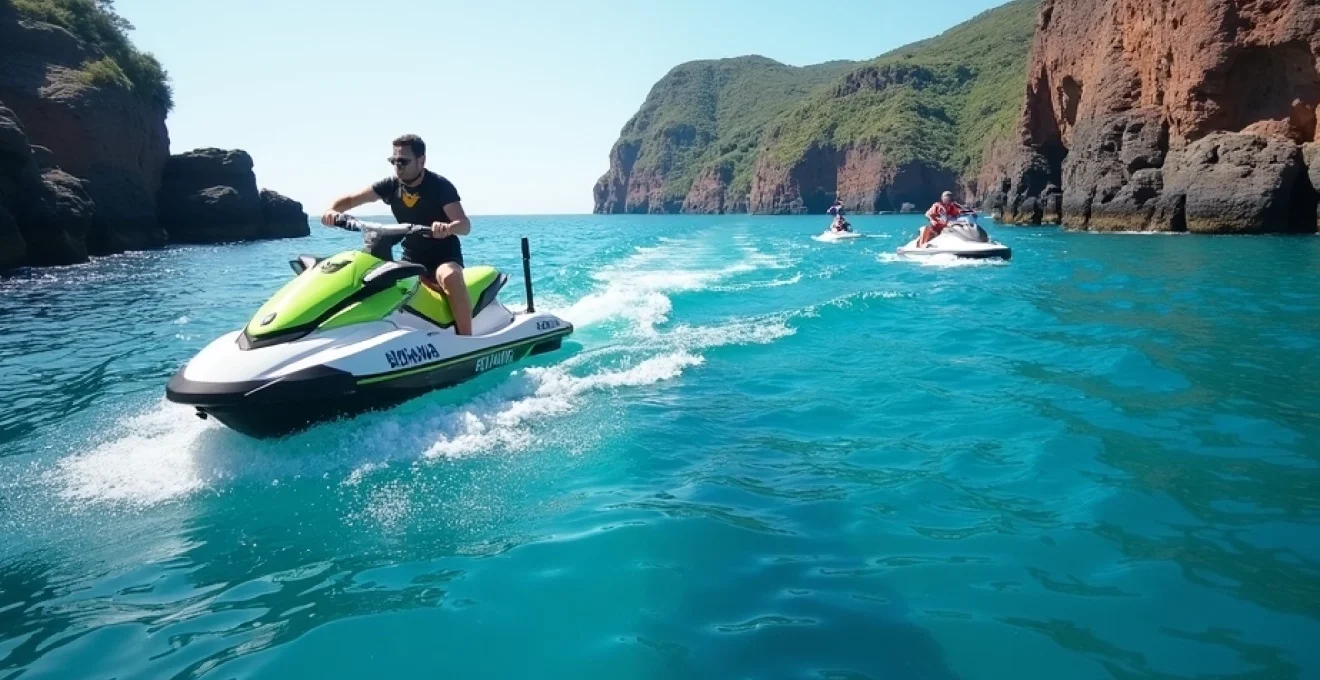
Several professional jet ski rental operators based at Funchal Marina provide high-performance personal watercraft suitable for coastal exploration and adventure activities. These services offer modern, well-maintained jet skis equipped with GPS navigation systems and emergency communication devices. Comprehensive safety briefings cover local regulations, navigation hazards, and emergency procedures specific to Madeira’s coastal waters.
Jet ski exploration opportunities include guided tours to secluded beaches, coastal caves, and offshore islets that are inaccessible by larger vessels. Rental operators provide detailed route recommendations based on current weather conditions and rider experience levels. The high-speed capabilities of modern jet skis enable coverage of significant coastal distances within single rental periods, allowing exploration of multiple locations and diverse marine environments during individual excursions.
Specialised maritime tour operators and certified dive centres
Madeira’s established tourism infrastructure includes numerous specialised maritime tour operators and certified dive centres that provide professional services for advanced aquatic activities. These organisations maintain international safety certifications and employ experienced local guides who possess intimate knowledge of Madeira’s marine environments, seasonal variations, and optimal conditions for specific activities.
Padi-certified diving schools in caniço de baixo
Caniço de Baixo hosts several internationally-recognised PADI diving centres that offer comprehensive training programs from beginner Open Water courses through advanced technical diving certifications. These facilities maintain modern equipment inventories, hyperbaric chamber access agreements, and direct relationships with local medical facilities specialising in diving medicine. The proximity to Garajau Marine Reserve provides ideal training conditions with guaranteed marine life encounters and varied underwater topography.
Professional instructors at these centres typically possess advanced certifications and extensive local diving experience, enabling them to provide insights into Madeira’s unique underwater environments that extend beyond standard certification requirements. Technical diving programs focus on deep water exploration, cave diving, and wreck diving techniques suitable for Madeira’s challenging underwater terrain. The centres also provide equipment rental, guided diving services, and specialised courses such as underwater photography and marine biology.
Whale watching specialists operating from calheta marina
Calheta Marina serves as the base for several whale watching specialists who focus specifically on cetacean research and observation rather than general tourism activities. These operators employ marine biologists and experienced captains who maintain detailed databases of local whale and dolphin populations. The vessels utilise advanced sonar and GPS tracking systems to locate marine mammals while minimising disturbance to their natural behaviours.
Professional whale watching operations from Calheta benefit from direct access to deep water environments where larger cetaceans commonly feed and migrate. The marina’s western location provides optimal access to sperm whale populations that frequent the waters between Madeira and the Canary Islands. Special
expeditions include research components where participants can contribute to ongoing cetacean studies while experiencing close encounters with these magnificent marine mammals.
Technical cave diving operations at lava tubes
Madeira’s volcanic history has created an extensive network of underwater lava tubes and caves that provide exceptional opportunities for technical cave diving. These formations, created by ancient volcanic activity, feature complex tunnel systems, air pockets, and unique geological structures that challenge even experienced cave divers. Professional cave diving operations maintain strict safety protocols and require advanced certifications due to the overhead environments and potential navigation challenges.
The lava tube systems extend both horizontally and vertically, creating three-dimensional diving environments that showcase Madeira’s geological complexity. Technical divers must demonstrate proficiency in buoyancy control, line laying, and emergency procedures before accessing these challenging environments. The caves support unique marine ecosystems adapted to low-light conditions, including endemic species found nowhere else in the Atlantic.
Specialised equipment requirements for lava tube diving include multiple light sources, guideline reels, and emergency gas supplies. The cave systems maintain consistent temperatures year-round, but limited visibility and potential silt-out conditions require advanced diving skills and extensive experience in overhead environments. Professional operators provide comprehensive training programs and guided exploration services for qualified technical divers.
Commercial fishing experience tours with local boat captains
Traditional fishing experience tours offer visitors opportunities to participate in authentic commercial fishing operations alongside experienced local captains who have fished Madeira’s waters for generations. These educational experiences combine practical fishing instruction with cultural immersion, providing insights into traditional fishing methods, local marine knowledge, and sustainable fishing practices that have sustained coastal communities for centuries.
Local fishing captains employ traditional techniques including bottom fishing for wreckfish and black scabbardfish, species that inhabit the deep waters surrounding Madeira. Participants learn to operate traditional fishing equipment, understand tide and current patterns, and develop appreciation for the skill required in commercial fishing operations. These authentic experiences often conclude with preparation of the catch using traditional Madeiran cooking methods.
Commercial fishing tours provide direct access to local maritime culture while supporting traditional fishing communities through sustainable tourism that respects both marine resources and cultural heritage.
The tours typically depart during early morning hours to maximise fishing opportunities and allow participants to experience the traditional rhythms of commercial fishing life. Captains share knowledge about weather patterns, fish behaviour, and navigation techniques developed through decades of experience. These tours often include visits to traditional fishing villages and markets, creating comprehensive cultural experiences that extend beyond simple recreational fishing.
Seasonal water temperature variations and optimal activity planning
Understanding Madeira’s seasonal water temperature variations enables optimal planning for different aquatic activities throughout the year. The island’s subtropical climate creates relatively stable marine conditions, but seasonal variations do impact activity selection and equipment requirements. Water temperatures range from 18°C during winter months to 24°C in late summer, with the Gulf Stream’s influence moderating extreme temperature fluctuations common in other Atlantic locations.
Spring months from March to May offer ideal conditions for most water activities, with increasing temperatures and calmer sea conditions following winter storms. This period provides excellent visibility for diving and snorkelling, while growing thermal layers create comfortable conditions for extended water exposure. Ocean temperatures begin rising consistently in April, reaching comfortable levels for unprotected swimming by May.
Summer conditions from June through September provide peak water temperatures and maximum daylight hours for aquatic activities. However, increased tourist activity and occasional calmer conditions may impact the availability of surf and wind-dependent activities. This season offers optimal conditions for stand-up paddleboarding, kayaking, and swimming, while diving conditions remain excellent with maximum visibility and abundant marine life activity.
Autumn months from October through December present unique advantages for specific activities, including the beginning of the prime surf season as Atlantic storm systems generate consistent swells. Water temperatures remain comfortable for most activities through November, while reduced tourist numbers provide better access to popular locations and equipment rental services. This season offers excellent conditions for whale watching as migration patterns bring different species through Madeiran waters.
Winter conditions from January through February represent the most challenging period for water activities, with cooler temperatures requiring thermal protection for extended water exposure. However, this season provides exceptional surfing conditions and unique opportunities for storm watching from coastal vantage points. Professional water sports operators often adjust schedules and offer alternative activities during periods of rough weather, ensuring visitors can maintain aquatic experiences regardless of conditions.
Activity-specific planning considerations include equipment requirements that vary seasonally, such as wetsuit thickness for diving and thermal protection for extended ocean swimming. Booking strategies should account for seasonal demand fluctuations, with summer months requiring advance reservations while winter periods often offer more flexibility and potentially reduced pricing. Weather monitoring becomes crucial during transitional seasons when conditions can change rapidly, affecting safety and enjoyment of planned activities.