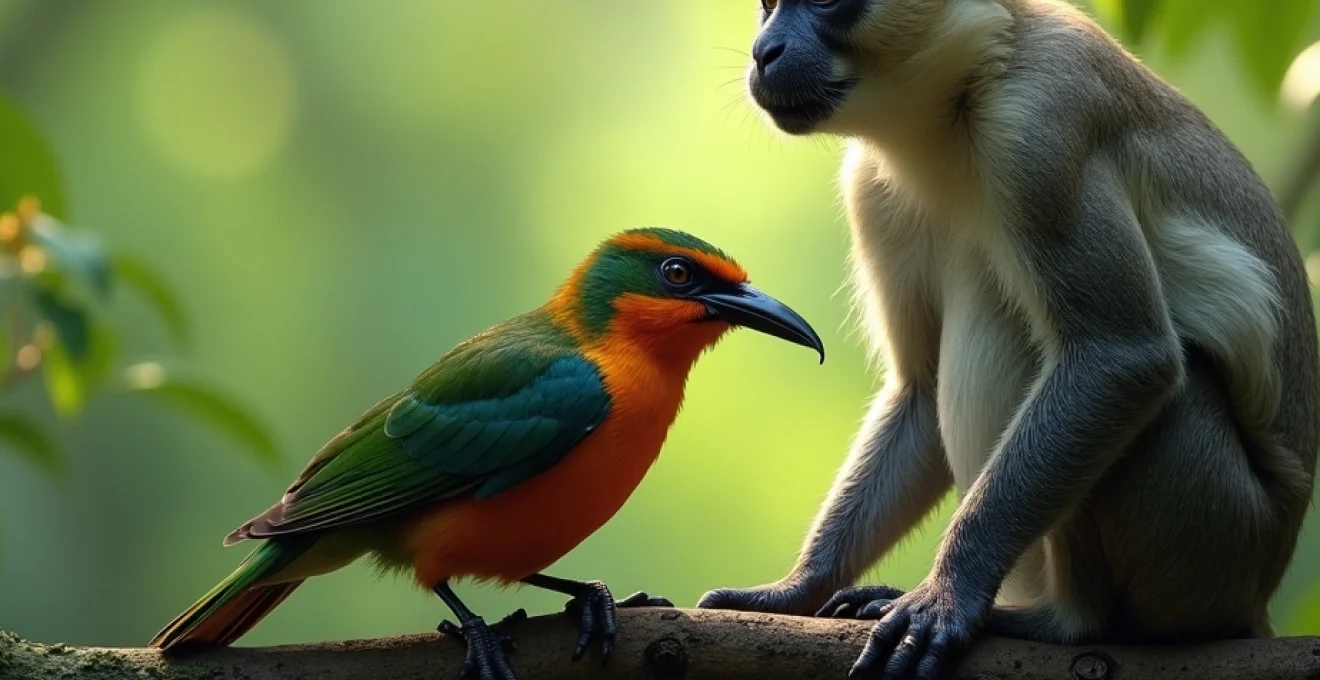
Costa Rica represents one of Earth’s most extraordinary biodiversity hotspots, containing approximately 5% of the world’s species within just 0.03% of the planet’s surface area. This Central American nation’s unique geographical position between North and South America, combined with its diverse topography ranging from coastal lowlands to mountainous cloud forests, creates an unparalleled variety of ecosystems that support over 500,000 documented species. From the misty highlands where resplendent quetzals nest to the pristine beaches where ancient sea turtles emerge to lay their eggs, Costa Rica offers wildlife enthusiasts encounters that rank among the most spectacular on Earth.
The country’s commitment to conservation has resulted in over 25% of its territory being protected through national parks, biological reserves, and wildlife refuges. This extensive network of protected areas ensures that visitors can observe wildlife in pristine natural habitats while contributing to ongoing conservation efforts. Whether you’re seeking close encounters with charismatic megafauna like jaguars and sloths or hoping to photograph rare endemic species found nowhere else on Earth, Costa Rica’s diverse ecosystems deliver consistently remarkable wildlife viewing opportunities throughout the year.
Manuel antonio national park: primate biodiversity and coastal wildlife corridors
Manuel Antonio National Park exemplifies Costa Rica’s remarkable ability to protect biodiversity within relatively compact areas. Despite covering only 683 hectares of terrestrial habitat, this Pacific coast jewel supports an extraordinary concentration of wildlife species, making it one of the most biologically diverse protected areas per square kilometre in the world. The park’s unique position where tropical rainforest meets pristine beaches creates distinct microhabitats that support both terrestrial and marine wildlife communities.
White-faced capuchin monkey behavioural patterns and feeding ecology
White-faced capuchin monkeys represent one of Manuel Antonio’s most charismatic and frequently observed primate species. These highly intelligent animals exhibit complex social structures and demonstrate remarkable adaptability in their feeding strategies. Research conducted within the park reveals that capuchin troops typically consist of 10-30 individuals led by a dominant alpha male, with females forming the stable core of the group.
Their omnivorous diet encompasses over 95 different plant species, insects, small vertebrates, and even bird eggs, demonstrating extraordinary dietary flexibility. During the dry season, when fruit becomes scarce, capuchins spend up to 75% of their foraging time extracting insects from bark crevices and searching for alternative protein sources. Visitors can observe their remarkable tool-use abilities, particularly their technique of using sticks to extract honey from bee nests and their practice of rubbing certain plants on their fur as natural insect repellent.
Three-toed sloth arboreal habitat distribution in primary forest canopies
The brown-throated three-toed sloth has become synonymous with Costa Rican wildlife, and Manuel Antonio provides exceptional opportunities to observe these remarkable creatures in their natural arboreal habitat. These specialised mammals spend approximately 90% of their lives suspended in tree canopies, descending to ground level only once weekly for defecation—a behaviour that remains one of nature’s most puzzling evolutionary mysteries.
Recent telemetry studies within Manuel Antonio reveal that individual sloths maintain territories spanning 1.5-3 hectares, preferring cecropia trees for their high nutritional content and digestibility. The park’s diverse canopy structure, featuring trees of varying heights and species composition, provides optimal conditions for sloth populations. Visitors have the highest success rates spotting sloths during early morning hours when these nocturnal animals are settling into their daytime roosting positions.
Scarlet macaw conservation success stories and population recovery metrics
Manuel Antonio’s scarlet macaw population represents one of Central America’s most successful wildlife conservation stories. Following near-extinction in the 1980s when only 25 breeding pairs remained in the region, intensive conservation efforts have restored the population to over 400 individuals. This remarkable recovery demonstrates how targeted protection measures, habitat restoration, and community engagement can reverse species decline.
The macaws’ daily movement patterns within the park follow predictable routes between feeding areas and nesting sites, typically covering 5-8 kilometres. Their preference for almendro trees during fruiting season creates spectacular viewing opportunities for visitors, particularly near Playa Espadilla where large flocks congregate. The success of artificial nesting box programs has increased breeding success rates from 45% to over 80%, ensuring continued population growth.
Marine iguana thermal regulation along pacific coastline rock formations
While marine iguanas are primarily associated with the Galápagos Islands, Manuel Antonio hosts significant populations of green iguanas that exhibit fascinating adaptations to coastal environments. These large reptiles demonstrate sophisticated thermoregulatory behaviours, positioning themselves strategically on sun-exposed rocks to achieve optimal body temperatures for efficient metabolism.
The iguanas’ daily activity patterns follow precise thermal requirements, with peak activity occurring when ambient temperatures reach 28-32°C. During cooler morning hours, dozens of iguanas can be observed basking collectively on rocky outcrops, creating impressive congregations that offer exceptional photography opportunities. Their herbivorous diet includes over 40 plant species, with particular preferences for flowering hibiscus and fruiting beach morning glory.
Monteverde cloud forest reserve: endemic species and vertical ecosystem stratification
Monteverde Cloud Forest Reserve stands as one of the world’s most celebrated examples of cloud forest conservation, protecting 10,500 hectares of pristine montane habitat that supports extraordinary levels of endemism. The reserve’s elevation range of 1,200-1,800 metres creates distinct microclimates that support species found nowhere else on Earth. The constant presence of orographic clouds provides essential moisture that sustains epiphytic communities containing over 2,500 plant species, including 420 orchid varieties.
The vertical stratification of cloud forest ecosystems creates distinct habitat zones from the forest floor to the emergent canopy layer. Each stratum supports specialised wildlife communities adapted to specific light, humidity, and temperature conditions. This three-dimensional habitat complexity enables exceptional species diversity, with over 400 bird species, 100 mammal species, and countless invertebrate taxa calling Monteverde home.
Quetzal breeding cycles and montane forest habitat requirements
The resplendent quetzal represents the pinnacle of Monteverde’s avian diversity and serves as a flagship species for cloud forest conservation. These magnificent birds require specific habitat conditions found only in undisturbed montane forests, making them excellent indicators of ecosystem health. Male quetzals develop their spectacular metre-long tail plumes exclusively during breeding season, which occurs between March and June when wild avocado trees produce abundant fruit.
Quetzal breeding success depends critically on the availability of suitable nesting cavities in dead or dying trees. Pairs excavate holes 3-9 metres above ground, with nest site selection influenced by proximity to fruiting trees and protection from prevailing winds. Climate change poses significant threats to quetzal populations, as rising temperatures may force these cold-adapted species to seek higher elevations where suitable habitat becomes increasingly scarce.
Glass frog reproductive behaviour in High-Altitude stream ecosystems
Monteverde’s glass frogs represent some of Central America’s most remarkable amphibians, with their transparent skin revealing internal organs and creating an almost otherworldly appearance. These diminutive creatures, measuring just 1.5-3 centimetres, inhabit the vegetation surrounding pristine mountain streams where males establish territories along riparian corridors.
During breeding season, male glass frogs produce distinctive calls that resonate through the cloud forest at frequencies specifically tuned to penetrate the dense atmospheric moisture. Females deposit their gelatinous egg masses on leaves overhanging streams, where males provide parental care by guarding clutches against predation. The tadpoles eventually drop into the water below, where they complete their metamorphosis in the nutrient-rich stream environment.
Howler monkey territorial vocalisations and dawn chorus dynamics
Monteverde’s mantled howler monkeys produce some of nature’s most powerful vocalisations, with their calls audible up to 5 kilometres away through dense cloud forest vegetation. These territorial announcements serve multiple functions, including troop coordination, resource defence, and mate attraction. The distinctive dawn chorus typically begins before sunrise and can continue for over an hour as different troops respond to one another across the forest.
Howler monkey social structure revolves around resource defence, particularly the protection of fruiting trees during peak feeding periods. Their specialised digestive system enables them to process large quantities of leaves, a dietary strategy that reduces competition with other primate species but requires extensive daily foraging ranges. Troops typically consist of 4-15 individuals led by a dominant male whose vocal displays maintain territorial boundaries.
Hummingbird species diversity and nectar resource competition
Monteverde supports 50 hummingbird species, representing nearly half of Costa Rica’s total hummingbird diversity. This extraordinary richness results from the cloud forest’s abundant flowering plants and complex vertical habitat structure that creates numerous ecological niches. Different hummingbird species exhibit distinct feeding preferences and foraging strategies that minimize interspecific competition for nectar resources.
The violet sabrewing, Monteverde’s largest hummingbird species, dominates high-quality nectar sources through aggressive territorial behaviour, while smaller species like the purple-crowned fairy exploit resources in the understory where competition is reduced. Seasonal flowering patterns create temporal resource partitioning, with different plant species blooming throughout the year to support year-round hummingbird populations.
Nocturnal mammal activity patterns in cloud forest understory
Monteverde’s cloud forest comes alive after dark as nocturnal mammals emerge to exploit resources unavailable during daylight hours. Kinkajous begin their nightly foraging activities shortly after sunset, using their prehensile tails and excellent climbing abilities to access fruits in the forest canopy. Two-toed sloths also become active at night, moving between feeding trees with surprising efficiency despite their reputation for slowness.
The cloud forest understory hosts several species of small cats, including ocelots and margays, which hunt primarily during nocturnal hours. These predators rely on exceptional night vision and acute hearing to locate prey in the dense vegetation. Nine species of bats utilize Monteverde’s varied habitats, from fruit-eating species that aid in seed dispersal to insectivores that help control pest populations.
Tortuguero national park: marine turtle nesting protocols and wetland avifauna
Tortuguero National Park represents one of the Western Hemisphere’s most important marine turtle nesting sites, protecting 35 kilometres of pristine Caribbean coastline where four species of sea turtles come ashore to reproduce. The park’s unique ecosystem combines coastal beaches, freshwater lagoons, and primary rainforest, creating habitat diversity that supports over 400 bird species and countless other wildlife taxa. The name “Tortuguero” derives from the Spanish word for turtle, reflecting the area’s historical significance as a turtle nesting ground.
The park’s canal system provides exceptional opportunities for wildlife observation, with boat excursions revealing an extraordinary array of species adapted to aquatic and semi-aquatic lifestyles. These waterways serve as crucial corridors for wildlife movement between different habitat types, enabling species to access feeding, breeding, and shelter resources throughout their life cycles.
Green sea turtle arribada phenomenon and nesting site fidelity
Green sea turtles demonstrate remarkable site fidelity to Tortuguero’s beaches, with females returning to nest on the same stretches of sand where they were born decades earlier. This phenomenon, known as natal homing, ensures genetic connectivity between generations and maintains the evolutionary adaptations that enable successful reproduction in specific environmental conditions. Peak nesting occurs between July and October, when up to 22,000 nests may be recorded in a single season.
The nesting process requires precise environmental conditions, including optimal sand temperature, appropriate grain size for nest excavation, and minimal artificial lighting that could disorient emerging hatchlings. Female green turtles typically nest every 2-3 years, producing 3-5 clutches per season with approximately 110 eggs per nest. Incubation temperatures determine hatchling sex ratios, with warmer sand producing more females—a factor that makes turtle populations particularly vulnerable to climate change impacts.
Leatherback turtle conservation monitoring techniques
Leatherback turtles represent the ocean’s largest reptile species and face severe population declines throughout their global range. Tortuguero serves as a critical nesting site for the critically endangered Pacific leatherback population, requiring intensive monitoring and protection efforts. These massive turtles, which can exceed 900 kilograms, prefer nesting on high-energy beaches where powerful waves provide optimal conditions for nest site selection.
Conservation monitoring involves satellite telemetry tracking to understand migration patterns, genetic sampling to assess population structure, and detailed nest monitoring to improve hatching success rates. Leatherback nests require protection from both natural predators and human disturbance, with conservation teams conducting nightly patrols during peak nesting season. Temperature monitoring within nests helps predict hatching dates and enables coordinated protection efforts during the vulnerable emergence period.
Great green macaw population dynamics in riparian forest corridors
The great green macaw represents one of Central America’s most endangered bird species, with Costa Rica hosting approximately 35% of the remaining global population. Tortuguero’s riparian forests provide critical habitat for these magnificent birds, whose survival depends on large almendro trees that provide both nesting cavities and essential food resources. Great green macaws require enormous home ranges spanning hundreds of hectares, making habitat connectivity crucial for population viability.
Breeding pairs typically produce only one offspring every two years, making population recovery extremely slow following historical declines. The species exhibits complex foraging behaviour, timing reproduction to coincide with almendro fruiting seasons and travelling vast distances to access dispersed food resources. Conservation efforts focus on protecting existing breeding pairs and maintaining forest corridors that enable genetic exchange between isolated populations.
Caiman crocodilus habitat utilisation in freshwater canal systems
Tortuguero’s extensive canal network supports thriving populations of spectacled caimans, providing excellent opportunities to observe these adaptable crocodilians in their natural habitat. These semi-aquatic predators demonstrate remarkable behavioural flexibility, utilizing different sections of the canal system for specific activities including basking, feeding, and reproduction. Adult caimans can exceed 2.5 metres in length and serve as apex predators in freshwater ecosystems.
Caiman behaviour varies significantly with seasonal water level fluctuations, with individuals concentrating in deeper channels during dry periods and dispersing throughout flooded areas during rainy season. Their diet includes fish, crustaceans, small mammals, and birds, with hunting strategies adapted to different prey types. Nesting occurs during dry season when females construct mound nests using vegetation and mud, with maternal care continuing for several months after hatching.
Corcovado national park: apex predator encounters and biodiversity hotspot analysis
Corcovado National Park stands as Costa Rica’s crown jewel of biodiversity conservation, protecting 47,757 hectares of pristine primary rainforest on the Osa Peninsula. This park contains approximately 2.5% of the world’s biodiversity within its boundaries, earning recognition from National Geographic as “the most biologically intense place on Earth.” The park’s remote location and strict access controls have preserved ecosystems largely unchanged for millennia, providing refuge for species that have disappeared from other areas of Central America.
The park’s diverse topography, ranging from coastal mangroves to montane forests, creates numerous distinct habitats that support extraordinary species richness. Thirteen distinct ecosystems within Corcovado host over 140 mammal species, including healthy populations of large predators that serve as indicators of ecosystem health. The presence of jaguars, pumas, ocelots, and other apex predators demonstrates the park’s success in maintaining complete food webs and natural ecological processes.
Corcovado represents one of the few remaining areas in Central America where visitors can experience truly pristine tropical rainforest ecosystems with intact predator-prey relationships and minimal human impact.
Access to Corcovado requires careful planning and typically involves multi-day hiking expeditions with experienced guides. The park’s four ranger stations provide basic accommodation and serve as starting points for exploring different sections of this vast wilderness. Wildlife encounters in Corcovado often surpass those possible in other protected areas due to the park’s large size, habitat diversity, and low human disturbance levels.
The park’s isolation and challenging access conditions have paradoxically contributed to its conservation success by limiting visitor numbers and maintaining the pristine conditions essential for sensitive species. Baird’s tapirs, giant anteaters, and scarlet macaws thrive in Corcovado’s protected environment, offering visitors opportunities to observe these species in completely natural settings. The park’s beaches
also serve as critical nesting habitat for hawksbill and leatherback turtles, adding marine conservation significance to this terrestrial biodiversity hotspot.
The Baird’s tapir, Central America’s largest native land mammal, finds sanctuary within Corcovado’s pristine forests where their populations remain stable despite regional declines elsewhere. These gentle giants, weighing up to 400 kilograms, serve as ecosystem engineers by dispersing seeds throughout the forest and creating trails that other wildlife species utilize. Encounters with tapirs typically occur near freshwater sources during early morning or late evening hours when these primarily nocturnal animals venture to rivers and streams.
Jaguar sightings represent the ultimate wildlife encounter for visitors to Corcovado, though these elusive apex predators require exceptional patience and luck to observe. The park supports Central America’s highest density of jaguars, with an estimated 40-50 individuals utilizing the protected habitat. Their presence indicates the complete integrity of Corcovado’s ecosystem, as jaguars require vast territories and abundant prey populations to maintain viable breeding populations.
Specialized wildlife photography techniques for costa rican endemic species
Photographing Costa Rica’s diverse wildlife requires specialized techniques adapted to challenging tropical conditions and the unique behaviours of endemic species. The country’s high humidity, variable lighting conditions, and dense vegetation create technical challenges that demand specific equipment configurations and shooting strategies. Understanding animal behaviour patterns and optimal timing becomes crucial for capturing compelling images while maintaining ethical wildlife viewing practices.
Macro photography proves essential for documenting Costa Rica’s extraordinary arthropod diversity, particularly the countless species of butterflies, beetles, and arachnids that inhabit different forest layers. Ring flash systems provide even illumination for close-up work while minimizing shadows caused by dense canopy cover. Focus stacking techniques enable sharp detail throughout the entire subject when shooting at high magnifications, particularly important for documenting intricate wing patterns of endemic butterfly species.
Long telephoto lenses ranging from 400-600mm allow respectful distances from sensitive wildlife while providing frame-filling compositions of canopy-dwelling species. Image stabilization becomes critical when shooting handheld in low light conditions typical of rainforest environments. High ISO capabilities enable photographers to capture behaviour during dawn and dusk activity periods when many species are most active but lighting conditions challenge traditional camera settings.
Understanding the daily activity rhythms of target species dramatically improves photographic success rates. Howler monkeys begin vocalizing before dawn, creating opportunities for silhouette images against the brightening sky. Hummingbirds concentrate feeding activity during early morning hours when nectar sugar concentrations peak in flowering plants. Nocturnal species like sloths and kinkajous require different approaches, often utilizing artificial lighting techniques that don’t disturb natural behaviours.
Weather protection becomes paramount in Costa Rica’s unpredictable tropical climate where sudden downpours can damage expensive equipment. Waterproof camera covers and lens hoods protect gear while maintaining shooting flexibility. Silica gel packets help control moisture buildup that can fog lenses and damage electronic components in high humidity environments.
Seasonal migration patterns and optimal wildlife viewing windows
Costa Rica’s wildlife viewing opportunities fluctuate dramatically throughout the year as species respond to seasonal changes in rainfall, temperature, and food availability. Understanding these temporal patterns enables visitors to time their trips for optimal encounters with specific target species while avoiding periods of reduced activity or unfavorable weather conditions.
The dry season from December through April provides the most predictable wildlife viewing conditions as reduced rainfall concentrates animals around permanent water sources and improves trail accessibility. During this period, fruit scarcity forces many species to alter their ranging patterns, often bringing them into closer contact with human observers. Monkey troops spend more time in accessible forest edges searching for alternative food sources, while birds concentrate around remaining fruiting trees.
Marine turtle nesting seasons create spectacular wildlife viewing opportunities along both Caribbean and Pacific coastlines. Green turtles nest primarily between July and October on Tortuguero’s Caribbean beaches, with peak activity occurring during August and September. Leatherback turtles utilize both coasts but show distinct seasonal preferences, nesting on Pacific beaches from October through March and Caribbean shores from March through July.
Humpback whale migrations provide exceptional marine wildlife encounters during specific seasonal windows. The northern hemisphere population arrives along Costa Rica’s Pacific coast from December through April, while southern hemisphere whales visit from July through November. This unique overlap creates nearly year-round whale watching opportunities, with peak sightings occurring during August-October and January-March.
Bird migration patterns significantly impact avian diversity throughout Costa Rica as North American species arrive to escape harsh winters. Peak migration occurs during September-October and March-April, adding dozens of additional species to already rich resident bird communities. Raptor migration creates spectacular viewing opportunities at geographic bottlenecks where thousands of hawks, eagles, and vultures funnel through narrow mountain passes.
Flowering and fruiting cycles drive many wildlife viewing opportunities as animals concentrate around abundant food sources. The explosion of flowering plants during early wet season attracts peak hummingbird activity and butterfly diversity. Fruiting seasons vary by elevation and region, creating temporal windows when specific areas become wildlife viewing hotspots due to concentrated animal activity.
Breeding seasons influence animal behaviour and visibility patterns across multiple species groups. Many mammals time reproduction to coincide with peak food availability, resulting in increased activity and territorial displays during specific months. Bird breeding seasons create opportunities to observe elaborate courtship displays and nesting behaviours that remain hidden during other times of year.
Weather patterns beyond simple wet and dry seasons affect wildlife activity levels and viewing success. The brief dry period known as “veranillo” occurring during July-August can improve trail conditions and animal visibility in normally wet regions. Temperature fluctuations associated with cold fronts from North America can trigger increased activity among reptiles and amphibians seeking optimal thermal conditions.