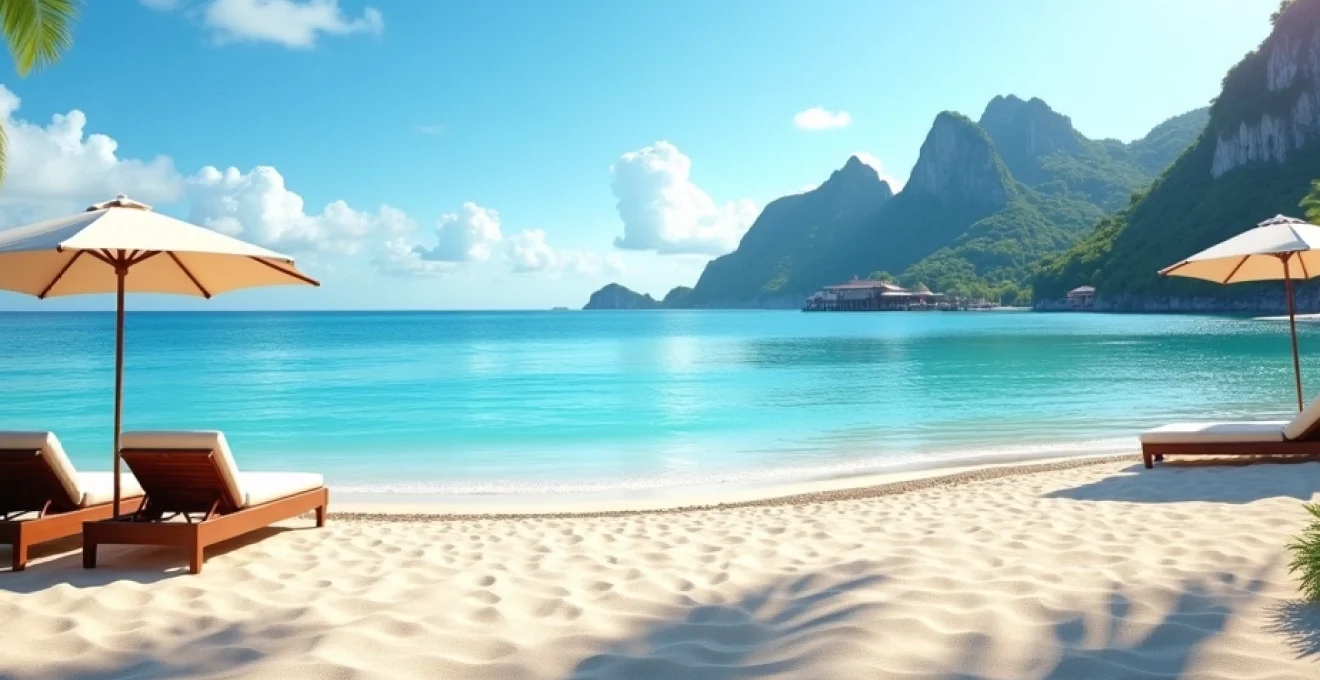
The allure of sun-kissed beaches and crystal-clear waters continues to captivate travellers seeking the perfect blend of relaxation and adventure. From the sophisticated Mediterranean coastlines to remote tropical paradises, beach destinations offer an escape from daily routines while providing opportunities for cultural immersion and natural wonder. The growing trend toward experiential travel has elevated beach holidays beyond simple sunbathing, with destinations now competing to offer unique combinations of pristine shorelines, authentic local experiences, and premium amenities.
Modern travellers increasingly seek destinations that deliver both natural beauty and cultural richness, where ancient civilizations meet contemporary luxury. Whether you’re drawn to the volcanic landscapes of Greek islands, the coral atolls of the Maldives, or the limestone formations of Croatia’s coastline, each destination offers distinct characteristics that cater to different travel preferences. The key lies in understanding seasonal weather patterns, local infrastructure, and the unique experiences each region provides to ensure your beach holiday exceeds expectations.
Mediterranean coastal paradise: premium beach destinations for Year-Round sun exposure
The Mediterranean basin represents one of the world’s most sophisticated beach holiday regions, combining millennia of cultural heritage with modern luxury amenities. This vast sea, bordered by three continents, offers diverse coastal experiences ranging from secluded coves to vibrant resort towns. The region’s climate provides extended sunshine hours throughout much of the year, with average temperatures reaching 25-30°C during peak season and rarely dropping below 15°C even in winter months.
Mediterranean destinations excel in providing cultural depth alongside beach relaxation. Ancient ruins often sit within walking distance of premium beach clubs, while local markets overflow with fresh seafood and regional specialties. The infrastructure across most Mediterranean coastal areas has evolved to support high-end tourism, featuring world-class restaurants, luxury accommodations, and comprehensive transportation networks that make island-hopping and coastal exploration seamless.
Costa del sol’s málaga province: marbella and puerto banús luxury beach resorts
Spain’s Costa del Sol stands as the Mediterranean’s most developed luxury beach destination, attracting over 13 million visitors annually to its 150-kilometre coastline. Marbella, the crown jewel of this region, combines traditional Andalusian charm with contemporary sophistication, featuring pristine beaches that stretch for over 27 kilometres. The city’s old quarter showcases whitewashed buildings and narrow cobblestone streets, while the beachfront areas boast some of Europe’s most exclusive beach clubs and restaurants.
Puerto Banús, located just 6 kilometres southwest of Marbella, represents the epitome of Mediterranean luxury lifestyle. This marina development houses over 900 berths for luxury yachts, surrounded by high-end boutiques, restaurants, and nightlife venues. The beaches here feature golden sand imported from the Sahara Desert, complemented by beach clubs that charge premium prices for sunbeds and cabanas. Water temperatures in this region remain comfortable for swimming from May through October, rarely dropping below 18°C even in late autumn.
French riviera’s côte d’azur: nice, cannes, and Saint-Tropez premium seaside experiences
The French Riviera epitomizes sophisticated coastal living, where glamorous beach culture meets artistic heritage and culinary excellence. Nice, the region’s largest city, offers 7 kilometres of pebble beaches along the famous Promenade des Anglais, backed by Belle Époque architecture and world-class museums. The city experiences over 300 sunny days per year, with average summer temperatures reaching 26°C and mild winters that rarely see frost.
Cannes transforms from a relatively quiet seaside town into the global entertainment capital during its annual film festival each May. The city’s beaches, including the famous Plage de la Croisette, feature fine sand and calm waters protected by the Îles de Lérins archipelago. Private beach concessions here command some of the highest prices in the Mediterranean, with premium lounger rentals exceeding €150 per day during peak season. Saint-Tropez, once a simple fishing village, now represents the pinnacle of Riviera exclusivity, where beach clubs like Club 55 and Nikki Beach have become synonymous with luxury Mediterranean lifestyle.
Greek islands archipelago: santorini, mykonos, and crete’s volcanic beach landscapes
Greece’s island archipelago offers diverse beach experiences shaped by volcanic activity and millennia of cultural development. Santorini’s dramatic caldera coastline features unique beaches with sand colours ranging from black to red, created by ancient volcanic eruptions. The island’s most famous beaches, including Red Beach and Kamari Beach, showcase striking contrasts between dark sand and brilliant blue waters, while clifftop villages like Oia provide spectacular sunset viewing opportunities.
Mykonos has evolved into the Mediterranean’s premier party destination while maintaining its traditional Cycladic architecture and pristine beaches. The island features over 25 distinct beaches, from the family-friendly Plathena Beach to the internationally renowned Paradise and Super Paradise beaches known for their vibrant party atmosphere.
The island’s infrastructure supports over 2 million annual visitors despite having a permanent population of just 10,000 residents, demonstrating the scale of modern beach tourism development.
Crete, the largest Greek island, offers the most diverse beach experiences in the archipelago, with coastlines facing both the Mediterranean and Libyan seas. The island’s southern beaches, including Balos Lagoon and Elafonissi, feature pink sand created by crushed shells and coral fragments. Northern beaches like Falassarna consistently rank among Europe’s best, offering golden sand and crystal-clear waters backed by dramatic mountain landscapes.
Croatian adriatic coast: dubrovnik and split’s limestone beach formations
Croatia’s Adriatic coastline presents a unique Mediterranean experience characterized by dramatic limestone formations, crystal-clear waters, and remarkably well-preserved medieval cities. The Dalmatian coast stretches for over 1,100 kilometres, featuring more than 1,200 islands and islets, many of which remain uninhabited and pristine. Water clarity along this coast often exceeds 30 metres visibility, making it one of the Mediterranean’s premier destinations for snorkelling and diving enthusiasts.
Dubrovnik, the “Pearl of the Adriatic,” combines UNESCO World Heritage status with stunning coastal access. The city’s limestone walls, built between the 12th and 17th centuries, overlook beaches like Banje Beach, which offers panoramic views of the old city. Limestone formations create numerous hidden coves and secluded beaches accessible only by boat, providing intimate swimming experiences away from crowded resort areas. Split, built around the remains of Roman Emperor Diocletian’s palace, offers urban beach experiences within walking distance of ancient ruins and modern amenities.
Tropical paradise islands: caribbean and pacific ocean premium beach destinations
Tropical island destinations represent the ultimate beach holiday fantasy, offering year-round warmth, pristine white sand beaches, and some of the world’s clearest waters. These destinations span multiple ocean regions, from the Caribbean’s volcanic and coral islands to the Pacific’s vast archipelagos and coral atolls. The consistent climate in tropical regions, with temperatures rarely varying more than 5-6°C throughout the year, makes them ideal for travellers seeking guaranteed sunshine regardless of travel dates.
The infrastructure development across premium tropical destinations has reached extraordinary levels, with resorts offering overwater bungalows, private beach access, and comprehensive spa and wellness facilities. Many of these locations have embraced sustainable tourism practices, recognizing that their natural beauty requires careful preservation. The average cost per night at luxury tropical resorts now exceeds €800, reflecting both the exclusive nature of these destinations and the significant investment required to maintain facilities in remote island locations.
Barbados and aruba: trade wind climate zones with constant 28°C ocean temperatures
The Caribbean’s southern islands benefit from trade wind patterns that provide consistent cooling breezes and stable weather conditions year-round. Barbados, located outside the traditional hurricane belt, offers reliable sunshine with average temperatures of 26-30°C throughout the year. The island’s western coast features calm, turquoise waters perfect for swimming, while the eastern Atlantic coast provides excellent surfing conditions with waves reaching 2-3 metres during peak season.
Aruba’s unique geographical position, just 12 degrees north of the equator, places it firmly outside the hurricane zone while maintaining consistent trade wind cooling. The island experiences less than 50 centimetres of rainfall annually, making it one of the driest destinations in the Caribbean. Ocean temperatures around Aruba remain remarkably stable at 27-29°C year-round, never requiring thermal protection for water activities. The island’s beaches feature some of the Caribbean’s finest white sand, particularly at Eagle Beach and Palm Beach, both of which consistently rank among the world’s top beach destinations.
Maldives coral atolls: private overwater bungalows and pristine white sand beaches
The Maldives archipelago consists of 1,190 coral islands grouped into 26 natural atolls, representing one of the world’s most exclusive beach destinations. The entire nation sits at an average elevation of just 1.5 metres above sea level, creating an intimate connection between land and ocean that defines the Maldivian experience. Resort islands typically measure between 200-800 metres in length, ensuring maximum privacy and exclusivity for guests.
Overwater bungalows in the Maldives have become synonymous with luxury tropical holidays, with some resorts commanding rates exceeding €2,000 per night for premium villas. These accommodations feature direct lagoon access, glass floor panels for marine life viewing, and private decks with infinity pools.
The Maldives attracts over 1.7 million visitors annually to its 150 resort islands, despite having a total land area of just 298 square kilometres, demonstrating the incredible efficiency of luxury tourism development.
The country’s strict “one island, one resort” policy ensures that each destination maintains its exclusive atmosphere while protecting the fragile coral ecosystems.
Seychelles granite islands: praslin and la digue’s unique rock formation coastlines
The Seychelles archipelago offers a distinct tropical experience characterized by ancient granite formations that create some of the world’s most photographed beaches. These granite boulders, formed over 750 million years ago, have been sculpted by wind and waves into dramatic shapes that frame pristine white sand beaches. Anse Source d’Argent on La Digue consistently ranks as one of the world’s most beautiful beaches, featuring pink-tinged sand created by coral fragments mixed with granite particles.
Praslin Island houses the UNESCO World Heritage Vallée de Mai, home to the endemic Coco de Mer palm and its distinctive double coconut. The island’s beaches, including Anse Lazio and Anse Georgette, showcase the perfect combination of granite boulder formations, powdery white sand, and crystal-clear waters. Marine protected areas surrounding the Seychelles support diverse coral reef ecosystems, making these waters exceptional for snorkelling and diving. The archipelago’s position near the equator ensures consistent temperatures of 24-32°C year-round, with minimal seasonal variation in either temperature or daylight hours.
Bora bora lagoon system: mount otemanu volcanic island beach access points
French Polynesia’s Bora Bora represents the quintessential South Pacific paradise, featuring a dramatic volcanic landscape surrounded by one of the world’s most stunning lagoon systems. Mount Otemanu, rising 727 metres from the island’s centre, creates a spectacular backdrop for beach activities while the surrounding barrier reef creates a protected lagoon with multiple shades of blue water. The island’s unique geography provides diverse beach experiences, from secluded motus (small islands) accessible only by boat to resort beaches with full amenities.
The lagoon surrounding Bora Bora covers approximately 30 square kilometres, with water depths ranging from shallow coral gardens perfect for snorkelling to deeper channels suitable for shark and ray encounters. Resort development on Bora Bora pioneered the overwater bungalow concept in the 1960s, and today the island hosts some of the world’s most expensive resort accommodations, with presidential suites commanding over €5,000 per night. The island’s remote location, requiring connections through Tahiti, contributes to its exclusive atmosphere while ensuring that visitor numbers remain manageable for the delicate reef ecosystem.
Southeast asian coastal gems: Monsoon-Free beach destinations with Year-Round warmth
Southeast Asia’s vast coastlines and island archipelagos provide exceptional beach holiday opportunities, with certain regions offering monsoon-free periods that guarantee excellent weather conditions. Countries like Thailand, Malaysia, Indonesia, and the Philippines feature thousands of islands, each offering distinct cultural experiences alongside pristine beaches. The region’s tropical climate ensures warm water temperatures year-round, typically ranging from 26-30°C, making it ideal for water sports and marine activities.
The cost-effectiveness of Southeast Asian beach destinations makes them particularly attractive for extended holidays and luxury experiences at moderate prices. High-end resorts in Thailand or Indonesia often charge 50-70% less than comparable properties in the Caribbean or Maldives while offering similar amenities and service levels. The region’s cultural diversity adds significant value to beach holidays, with opportunities to explore ancient temples, participate in cooking classes, experience traditional markets, and engage with local communities.
Thailand’s island destinations showcase the variety available within Southeast Asia, from the party atmosphere of Ko Phi Phi to the tranquil luxury of Ko Samui. The country’s tourism infrastructure supports over 40 million annual visitors, with beach destinations accounting for approximately 60% of all tourist activity. Seasonal weather patterns vary significantly across Thailand’s coastal regions, with the western Andaman Sea coast experiencing different monsoon timing than the eastern Gulf of Thailand shores.
Indonesia’s 17,500 islands offer virtually unlimited beach exploration opportunities, though most international visitors focus on Bali, Lombok, and the Gili Islands. Bali alone features diverse coastal experiences, from the black volcanic sand beaches of the northeast to the white coral sand beaches of the Bukit Peninsula. The island’s cultural depth, including ancient Hindu temples, traditional villages, and artistic communities, provides rich experiences between beach activities. Water temperatures around Indonesian islands remain consistently warm at 27-29°C, while the dry season from May to September offers the most reliable weather conditions.
Malaysia’s dual coastlines provide options for year-round beach holidays, with the western Peninsular Malaysia coast offering excellent conditions during the European winter months, while the eastern coast and Malaysian Borneo provide optimal weather during European summer periods. The country’s beach destinations range from the developed resort islands of Langkawi to the pristine coral atolls of the Perhentian Islands.
Langkawi’s status as a duty-free zone makes it particularly attractive for luxury shopping combined with beach relaxation, offering significant savings on international brands and local handicrafts.
Beach resort infrastructure: premium amenities and oceanfront accommodation standards
Modern beach resort infrastructure has evolved dramatically over the past two decades, with premium properties now offering amenities that rival urban luxury hotels while maintaining intimate connections with natural beach environments. The latest resort developments feature infinity pools that blend seamlessly with ocean horizons, spa facilities incorporating local natural elements, and restaurants showcasing both international cuisine and regional specialties. Technology integration has become standard, with high-speed internet, smart room controls, and mobile app-based services allowing guests to customize their experience while maintaining the relaxed beach atmosphere.
Accommodation standards at premium beach resorts now emphasize space, privacy, and direct beach access as primary selling points. Overwater villas and beachfront suites typically feature minimum sizes of 80-120 square metres, with many luxury properties offering accommodations exceeding 200 square metres. Private beach access has become a standard expectation, with many resorts providing dedicated beach sections for villa guests, complete with personal service staff and exclusive dining options.
Sustainability initiatives have become increasingly important in resort development, with many properties achieving carbon-neutral operations through renewable energy systems, water conservation programs, and waste reduction strategies. The most progressive resorts now feature their own desalination plants, solar panel arrays, and coral restoration programs that actively contribute to marine ecosystem preservation. These environmental efforts often enhance the guest experience through educational programs, guided nature walks, and opportunities to participate in conservation activities.
Dining infrastructure at premium beach resorts has expanded beyond traditional buffet restaurants to include multiple specialty venues, private dining experiences, and chef’s table options. Many resorts now employ internationally trained chefs while emphasizing local ingredient sourcing and traditional cooking techniques. The trend toward experiential dining has led to the development of underwater restaurants, beachfront teppanyaki grills, and floating dining platforms that provide unique culinary experiences directly connected to the marine environment.
Optimal travel timing: seasonal weather patterns and UV index considerations for beach holidays
Understanding seasonal weather patterns across different beach destinations is crucial for optimizing holiday experiences and avoiding disappointment from unexpected conditions
. Weather patterns in beach destinations vary dramatically based on geographical location, monsoon systems, and seasonal temperature fluctuations. The Caribbean experiences its hurricane season from June through November, with peak activity occurring between August and October, making winter months ideal for guaranteed sunshine. Mediterranean destinations provide optimal conditions from May through September, with July and August offering the warmest ocean temperatures but also the highest tourist density.
UV index levels at beach destinations can reach extreme categories (11+) during peak hours, particularly in tropical locations near the equator. The Maldives and Caribbean islands regularly record UV indices between 12-15 during midday hours, requiring comprehensive sun protection including SPF 50+ sunscreen, protective clothing, and shade-seeking behavior during 11 AM to 3 PM periods. High-altitude tropical locations like coastal areas near volcanic peaks can experience even more intense UV exposure due to reduced atmospheric filtering.
Travelers should consider that shoulder seasons often provide the optimal balance between weather conditions and value. October through November in the Mediterranean offers warm ocean temperatures with reduced crowds, while April-May provides excellent conditions before peak summer heat arrives. For tropical destinations, traveling during their “dry season” typically ensures minimal rainfall while maintaining comfortable temperatures. The Seychelles performs best from May through September, Thailand’s islands excel from December through March, and Caribbean destinations shine from December through April.
Professional meteorologists recommend monitoring long-range weather forecasts 6-8 weeks before departure, as climate patterns like El Niño and La Niña can significantly impact typical seasonal conditions at beach destinations worldwide.
Ocean temperature considerations play a crucial role in beach holiday planning, with comfortable swimming conditions generally requiring water temperatures above 23°C. The Mediterranean reaches peak ocean temperatures in September-October, often exceeding 25°C due to summer heat accumulation. Tropical waters maintain consistently warm temperatures year-round but can experience slight variations during monsoon seasons when cooler deeper waters mix with surface layers due to increased wave activity.
Advanced travelers increasingly use specialized weather apps and marine forecasting services to optimize their beach holiday timing. Wind patterns significantly impact beach experiences, with consistent trade winds providing cooling relief in tropical locations while strong seasonal winds can create uncomfortable beach conditions or excellent windsurfing opportunities. Understanding local weather microclimates allows for strategic accommodation selection, as properties on leeward sides of islands typically offer more protected swimming conditions while windward locations provide dramatic wave action and surfing opportunities.