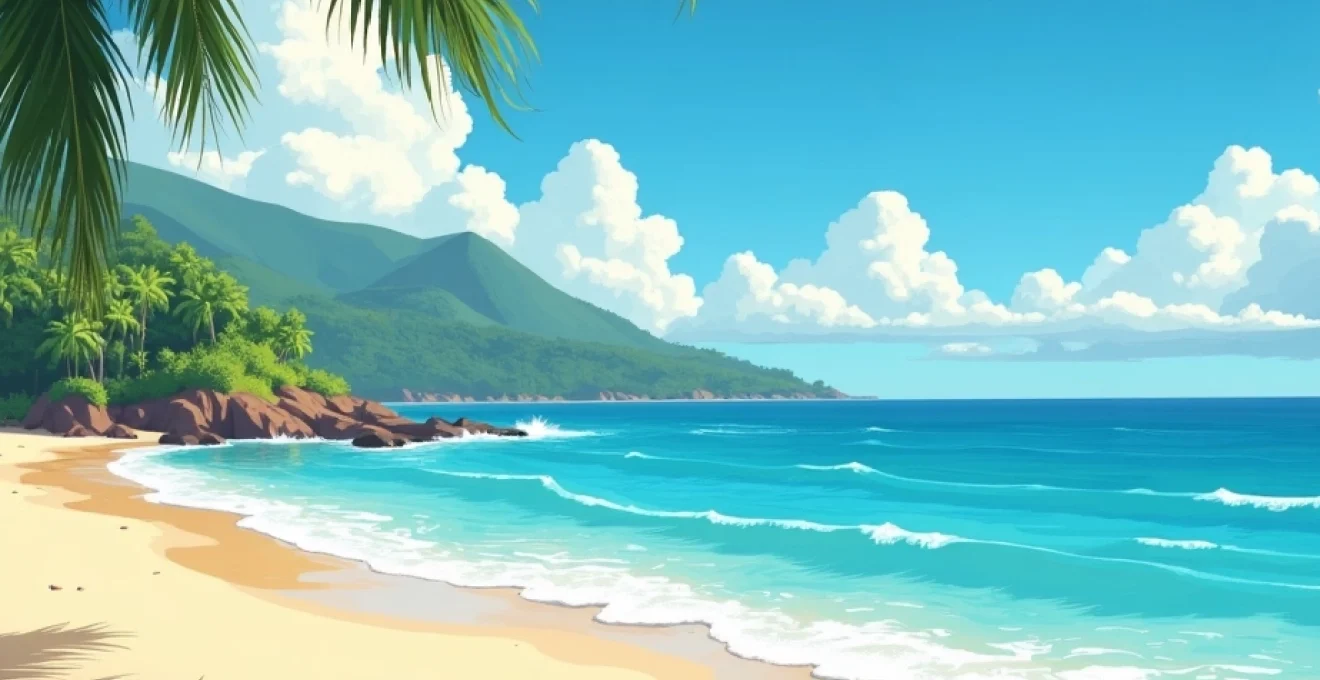
Sri Lanka’s pristine coastline stretches for over 1,300 kilometres, offering an extraordinary collection of tropical beaches that cater to every type of traveller. From the coral-rich waters of the southern coast to the untouched wilderness of the eastern shores, this teardrop-shaped island nation presents some of the Indian Ocean’s most spectacular coastal destinations. The diverse marine ecosystems, combined with centuries-old cultural traditions and modern tourism infrastructure, create a beach experience unlike anywhere else in South Asia.
The island’s unique geographical position means that different coastal regions experience optimal conditions at various times throughout the year, allowing visitors to enjoy perfect beach weather regardless of the season. Whether you’re seeking world-class surfing waves, intimate encounters with marine wildlife, or simply pristine white sand beaches for relaxation, Sri Lanka’s coastline delivers exceptional experiences that rival any tropical destination worldwide.
Southern coast premium beach destinations: galle to tangalle stretch
The southern coastline of Sri Lanka represents the island’s most developed and accessible beach corridor, stretching from the historic fort city of Galle to the tranquil shores of Tangalle. This region benefits from the most consistent weather patterns, making it the primary destination for international visitors seeking reliable sunshine and calm seas. The infrastructure along this stretch has evolved significantly over the past decade, with luxury resorts, boutique hotels, and backpacker-friendly guesthouses creating accommodation options for every budget.
The southern coast’s appeal extends far beyond its beaches, incorporating UNESCO World Heritage sites, traditional fishing villages, and some of the country’s most important marine conservation areas. The coral reefs that flourish just offshore provide exceptional snorkelling and diving opportunities, while the deeper waters beyond the continental shelf attract migrating whales and dolphins during specific seasons.
Unawatuna bay: coral reef snorkelling and dutch colonial heritage
Unawatuna Bay stands as one of Sri Lanka’s most photographed and celebrated beach destinations, combining natural beauty with historical significance in a compact, horseshoe-shaped cove. The bay’s protected waters create ideal conditions for swimming and snorkelling, particularly around the coral formations that extend from the rocky headlands on either side of the beach. These living reefs support an impressive diversity of tropical fish species, making Unawatuna a natural aquarium accessible directly from the shore.
The village surrounding Unawatuna Bay reflects centuries of colonial influence, with Dutch and British architectural elements visible throughout the area. Local restaurants serve fresh seafood caught daily by traditional outrigger boats, while beachfront bars create a vibrant social atmosphere that attracts backpackers and luxury travellers alike. The proximity to Galle Fort, just six kilometres away, allows visitors to combine beach relaxation with cultural exploration seamlessly.
Mirissa beach: blue whale watching season and coconut tree hill photography
Mirissa Beach has gained international recognition as one of the world’s premier blue whale watching destinations, with the continental shelf dropping to depths of over 1,000 metres just a few kilometres offshore. Between November and April, these waters become a highway for migrating blue whales, sperm whales, and several dolphin species, creating opportunities for some of the most spectacular marine wildlife encounters on Earth. Professional whale watching operators based in Mirissa harbour maintain strict guidelines to ensure sustainable wildlife observation.
Beyond marine wildlife, Mirissa offers exceptional landscape photography opportunities, particularly at the iconic Coconut Tree Hill viewpoint. This elevated position provides sweeping panoramic views across the palm-fringed coastline, with golden sand beaches stretching towards the horizon. The hill becomes particularly magical during sunrise and sunset, when the warm tropical light creates perfect conditions for capturing the essence of Sri Lankan coastal beauty. The beach itself features gentle waves suitable for beginner surfers and calm areas perfect for swimming.
Weligama bay: stilt fishing traditions and snake island accessibility
Weligama Bay preserves one of Sri Lanka’s most distinctive cultural traditions through the practice of stilt fishing, where fishermen perch on wooden poles planted in shallow waters to catch small reef fish. This centuries-old technique, unique to a few locations along the southern coast, represents both practical fishing wisdom and cultural heritage. Visitors can observe these skilled fishermen during early morning and late afternoon sessions, with opportunities to learn about the traditional knowledge passed down through generations.
Snake Island, accessible by a short walk during low tide, adds an element of adventure to any Weligama visit. Despite its intimidating name, the small rocky outcrop harbours no dangerous serpents but instead offers excellent tide pooling opportunities and panoramic views back towards the mainland. The island’s isolation creates a sense of discovery and provides intimate spaces for photography and reflection. Weligama’s main beach features consistent surf breaks that attract intermediate surfers, while the bay’s eastern end offers calmer waters for families.
Tangalle beach: rekawa turtle sanctuary conservation activities
Tangalle represents the southern coast’s most tranquil and underdeveloped major beach destination, stretching for several kilometres without significant commercial development. This pristine environment attracts visitors seeking authentic tropical beach experiences away from crowds and tourist infrastructure. The expansive golden sand beaches provide ample space for long walks, beach sports, and solitary relaxation, while gentle waves create safe swimming conditions throughout most of the year.
The nearby Rekawa Turtle Sanctuary plays a crucial role in protecting five species of sea turtles that nest along this stretch of coastline. Olive ridley, green, hawksbill, loggerhead, and leatherback turtles all utilise these beaches for nesting between October and April. Visitors can participate in evening turtle watching excursions led by trained conservationists, contributing directly to protection efforts while witnessing one of nature’s most moving spectacles. The sanctuary’s work extends beyond tourism to include community education and research programmes that have significantly improved turtle survival rates.
Western province coastal hotspots: negombo to mount lavinia
The western coastline of Sri Lanka benefits from its proximity to Bandaranaike International Airport and the capital city of Colombo, making it the most accessible coastal region for international visitors. This stretch combines urban beach experiences with traditional fishing communities, creating a diverse coastal environment that showcases both modern Sri Lankan life and centuries-old maritime traditions. The beaches here experience consistent weather patterns throughout most of the year, though they can be affected by the southwest monsoon between May and September.
Infrastructure development along the western coast has created excellent transport links, luxury accommodations, and recreational facilities while maintaining authentic local character in many areas. The region serves as an ideal introduction to Sri Lankan beach culture for first-time visitors, offering familiar amenities alongside opportunities for cultural immersion and adventure activities.
Negombo beach: fishing village cultural immersion and lagoon boat tours
Negombo Beach provides an authentic glimpse into Sri Lankan fishing culture, with traditional outrigger boats dotting the shoreline and fish markets operating before dawn each day. The beach’s proximity to the international airport, just 20 minutes away, makes it a convenient first or last stop for visitors, but the area offers much more than mere convenience. The fishing industry that has sustained this community for generations continues to operate using traditional methods, creating opportunities for cultural exchange and learning.
The Negombo Lagoon, connected to the sea through a narrow channel, supports extensive mangrove ecosystems and diverse birdlife that can be explored through guided boat tours. These excursions reveal the complex relationship between freshwater and marine environments while providing opportunities to observe kingfishers, herons, egrets, and migratory species that depend on these wetland habitats. Local guides share knowledge about sustainable fishing practices and the ecological importance of mangrove conservation.
Mount lavinia beach: colonial railway heritage and sunset dining establishments
Mount Lavinia Beach combines urban accessibility with natural beauty, located just 12 kilometres south of Colombo’s city centre. The beach takes its name from a colonial-era love story involving a British governor and a local dancer, with the historic Mount Lavinia Hotel serving as a tangible link to this romantic past. The property, built in 1805, showcases colonial architecture while providing modern luxury amenities and spectacular ocean views.
The beach’s golden sand stretches for over two kilometres, providing space for various recreational activities while maintaining a relaxed atmosphere despite its proximity to the capital. Evening dining establishments along the beach specialise in fresh seafood preparations, with many restaurants offering tables directly on the sand for romantic sunset meals. The colonial railway line that connects Mount Lavinia to Colombo Fort provides a scenic and economical transport option, allowing visitors to experience Sri Lankan railway culture while travelling between urban and beach environments.
Bentota beach: water sports infrastructure and madu river mangrove ecosystems
Bentota Beach represents Sri Lanka’s most developed water sports destination, with comprehensive infrastructure supporting activities ranging from jet skiing and windsurfing to deep-sea fishing and scuba diving. The Bentota River, which flows into the ocean at the northern end of the beach, creates a natural lagoon environment perfect for water skiing, wakeboarding, and banana boat rides. Professional water sports operators maintain international safety standards while providing equipment and instruction for all skill levels.
The nearby Madu River ecosystem encompasses over 900 hectares of mangrove forests, islands, and waterways that support extraordinary biodiversity. Guided boat tours through these mangrove channels reveal monitor lizards, crocodiles, numerous bird species, and unique plant communities adapted to saltwater conditions. The river system also includes several small islands with temples and fishing communities, providing insights into how local populations have adapted to life in this unique environment. These conservation areas demonstrate the importance of protecting coastal ecosystems while supporting sustainable tourism development.
Eastern coast hidden gems: arugam bay surfing circuit
The eastern coastline of Sri Lanka offers a dramatically different experience from the more developed western and southern shores, characterising rugged natural beauty and world-class surfing conditions. This region remained largely undeveloped for decades due to civil conflict, but peace has allowed its exceptional beaches and surf breaks to gain international recognition. Arugam Bay, in particular, has emerged as one of Asia’s premier surfing destinations, attracting professional surfers and enthusiasts from around the world.
The eastern coast’s seasonal patterns differ significantly from other coastal regions, with optimal conditions occurring during the southwest monsoon period when other areas experience rough seas and heavy rainfall. This creates opportunities for year-round beach tourism across the island, with experienced travellers timing their visits to take advantage of these regional weather variations. The area’s relative isolation has preserved traditional fishing communities and pristine natural environments that provide authentic cultural experiences alongside exceptional surfing.
Arugam Bay’s main point break produces consistent waves throughout the surfing season, typically from April to October, with wave heights ranging from two to eight feet depending on swell conditions. The break works across various tide levels and wind conditions, making it suitable for intermediate to advanced surfers while offering gentler waves at certain times for beginners. Professional surf shops provide equipment rental, instruction, and local knowledge about optimal surf timing and conditions.
Beyond surfing, the Arugam Bay area encompasses several national parks and wildlife reserves that protect elephants, leopards, and diverse bird populations. Kumana National Park, accessible via a short drive from the main surf area, offers exceptional birdwatching opportunities during migration seasons. The park’s lagoons and wetlands attract thousands of migratory birds between April and July, creating spectacular viewing opportunities for nature enthusiasts. Local guides provide expertise in wildlife tracking and bird identification while sharing knowledge about conservation efforts and ecosystem management.
The eastern coast represents Sri Lanka’s final frontier for beach tourism, offering pristine environments and authentic cultural experiences that rival any destination in the Indian Ocean region.
Northern peninsula remote beaches: kalpitiya and mannar island
The northern peninsula of Sri Lanka encompasses some of the island’s most remote and pristine beach environments, where traditional fishing communities continue to operate with minimal tourism infrastructure. Kalpitiya Peninsula, extending into the Puttalam Lagoon, creates unique conditions where ocean beaches meet extensive lagoon systems, supporting diverse marine and terrestrial ecosystems. This region has gained recognition among adventure travellers seeking authentic experiences away from developed tourist areas.
Kalpitiya’s exposure to consistent trade winds creates exceptional conditions for kitesurfing and windsurfing, with several world-class practitioners establishing operations in the area. The shallow lagoon waters provide safe learning environments for beginners, while the open ocean offers challenging conditions for advanced riders. The area’s geographic isolation means that conditions remain uncrowded even during peak seasons, allowing for intimate interactions with both the natural environment and local fishing communities.
Mannar Island, connected to the mainland by a causeway, represents one of Sri Lanka’s most culturally diverse regions, with Tamil, Muslim, and Sinhalese communities creating a unique social fabric. The island’s beaches remain largely undeveloped, offering expansive stretches of white sand backed by palmyra palms and traditional villages. The area’s historical significance includes connections to ancient trade routes and religious pilgrimage paths, with several important temples and mosques reflecting centuries of cultural exchange.
The waters surrounding Mannar Island support significant marine biodiversity, including seasonal visits by dugongs, dolphins, and various whale species. Local fishermen have developed extensive knowledge of marine wildlife patterns, often serving as guides for visitors interested in wildlife observation. The area’s coral reefs, though less developed than those along the southern coast, provide excellent snorkelling opportunities with minimal tourist pressure, allowing for peaceful underwater exploration.
Seasonal beach tourism: monsoon patterns and optimal visiting windows
Understanding Sri Lanka’s complex monsoon patterns is essential for maximising beach tourism experiences, as different coastal regions experience optimal conditions at different times throughout the year. The island’s position in the Indian Ocean subjects it to two distinct monsoon systems, creating regional variations in weather patterns that experienced travellers can leverage to enjoy perfect beach conditions year-round. These patterns have shaped local culture, agriculture, and tourism infrastructure development across different coastal areas.
The predictability of these seasonal patterns allows for strategic trip planning that ensures optimal weather conditions regardless of travel dates. Tourism operators across the island have adapted their services to accommodate these variations, with many offering seasonal relocations between different coastal regions to maintain consistent quality experiences throughout the year.
Southwest monsoon impact: may to september coastal accessibility
The southwest monsoon, locally known as “Yala,” affects Sri Lanka’s western and southern coastlines from May through September, bringing heavy rainfall, strong winds, and rough seas to these normally pristine beach areas. During this period, many beach resorts and water sports operators in these regions either close temporarily or operate with limited services, making this season less attractive for traditional beach tourism along the popular southern coast.
However, the southwest monsoon creates perfect conditions along the eastern coastline, particularly around Arugam Bay and Batticaloa. The winds that create challenging conditions on the western side of the island generate ideal surf conditions on the east coast, with consistent swells and offshore winds creating some of the year’s best surfing opportunities. Professional surfers, kitesurfers, and windsurfers specifically time their visits to coincide with these conditions, turning the monsoon period into peak season for adventure sports tourism.
Northeast monsoon considerations: october to january beach conditions
The northeast monsoon period brings cooler temperatures and occasional rainfall to eastern coastal areas while creating perfect conditions along the western and southern coastlines. This seasonal shift marks the beginning of peak tourist season for traditional beach destinations like Unawatuna, Mirissa, and Negombo. The reduced humidity and consistent sunshine during this period create ideal conditions for swimming, sunbathing, and water sports activities.
During the northeast monsoon, whale watching operations along the southern coast reach peak effectiveness, with calm seas and excellent visibility creating optimal conditions for marine wildlife observation. The cooler temperatures also make extended outdoor activities more comfortable, encouraging exploration of cultural sites, nature reserves, and adventure activities that complement beach tourism experiences.
Inter-monsoon periods: march to april peak tourism advantages
The inter-monsoon periods, particularly from March to April, represent the most advantageous times for beach tourism across Sri Lanka, with most coastal regions experiencing calm seas, minimal rainfall, and comfortable temperatures. These brief windows create opportunities to experience multiple coastal areas during a single visit, as travel between regions becomes more practical with consistent weather patterns island-wide.
During inter-monsoon periods, accommodation rates often reach their lowest levels while weather conditions remain excellent, creating exceptional value opportunities for budget-conscious travellers. The reduced tourist crowds during these shoulder seasons also allow for more intimate experiences at popular destinations and better availability for activities like whale watching, diving, and cultural tours.
Strategic timing of beach tourism around Sri Lanka’s seasonal patterns can transform a standard tropical vacation into an exceptional year-round coastal adventure.
Marine biodiversity and conservation zones: protected coastal areas
Sri Lanka’s coastal waters support extraordinary marine biodiversity, with established protected areas working to preserve critical habitats while enabling sustainable tourism development. The island’s position along major whale migration routes, combined with extensive coral reef systems and important sea turtle nesting beaches, creates conservation challenges and opportunities that influence beach tourism experiences across the country. These protected zones often provide the most
rewarding wildlife encounters available to beach tourists.
The Bar Reef Marine Sanctuary, located off the coast of Kalpitiya, encompasses over 300 square kilometres of protected waters containing some of Sri Lanka’s most pristine coral formations. This sanctuary supports over 180 species of coral and 283 species of fish, creating underwater landscapes that rival any diving destination in the Indian Ocean. The reef system’s protection status ensures minimal human impact while allowing controlled diving and snorkelling activities that generate income for local communities through sustainable tourism initiatives.
Pigeon Island National Park, situated near Nilaveli on the eastern coast, protects both marine and terrestrial ecosystems within a compact area that demonstrates the interconnected nature of coastal conservation. The park’s coral reefs provide critical nursery habitats for juvenile fish species, while the island’s beaches serve as nesting sites for several seabird species. Blacktip reef sharks, hawksbill turtles, and schools of barracuda regularly patrol these waters, creating exceptional snorkelling opportunities just metres from the beach.
The Hikkaduwa Marine National Park represents Sri Lanka’s oldest marine protected area, established in 1988 to preserve coral reef ecosystems that had begun showing signs of stress from tourism pressure. The park’s success in balancing conservation with tourism access has created a model for sustainable marine park management throughout the region. Visitor education programmes help tourists understand reef ecology while generating funding for ongoing conservation research and community development projects.
Turtle conservation programmes operate along multiple stretches of Sri Lankan coastline, with community-based initiatives proving most effective in protecting nesting sites while providing alternative livelihoods for fishing communities. The Kosgoda Turtle Conservation Project, located between Bentota and Hikkaduwa, combines research, education, and rehabilitation activities that have significantly improved turtle survival rates. Visitors can participate in evening nest monitoring activities and early morning hatchling release ceremonies that create emotional connections to conservation outcomes.
Deep-water whale watching areas off the southern coast fall within internationally recognised Important Marine Mammal Areas, acknowledging the critical habitat these waters provide for blue whales, sperm whales, and pilot whales during their annual migrations. Research conducted by local universities and international conservation organisations has identified specific feeding areas and migration corridors that inform both conservation strategies and tourism operator guidelines. The economic value generated by whale watching tourism provides strong incentives for maintaining these marine ecosystems in pristine condition.
Sri Lanka’s marine protected areas demonstrate how effective conservation can enhance rather than restrict tourism opportunities, creating sustainable models for coastal development that benefit both wildlife and local communities.
Seagrass meadows along the northwestern coast support the region’s small but significant dugong population, representing one of the few remaining healthy dugong habitats in the Indian Ocean. These gentle marine mammals require extensive undisturbed feeding areas and serve as indicator species for overall ecosystem health. Conservation efforts focus on protecting seagrass habitats from destructive fishing practices while developing low-impact tourism opportunities that allow visitors to observe these rare creatures in their natural environment.
The integrated coastal zone management approach adopted by Sri Lankan authorities recognises that effective marine conservation requires coordination between multiple stakeholders, including fishing communities, tourism operators, and government agencies. This collaborative framework has resulted in innovative solutions such as seasonal fishing restrictions that align with turtle nesting periods and whale watching guidelines that minimise disturbance to marine wildlife while maximising tourist satisfaction and safety.