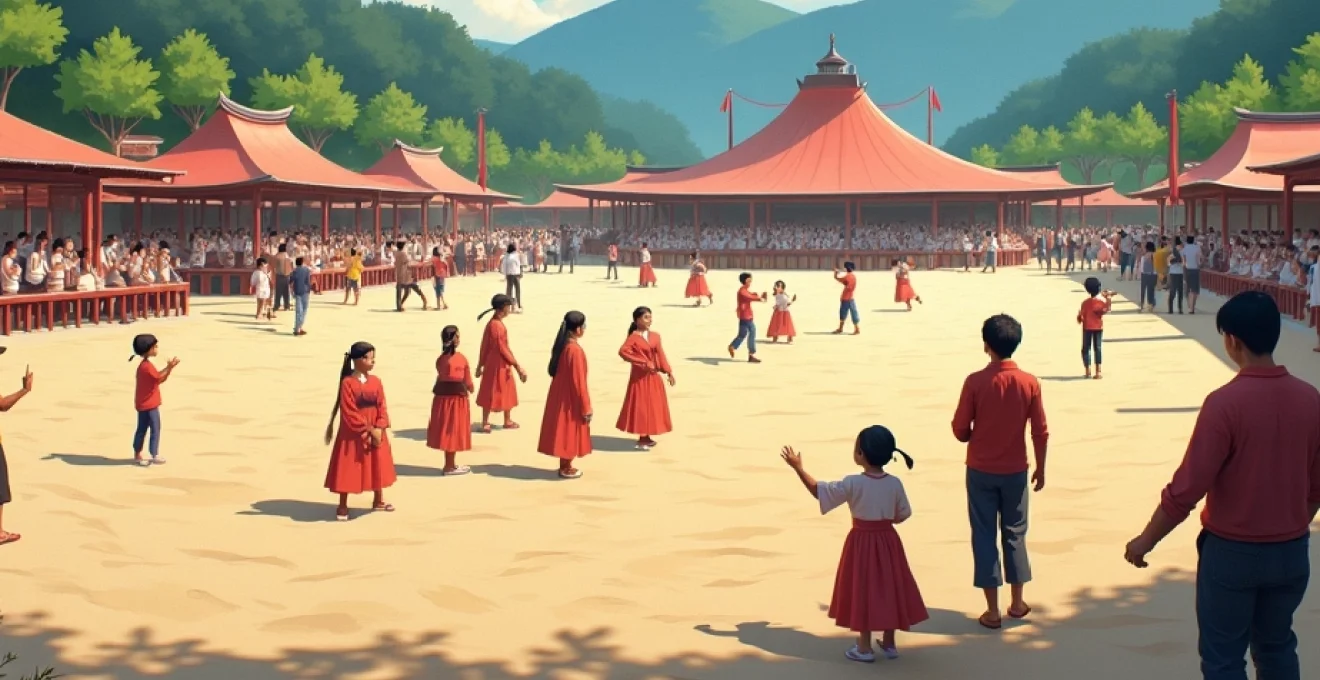
South Korea’s cultural landscape comes alive through its extraordinary festival calendar, where ancient traditions merge seamlessly with contemporary celebrations. From volcanic islands to bustling urban centres, these festivals offer immersive experiences that reveal the soul of Korean heritage whilst showcasing the nation’s dynamic cultural evolution. The peninsula’s four distinct seasons provide the perfect backdrop for diverse celebrations, each carrying unique significance rooted in centuries of history, spiritual beliefs, and artistic expression.
These cultural gatherings serve as living museums where visitors can witness traditional crafts, participate in ancestral rituals, and experience the warmth of Korean hospitality. Whether you’re drawn to shamanic fire ceremonies, therapeutic mud traditions, or cutting-edge cinema, South Korea’s festivals provide authentic encounters with both historical customs and modern innovations that continue to shape Korean identity in the 21st century.
Boryeong mud festival: south korea’s premier summer cultural experience
The Boryeong Mud Festival transforms the coastal city of Boryeong into a vibrant celebration of wellness, tradition, and pure exuberance every July. What began as a marketing initiative for local mud cosmetics has evolved into one of Asia’s most internationally recognised summer festivals, attracting over two million visitors annually. The festival’s success lies in its unique blend of therapeutic traditions, environmental education, and contemporary entertainment, all centred around the mineral-rich mud extracted from the Boryeong tidal flats.
Daecheon Beach becomes the epicentre of this extraordinary celebration, where massive mud pools, wrestling arenas, and therapeutic treatment areas create an expansive playground for participants of all ages. The festival’s cultural significance extends beyond mere entertainment, representing Korea’s ancient belief in the healing properties of natural elements and the communal spirit that characterises Korean social gatherings. Traditional Korean wellness practices find modern expression through scientific validation of the mud’s beneficial minerals, including calcium, magnesium, and various trace elements.
Daecheon beach mud wrestling championships and traditional korean ssireum competitions
The festival’s wrestling competitions showcase both international mud wrestling and traditional Korean ssireum, creating fascinating cultural exchanges between visitors and local participants. Professional ssireum wrestlers demonstrate techniques passed down through generations, while international competitors adapt these methods to the unique mud environment. These competitions highlight the Korean concept of jeong , the emotional bond formed through shared physical activities and mutual respect between competitors.
Championship events feature elaborate ceremonies incorporating traditional Korean music and dance, with winners receiving prizes crafted by local artisans. The integration of ssireum with mud wrestling creates a unique sporting spectacle that honours Korean athletic traditions whilst embracing international participation. Spectators witness the evolution of ancient combat sports in contemporary settings, demonstrating how cultural practices adapt whilst preserving their essential characteristics.
Therapeutic mud therapy sessions and korean traditional medicine integration
Professional practitioners blend Korean traditional medicine principles with modern spa treatments, offering visitors authentic wellness experiences rooted in centuries-old healing traditions. The mud’s therapeutic properties align perfectly with Korean medicine’s emphasis on natural remedies and the balance between mind, body, and environment. Treatment sessions incorporate traditional Korean massage techniques alongside mineral-rich mud applications, creating holistic healing experiences that reflect Korea’s integrated approach to wellness.
Certified practitioners provide education about Korean traditional medicine philosophy, explaining how natural elements like mud connect to the body’s energy systems according to traditional beliefs. These sessions offer genuine insights into Korean wellness culture, demonstrating how ancient practices remain relevant in modern therapeutic contexts. The festival provides rare opportunities to experience authentic Korean healing traditions outside formal medical settings.
Marine ecosystem conservation programmes and tidal flat education centres
Environmental education initiatives during the festival highlight the ecological importance of Boryeong’s tidal flats, which support diverse marine life and serve as crucial migratory bird habitats. Interactive exhibits demonstrate how traditional Korean fishing communities have sustainably managed these ecosystems for generations, showcasing indigenous knowledge systems that modern conservation efforts now recognise as essential. Visitors learn about the delicate balance between human activities and environmental preservation that characterises Korean coastal culture.
Educational programmes feature traditional Korean fishing techniques, seaweed cultivation methods, and salt production processes that have sustained coastal communities for centuries. These activities connect festival participants with Korea’s maritime heritage whilst promoting environmental awareness and sustainable tourism practices. The integration of conservation education with festival entertainment reflects Korea’s growing commitment to environmental stewardship within cultural celebrations.
K-pop performance stages and contemporary korean music showcases
Evening entertainment features both established K-pop acts and emerging artists, creating dynamic musical experiences that complement the festival’s cultural programming. These performances demonstrate how contemporary Korean music incorporates traditional elements whilst appealing to international audiences, showcasing the cultural fusion that defines modern Korean identity. Traditional instruments often appear alongside electronic music, creating unique soundscapes that bridge generations and cultural backgrounds.
Local musicians perform traditional Korean folk songs adapted for festival audiences, whilst international artists collaborate with Korean performers to create cross-cultural musical experiences. These collaborations highlight the festival’s role in promoting cultural exchange and demonstrating Korea’s growing influence in global entertainment. The musical programming reflects the broader cultural significance of the festival as a celebration of both heritage and innovation.
Andong mask dance festival: preserving hahoe tal traditional performance arts
The Andong Mask Dance Festival stands as one of Korea’s most significant cultural preservation events, celebrating the ancient art of tal (mask) performance that has captivated audiences for over 800 years. Held annually in late September and early October, this festival transforms the historic city of Andong into a living theatre where traditional Korean performing arts take centre stage. The festival’s primary focus on Hahoe Byeolsingut Talnori, a UNESCO-recognised intangible cultural heritage, provides visitors with authentic encounters with Korea’s most refined traditional entertainment forms.
Beyond mere performance, the festival serves as an educational platform where master artisans share centuries-old techniques for mask creation, traditional music composition, and choreographic interpretation. The event emphasises the spiritual and social functions that mask dances have served throughout Korean history, from satirical commentary on social hierarchies to shamanic rituals invoking divine protection. Visitors witness how these performances continue to evolve whilst maintaining their essential cultural significance in contemporary Korean society.
UNESCO intangible cultural heritage hahoe byeolsingut talnori demonstrations
Master performers present the complete Hahoe Byeolsingut Talnori cycle, featuring elaborate storylines that satirise social conventions through archetypal characters representing different social classes. These performances maintain strict adherence to traditional choreography, musical accompaniment, and dialogue that has been preserved through oral tradition for generations. The festival provides rare opportunities to witness complete performances that typically require several hours and showcase the sophisticated narrative structures underlying Korean mask dance traditions.
Educational sessions explain the historical context and social commentary embedded within each character’s movements and dialogue, helping international visitors understand the cultural criticism and humour that made these performances popular entertainment throughout Korean history. The preservation of these traditions demonstrates Korea’s commitment to maintaining cultural authenticity whilst sharing its heritage with global audiences. Traditional Korean percussion accompanies each performance, creating immersive sonic environments that transport audiences to historical Korean villages.
Yangban aristocratic mask carving workshops and artisan techniques
Master craftsmen demonstrate traditional woodcarving techniques used to create the distinctive masks representing Korean aristocratic classes, sharing knowledge passed down through family lineages spanning multiple generations. These workshops reveal the sophisticated artistic skills required to capture facial expressions and character traits that audiences can immediately recognise during performances. Participants learn about the symbolic significance of different wood types, carving angles, and decorative elements that distinguish characters and convey emotional states.
The workshops emphasise the spiritual aspects of mask creation, including traditional blessing ceremonies and the artisan’s responsibility to honour the characters they bring to life through their craftsmanship. Students discover how mask makers traditionally studied human psychology and social behaviour to create masks that effectively convey complex emotions and personality traits. These intimate educational experiences provide insights into Korean artistic traditions that extend far beyond entertainment into realms of social observation and spiritual practice.
Sandae masked drama performances and regional theatrical variations
The festival showcases various regional styles of Korean masked drama, demonstrating how local communities adapted core themes and characters to reflect their unique cultural circumstances and historical experiences. These performances highlight the democratic nature of traditional Korean theatre, where common people created satirical entertainment that challenged social hierarchies and provided outlets for political criticism. Audiences experience the diversity within Korean mask dance traditions whilst recognising common themes that unite regional variations.
Comparative performances allow visitors to observe how geographic factors, local dialects, and community values influenced the development of distinct regional styles within the broader Korean mask dance tradition. These presentations emphasise the grassroots nature of Korean folk entertainment and its role in preserving community identity throughout periods of political and social change. Regional musical variations accompany different performances, showcasing the rich diversity within Korean traditional music traditions that supported theatrical presentations.
Traditional korean woodworking methods for tal mask creation
Artisan demonstrations reveal the sophisticated woodworking techniques that Korean craftsmen developed specifically for mask creation, including traditional tool use, wood selection criteria, and finishing methods that ensure masks remain durable through repeated performances. These sessions provide insights into Korean woodworking traditions that supported various cultural practices beyond mask making, including furniture creation, architectural decoration, and religious sculpture.
Participants learn about the sustainable forestry practices that traditional Korean artisans employed to ensure adequate wood supplies whilst maintaining forest health, reflecting broader Korean cultural values emphasising harmony between human activities and natural environments. The workshops demonstrate how traditional Korean craftsmanship integrated practical functionality with artistic expression, creating objects that served both utilitarian and aesthetic purposes within community cultural practices.
Jeju fire festival: ancient shamanic rituals and volcanic island traditions
Jeju Island’s Fire Festival represents one of Korea’s most ancient and spiritually significant cultural celebrations, connecting modern participants with prehistoric shamanic traditions that predate recorded Korean history. Held annually in early spring, this festival transforms Jeju’s volcanic landscape into a sacred space where fire rituals, traditional agriculture practices, and shamanic ceremonies converge in spectacular displays of cultural continuity. The festival’s origins trace back to agricultural communities that used controlled burning to prepare fields for spring planting whilst invoking spiritual protection for crops and livestock.
The celebration showcases Jeju’s unique cultural identity as Korea’s southernmost province, where distinct dialects, customs, and spiritual practices developed in relative isolation from mainland influences.
Traditional shamanic practitioners perform authentic rituals that have been preserved within Jeju’s indigenous culture for thousands of years, offering visitors rare glimpses into Korea’s pre-Buddhist spiritual traditions.
The festival emphasises the sacred relationship between human communities and volcanic landscapes, demonstrating how Jeju’s residents have adapted their cultural practices to thrive in this distinctive geographical environment.
Contemporary interpretations of traditional fire rituals incorporate modern safety measures whilst maintaining the spiritual essence and community participation that characterise authentic Jeju cultural practices. Local families participate in mulchangeon fire lighting ceremonies, sharing traditional foods and maintaining social bonds that strengthen community cohesion. The festival provides educational opportunities about Jeju’s unique ecosystem, where volcanic soil, maritime climate, and traditional farming methods create sustainable agricultural systems that support both human communities and endemic wildlife species.
Evening ceremonies feature massive bonfires that illuminate Jeju’s dramatic volcanic landscapes, creating ethereal atmospheres that transport participants beyond ordinary experience into realms of spiritual reflection and cultural connection. These fires serve practical purposes in traditional agriculture whilst symbolising community unity and spiritual purification according to ancient Korean beliefs. Visitors experience how traditional Korean culture integrates practical activities with spiritual significance, creating holistic approaches to community life that continue to influence modern Korean society.
Busan international film festival: asia’s cinematic cultural gateway
The Busan International Film Festival has emerged as Asia’s premier cinematic event, showcasing the dynamic evolution of Korean cinema whilst providing platforms for emerging filmmakers throughout the Asian continent. Since its establishment in 1996, BIFF has grown into a cultural phenomenon that attracts international film industry professionals, critics, and cinema enthusiasts to explore cutting-edge Asian cinema and witness Korea’s transformation into a global entertainment powerhouse. The festival’s commitment to supporting independent filmmakers and promoting cultural exchange has established Busan as an essential destination for anyone interested in contemporary Asian culture and cinema.
Beyond film screenings, BIFF serves as a cultural bridge connecting traditional Korean storytelling with modern cinematic techniques, demonstrating how contemporary Korean filmmakers draw inspiration from classical literature, folklore, and historical events to create internationally acclaimed productions. The festival’s programming reflects Korea’s growing confidence in sharing its cultural perspectives with global audiences whilst maintaining authenticity and artistic integrity. Traditional Korean narrative structures influence many contemporary films, creating unique storytelling approaches that distinguish Korean cinema from other international film movements.
BIFF village haeundae beach cinema complex and outdoor screening infrastructure
The festival’s outdoor screening venues create unique cinematic experiences where audiences watch films against the backdrop of Busan’s stunning coastal scenery, combining entertainment with Korea’s natural beauty. These outdoor venues demonstrate Korean innovation in event planning and cultural tourism, transforming public spaces into temporary cinematic destinations that welcome both local residents and international visitors. The integration of natural settings with film presentations reflects Korean aesthetic principles that emphasise harmony between human activities and environmental beauty.
Haeundae Beach’s outdoor cinema installations accommodate thousands of viewers whilst maintaining intimate atmospheres that encourage audience engagement and cultural exchange. These venues showcase Korean hospitality and event management expertise, creating comfortable environments where diverse audiences can share cinematic experiences regardless of language barriers. The beach settings provide memorable contexts for film viewing that enhance the overall cultural impact of festival participation.
Asian cinema fund documentary financing and regional film distribution networks
BIFF’s financial support programmes have revolutionised independent filmmaking throughout Asia by providing crucial funding for documentary projects that explore regional cultural themes and social issues. These initiatives demonstrate Korea’s commitment to supporting artistic expression and cultural preservation throughout the Asian region whilst promoting international understanding through cinema. The fund’s success in launching internationally recognised films has established new models for cultural financing that other nations have adopted.
Distribution networks developed through BIFF have created pathways for Asian films to reach global audiences, showcasing diverse cultural perspectives that might otherwise remain unknown outside their countries of origin. These programmes highlight the festival’s role in promoting cultural diplomacy and international cooperation through artistic exchange. Regional storytelling traditions receive support and recognition through these funding mechanisms, ensuring cultural diversity remains visible in global cinema markets.
New currents competition and emerging korean director recognition programmes
The New Currents competition has launched numerous Korean directors who have achieved international recognition, demonstrating the festival’s effectiveness in identifying and promoting emerging talent. This programme provides crucial platforms for experimental filmmaking and innovative storytelling techniques that push the boundaries of conventional cinema. Winners often receive international distribution opportunities and industry connections that accelerate their career development within the global film community.
Recognition programmes celebrate diversity within Korean cinema whilst encouraging artistic risk-taking and cultural exploration through film. These initiatives have contributed to the international success of Korean cinema by supporting filmmakers who challenge traditional narratives and explore contemporary social issues. The competition’s influence extends beyond individual careers to impact broader trends in Asian cinema and international film festival programming worldwide.
Seoul lantern festival: cheonggyecheon stream cultural illumination spectacle
The Seoul Lantern Festival transforms the heart of Korea’s capital into an enchanting wonderland of light, art, and cultural celebration that attracts millions of visitors each November. This spectacular event utilises the restored Cheonggyecheon Stream as a canvas for elaborate lantern installations that blend traditional Korean artistic motifs with contemporary design innovation. The festival represents Seoul’s commitment to urban cultural programming and demonstrates how modern cities can integrate historical waterways with cutting-edge artistic presentations to create unique cultural experiences.
The festival’s lantern displays tell stories from Korean history, folklore, and contemporary culture through illuminated sculptures that range from intimate traditional scenes to massive contemporary art installations.
These presentations provide educational opportunities about Korean cultural heritage whilst showcasing the artistic talents of contemporary Korean designers and craftsmen. The festival emphasises accessibility by offering free admission, ensuring that cultural celebration remains inclusive regardless of economic circumstances.
Traditional Korean lantern-making techniques merge with modern LED technology to create sustainable artistic installations that minimise environmental impact whilst maximising visual impact. The festival demonstrates Korean innovation in combining traditional craftsmanship with contemporary technology to create new forms of cultural expression. Educational programmes teach visitors about traditional Korean papercraft, silk painting, and metalworking techniques that historical artisans used to create lanterns for celebrations and religious ceremonies.
The festival’s location along Cheonggyecheon Stream highlights Seoul’s successful urban renewal efforts and the restoration of historical waterways that were previously buried beneath concrete infrastructure. This setting provides powerful symbolism about Korean cultural resilience and the nation’s ability to reclaim and revitalise its cultural heritage within modern urban environments. Evening programming includes traditional music performances, food markets featuring Korean street cuisine, and cultural workshops that provide immersive experiences with Korean arts and crafts traditions.
International collaboration brings artists from various countries to create fusion installations that demonstrate cultural exchange whilst maintaining distinctly Korean aesthetic principles. These collaborative projects showcase Seoul’s growing role as an international cultural hub and Korea’s openness to artistic dialogue with global communities. The festival’s success has inspired similar events throughout Asia, establishing Seoul as a model for urban cultural programming that celebrates both tradition and innovation.
Jindo sea parting festival: moses miracle tidal phenomenon cultural celebration
The Jindo Sea Parting Festival celebrates one of nature’s most extraordinary phenomena, where twice-yearly tidal conditions create a temporary land bridge connecting Jindo Island to the small island of Modo. This remarkable event, often called Korea’s “Moses Miracle,” transforms a 2.8-kilometer stretch of ocean floor into a walkable pathway that emerges for approximately one hour during extreme low tides. The festival combines scientific education about tidal mechanics with cultural celebrations that honour the legend of Grandma Ppong, who according to local folklore, prayed for divine intervention to help her family escape tigers by parting the sea.
The celebration encompasses far more than witnessing the natural phenomenon, featuring traditional Korean fishing demonstrations, island cuisine tastings, and educational programmes about marine ecosystems and tidal zone biodiversity. Local fishing communities share traditional knowledge about reading tidal patterns and sustainable harvesting practices that have sustained island populations for generations. The festival demonstrates how Korean coastal cultures have developed sophisticated understanding of natural cycles whilst creating spiritual narratives that connect human communities with environmental rhythms.
Contemporary environmental education initiatives during the festival highlight climate change impacts on tidal patterns and marine ecosystems, connecting traditional Korean ecological knowledge with modern conservation science. Visitors experience the fragility of coastal environments whilst learning about traditional Korean approaches to sustainable resource management that remain relevant for contemporary environmental challenges. The festival provides powerful demonstrations of how cultural celebrations can promote environmental awareness whilst preserving traditional knowledge systems that have guided human-ocean relationships for centuries.
The exposed seabed reveals diverse marine life normally hidden beneath the waves, creating temporary ecosystems where visitors can observe traditional Korean seaweed cultivation and shellfish harvesting techniques that coastal communities have perfected over generations.
Traditional ceremonies honour both the natural phenomenon and the cultural legends that have grown around it, featuring shamanic rituals that invoke protection for sea travelers and blessings for abundant harvests. These spiritual practices demonstrate how Korean island communities have traditionally understood natural events through both practical observation and spiritual interpretation. Modern participants experience how traditional Korean culture integrates scientific observation with spiritual reverence, creating holistic worldviews that continue to influence Korean environmental consciousness and community celebrations throughout the peninsula’s diverse coastal regions.