Kyoto stands as Japan’s cultural heart, where over 1,000 years of imperial heritage and spiritual tradition converge in a living tapestry of ancient customs. This former capital city offers visitors an unparalleled opportunity to experience authentic Japanese culture through meticulously preserved temples, traditional craft workshops, and time-honoured ceremonies. From the golden splendour of Zen pavilions to the intimate artistry of geisha districts, Kyoto provides cultural immersion that extends far beyond mere sightseeing.
The city’s cultural landscape encompasses seventeen UNESCO World Heritage Sites , more than 2,000 temples and shrines, and countless artisan workshops where traditional techniques continue unchanged from centuries past. Whether you seek spiritual enlightenment through temple meditation, artistic inspiration through craft workshops, or cultural understanding through festival participation, Kyoto offers experiences that connect visitors directly with Japan’s most profound cultural traditions.
Traditional temple complexes and sacred architecture
Kyoto’s temple complexes represent the pinnacle of Japanese religious architecture and spiritual practice. These sacred spaces offer visitors the opportunity to engage with centuries-old traditions whilst appreciating architectural masterpieces that have influenced temple design across East Asia. Each temple complex tells a unique story through its gardens, buildings, and cultural practices.
Kinkaku-ji golden pavilion zen garden meditation
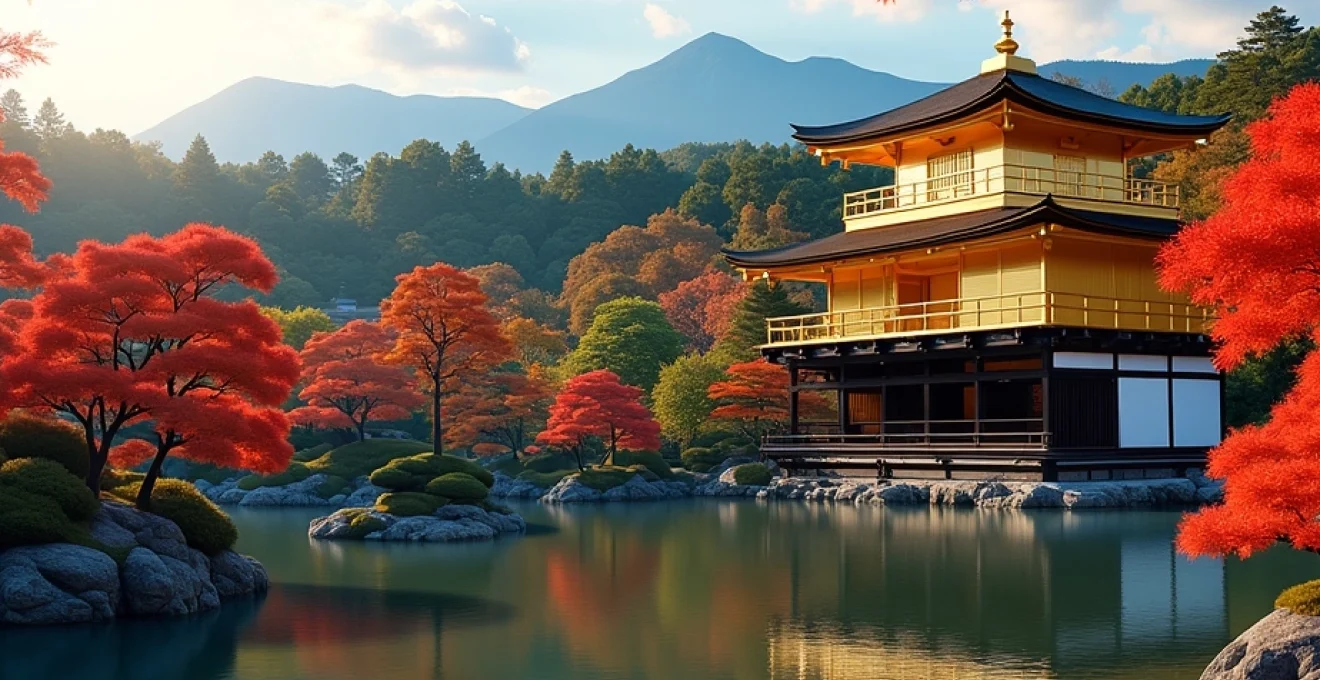
The Kinkaku-ji Temple complex provides an extraordinary setting for Zen meditation practices within one of Japan’s most photographed architectural treasures. The three-storey pavilion, covered entirely in gold leaf, reflects magnificently in the surrounding pond, creating a visual metaphor for enlightenment and spiritual reflection. Visitors can participate in early morning meditation sessions that take place before the temple opens to general visitors, offering a serene environment for contemplative practice.
The temple’s gardens exemplify classical Japanese landscape design principles, with carefully positioned rocks, islands, and plantings that create a harmonious composition representing the Buddhist cosmos. The meditation sessions incorporate traditional zazen sitting meditation techniques, guided by experienced practitioners who explain the philosophical foundations of Zen Buddhism. These sessions typically last 45 minutes and include instruction on proper posture, breathing techniques, and mindfulness practices that visitors can continue in their daily lives.
Fushimi inari taisha thousand torii gates pilgrimage
The Fushimi Inari Taisha shrine offers one of Japan’s most distinctive spiritual journeys through thousands of vermillion torii gates that create tunnel-like pathways up Mount Inari. This pilgrimage route, known as the Senbon Torii , extends for approximately four kilometres and represents a physical manifestation of spiritual ascension. Each gate has been donated by individuals or businesses as offerings to Inari, the Shinto deity of rice, prosperity, and business success.
The cultural significance of this pilgrimage extends beyond its visual impact, as visitors participate in an ancient tradition of spiritual purification and petition. Traditional customs include writing wishes on small wooden plaques called ema , making offerings at numerous sub-shrines along the path, and observing proper shrine etiquette such as ritual hand washing and bowing. The climb takes approximately two hours to complete, with multiple rest stations offering refreshments and providing opportunities to observe traditional shrine architecture and fox statuary that represents Inari’s messengers.
Kiyomizu-dera wooden stage heritage conservation
Kiyomizu-dera Temple demonstrates remarkable Japanese carpentry techniques through its famous wooden stage that projects from the main hall without using a single nail. This architectural marvel, constructed using traditional sashimono joinery methods, showcases the sophisticated engineering capabilities of historical Japanese craftsmen. The temple’s construction methods represent centuries of accumulated knowledge in working with wood as a primary building material in earthquake-prone regions.
Visitors can observe ongoing conservation efforts that maintain these traditional building techniques whilst ensuring structural integrity for future generations. The temple complex offers guided tours that explain the historical carpentry methods, the significance of using specific wood types, and the ritual purposes of different architectural elements. The main hall houses the eleven-faced, thousand-armed Kannon statue, and visitors can participate in traditional prayer rituals whilst appreciating the craftsmanship that supports this sacred space.
Ryoan-ji karesansui rock garden philosophy
The Ryoan-ji Temple’s karesansui rock garden represents the pinnacle of Japanese aesthetic philosophy and Zen contemplative design. This minimalist composition of fifteen carefully placed rocks in raked white gravel embodies principles of wabi-sabi (imperfect beauty) and ma (meaningful emptiness). The garden’s design creates a visual paradox where all fifteen stones cannot be viewed simultaneously from any single vantage point, encouraging contemplation of perception and reality.
Philosophical interpretation of the garden varies among visitors and scholars, with some seeing representations of islands in an ocean, tiger cubs crossing water, or abstract expressions of cosmic infinity. The temple offers guided meditation sessions where visitors can practice contemplative observation whilst learning about Zen philosophy and the aesthetic principles that inform Japanese garden design. These sessions emphasise the importance of direct experience over intellectual understanding, encouraging participants to develop their own relationship with the space through quiet observation and reflection.
Tofuku-ji temple autumn maple viewing traditions
Tofuku-ji Temple provides exceptional opportunities to experience momiji-gari , the traditional Japanese practice of autumn maple viewing that combines aesthetic appreciation with seasonal mindfulness. The temple complex contains over 2,000 maple trees of various species, creating spectacular displays of autumn colour that have inspired poets and artists for centuries. The viewing traditions associated with Tofuku-ji emphasise the Buddhist concept of impermanence, using the changing colours as meditation on life’s transient nature.
The temple’s famous Tsutenkyo Bridge offers elevated views of the maple valley below, whilst traditional viewing parties called momiji-gari take place in designated areas where visitors can appreciate the colours whilst enjoying traditional sweets and tea. These gatherings maintain centuries-old customs of seasonal celebration that combine aesthetic enjoyment with community participation and philosophical reflection on nature’s cycles. The temple also offers special evening illuminations during peak autumn season, creating ethereal lighting conditions that enhance the contemplative atmosphere.
Authentic geisha district cultural immersion
Kyoto’s geisha districts, known as hanamachi (flower towns), preserve one of Japan’s most sophisticated entertainment and artistic traditions. These historic neighbourhoods offer visitors glimpses into a world where traditional performing arts, refined conversation, and aesthetic excellence converge in carefully maintained cultural practices. Understanding geisha culture requires appreciation of its artistic complexity and social significance within Japanese cultural hierarchy.
Gion hanami-koji tea house ochaya experiences
The Gion district’s Hanami-koji street contains numerous traditional ochaya tea houses where visitors can experience authentic geisha hospitality and entertainment. These exclusive establishments, some dating back over 200 years, maintain strict protocols and artistic standards that have remained unchanged for generations. Ochaya experiences typically include traditional kaiseki dining, sake tasting, and performances of classical dance, shamisen music, and refined conversation games.
Access to ochaya requires proper introduction through established connections, reflecting the exclusive nature of traditional geisha culture. However, several establishments now offer cultural experiences for international visitors that maintain authentic protocols whilst providing educational context about geisha artistry and social customs. These experiences include explanation of the extensive training required for geisha accomplishments, the seasonal significance of kimono selections, and the sophisticated entertainment skills that distinguish geisha from other performers.
The ochaya experience represents the pinnacle of Japanese hospitality culture, where every gesture, conversation, and artistic performance contributes to an atmosphere of refined elegance.
Pontocho alley traditional kaiseki dining rituals
Pontocho Alley’s narrow confines house some of Kyoto’s most prestigious kaiseki restaurants, where traditional multi-course dining reaches artistic heights. These establishments maintain centuries-old culinary traditions that elevate seasonal ingredients through precise preparation techniques and aesthetic presentation. Kaiseki dining rituals emphasise harmony between taste, texture, colour, and seasonal appropriateness, creating meals that function as cultural education and aesthetic experience.
The dining experience in Pontocho follows strict protocols regarding course sequence, eating techniques, and appreciation of seasonal themes. Many restaurants offer educational kaiseki experiences where chefs explain the philosophical principles underlying dish selection and preparation methods. These sessions cover topics such as the importance of seasonal awareness in Japanese culture, traditional preservation techniques, and the aesthetic principles that guide presentation. The intimate setting of Pontocho’s traditional buildings enhances the cultural immersion, with many restaurants featuring tatami seating and views of the Kamogawa River.
Miyagawa-cho maiko apprenticeship observations
Miyagawa-cho district provides opportunities to observe maiko apprenticeship traditions that represent one of Japan’s most intensive artistic training programs. Young women spend years mastering dance, music, conversation, and deportment whilst adapting to the demanding lifestyle required for geisha accomplishment. The apprenticeship system maintains traditional mentorship structures where experienced geiko guide maiko through gradual skill development and cultural integration.
Visitors can observe maiko training sessions at designated cultural centres where traditional arts instruction takes place. These observations include demonstrations of shamisen playing techniques, classical dance forms such as jiuta-mai and kyomai , and the intricate processes involved in traditional makeup and kimono dressing. The training sessions emphasise the discipline and dedication required for mastering these complex artistic forms, providing insight into the cultural values that sustain traditional Japanese performing arts.
Kamishichiken historic geiko performance arts
Kamishichiken, Kyoto’s oldest geisha district, maintains the most traditional approaches to geiko performance arts and cultural practices. This district’s tea houses and performance venues preserve historical entertainment forms that date back to the Muromachi period, offering visitors access to artistic traditions that have remained largely unchanged for centuries. The geiko performance arts in Kamishichiken emphasise classical repertoires and maintain the highest standards of technical excellence.
Performance experiences in Kamishichiken include seasonal dance recitals, traditional music concerts, and cultural demonstrations that showcase the full range of geiko accomplishments. The district’s annual Kitano Odori dance performances represent the pinnacle of Kyoto’s traditional entertainment culture, featuring elaborate costumes, live musical accompaniment, and choreography that tells classical Japanese stories. These performances provide educational context about the historical development of geisha culture and its continuing significance in preserving traditional Japanese aesthetic values.
Imperial palace grounds and aristocratic heritage
The Kyoto Imperial Palace complex preserves over 1,000 years of Japanese court culture and aristocratic traditions within meticulously maintained grounds that exemplify classical Japanese landscape design. This extensive site served as the primary residence of Japan’s imperial family from 794 until 1868, accumulating layers of architectural, artistic, and ceremonial significance that provide unparalleled insights into aristocratic Japanese culture.
Guided tours of the Imperial Palace reveal the sophisticated court protocols, architectural innovations, and aesthetic principles that governed aristocratic life during Japan’s classical periods. The palace buildings demonstrate traditional construction techniques using natural materials and incorporate design elements that reflect seasonal awareness and harmony with natural surroundings. Court ceremony demonstrations take place regularly, showcasing traditional music, dance, and ritual practices that formed the foundation of Japanese high culture.
The palace gardens contain rare plant species, traditional landscape features, and architectural elements that have influenced garden design throughout Japan. Seasonal flower festivals celebrate the court’s sophisticated appreciation of natural beauty, whilst tea ceremony demonstrations in the palace tea houses maintain aristocratic traditions of hospitality and aesthetic refinement. The extensive grounds also house the Sento Imperial Palace, providing additional examples of imperial architecture and garden design from different historical periods.
Educational programs at the Imperial Palace cover topics such as the development of Japanese court music, the evolution of aristocratic clothing styles, and the political significance of architectural choices in imperial buildings. Visitors can participate in cultural workshops that teach traditional court arts such as gagaku music, classical poetry composition, and traditional game playing that entertained the imperial court for centuries.
The Imperial Palace grounds represent a living museum of Japanese aristocratic culture, where architectural spaces and cultural practices combine to preserve the sophisticated refinement of imperial court life.
Traditional craft workshops and artisan techniques
Kyoto’s traditional craft workshops maintain artisan techniques that have been passed down through generations of master craftspeople, offering visitors hands-on experiences with cultural practices that define Japanese aesthetic sensibility. These workshops preserve manufacturing methods, design principles, and artistic traditions that continue to influence contemporary Japanese design whilst maintaining connections to historical cultural values.
Kiyomizu-yaki pottery kiln firing methods
Kiyomizu-yaki pottery workshops near Kiyomizu-dera Temple demonstrate traditional ceramic techniques that have produced distinctive Kyoto pottery for over 400 years. These workshops maintain ancient kiln firing methods that create the characteristic glazes and firing effects associated with Kyoto ceramics. Visitors can participate in pottery making sessions that include clay preparation, wheel throwing, glazing techniques, and traditional firing processes using wood-burning kilns.
The cultural significance of Kiyomizu-yaki extends beyond technical accomplishment to encompass aesthetic philosophy emphasising natural beauty, seasonal awareness, and harmony between form and function. Workshop sessions include instruction in traditional decorating techniques such as underglaze painting , overglaze enamelling , and surface texturing methods that create the distinctive visual qualities of Kyoto pottery. Participants learn about the cultural contexts that influenced pottery design, including tea ceremony requirements, seasonal celebrations, and aristocratic preferences that shaped ceramic traditions.
Nishijin-ori silk weaving loom demonstrations
The Nishijin district’s silk weaving workshops preserve traditional loom techniques that create some of Japan’s most luxurious textiles, including obi sashes and kimono fabrics renowned for their intricate patterns and superior quality. These workshops maintain historical weaving methods using traditional looms that require years of training to master, producing textiles that embody centuries of accumulated technical knowledge and aesthetic refinement.
Weaving demonstrations reveal the complex processes involved in creating Nishijin-ori textiles, from silk thread preparation and dyeing to pattern planning and loom setup. Visitors can observe master weavers working on traditional looms whilst learning about the mathematical precision required for complex pattern creation and the seasonal themes that inspire textile designs. Workshop experiences include hands-on instruction in basic weaving techniques, pattern analysis, and appreciation of the aesthetic principles that guide traditional textile design.
Kyo-yuzen kimono dyeing resist techniques
Kyo-yuzen kimono dyeing workshops demonstrate sophisticated resist dyeing techniques that create the elaborate pictorial designs characteristic of Kyoto’s most prestigious kimono. These techniques combine artistic skill with technical precision to produce textiles that function as wearable art, incorporating seasonal motifs, classical literary references, and sophisticated colour harmonies that reflect deep cultural knowledge.
Workshop sessions cover the complete yuzen process, from initial design sketching and pattern transfer to resist application, dyeing procedures, and finishing techniques. Participants learn about the cultural symbolism embedded in traditional kimono designs, the seasonal appropriateness of different motifs, and the social significance of kimono wearing in Japanese culture. The workshops emphasise the collaborative nature of kimono creation, involving multiple specialists in design, dyeing, embroidery, and finishing who contribute their expertise to produce these complex textiles.
Bamboo craft arashiyama workshop traditions
Arashiyama’s bamboo craft workshops maintain traditional techniques for creating functional and artistic objects from locally harvested bamboo, demonstrating sustainable crafting practices that have supplied Japanese households with essential items for centuries. These workshops teach traditional bamboo processing methods including selection, cutting, splitting, and weaving techniques that produce baskets, containers, and decorative objects renowned for their durability and aesthetic appeal.
The cultural significance of bamboo crafting encompasses both practical necessity and aesthetic philosophy, with traditional forms reflecting principles of natural beauty, functional efficiency, and environmental harmony. Workshop experiences include instruction in bamboo preparation techniques, basic weaving patterns, and finishing methods that create objects suitable for daily use. Participants learn about the sustainable harvesting practices that ensure bamboo availability whilst maintaining forest health, demonstrating traditional Japanese approaches to environmental stewardship.
Traditional craft workshops in Kyoto function as cultural preservation centres where ancient techniques continue to evolve whilst maintaining their essential characteristics and cultural significance.
Seasonal festival participation and ritual ceremonies
Kyoto’s seasonal festivals and ritual ceremonies provide opportunities for active participation in cultural traditions that connect communities with natural cycles, spiritual practices, and historical continuity.
These festivals encompass centuries-old traditions that mark important transitions in the agricultural calendar, honour ancestral spirits, and celebrate cultural achievements through elaborate processions, performances, and community gatherings. The most significant festivals offer visitors opportunities to witness and participate in authentic cultural expressions that have remained largely unchanged since their historical origins.
The Gion Matsuri, held throughout July, represents Japan’s most famous festival and demonstrates the sophisticated organisation required for large-scale traditional celebrations. This month-long festival culminates in massive float processions featuring elaborate tapestries, traditional music, and community participation that involves thousands of local residents. Festival participation opportunities include helping to pull the massive floats, joining traditional music performances, and participating in neighbourhood celebrations that maintain community bonds whilst preserving cultural traditions.
Seasonal ceremonies throughout the year provide intimate experiences with Japanese spiritual practices and cultural observances. The Setsubun bean-throwing ceremonies in February demonstrate community participation in ritual purification, whilst spring cherry blossom festivals combine aesthetic appreciation with social gathering traditions that celebrate seasonal renewal. Autumn maple-viewing festivals incorporate traditional poetry composition and seasonal dining customs that reflect sophisticated cultural relationships with natural cycles.
Temple and shrine festivals offer visitors opportunities to participate in ritual activities such as mikoshi portable shrine carrying, traditional dance performances, and ceremonial food preparation that maintains community connections to spiritual practices. These events demonstrate the continuing vitality of traditional culture whilst providing educational experiences about Japanese religious customs, community organisation, and cultural values that sustain these elaborate traditional celebrations.
Participation in Kyoto’s seasonal festivals provides authentic cultural immersion experiences where visitors become temporary members of communities that have maintained these traditions for centuries, creating lasting connections to Japanese cultural values and practices.
The festival calendar includes numerous smaller celebrations that focus on specific cultural themes such as traditional craft demonstrations, historical commemorations, and seasonal food festivals that showcase regional specialities. Evening festivals often feature traditional lighting ceremonies, lantern processions, and cultural performances that create magical atmospheric conditions whilst demonstrating the sophisticated aesthetic sensibility that characterises Japanese festival culture. These events emphasise community participation, cultural education, and the preservation of traditional knowledge through active engagement rather than passive observation.