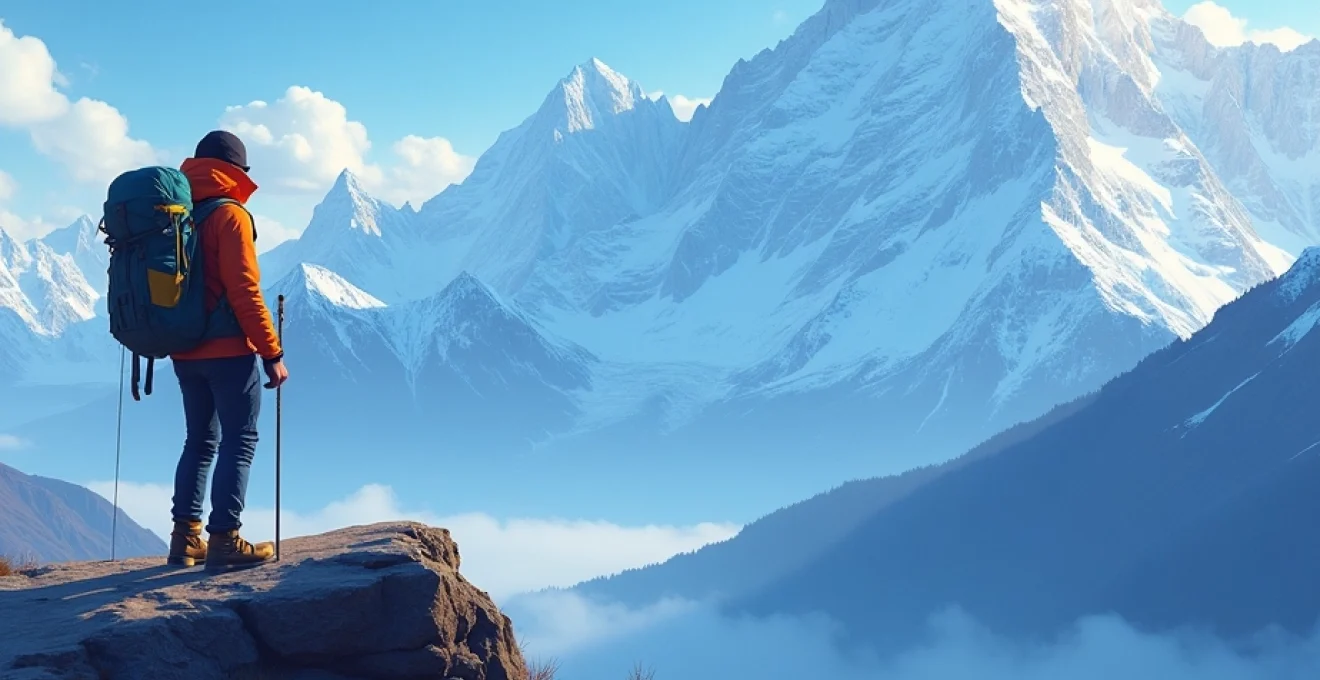
Nepal stands as one of the world’s most extraordinary adventure destinations, where the towering Himalayas meet ancient cultures and pristine wilderness. This landlocked kingdom offers an unparalleled playground for thrill-seekers, from the oxygen-thin air of 8,000-metre peaks to the dense jungles of the Terai lowlands. The country’s diverse topography creates opportunities for experiences found nowhere else on Earth – where else can you paraglide with views of Mount Everest, raft through Himalayan gorges, and track Bengal tigers in the same journey?
The adventure tourism industry in Nepal has grown exponentially, with over 1.2 million visitors annually seeking experiences that challenge both body and spirit. This growth reflects the country’s unique position as a natural amphitheatre where adventure activities range from accessible day trips to extreme expeditions requiring months of preparation. Whether you’re seeking the meditative rhythm of high-altitude trekking or the adrenaline surge of bungee jumping into river gorges, Nepal delivers adventures that transform perspectives and create lifelong memories.
High-altitude trekking adventures in the himalayas
Nepal’s trekking routes represent the gold standard for mountain walking worldwide, offering access to eight of the world’s fourteen highest peaks. The country’s well-established trail network, supported by centuries-old trade routes and modern teahouse infrastructure, makes high-altitude adventures accessible to trekkers of varying experience levels. The Himalayan ecosystem provides a unique backdrop where rhododendron forests give way to alpine meadows, and traditional Sherpa, Gurung, and Tamang villages showcase living mountain cultures.
The trekking season extends from September through May, with autumn and spring offering the clearest mountain views. During peak season, popular routes can accommodate thousands of trekkers daily, yet the vastness of the Himalayas ensures that solitude remains achievable for those seeking quieter paths. Modern trekking in Nepal combines traditional hospitality with contemporary safety standards, making it possible to walk for weeks through remote terrain with reliable accommodation and meals.
Everest base camp trek: kala patthar summit and tengboche monastery route
The Everest Base Camp trek remains the ultimate pilgrimage for mountain enthusiasts, following the footsteps of legendary climbers through the Khumbu Valley. This 12-day journey reaches an elevation of 5,364 metres at Everest Base Camp, with the optional ascent of Kala Patthar (5,545m) providing the trek’s most spectacular viewpoint. The route passes through Sagarmatha National Park, a UNESCO World Heritage site that protects unique high-altitude ecosystems and Sherpa cultural heritage.
The trek begins with a dramatic flight to Lukla airport, often described as one of the world’s most dangerous yet scenic airstrips. From there, the trail winds through pine forests, across suspension bridges over rushing glacial rivers, and past ancient Buddhist monasteries. Tengboche Monastery, perched at 3,867 metres, serves as a spiritual highlight where morning prayers echo against the backdrop of Everest, Lhotse, and Ama Dablam peaks.
Annapurna circuit: thorong la pass crossing and muktinath temple trail
The Annapurna Circuit showcases Nepal’s incredible biodiversity, transitioning from subtropical valleys to high-altitude deserts within a single trek. This classic route circumnavigates the Annapurna Massif over 15-20 days, crossing the challenging Thorong La Pass at 5,416 metres. The circuit demonstrates remarkable geographical diversity, from the terraced hillsides of Ghandruk to the Tibetan-influenced landscapes of Manang and Muktinath.
Recent road construction has altered portions of the traditional circuit, yet the core experience remains intact. Trekkers encounter diverse ethnic communities, each with distinct languages, customs, and architectural styles. The sacred site of Muktinath Temple attracts both Hindu and Buddhist pilgrims, creating a unique cultural confluence at 3,710 metres elevation. The circuit’s reputation for excellent mountain views includes close-range perspectives of Annapurna I, Dhaulagiri, and Machhapuchhre peaks.
Manaslu circuit trek: larkya la pass navigation and conservation area exploration
The Manaslu Circuit offers a more remote alternative to the popular Everest and Annapurna routes, circling the world’s eighth-highest peak through the Manaslu Conservation Area. This restricted area trek requires special permits and provides genuine wilderness experiences with fewer commercial influences. The 14-day circuit crosses Larkya La Pass at 5,106 metres, offering dramatic views of Manaslu, Cheo Himal, and Himlung Himal peaks.
The trek begins in the Hindu lowlands around Soti Khola and gradually transitions through Buddhist territories influenced by Tibetan culture. Villages like Samagaon and Samdo maintain traditional lifestyles largely unchanged by modern tourism. The conservation area protects diverse ecosystems, from subtropical forests inhabited by langur monkeys to high-altitude environments where snow leopards and blue sheep roam.
Upper mustang trek: lo manthang forbidden kingdom and tibetan buddhist culture
Upper Mustang, once the forbidden kingdom of Lo, offers a journey through landscapes and cultures more reminiscent of Tibet than Nepal. This rain-shadow region behind the Himalayas maintains a desert-like environment with unique red cliff formations, ancient caves, and wind-eroded rock sculptures. The restricted area requires special permits and guides, preserving its authentic character and limiting visitor numbers.
The capital, Lo Manthang, remains one of the last intact medieval walled cities in the Himalayas, ruled by the traditional King of Mustang until 2008. Ancient monasteries contain precious manuscripts and artworks dating back centuries, while local festivals maintain Tibetan Buddhist traditions. The trek’s moderate altitude, reaching only 3,840 metres at its highest point, makes it accessible year-round, though spring and autumn offer the most comfortable conditions.
Extreme mountain sports and technical climbing
Nepal’s vertical playground extends far beyond trekking, offering world-class opportunities for technical climbers and extreme sports enthusiasts. The country hosts over 1,310 peaks above 6,000 metres, with 414 officially open for climbing expeditions. This creates an unmatched environment for peak climbing, technical rock routes, and specialized mountain sports that challenge even experienced alpinists. The climbing infrastructure has evolved significantly, with certified guides, modern equipment availability, and established safety protocols making extreme adventures more accessible.
The climbing season typically spans October through May, avoiding the monsoon period when rockfall and avalanche risks increase significantly. Many climbers use Nepal’s trekking peaks as training grounds for higher objectives, creating a natural progression from basic mountaineering to extreme altitude expeditions. The mountain guiding industry employs thousands of Sherpa and other ethnic mountain specialists whose generational knowledge proves invaluable for safe climbing experiences.
Peak climbing expeditions: island peak, mera peak, and lobuche east ascents
Nepal’s trekking peaks provide the perfect introduction to Himalayan climbing, requiring technical skills while remaining achievable for motivated climbers with basic mountaineering experience. Island Peak (6,189m) stands as the most popular choice, combining an Everest Base Camp trek with a genuine summit experience. The climb involves glacier travel, fixed rope sections, and a dramatic summit ridge that tests both technical ability and mental fortitude.
Mera Peak (6,476m) holds the distinction of being Nepal’s highest trekking peak, offering spectacular panoramic views of five 8,000-metre peaks from its summit. The route through the remote Hinku Valley provides excellent acclimatization and technical practice on glaciers and steep snow slopes. Lobuche East (6,119m) presents a more technical challenge with mixed rock and ice climbing, requiring advanced rope work and glacier rescue techniques.
Technical rock climbing: nagarjun forest reserve and hattiban resort crags
Nepal’s rock climbing scene has developed rapidly, with established crags near Kathmandu providing excellent training grounds for visiting climbers and growing local climbing communities. Nagarjun Forest Reserve, just 30 minutes from central Kathmandu, offers over 200 established routes ranging from beginner-friendly slabs to overhanging sport climbs rated 5.12+. The limestone cliffs provide year-round climbing opportunities with spectacular valley views.
Hattiban Resort area features traditional multi-pitch climbing on solid rock with routes up to 300 metres in length. The area’s accessibility makes it popular for climbing courses and rescue training programs. Local climbing shops in Kathmandu now stock international-standard equipment, and several certified mountain guides offer technical instruction for both rock climbing and alpine skills development.
Ice climbing adventures: everest region icefalls and langtang valley formations
Nepal’s high-altitude environment creates spectacular ice climbing opportunities during winter months, when waterfalls freeze solid and glacial formations become accessible to technical climbers. The Everest region offers world-class ice climbing with routes like the Ama Dablam Cold Turkey couloir and various icefall formations around Lobuche and Chukhung valleys. These climbs require advanced technical skills and proper cold-weather equipment.
Langtang Valley provides more accessible ice climbing options with frozen waterfalls near Kyanjin Gompa and technical mixed routes on surrounding peaks. The area’s lower altitude makes it suitable for ice climbing instruction and skill development. Specialized ice climbing expeditions typically run from December through March, when conditions remain most stable and temperatures adequately cold for reliable ice formation.
Via ferrata routes: sarangkot cliff traverse and annapurna conservation area
Via ferrata, or “iron road” climbing, represents a growing adventure sport in Nepal that bridges hiking and technical climbing. These fixed-route adventures use permanent cables, ladders, and anchors to guide climbers along exposed cliff faces and dramatic ridgelines. The Sarangkot cliff traverse near Pokhara offers spectacular aerial views of the Annapurna range while providing safe passage along otherwise dangerous terrain.
New via ferrata developments in the Annapurna Conservation Area combine adventure with conservation education, routing climbers through diverse ecosystems while minimizing environmental impact. These routes require specialized equipment including climbing harnesses, via ferrata lanyards, and helmets, though most operators provide complete equipment packages. The sport’s accessibility makes it popular among adventure tourists seeking technical challenges without extensive climbing experience.
White water rafting and kayaking expeditions
Nepal’s river systems, fed by Himalayan glaciers and monsoon rains, create some of the world’s most exciting white water rafting and kayaking opportunities. The country features over 6,000 rivers flowing through diverse landscapes, from gentle family-friendly floats to extreme Grade V rapids that challenge professional kayakers. The rafting industry has matured significantly, with internationally certified guides, modern equipment, and established safety protocols making river adventures accessible to participants of all skill levels.
The rafting season varies by river and region, with different waterways offering optimal conditions throughout the year. Spring snowmelt creates high-volume conditions perfect for experienced rafters, while post-monsoon periods provide clearer water and stable weather. Multi-day expeditions combine river running with camping on sandy beaches, wildlife observation, and visits to remote villages accessible only by river. The Sun Koshi River, known as the “River of Gold,” offers one of the world’s top ten river journeys with 270 kilometres of varied rapids and pristine wilderness camping.
The Trishuli River provides the most accessible white water experience, just three hours from Kathmandu, making it perfect for day trips and beginner rafters. For extreme adventure, the Bhote Koshi River delivers continuous Grade IV-V rapids through narrow gorges near the Tibet border. The Seti River offers scenic floating through the Pokhara valley with moderate rapids and stunning mountain views, while the Karnali River provides Nepal’s longest river expedition through remote western regions with excellent wildlife viewing opportunities.
Professional rafting companies employ experienced guides trained in swift water rescue and wilderness first aid, ensuring safety standards match international norms. Modern equipment including self-bailing rafts, quality helmets, and properly fitted life jackets significantly reduce risks associated with white water sports. Many expeditions include cultural components, with stops at traditional villages where river communities maintain ancient lifestyles largely unchanged by modern development.
Aerial adventure sports and paragliding
Nepal’s unique topography and weather patterns create ideal conditions for aerial adventure sports, particularly paragliding, which has become synonymous with Pokhara’s adventure tourism scene. The combination of stable thermals, reliable lift conditions, and spectacular mountain backdrops makes Nepal a world-renowned paragliding destination. Professional pilots from around the globe visit annually to experience flying with views of 8,000-metre peaks, while tandem flights make the sport accessible to complete beginners.
The experience of soaring above Phewa Lake with the Annapurna range filling the horizon represents one of adventure travel’s most memorable moments, combining the thrill of free flight with Nepal’s unmatched natural beauty.
The aerial sports industry extends beyond paragliding to include helicopter tours, ultralight aircraft flights, and even extreme sports like skydiving near Mount Everest. These activities provide unique perspectives on Nepal’s dramatic landscapes while requiring minimal technical skills from participants. Safety standards have improved dramatically with certified pilots, modern equipment, and comprehensive insurance coverage becoming industry standards.
Pokhara paragliding: sarangkot launch site and phewa lake landing zone
Pokhara represents one of the world’s premier paragliding locations, with consistent thermals, spectacular scenery, and excellent infrastructure supporting year-round flying. The primary launch site at Sarangkot (1,600m) provides reliable take-off conditions for most of the year, with flights typically lasting 30-60 minutes depending on thermal activity. Landing occurs on the shores of Phewa Lake, creating a dramatic finish to flights with mountain reflections shimmering in the calm water.
Tandem flights with certified pilots make paragliding accessible to anyone over 16 years old and under 100 kilograms, requiring no previous experience or training. Advanced pilots can arrange extended cross-country flights reaching altitudes over 4,000 metres, with some flights covering distances exceeding 100 kilometres. The consistent conditions and supportive infrastructure have made Pokhara a popular destination for paragliding instruction, with several schools offering internationally recognized certification courses.
Bandipur paragliding: siddha cave thermal currents and mountain ridge flying
Bandipur offers an alternative paragliding experience away from Pokhara’s crowds, with thermal currents generated by the dramatic topography around Siddha Cave and surrounding ridgelines. This medieval hilltop town provides a unique cultural setting for paragliding adventures, with launches occurring near traditional Newari architecture and ancient temples. The flying sites offer excellent mountain views while providing more intimate, less commercialized experiences.
Ridge soaring opportunities around Bandipur allow experienced pilots to extend flight times significantly, using updrafts generated by wind hitting the steep hillsides. The area’s development as a paragliding destination supports local tourism while providing alternatives to overcrowded locations. Weather conditions remain suitable for flying most days from October through April, with thermal activity typically strongest during midday hours.
Helicopter tours: everest scenic flights and annapurna base camp transfers
Helicopter tours provide unmatched access to Nepal’s high-altitude environments without the time commitment and physical demands of traditional trekking. Everest scenic flights offer close-range views of the world’s highest peaks, with landing opportunities at Everest Base Camp and Kala Patthar for photography and exploration. These flights make the ultimate mountain experience accessible to travelers with limited time or physical constraints that prevent traditional trekking approaches.
Annapurna Base Camp helicopter tours combine aerial sightseeing with high-altitude landings at 4,130 metres, providing immediate access to the spectacular Annapurna Sanctuary. Weather-dependent operations mean flexibility in scheduling, but successful flights offer perspectives impossible to achieve through ground-based travel. Modern helicopters equipped with oxygen systems and experienced high-altitude pilots ensure safety standards appropriate for extreme mountain environments.
Bungee jumping: the last resort bhote koshi and kusma suspension bridge
Nepal hosts some of the world’s most spectacular bungee jumping locations, combining extreme heights with dramatic natural settings that amplify the adventure experience. The Last Resort on the Bhote Koshi River offers a 160-metre jump from a suspension bridge over a steep river gorge, creating one of the highest natural bungee sites globally. The location’s remoteness and wild setting intensify the psychological challenge while providing unmatched scenic beauty.
Kusma’s suspension bridge bungee represents an even more
extreme adventure, with the jump platform positioned 228 metres above the Kali Gandaki River. This makes it the world’s second-highest bungee jump, offering a breathtaking 4.5-second freefall through mountain air before the cord engages. The bridge’s engineering marvel allows participants to experience true weightlessness while surrounded by some of Nepal’s most dramatic mountain scenery.
Professional bungee operations in Nepal employ New Zealand-trained jump masters and utilize equipment meeting international safety standards. Participants undergo comprehensive safety briefings and equipment checks before jumping, with multiple backup systems ensuring redundancy. The psychological challenge of stepping off platforms hundreds of metres above rushing rivers creates an intense mental barrier that many consider as challenging as the physical experience itself.
Wildlife safari and jungle adventures
Nepal’s southern Terai region transforms the mountain kingdom into an unexpected wildlife paradise, where dense subtropical forests harbor some of Asia’s most endangered species. The lowland national parks protect ecosystems dramatically different from the Himalayan environment, creating biodiversity hotspots where Bengal tigers, one-horned rhinoceros, and Asian elephants roam through pristine wilderness. These conservation areas represent remarkable success stories, with species populations recovering through dedicated protection efforts and community-based conservation programs.
Chitwan National Park, Nepal’s first national park and a UNESCO World Heritage site, covers 932 square kilometres of protected wilderness just 150 kilometres from Kathmandu. The park’s successful rhinoceros conservation program has increased populations from fewer than 100 individuals in the 1960s to over 600 today. Safari activities include jeep drives, elephant-back expeditions, canoe trips down the Rapti River, and guided jungle walks led by experienced naturalists who possess intimate knowledge of animal behavior and habitat preferences.
Bardia National Park in western Nepal offers a more remote and less crowded alternative to Chitwan, with higher chances of tiger sightings and a more pristine wilderness experience. The park’s 968 square kilometres support Nepal’s largest tiger population, estimated at over 80 individuals, along with significant populations of wild elephants, spotted deer, and over 400 bird species. River rafting expeditions down the Karnali River often combine white water adventure with wildlife observation, as the river forms the park’s northern boundary.
Safari accommodations range from basic community lodges supporting local conservation efforts to luxury eco-resorts offering premium wilderness experiences. Many lodges employ local Tharu people as naturalist guides, whose traditional knowledge of forest ecosystems proves invaluable for locating wildlife and understanding animal behavior. Conservation tourism in Nepal directly funds anti-poaching efforts, habitat restoration, and community development programs that create economic incentives for wildlife protection.
Specialized wildlife photography tours cater to serious photographers seeking optimal conditions for capturing rare species in their natural habitats. These expeditions utilize specialized vehicles, professional guide services, and strategic timing to maximize wildlife encounters while minimizing environmental impact. The early morning and late afternoon game drives offer the highest probability of animal sightings when most species remain active before and after the heat of midday.
Cultural adventure activities and heritage exploration
Nepal’s cultural landscape provides adventure experiences that engage mind and spirit as intensely as physical challenges engage the body. The country’s position along ancient trade routes between India and Tibet created a unique fusion of Hindu and Buddhist traditions, expressed through magnificent architecture, living spiritual practices, and vibrant festivals that continue unchanged for centuries. Cultural adventure activities allow travelers to participate actively in these traditions rather than merely observing from a distance.
Heritage walks through Kathmandu’s medieval core navigate narrow streets lined with intricately carved temples, traditional courtyard houses, and ancient palaces that survived the 2015 earthquakes. Durbar Squares in Kathmandu, Patan, and Bhaktapur showcase Newari architectural mastery with pagoda temples, stone sculptures, and woodwork displaying incredible craftsmanship. Local guides, often from families with generational connections to specific temples, provide insights into religious practices, architectural techniques, and historical events that shaped these cultural treasures.
Monastery visits in both Buddhist and Hindu sites offer opportunities for meditation instruction, participation in daily prayer ceremonies, and conversations with monks and spiritual teachers about philosophical traditions. Many monasteries welcome respectful visitors to join morning prayers, particularly in the Everest region where Sherpa Buddhism maintains strong monastic traditions. These experiences provide profound cultural immersion while supporting monastery maintenance and community development projects.
Village homestays throughout Nepal create authentic cultural exchanges where travelers live with local families, participate in daily activities like farming or cooking, and learn traditional crafts and skills. These programs, particularly well-developed in areas like Gorkha, Bandipur, and remote trekking regions, provide significant economic benefits to rural communities while preserving traditional lifestyles. Participants often find these cultural immersions as transformative as physical adventures, creating lasting connections with Nepali families and deeper understanding of rural mountain life.
Festival participation offers peak cultural adventure experiences, with events like Dashain, Tihar, and Holi providing opportunities to join elaborate celebrations involving entire communities. Local festivals in remote areas, such as harvest celebrations or monastery anniversaries, create intimate cultural experiences with minimal tourist presence. Advance planning proves essential for festival experiences, as timing varies by lunar calendar and specific local traditions require respectful participation guidelines.
Cooking classes and culinary adventures explore Nepal’s diverse regional cuisines, from Sherpa potato-based dishes in high mountains to spicy Tharu curries in the Terai lowlands. These programs often include market visits for ingredient selection, traditional cooking method instruction, and meals shared with local families. The country’s position between Indian and Tibetan culinary influences creates unique fusion dishes that reflect cultural diversity and geographical variations across different elevation zones.
Traditional craft workshops provide hands-on learning opportunities in skills like thanka painting, metalwork, wood carving, and textile production. Master artisans in areas like Patan’s traditional craft districts offer instruction in techniques passed down through generations. These cultural adventures support traditional craft preservation while providing income for skilled artisans whose work faces competition from mass-produced alternatives.