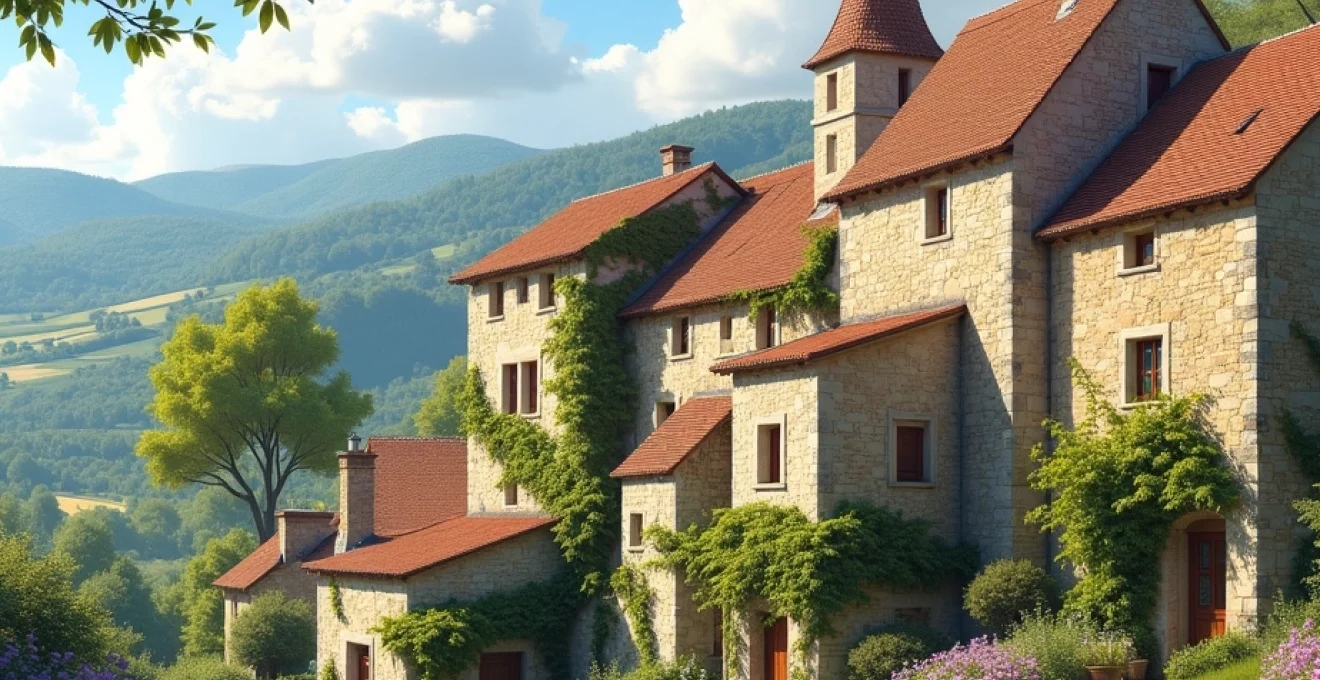
Provence beckons travellers with its legendary lavender fields and sun-drenched landscapes, yet beyond the well-trodden paths of Gordes and Roussillon lies a treasure trove of hidden villages waiting to be discovered. These lesser-known settlements offer an authentic glimpse into traditional Provençal life, where ancient stones tell stories of medieval commerce, Roman settlements, and centuries-old agricultural practices. From perched villages crowning rocky outcrops to coastal hamlets preserving maritime heritage, each destination reveals unique facets of this remarkable region’s cultural tapestry.
The true magic of Provence unfolds when you venture beyond tourist hotspots to explore villages that have remained largely unchanged for generations. Here, traditional mas architecture defines skylines, local artisans continue ancestral crafts, and weekly markets showcase regional specialities that reflect terroir and seasonal rhythms. These hidden gems offer opportunities to experience authentic Provençal culture whilst enjoying spectacular natural settings that range from dramatic limestone formations to rolling vineyard landscapes.
Medieval bastide villages and fortified settlements of northern provence
Northern Provence harbours remarkable examples of medieval urban planning through its collection of fortified villages and bastide settlements. These strategic locations once controlled vital trade routes between the Mediterranean coast and alpine regions, leaving behind architectural legacies that showcase centuries of regional history.
Entrechaux: château de rochebrune and renaissance architecture
Entrechaux emerges from the Ouvèze valley like a scene from a medieval manuscript, its ancient stones crowned by the imposing Château de Rochebrune. This 12th-century fortress underwent significant Renaissance modifications, creating a unique architectural fusion that represents different periods of regional prosperity. The village streets wind upward through carefully preserved medieval quarters, where traditional Provençal houses display characteristic génoises roof tiles and weathered limestone facades.
The château’s strategic position once commanded views across multiple valleys, enabling control of merchant routes that connected coastal Provence with inland territories. Today, visitors can explore restored sections of the fortress whilst enjoying panoramic vistas that encompass Mont Ventoux and the distant Dentelles de Montmirail. The village below maintains its authentic character through active preservation efforts that protect both architectural integrity and traditional economic activities.
Vaison-la-romaine: Gallo-Roman excavations and medieval upper town
Vaison-la-Romaine represents one of France’s most significant archaeological sites, where extensive Gallo-Roman ruins coexist with a perfectly preserved medieval upper town. The Roman city of Vasio Vocontiorum once served as capital of the Voconces tribe, leaving behind theatre complexes, residential quarters, and public buildings that demonstrate sophisticated urban planning from the 1st century AD.
The medieval Haute Ville perches dramatically above modern Vaison, accessible via a Roman bridge that has withstood two millennia of seasonal floods. Within the upper town’s protective walls, narrow cobblestone streets lead to the 12th-century castle ruins and the Romanesque cathedral of Notre-Dame de Nazareth. This dual heritage creates a unique opportunity to experience both Roman grandeur and medieval intimacy within a single visit.
The archaeological excavations at Vaison-la-Romaine have revealed one of the most complete pictures of daily life in a prosperous Gallo-Roman city, making it an essential destination for understanding Provence’s ancient foundations.
Crillon-le-brave: perched village classification and mont ventoux proximity
Crillon-le-Brave occupies a spectacular hillside position that offers unobstructed views of Mont Ventoux’s limestone summit and the surrounding Comtat Venaissin plains. This officially classified village perché maintains exceptional architectural unity through strict preservation standards that protect its 16th and 17th-century building stock. The village’s elevated position once provided defensive advantages whilst enabling residents to monitor agricultural activities across extensive valley floors.
The settlement’s proximity to Mont Ventoux places it within one of Provence’s most distinctive geological zones, where Mediterranean vegetation gradually transitions to alpine flora as elevation increases. Traditional dry-stone terraces surrounding the village demonstrate centuries of careful land management that maximised agricultural productivity whilst preventing soil erosion on steep slopes.
Le barroux: château renaissance restoration and vaucluse heritage
Le Barroux dominates the Comtat Venaissin landscape through its massive Renaissance château, which underwent extensive restoration following damage during World War II. The fortress’s reconstruction efforts employed traditional building techniques and local materials, creating an authentic representation of 16th-century military architecture. The village below reflects similar attention to historical accuracy, with restored houses displaying period-appropriate features such as mullioned windows and carved doorways.
The surrounding countryside showcases typical Vaucluse heritage through extensive olive groves, vineyard plantations, and bories – traditional dry-stone huts that served agricultural purposes for generations. These landscape elements combine to create a harmonious ensemble that demonstrates sustainable land use practices developed over centuries of Mediterranean agriculture.
Authentic provençal villages in the alpilles natural regional park
The Alpilles Natural Regional Park protects some of Provence’s most pristine landscapes whilst preserving traditional villages that exemplify authentic regional culture. These settlements continue ancestral practices including olive cultivation, limestone quarrying, and artisanal production methods that define Provençal identity.
Eygalières: organic olive oil production and traditional mas architecture
Eygalières represents the epitome of sustainable Provençal agriculture through its concentration of organic olive oil producers and traditional mas farmsteads. The village’s position within the Alpilles foothills provides optimal conditions for olive cultivation, with limestone soils and Mediterranean microclimates that produce exceptional fruit quality. Local producers have embraced organic certification whilst maintaining traditional harvesting and pressing methods that preserve flavour characteristics developed over generations.
The village architecture showcases quintessential Provençal building techniques through its collection of restored farmhouses that demonstrate regional adaptation to climate and available materials. Traditional mas structures feature thick limestone walls, small windows for temperature control, and distinctive roof configurations that channel rainwater collection. These architectural elements create comfortable living spaces whilst expressing authentic regional identity.
Aureille: limestone quarrying heritage and alpilles geological formation
Aureille’s economy historically centred on limestone extraction from the Alpilles geological formation, creating a unique industrial heritage within this pastoral landscape. The village’s quarries produced high-quality building stone that supplied construction projects throughout southern France, leaving behind dramatic excavated landscapes that have become integral to local identity. Former quarry sites now serve ecological functions whilst providing insights into traditional extraction techniques.
The Alpilles limestone formation creates distinctive topographical features including natural arches, underground caverns, and exposed cliff faces that support specialised Mediterranean vegetation communities. These geological characteristics influence local architecture, agriculture, and even culinary traditions through their impact on soil composition and water resources.
Mouriès: AOP vallée des Baux-de-Provence olive cultivation
Mouriès holds the distinction of producing France’s first Appellation d’Origine Protégée olive oil within the prestigious Vallée des Baux-de-Provence designation. This certification recognises exceptional terroir characteristics that include specific soil types, microclimate conditions, and traditional cultivation methods that create distinctive flavour profiles. Local producers maintain extensive groves of Aglandau, Grossane, and Salonenque olive varieties that express unique terroir characteristics.
The village’s olive oil mills employ traditional stone grinding methods alongside modern extraction technologies that preserve beneficial compounds whilst ensuring food safety standards. Visitors can experience the complete production cycle from harvest through bottling, gaining appreciation for the expertise required to produce world-class olive oil within this exceptional terroir.
Le paradou: agricultural tourism and provençal market gardens
Le Paradou exemplifies successful agricultural tourism development through its concentration of working farms that welcome visitors to experience traditional Provençal farming practices. The village’s fertile valley position enables intensive cultivation of seasonal vegetables, herbs, and fruits that supply regional markets whilst providing educational opportunities for urban visitors seeking authentic rural experiences.
Local market gardens demonstrate sustainable growing techniques that maximise productivity whilst preserving soil health and biodiversity. These operations showcase crop rotation systems, companion planting strategies, and natural pest management methods that have sustained agricultural productivity for generations. The village’s commitment to authentic agricultural tourism creates meaningful connections between producers and consumers whilst supporting local economic development.
Mountain villages of the mercantour and verdon regional territories
The mountainous territories of eastern Provence contain villages that represent some of France’s most dramatic settlement locations, where communities adapted to challenging alpine environments whilst maintaining cultural connections to Mediterranean traditions. These high-altitude settlements showcase remarkable ingenuity in architecture, agriculture, and resource management that enabled sustainable habitation in seemingly inhospitable terrain.
Villages within the Mercantour and Verdon regional territories developed unique building techniques that address extreme weather conditions, seasonal water availability, and limited growing seasons. Traditional architecture employs local materials including schist, limestone, and timber in configurations that maximise thermal efficiency whilst providing protection from alpine storms. These settlements often feature communal facilities such as shared bread ovens, grain storage buildings, and seasonal shelters that supported collective survival strategies.
Agricultural practices in these mountain villages required innovative approaches to soil conservation, crop selection, and livestock management that differed significantly from lowland techniques. Terraced fields carved into steep slopes enabled grain cultivation at surprising altitudes, whilst transhumance systems moved livestock between seasonal pastures to optimise resource utilisation. These practices created distinctive landscape patterns that remain visible today, even where traditional agriculture has been largely abandoned.
Many mountain villages now focus on tourism development that celebrates their unique heritage whilst providing economic alternatives to traditional subsistence activities. Hiking trails, seasonal festivals, and artisanal workshops create opportunities for visitors to experience authentic mountain culture whilst supporting local economic development. However, these communities face ongoing challenges related to population decline, infrastructure maintenance, and environmental pressures that threaten their long-term sustainability.
Mountain villages of Provence demonstrate remarkable human adaptation to challenging environments, creating sustainable communities that balanced resource constraints with cultural preservation for centuries.
Coastal and maritime heritage villages along the var coastline
The Var coastline harbours exceptional maritime heritage villages that preserve traditions of fishing, coastal agriculture, and Mediterranean commerce whilst adapting to modern tourism pressures. These settlements demonstrate unique relationships between land and sea that influenced architecture, economic activities, and cultural practices for generations.
Bormes-les-mimosas: mimosa festival and mediterranean botanical gardens
Bormes-les-Mimosas celebrates its exceptional botanical heritage through extensive mimosa plantations that create spectacular golden displays during the annual February flowering season. The village’s Fête du Mimosa attracts visitors from across Europe to experience this remarkable natural phenomenon whilst participating in traditional festivities that include floral parades, artisan markets, and cultural performances. The settlement’s terraced hillside position provides optimal growing conditions for mimosa trees whilst offering panoramic views across the Mediterranean.
The village’s botanical gardens showcase Mediterranean plant communities that thrive in the region’s distinctive microclimate, where maritime influences moderate temperature extremes whilst providing consistent moisture levels. These gardens serve educational functions whilst preserving genetic diversity of regional flora species that face increasing pressure from urban development and climate change impacts.
Gassin: gulf of Saint-Tropez panoramic views and wine terroir
Gassin occupies a commanding hilltop position that provides unobstructed panoramic views across the Gulf of Saint-Tropez whilst maintaining distance from coastal tourism pressures. The village’s elevation enables exceptional terroir conditions for viticulture, where maritime influences combine with limestone soils to produce distinctive wines that express unique characteristics. Local producers specialise in Côtes de Provence appellations that showcase indigenous grape varieties adapted to Mediterranean growing conditions.
The village’s strategic position historically enabled monitoring of maritime traffic whilst providing refuge from coastal raids that periodically threatened lowland settlements. Traditional architecture reflects these defensive considerations through compact building arrangements and strategic sight lines that maximised security whilst facilitating community coordination during emergencies.
Ramatuelle: côtes de provence vineyard classification system
Ramatuelle’s vineyard terroir exemplifies the complex classification systems that govern Côtes de Provence wine production, where specific soil compositions, microclimate variations, and cultivation techniques combine to create distinctive quality standards. The village’s wine producers employ traditional methods alongside modern technologies that optimise grape quality whilst respecting environmental sustainability principles. These operations demonstrate successful adaptation of ancient viticultural knowledge to contemporary market demands.
The surrounding landscape showcases careful integration of vineyard development with natural ecosystem preservation, creating harmonious environments that support both agricultural productivity and biodiversity conservation. Traditional dry-stone walls, preserved woodland corridors, and seasonal water management systems demonstrate sustainable land use practices that maintain ecological balance whilst supporting economic activities.
Lavender route villages and essential oil production centers
The legendary lavender routes of Provence connect village communities that specialise in cultivation, distillation, and marketing of essential oils that define regional identity worldwide. These settlements demonstrate successful adaptation of traditional agricultural practices to modern market demands whilst preserving authentic production methods that ensure exceptional quality standards.
Lavender cultivation requires specific terroir conditions including well-drained soils, adequate elevation for cool nights, and Mediterranean climate patterns that provide hot, dry summers followed by mild winters. Villages specialising in lavender production developed sophisticated understanding of these requirements, creating cultivation systems that maximise essential oil content whilst ensuring sustainable harvesting practices. Traditional distillation methods employ copper stills and careful temperature control that preserve delicate aromatic compounds.
Essential oil production centres within lavender route villages often combine agricultural operations with tourism activities that provide educational experiences whilst generating additional revenue streams. Visitors can participate in harvesting activities, observe distillation processes, and learn about quality assessment techniques that distinguish superior products. These experiences create meaningful connections between consumers and producers whilst supporting rural economic development.
Modern lavender operations must balance traditional quality standards with contemporary requirements including organic certification, sustainable packaging, and international distribution networks. Villages that successfully navigate these challenges maintain authentic production methods whilst accessing global markets that appreciate genuine Provençal essential oils. This balance requires continuous innovation whilst preserving cultural authenticity that defines regional reputation.
The economic impact of lavender production extends beyond individual farms to support entire village economies through related services including equipment suppliers, packaging companies, marketing cooperatives, and tourism operations. These interconnected activities create resilient economic systems that provide employment opportunities whilst maintaining cultural traditions that attract visitors seeking authentic Provençal experiences.
Archaeological and historical preservation techniques in provence’s hidden settlements
Archaeological preservation efforts across Provence’s hidden villages employ innovative techniques that protect historical resources whilst enabling continued habitation and economic development. These approaches demonstrate successful integration of conservation science with community needs, creating sustainable models for heritage protection that could benefit similar regions worldwide.
Ground-penetrating radar, photogrammetry, and digital documentation technologies enable comprehensive recording of archaeological features without invasive excavation that might damage existing structures or disrupt village life. These non-destructive methods create detailed archives that support research activities whilst preserving sites for future investigation using improved technologies. Virtual reality reconstructions allow visitors to experience historical periods without physically impacting fragile remains.
Traditional building restoration projects employ anastylosis techniques that reassemble original materials in authentic configurations whilst incorporating necessary modern improvements for safety and habitability. Skilled craftspeople specialising in historical techniques work alongside conservation scientists to ensure authentic material properties and construction methods. These collaborations preserve traditional knowledge whilst creating employment opportunities for artisans with specialised skills.
Community involvement in preservation efforts creates stakeholder investment that ensures long-term protection whilst maintaining living village environments rather than museum-like atmospheres. Residents participate in documentation projects, maintenance activities, and educational programmes that transfer knowledge between generations whilst building appreciation for cultural heritage. These participatory approaches create sustainable conservation models that balance preservation goals with community development needs.
International cooperation networks enable knowledge sharing between similar villages facing comparable preservation challenges, creating opportunities for technical exchange and joint problem-solving initiatives. These collaborations often result in improved preservation techniques and sustainable development strategies that benefit multiple communities whilst advancing conservation science understanding.