Greece’s Mediterranean coastline offers an unparalleled collection of beachfront accommodations that combine ancient heritage with contemporary luxury. From the iconic whitewashed properties overlooking Santorini’s caldera to the sophisticated beach clubs of Mykonos, the Greek islands and mainland coastal regions provide diverse options for discerning travellers seeking the perfect balance between relaxation and refinement. The country’s strategic position in the southeastern Mediterranean creates ideal conditions for year-round coastal tourism, with over 6,000 islands and islets scattered across the Aegean and Ionian seas.
The evolution of Greek hospitality has transformed traditional fishing villages and ancient ports into world-class resort destinations whilst preserving their authentic character. Modern beachfront properties seamlessly integrate Cycladic architecture with five-star amenities, creating experiences that honour local traditions while meeting international luxury standards. Whether you’re drawn to the dramatic volcanic landscapes of the Cyclades or the lush greenery of the Ionian islands, Greece’s coastal accommodations offer something extraordinary for every preference.
Luxury beachfront resort analysis: mykonos and santorini premium properties
The Cycladic islands of Mykonos and Santorini represent the pinnacle of Greek luxury hospitality, attracting sophisticated travellers who appreciate exceptional design and exclusive experiences. These destinations have mastered the art of combining traditional architecture with contemporary amenities, creating properties that feel both timeless and cutting-edge. The success of luxury resorts in these locations stems from their ability to maximise natural advantages whilst providing impeccable service standards that rival the world’s finest destinations.
Cavo tagoo mykonos: infinity pool positioning and cycladic architecture integration
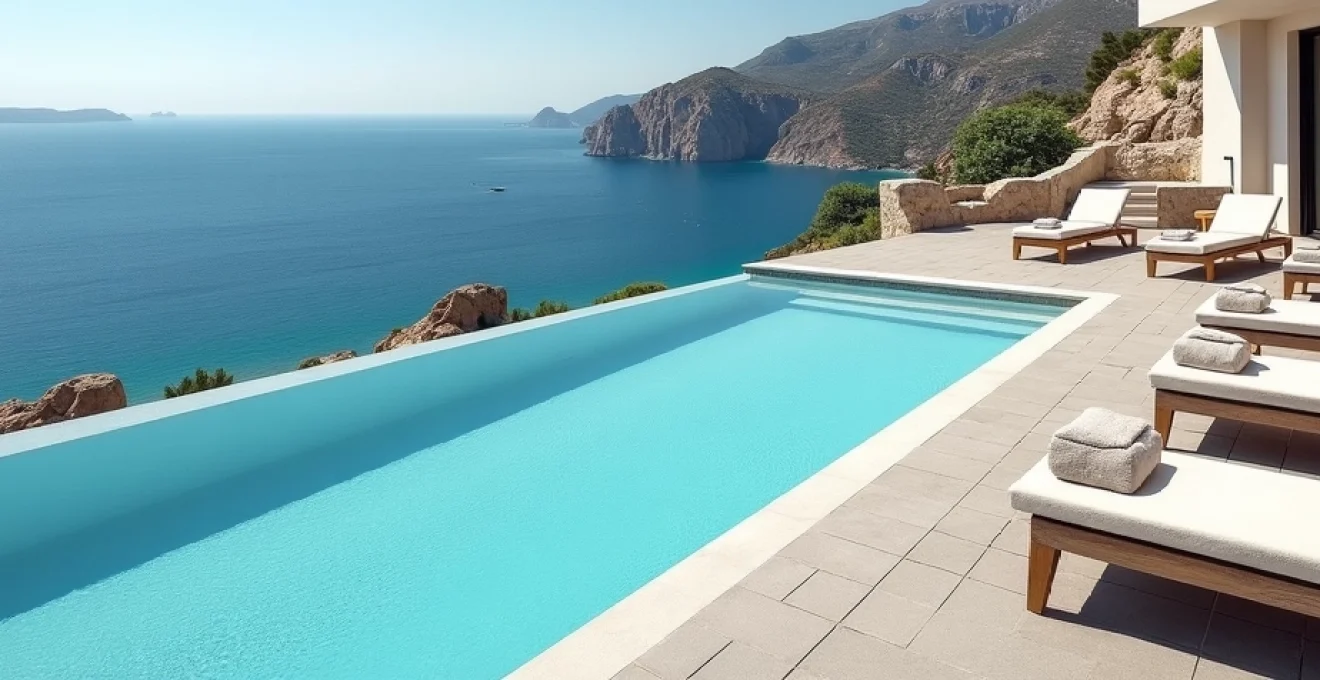
Cavo Tagoo Mykonos exemplifies sophisticated resort design through its strategic positioning above the Aegean Sea, where infinity pools appear to merge seamlessly with the horizon. The property’s architectural philosophy embraces traditional Cycladic elements—whitewashed walls, curved lines, and natural stone accents—whilst incorporating modern luxury features that enhance rather than overwhelm the natural setting. The resort’s tiered layout follows the natural contours of the hillside, ensuring that each accommodation enjoys unobstructed sea views whilst maintaining privacy and exclusivity.
The infinity pool complex serves as the resort’s centrepiece, featuring multiple levels that cascade down the cliff face, creating dramatic visual effects particularly during sunset hours. This design approach maximises the property’s clifftop location whilst providing guests with multiple vantage points to appreciate the surrounding seascape. The integration of natural materials like local stone and marble creates continuity between the built environment and the rugged landscape, establishing a harmonious relationship that feels both luxurious and authentic.
Grace hotel santorini: Caldera-Edge location strategy and volcanic terrace design
Grace Hotel Santorini’s positioning along the caldera rim demonstrates masterful site planning that capitalises on one of the world’s most dramatic natural settings. The property’s terrace design follows the volcanic cliff’s irregular contours, creating intimate spaces that frame the caldera views whilst protecting guests from strong Aegean winds. Each terrace level offers different perspectives of the volcanic islands and sunset spectacle, ensuring that every guest enjoys a unique vantage point of this geological wonder.
The hotel’s architectural response to the challenging volcanic terrain showcases innovative engineering solutions that appear effortless and natural. Volcanic stone construction provides both structural integrity and aesthetic continuity with the surrounding cliffs, whilst contemporary glass and steel elements add modern sophistication without compromising the site’s dramatic character. The careful placement of infinity pools and outdoor lounging areas creates the illusion that the property extends directly into the caldera, enhancing the sense of connection with this extraordinary natural phenomenon.
Katikies hotel oia: cave house restoration techniques and sunset view optimisation
Katikies Hotel represents exceptional adaptive reuse of traditional cave dwellings, transforming historic structures into luxurious accommodations whilst preserving their essential character. The restoration process involved careful excavation and reinforcement of volcanic rock chambers, maintaining the natural insulation properties that make these spaces comfortable year-round. Modern amenities integrate seamlessly within the ancient stone walls, creating a fascinating juxtaposition between contemporary luxury and timeless architecture.
The positioning of each cave suite maximises sunset viewing opportunities, with private terraces oriented to capture the full spectrum of evening light as it transforms the caldera’s colours from gold to deep purple.
The hotel’s design philosophy demonstrates how sensitive restoration can enhance rather than diminish historic architecture. Advanced climate control systems operate invisibly within the stone walls, whilst carefully positioned lighting illuminates the natural texture and colour variations of the volcanic rock. The result creates an atmosphere that feels both ancient and utterly contemporary, providing guests with an authentic connection to Santorini’s unique geological and cultural heritage.
Boheme mykonos: Adults-Only positioning and minimalist aegean aesthetics
Boheme Mykonos establishes its market position through sophisticated minimalism that appeals to discerning adult travellers seeking tranquil luxury. The property’s design aesthetic emphasises clean lines, natural textures, and carefully curated colour palettes that complement rather than compete with the Aegean’s natural beauty. This restrained approach creates spaces that feel both calming and energising, perfect for guests who appreciate subtle luxury over ostentatious display.
The adults-only concept allows for intimate pool areas, quiet relaxation spaces, and dining environments designed for sophisticated conversation and connection. Minimalist landscaping features drought-resistant native plants arranged in geometric patterns that echo traditional Greek garden design whilst requiring minimal water resources. The result creates a resort environment that feels both exclusive and environmentally responsible, appealing to contemporary travellers who value sustainability alongside luxury.
Boutique coastal properties: crete and rhodes intimate retreats
Crete and Rhodes offer distinctive alternatives to the Cycladic experience, with boutique properties that emphasise intimate scale, local culture, and diverse landscape experiences. These larger islands provide opportunities for resorts to integrate with varied topography, from dramatic mountain backdrops to gentle coastal plains. The boutique approach allows properties to showcase regional characteristics more effectively, creating accommodations that feel genuinely connected to their specific locations rather than following generic luxury formulas.
Domes noruz chania: curated experience programming and balos lagoon proximity
Domes Noruz demonstrates how boutique properties can create distinctive value through curated experiences that connect guests with local culture and natural wonders. The resort’s location near Chania provides convenient access to one of Crete’s most charming Venetian ports, whilst its proximity to Balos Lagoon offers guests easy access to one of the Mediterranean’s most photographed beaches. This strategic positioning allows the property to offer both cultural immersion and natural beauty without requiring extensive travel.
The property’s experience programming includes private boat excursions to secluded coves, guided tours of ancient Minoan sites, and hands-on cooking classes featuring traditional Cretan cuisine. These carefully designed activities enhance the accommodation experience by providing meaningful connections to local heritage and natural environment. The result creates memories that extend far beyond typical resort amenities, establishing emotional connections that encourage repeat visits and strong word-of-mouth recommendations.
Lindos blu rhodes: cliffside positioning and dodecanese sea views
Lindos Blu’s clifftop location exemplifies how challenging topography can become a resort’s greatest asset when approached with thoughtful design and engineering. The property’s terraced layout follows the natural cliff structure whilst providing each accommodation with expansive sea views across the Dodecanese archipelago. This vertical design approach maximises the dramatic setting whilst ensuring privacy and exclusivity for all guests, creating the impression of a private villa experience within a resort context.
The integration of infinity pools at multiple levels creates spectacular visual effects whilst providing practical cooling and recreation options. Native vegetation softens the resort’s architectural lines whilst requiring minimal irrigation, demonstrating how sustainable landscaping can enhance rather than compromise luxury experiences. The careful positioning of restaurants and bars takes advantage of changing light conditions throughout the day, ensuring that every meal and beverage service feels perfectly timed and positioned.
Casa cook rhodes: Boho-Chic design philosophy and tsambika beach access
Casa Cook Rhodes represents the successful adaptation of bohemian design principles to Mediterranean coastal environments, creating spaces that feel both relaxed and sophisticated. The property’s aesthetic combines natural materials like driftwood, rattan, and linen with contemporary furniture and artwork, resulting in environments that encourage both relaxation and social interaction. This design approach appeals particularly to younger luxury travellers who appreciate authentic experiences over traditional formality.
The resort’s direct access to Tsambika Beach provides guests with immediate connection to one of Rhodes’ finest sandy stretches, whilst the property’s elevated position ensures cooling sea breezes and spectacular coastal views.
The boho-chic aesthetic extends beyond interior design to encompass the entire guest experience, from casual dining concepts to flexible outdoor spaces that adapt to different times of day and weather conditions. This holistic approach creates a resort atmosphere that feels organic and unforced, encouraging guests to embrace a more relaxed approach to luxury travel whilst still enjoying exceptional service and amenities.
Out of the blue capsis elite resort: private beach configuration and agia pelagia bay
Out of the Blue Capsis Elite demonstrates how larger resort properties can maintain intimate character through thoughtful design and strategic use of natural topography. The property’s position along Agia Pelagia Bay provides sheltered waters ideal for swimming and water sports, whilst the resort’s layout creates multiple distinct areas that feel separate and private. This approach allows the property to accommodate diverse guest preferences whilst maintaining the boutique atmosphere that sophisticated travellers expect.
The private beach configuration includes dedicated areas for different activities and age groups, ensuring that all guests can find their preferred beach experience. Sustainable beach management practices protect the local marine ecosystem whilst providing exceptional recreational opportunities, demonstrating how luxury tourism can operate responsibly within sensitive coastal environments. The result creates a beach experience that feels both exclusive and environmentally conscious.
Island-specific accommodation strategies: paros, naxos, and zakynthos
Each Greek island possesses unique characteristics that influence accommodation design and guest experience strategies. Paros attracts visitors seeking authentic Cycladic culture without Mykonos’s intense party atmosphere, leading to boutique properties that emphasise traditional crafts, local cuisine, and genuine community connections. The island’s marble quarrying heritage appears in resort design through sophisticated use of local stone and traditional building techniques adapted for contemporary comfort requirements.
Naxos appeals to guests interested in combining beach relaxation with cultural exploration, as the island offers exceptional archaeological sites alongside beautiful coastal areas. Resort properties successfully integrate historical themes into their design while providing modern amenities, creating accommodations that feel educational and relaxing simultaneously. The island’s fertile interior provides fresh ingredients for resort restaurants, enabling authentic farm-to-table dining experiences that showcase regional agricultural traditions.
Zakynthos represents a different accommodation strategy focused on natural beauty and marine experiences, particularly around the famous Navagio Beach and Blue Caves. Eco-luxury properties on the island emphasise sustainable tourism practices whilst providing access to protected marine areas through responsible tour operators. The island’s commitment to turtle conservation creates opportunities for resorts to offer meaningful wildlife experiences that enhance rather than compromise conservation efforts.
The accommodation strategies across these diverse islands demonstrate how successful properties adapt to local characteristics rather than imposing generic luxury formulas. This approach creates more authentic experiences for guests whilst supporting local communities and preserving the unique qualities that make each destination special. The result benefits both visitors and residents by encouraging sustainable tourism development that respects local culture and environment.
Mainland coastal destinations: peloponnese and halkidiki beachfront options
Greece’s mainland coastal regions offer sophisticated alternatives to island accommodations, with properties that provide easier access whilst maintaining the country’s signature combination of history, natural beauty, and luxury hospitality. The Peloponnese peninsula showcases diverse coastal environments from dramatic clifftop positions to gentle sandy bays, allowing resorts to offer varied experiences within relatively compact geographic areas. These mainland destinations particularly appeal to guests who prefer land-based travel or wish to combine coastal relaxation with extensive cultural exploration.
Halkidiki’s three peninsulas provide distinct accommodation experiences, from family-oriented resorts on Kassandra to more exclusive properties on Sithonia and the monastic peninsula of Mount Athos. The region’s protected natural areas and traditional villages create opportunities for resorts to offer authentic cultural immersion alongside beach relaxation. Sustainable tourism initiatives in Halkidiki demonstrate how coastal development can support rather than compromise local ecosystems and communities.
Costa Navarino in the western Peloponnese represents a comprehensive approach to luxury coastal development that integrates multiple resort properties with championship golf courses, cultural sites, and environmental conservation programs. This destination strategy creates a complete luxury ecosystem that encourages extended stays whilst providing economic benefits to the broader regional community. The success of this approach indicates growing demand for destinations that offer diverse experiences within sustainable development frameworks.
The advantages of mainland coastal destinations include greater accessibility for international visitors, more diverse activities within driving distance, and often more favourable pricing compared to popular islands during peak season. These factors make mainland properties particularly attractive for longer stays, multi-generational family groups, and guests who appreciate having multiple experience options readily available without requiring additional transportation arrangements.
Seasonal pricing dynamics and mediterranean climate considerations
Greek coastal accommodation pricing follows predictable seasonal patterns that reflect both climate conditions and international tourism demand. Peak season extends from July through early September, when prices reach their highest levels and advance booking becomes essential for premium properties. However, the Mediterranean climate creates extended shoulder seasons that offer excellent value opportunities for travellers who can visit during May-June or September-October periods.
Spring and autumn present particularly attractive options for sophisticated travellers, as these periods offer pleasant temperatures, fewer crowds, and significantly reduced accommodation rates whilst maintaining excellent weather conditions for outdoor activities. Many luxury properties offer special packages during these periods, including extended-stay promotions and enhanced amenities designed to attract guests during traditionally quieter months. Climate data indicates that sea temperatures remain comfortable for swimming well into October, extending the practical beach season beyond traditional summer months.
Understanding seasonal pricing dynamics allows savvy travellers to experience the same luxury properties at substantial savings whilst often enjoying enhanced service levels due to lower occupancy rates during shoulder seasons.
Winter accommodation strategies vary significantly across different regions and property types. Islands like Crete and Rhodes maintain year-round operations at many resorts due to mild winter temperatures, whilst smaller Cycladic islands often close completely during winter months. Mainland coastal properties increasingly offer winter packages focused on wellness, cultural exploration, and indoor luxury amenities, creating year-round revenue streams whilst serving guests who prefer quieter, more contemplative travel experiences.
The influence of climate change on seasonal patterns creates both challenges and opportunities for Greek coastal accommodations. Extended warm seasons allow properties to expand their operating periods, whilst extreme weather events require enhanced infrastructure and emergency planning. Forward-thinking properties invest in climate-resilient design features that ensure guest comfort and safety whilst maintaining operational efficiency across varied weather conditions.
Accessibility infrastructure and transportation connectivity assessment
Transportation connectivity significantly influences accommodation choice and overall travel experience in Greece’s coastal destinations. Major islands like Mykonos, Santorini, Crete, and Rhodes offer direct international flights during peak season, whilst smaller islands require ferry connections from Athens or other hub airports. This infrastructure reality affects accommodation pricing, with directly accessible destinations commanding premium rates whilst ferry-dependent islands often provide exceptional value for travellers willing to invest additional travel time.
Ferry infrastructure continues to improve across the Greek islands, with high-speed services reducing travel times and increasing comfort levels for island-hopping itineraries. Many luxury accommodations now coordinate with ferry operators to provide seamless arrival experiences, including private transfers and luggage handling services that eliminate transportation stress for guests. Integrated transportation planning allows sophisticated travellers to experience multiple destinations within single trips whilst maintaining luxury service standards throughout their journeys.
Accessibility considerations extend beyond basic transportation to encompass property-specific infrastructure for guests with mobility requirements. Leading coastal resorts increasingly prioritise universal design principles that ensure all guests can fully enjoy beachfront experiences regardless of physical limitations. This commitment includes accessible pathways to beaches, specially equipped accommodations, and trained staff capable of providing appropriate assistance when needed.
Private transportation options, including helicopter transfers and yacht charters, provide ultimate flexibility for guests who prioritise time efficiency and exclusive experiences. Many premium properties maintain relationships with specialty transportation providers, enabling seamless arrangements for guests who prefer these higher-end options. The growth of private aviation services to Greek destinations reflects increasing demand for luxury travel that minimises time investment whilst maximising experiential quality, particularly among high-net-worth individuals who value privacy and efficiency above cost considerations.