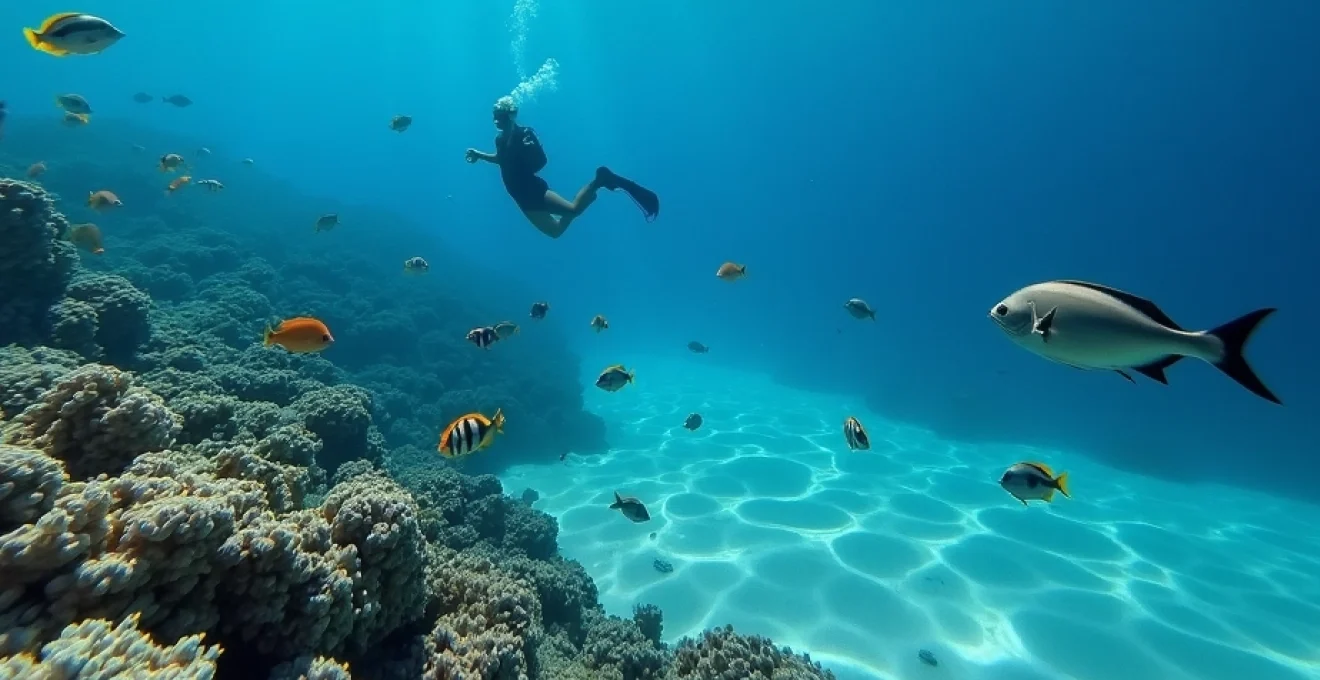
The Red Sea stands as one of the world’s most accessible and beginner-friendly snorkelling destinations, offering crystal-clear waters with visibility extending up to 30 metres and water temperatures that remain comfortable year-round. This remarkable body of water, stretching between Africa and the Arabian Peninsula, hosts over 1,200 species of fish and 200 coral species, with approximately 10% found nowhere else on Earth. The unique geography creates ideal conditions for novice snorkellers, with shallow coral gardens, protected bays, and minimal currents in designated areas.
Egypt’s Red Sea coast has become synonymous with world-class snorkelling experiences, attracting millions of underwater enthusiasts annually. The combination of easily accessible entry points, well-established tourism infrastructure, and exceptional marine biodiversity makes this region particularly suitable for those taking their first underwater adventures. From the protected waters of national parks to purpose-built resort areas, the Red Sea offers graduated experiences that allow beginners to build confidence whilst exploring some of the planet’s most spectacular coral ecosystems.
Essential snorkelling equipment and safety protocols for red sea exploration
Proper equipment selection forms the foundation of any successful snorkelling experience, particularly in the unique conditions of the Red Sea. The high salinity levels, averaging 4.1%, create different buoyancy characteristics compared to other bodies of water, requiring specific considerations for equipment choice. Additionally, the intense UV radiation at these latitudes, combined with the reflective properties of clear water, demands enhanced protection measures.
Mask selection and proper fitting techniques for saltwater conditions
A well-fitting mask represents the most critical piece of snorkelling equipment, directly impacting your underwater vision and comfort. Silicone masks outperform plastic alternatives in saltwater environments, as they resist degradation from salt exposure and maintain flexibility across temperature variations. The mask should create a complete seal around your face without over-tightening the strap, which can cause discomfort during extended periods in the water.
When testing mask fit, place the mask against your face without the strap and inhale gently through your nose. A properly fitted mask should stay in place through this suction test. For Red Sea conditions specifically, consider masks with purge valves, which facilitate easier clearing of any water that enters. Tempered glass lenses provide superior clarity and safety compared to plastic alternatives, whilst anti-fog coatings help maintain clear vision in warm water conditions.
Snorkel design features for shallow reef navigation
Modern snorkel designs incorporate several features particularly beneficial for Red Sea exploration. Dry-top snorkels prevent water entry when surface waves are present, whilst purge valves at the bottom enable quick clearing of any water that does enter the tube. Flexible corrugated tubes reduce jaw fatigue during extended snorkelling sessions, a common concern for beginners who may initially clench the mouthpiece too tightly.
The semi-dry snorkel design strikes an ideal balance for Red Sea conditions, offering protection from water entry whilst maintaining the simplicity that beginners require. These snorkels feature a splash guard at the top and often include a lower purge valve. For shallow reef navigation, shorter snorkels prove advantageous, reducing drag and making it easier to manoeuvre around coral formations whilst maintaining proper breathing technique.
Fin types and propulsion efficiency in coral environments
Fin selection significantly impacts both your swimming efficiency and your ability to navigate safely around delicate coral formations. Full-foot fins work well in warm Red Sea waters, eliminating the need for boots and providing a more streamlined feel. However, open-heel fins with neoprene boots offer superior protection when entering and exiting over rocky or coral-strewn beaches, common at many Red Sea locations.
Blade stiffness should match your leg strength and experience level. Softer, more flexible fins reduce leg fatigue for beginners whilst still providing adequate propulsion for shallow-water exploration. The fin length should be proportionate to your swimming ability – shorter fins offer better manoeuvrability around coral heads but require more frequent kicking, whilst longer fins provide greater efficiency but demand more precise control to avoid contact with reef structures.
Wetsuit thickness requirements for red sea water temperatures
Red Sea water temperatures vary seasonally from approximately 22°C in winter to 30°C during summer months, influencing wetsuit requirements. A 3mm shorty wetsuit provides adequate thermal protection for most Red Sea snorkelling whilst allowing full freedom of movement. The neoprene also offers crucial protection against UV radiation, jellyfish stings, and accidental contact with coral or marine life.
For winter snorkelling or extended periods in the water, a full 3mm wetsuit ensures comfortable thermal protection without restricting movement. Many experienced snorkellers in the Red Sea opt for lycra rash guards during warmer months, which provide UV protection and minor thermal insulation whilst maximising flexibility. The buoyancy characteristics of neoprene also provide additional safety for beginning snorkellers, offering extra flotation assistance whilst they develop their swimming confidence.
Northern red sea premium beginner destinations
The northern Red Sea coast of Egypt encompasses some of the world’s most accessible and spectacular snorkelling locations, with established infrastructure and well-protected marine environments. This region benefits from consistent weather patterns, reliable boat services, and comprehensive safety protocols that make it ideal for first-time snorkellers. The concentration of resort towns along this coastline ensures easy access to equipment, guides, and emergency services when needed.
Sharm el sheikh’s ras mohammed national park shallow reefs
Ras Mohammed National Park represents Egypt’s first marine protected area and showcases pristine coral ecosystems in shallow, easily accessible waters. The park’s Marsa Ghozlani bay offers perfect conditions for beginners, with sandy entry points leading to vibrant coral gardens in depths of 2-4 metres. The protected status ensures exceptional coral health and abundant marine life, whilst designated snorkelling zones keep boat traffic to minimum levels.
The famous Shark and Yolanda Reef sites within the park provide slightly more advanced snorkelling opportunities, with dramatic coral walls dropping into deeper waters. However, the shallow plateau areas remain perfectly suited to novice explorers, featuring table corals, anemone gardens, and schools of colourful reef fish. Park rangers provide regular safety oversight, and clearly marked boundaries ensure snorkellers remain in appropriate depth zones.
Hurghada’s giftun island protected marine sanctuary
Giftun Island serves as Hurghada’s premier snorkelling destination, offering protected lagoons with minimal current and exceptional visibility. The island’s western bay provides ideal conditions for beginners, with sandy beaches allowing easy entry and exit from the water. The shallow coral gardens extend for several hundred metres from shore, creating extensive areas for exploration without the need to venture into deeper waters.
Daily boat trips to Giftun Island typically include equipment provision, basic instruction, and guided snorkelling sessions tailored to different experience levels. The island’s designation as a marine sanctuary ensures strict environmental protection, resulting in healthy coral coverage and abundant marine life. Garden eels, giant clams, and schools of sergeant majors provide constant entertainment for snorkellers exploring the sandy channels between coral patches.
Dahab’s blue hole lagoon entry points
Whilst the Blue Hole’s main attraction lies in its dramatic deep-water formations, the surrounding lagoon areas offer excellent beginner snorkelling opportunities. The Bells area provides shallow entry points with minimal current, leading to coral gardens that gradually increase in depth and complexity. This allows novice snorkellers to build confidence whilst exploring increasingly interesting underwater terrain.
The lagoon’s protection from open sea conditions creates calm surface waters ideal for practicing basic snorkelling techniques. Purple soft corals and schools of anthias provide spectacular visual displays in depths accessible to beginners. Local dive centres offer comprehensive briefings and guided snorkelling tours specifically designed for those new to the sport, ensuring safe exploration of this world-renowned site.
Naama bay coral gardens accessibility features
Naama Bay’s central location in Sharm El Sheikh provides unparalleled accessibility for beginner snorkellers, with multiple entry points along the bay’s protected shoreline. The bay’s northern section features purpose-built jetties and designated snorkelling areas with clearly marked boundaries. Shallow coral gardens extend from these entry points, offering immediate access to Red Sea marine life without requiring boat transportation.
The bay’s infrastructure includes equipment rental facilities, first aid stations, and professional guide services operating directly from the beach. Gentle sloping sandy areas allow comfortable entry and exit, whilst the protected nature of the bay ensures minimal wave action. Butterflyfish, parrotfish, and occasional turtle sightings make Naama Bay an excellent introduction to Red Sea biodiversity for novice snorkellers.
El gouna’s mangroovy beach calm water conditions
El Gouna’s artificial lagoon system creates uniquely calm snorkelling conditions ideal for absolute beginners. Mangroovy Beach features shallow, sandy-bottomed lagoons connected to coral reef areas through carefully designed channels. The controlled water conditions eliminate concerns about currents or sudden depth changes, allowing new snorkellers to focus entirely on developing their breathing techniques and underwater observation skills.
The resort town’s commitment to environmental protection has resulted in thriving artificial reef systems that attract diverse marine life. Juvenile fish species congregate in the shallow areas , providing excellent opportunities for underwater photography and marine life observation. Professional instructors operate from the beach facilities, offering personalised instruction and guided exploration sessions tailored to individual comfort levels.
Southern red sea Beginner-Friendly snorkelling locations
The southern Red Sea region offers a more remote and pristine snorkelling experience whilst maintaining accessibility for beginners. This area typically features less crowded conditions and more pristine coral systems, as the longer travel distances from major population centres result in reduced tourist pressure. The marine life in this region often displays less wariness around humans, providing more intimate wildlife encounters for snorkelling enthusiasts.
Marsa alam’s dolphin house reef accessibility
Sataya Reef, commonly known as Dolphin House, provides one of the Red Sea’s most remarkable beginner-friendly experiences through its resident spinner dolphin population. The reef’s horseshoe-shaped lagoon creates protected shallow areas perfect for novice snorkellers, whilst the resident dolphins frequently interact with visitors in these calm waters. The sandy bottom and gradual depth progression allow beginners to explore at their own pace whilst maintaining visual contact with the surface.
Boat operators in Marsa Alam follow strict protocols for dolphin interactions, ensuring sustainable tourism practices whilst maximising encounter opportunities. The reef structure itself features extensive shallow coral gardens with diverse marine life beyond the famous dolphins. Professional guides provide comprehensive briefings on appropriate behaviour around marine mammals, creating educational experiences that enhance conservation awareness amongst visitors.
Port ghalib marina artificial reef structures
Port Ghalib’s purpose-built marina includes artificial reef installations designed to attract marine life whilst providing controlled snorkelling environments. These engineered structures offer predictable underwater topography with varying depths suitable for different experience levels. The artificial reefs have successfully attracted diverse fish populations, creating vibrant underwater communities in easily accessible locations.
The marina’s infrastructure provides comprehensive support services for snorkelling activities, including equipment rental, professional instruction, and safety monitoring. The controlled environment allows beginners to experience reef snorkelling without the uncertainties associated with natural reef systems. Moray eels, groupers, and schools of fusiliers have established territories around the artificial structures, providing reliable wildlife viewing opportunities.
Berenice’s emerald bay shallow water entry
Emerald Bay near Berenice offers pristine snorkelling conditions in a relatively undeveloped location, providing authentic Red Sea experiences away from crowded tourist areas. The bay’s natural protection from prevailing winds creates consistently calm surface conditions, whilst shallow coral gardens extend from easily accessible sandy beaches. The remote location ensures minimal boat traffic and undisturbed marine life behaviour.
The bay’s coral systems display exceptional health due to minimal human impact, featuring diverse hard and soft coral species in shallow, well-lit waters. Pristine visibility often exceeding 25 metres allows beginning snorkellers to observe underwater landscapes with remarkable clarity. Local operators provide comprehensive safety support whilst maintaining the area’s unspoilt character through responsible tourism practices.
Marine life identification guide for red sea novices
Understanding and identifying Red Sea marine life enhances the snorkelling experience whilst promoting conservation awareness and safety. The Red Sea’s unique evolutionary history, isolated from other ocean systems for millions of years, has resulted in remarkable endemic species diversity. For beginners, learning to recognise key species groups and understanding basic marine behaviour patterns creates more rewarding and safer underwater encounters.
Endemic anthias and butterflyfish species recognition
The Red Sea hosts numerous endemic fish species that snorkellers encounter regularly in shallow reef environments. Lyretail anthias form spectacular schools around coral outcroppings, with males displaying brilliant orange and purple colouration whilst females show more subdued pink tones. These fish serve as excellent subjects for beginning underwater photographers due to their approachable nature and photogenic schooling behaviour.
Endemic butterflyfish species include the striking Red Sea raccoon butterflyfish and the distinctive golden butterflyfish , both commonly observed in shallow coral gardens. These species typically swim in pairs or small groups, feeding on coral polyps and small invertebrates. Their territorial nature means snorkellers often encounter the same individuals repeatedly in specific reef areas, allowing for extended observation and photography opportunities.
Coral formation types and safe observation distances
Red Sea coral ecosystems feature diverse formation types, each requiring different observation approaches and safety considerations. Hard coral species such as table corals and brain corals provide the reef’s structural foundation, whilst soft corals add vibrant colours and movement to the underwater landscape. Maintaining a minimum distance of one metre from all coral formations prevents accidental damage whilst ensuring personal safety.
Fire corals present particular hazards for beginning snorkellers, as their stinging cells can cause painful injuries upon contact. These corals typically display bright yellow or brown colouration with a smooth, encrusting growth pattern. Soft corals like sea fans and leather corals appear more plant-like but are equally important to reef ecosystems and require the same protective distance. Understanding coral identification helps snorkellers appreciate ecosystem complexity whilst avoiding potentially harmful interactions.
Harmless ray species in shallow sandy areas
Several ray species commonly inhabit the sandy areas adjacent to Red Sea coral reefs, providing exciting encounters for beginning snorkellers. Blue-spotted ribbontail rays frequently rest in sandy channels during daylight hours, often partially buried with only their distinctive spotted pattern visible. These docile creatures typically flee when approached closely, but patient observers can enjoy extended viewing opportunities from appropriate distances.
Feathertail stingrays also inhabit shallow sandy areas, distinguished by their diamond-shaped bodies and long, whip-like tails. Despite their intimidating appearance, these rays pose minimal threat to snorkellers who maintain respectful distances and avoid sudden movements. Eagle rays occasionally visit shallow areas, displaying their graceful swimming style and distinctive spotted patterns. All ray species should be observed from at least three metres distance to avoid startling these generally peaceful creatures.
Moray eel behaviour patterns and avoidance techniques
Moray eels represent one of the Red Sea’s most misunderstood marine inhabitants, displaying generally non-aggressive behaviour when left undisturbed. These serpentine fish typically occupy coral crevices and caves, with only their heads visible as they breathe through constantly opening and closing mouths. This breathing motion often appears threatening but represents normal respiratory behaviour rather than aggression.
Giant moray eels can reach lengths exceeding two metres but rarely show interest in snorkellers who maintain appropriate distances. The key to safe moray eel observation involves avoiding sudden movements, maintaining visual contact whilst backing away slowly if an eel appears agitated, and never attempting to touch or feed these predators. Their poor eyesight means they rely heavily on chemical detection, making it important to avoid wearing strong fragrances or lotions that might trigger investigative behaviour.
Professional marine biologists recommend observing moray eels from distances of at least two metres, allowing these fascinating predators to continue their natural behaviours without human interference.
Optimal timing and seasonal considerations for red sea snorkelling
Understanding seasonal patterns an
d environmental conditions significantly impacts the quality and safety of your Red Sea snorkelling experience. The region’s subtropical desert climate creates distinct seasonal patterns that influence water temperature, visibility, marine life activity, and weather conditions. Understanding these patterns enables better planning and ensures optimal conditions for underwater exploration.
Peak snorkelling conditions typically occur during the shoulder seasons of spring (April-May) and autumn (September-November), when water temperatures remain comfortable at 25-27°C whilst air temperatures avoid the extreme heat of summer months. Winter months (December-February) offer cooler air temperatures and fewer crowds, but water temperatures drop to 22-24°C, potentially requiring thicker thermal protection for extended snorkelling sessions.
Summer conditions (June-August) present both advantages and challenges for Red Sea snorkelling. Water temperatures reach their annual peak of 28-30°C, eliminating thermal concerns for most snorkellers. However, air temperatures frequently exceed 40°C, creating challenging surface conditions and increased UV exposure risks. Marine life activity patterns also shift during summer months, with many species seeking deeper, cooler waters during the hottest periods of the day.
Wind patterns significantly influence snorkelling conditions throughout the Red Sea region. The predominant northerly winds tend to strengthen during winter months, creating choppier surface conditions on exposed reefs whilst providing excellent conditions in sheltered bays and lagoons. Spring and autumn periods typically experience calmer wind conditions, resulting in better surface visibility and easier entry/exit from the water. Understanding local wind patterns helps in selecting appropriate snorkelling sites based on daily conditions.
Marine life seasonal behaviours create varying wildlife encounter opportunities throughout the year. Whale shark sightings peak during May through August in certain areas, whilst manta ray encounters occur more frequently during winter months when plankton concentrations increase. Spawning seasons for various fish species create spectacular aggregation events, with different species timing their reproductive cycles throughout the year. Coral spawning typically occurs during warmer months, creating unique underwater phenomena for observant snorkellers.
Professional guide services and certification requirements in egyptian waters
Professional guide services play a crucial role in ensuring safe and rewarding snorkelling experiences for beginners in Red Sea waters. Egyptian tourism regulations require specific certifications and safety protocols for operators providing marine recreation services. Understanding these requirements helps visitors select reputable operators whilst ensuring compliance with local maritime laws and environmental protection standards.
Licensed snorkelling guides in Egypt must complete comprehensive training programmes covering marine biology, first aid, water rescue techniques, and environmental protection protocols. PADI Snorkel Guide certification represents the international standard for professional snorkelling instruction, requiring demonstrated competency in water safety, equipment use, and group management. Many Egyptian operators additionally require guides to complete local marine park specific training, ensuring detailed knowledge of regional conditions and regulations.
Boat operator licensing involves strict safety equipment requirements, including life jackets for all passengers, emergency communication devices, first aid kits, and oxygen administration equipment. Vessel inspection certificates must be current and displayed, whilst captain licensing requires demonstrated competency in navigation, weather interpretation, and emergency procedures. Reputable operators maintain comprehensive insurance coverage and adhere to maximum passenger capacity regulations.
Environmental certification programmes ensure operators follow sustainable tourism practices that protect Red Sea ecosystems. The Green Fins initiative, supported by the Egyptian Ministry of Tourism, provides training and certification for operators committed to reef conservation. Certified operators demonstrate commitment to minimising environmental impact through proper anchor use, waste management, and wildlife interaction protocols. These certifications provide assurance that your snorkelling activities support rather than harm the marine environment.
When selecting guide services, verify that operators display current licensing, maintain appropriate safety equipment, and follow established safety protocols. Professional guides should provide comprehensive briefings covering equipment use, safety procedures, marine life identification, and environmental protection guidelines. Group size limitations ensure personalised attention and safety oversight, with responsible operators maintaining guide-to-participant ratios that allow effective supervision and assistance when needed.
Emergency response capabilities represent critical considerations when evaluating guide services. Qualified operators maintain direct communication with local emergency services and medical facilities, whilst guides carry appropriate first aid certifications and emergency response training. Understanding evacuation procedures and emergency contact information provides peace of mind whilst exploring remote reef locations. The combination of proper certification, safety equipment, and emergency preparedness creates the foundation for safe and enjoyable Red Sea snorkelling experiences.
The Egyptian Red Sea Association of Tourism emphasises that certified operators following established safety protocols have maintained an exemplary safety record, with properly guided snorkelling activities experiencing significantly lower incident rates than unsupervised exploration.
Equipment provision by professional services typically includes properly maintained and sanitised gear appropriate for Red Sea conditions. Quality operators replace equipment regularly and provide multiple sizing options to ensure proper fit for all participants. Backup equipment availability ensures continued enjoyment even if individual items require replacement during the trip. Professional guide services transform beginner snorkelling from potentially overwhelming experiences into confident, educational, and thoroughly enjoyable underwater adventures that create lasting memories and foster appreciation for marine conservation.