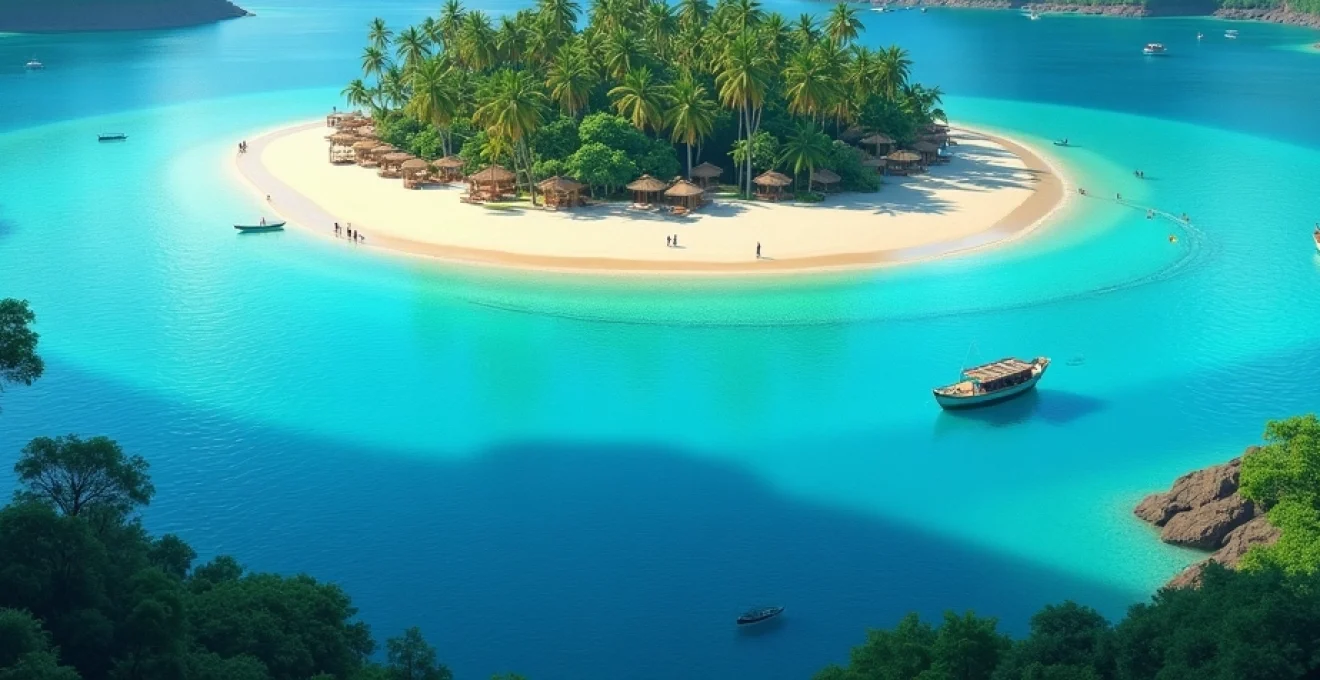
The Philippines archipelago stands as one of Southeast Asia’s most captivating destinations, comprising over 7,640 islands scattered across crystal-clear waters. This tropical paradise offers an extraordinary diversity of experiences, from pristine white sand beaches and vibrant coral reefs to ancient cultural traditions and breathtaking geological formations. Each island presents its own unique character, whether you’re seeking adventure through limestone caves, relaxation on secluded shores, or immersion in rich Filipino heritage. The archipelago’s strategic location in the Pacific Ring of Fire has created dramatic landscapes featuring towering limestone cliffs, underground rivers, and volcanic formations that continue to attract millions of visitors annually.
Pristine archipelago gems in the visayas region
The central Visayas region represents the heart of Philippine island tourism, where centuries-old traditions blend seamlessly with world-class natural attractions. This cluster of islands offers some of the most accessible yet spectacular destinations in the country, each providing distinct experiences that showcase the Philippines’ incredible biodiversity and cultural richness.
Boracay’s white beach station classifications and seasonal tourism patterns
Boracay’s iconic White Beach stretches approximately 4 kilometres along the island’s western coastline, divided into three distinct stations that cater to different traveller preferences. Station 1 serves as the upscale district, featuring luxury resorts and fine dining establishments, while Station 2 bustles with vibrant nightlife and commercial activity. Station 3 offers a more laid-back atmosphere with budget-friendly accommodations and local eateries.
The island experiences two primary seasons that dramatically affect tourism patterns. The amihan season from November to April brings dry winds and calm waters, creating ideal conditions for swimming and water sports. During this peak period, visitor numbers can exceed 50,000 daily, with occupancy rates reaching 90% in premium accommodations. The habagat season from May to October introduces southwest monsoons, resulting in rougher seas and occasional rainfall, though this period offers more affordable rates and fewer crowds.
Bohol’s chocolate hills geological formation and tarsier sanctuaries
Bohol’s Chocolate Hills comprise over 1,776 individual mounds spread across 50 square kilometres, representing one of the Philippines’ most mysterious geological phenomena. These symmetrical limestone formations rise between 30 to 50 metres above sea level, turning chocolate brown during the dry season as grass covering transforms from green to amber hues. Scientific theories suggest these hills formed through millions of years of limestone weathering, coral reef uplift, and marine sediment deposits.
The island serves as the last refuge for the Philippine tarsier, one of the world’s smallest primates weighing merely 85-160 grams. The Tarsier Sanctuary in Corella protects approximately 100 hectares of secondary forest, housing around 200 of these nocturnal creatures. Carlito syrichta represents an evolutionary marvel with its enormous eyes measuring 16 millimetres in diameter—larger than its brain—enabling exceptional night vision for hunting insects and small vertebrates.
Siquijor’s mystical heritage tourism and traditional healing practices
Siquijor Island maintains its reputation as the Philippines’ mystical destination, where traditional healing practices continue to thrive alongside modern tourism development. The island’s 343 square kilometres host numerous mangtatawas (folk healers) who practice ancient methods passed down through generations. These practitioners utilise indigenous plants, oils, and rituals to treat various ailments, attracting visitors seeking alternative wellness experiences.
The island’s supernatural reputation stems from Spanish colonial accounts describing unexplained phenomena and powerful spiritual practitioners. Today, this mystique enhances Siquijor’s tourism appeal, with guided tours showcasing century-old balete trees, healing springs, and traditional ceremonies. The annual Healing Festival in April celebrates these practices while promoting sustainable cultural tourism that benefits local communities.
Panglao island’s marine biodiversity hotspots and diving infrastructure
Panglao Island functions as a premier diving destination within the Coral Triangle, hosting over 2,500 marine species across its surrounding reef systems. The island’s underwater landscape features dramatic wall dives, coral gardens, and pelagic zones where encounters with whale sharks, manta rays, and dolphins occur regularly. Balicasag Island Marine Sanctuary, accessible via short boat trips from Panglao, protects pristine coral formations and serves as a fish spawning ground.
The diving infrastructure on Panglao has evolved significantly over the past decade, with over 30 PADI-certified dive centres offering courses from beginner to instructor level. Advanced technical diving opportunities include deep wall dives exceeding 40 metres and night dives featuring bioluminescent marine life. The island’s strategic location provides access to over 15 distinct dive sites within a 30-minute boat ride, making it an efficient base for underwater exploration.
Northern luzon highland retreat destinations
Northern Luzon’s mountainous terrain offers a refreshing contrast to the Philippines’ tropical beach destinations, presenting cooler climates, indigenous cultures, and spectacular highland landscapes. This region showcases the country’s cultural diversity through preserved traditional communities and UNESCO World Heritage sites that demonstrate thousands of years of human adaptation to mountain environments.
Batanes islands’ stone house architecture and ivatan cultural preservation
The Batanes archipelago’s unique stone house architecture represents centuries of adaptation to one of the Philippines’ most challenging climates. Traditional Ivatan houses feature thick limestone walls, cogon grass roofing, and small windows designed to withstand typhoons with wind speeds exceeding 200 kilometres per hour. These structures utilise local materials including arius stones and dibay (a local grass), creating buildings that have survived for generations.
Ivatan cultural preservation efforts focus on maintaining traditional practices including vakul (traditional headgear) weaving, talugong (fishing techniques), and uyugan (traditional farming). The Batanes government has implemented strict building codes requiring new constructions to follow traditional architectural principles, ensuring visual harmony across the islands. Cultural programmes educate younger generations about Ivatan customs, including the bayanihan spirit of community cooperation and sustainable resource management practices developed over centuries.
Sagada’s limestone cave systems and hanging coffin traditions
Sagada’s extensive limestone cave networks stretch for kilometres beneath the town, featuring cathedral-like chambers, underground rivers, and spectacular rock formations. Sumaguing Cave offers the most accessible exploration experience, with guided tours navigating through narrow passages, natural swimming pools, and towering stalactite formations. Advanced spelunkers can attempt the challenging Lumiang-Sumaguing cave connection, a technical traverse requiring rope work and swimming through underground waterways.
The town’s hanging coffin tradition represents one of the Philippines’ most distinctive burial practices, dating back over 2,000 years. The Igorot people suspend wooden coffins on limestone cliffs, believing this placement brings the deceased closer to ancestral spirits. This practice requires master craftsmen who carve coffins from pine logs, with the deceased participating in the creation process before death. Echo Valley serves as the primary viewing site for these sacred burial grounds, where visitors can observe hundreds of weathered coffins adorning vertical cliff faces.
Banaue rice terraces UNESCO world heritage conservation efforts
The Banaue Rice Terraces represent a 2,000-year-old engineering marvel carved into the Cordillera mountains by Ifugao ancestors using only hand tools. These terraces climb from valley floors to mountainous heights of 1,500 metres above sea level, creating an intricate irrigation system called hudhud that channels mountain spring water through precisely engineered channels. The terraces cover approximately 20,000 hectares across five municipalities, supporting both rice cultivation and biodiversity conservation.
UNESCO designation as a World Heritage site in 1995 recognised these terraces as an outstanding example of sustainable agriculture and cultural landscape management.
Conservation challenges include youth migration to urban areas, climate change impacts affecting traditional farming cycles, and tourism pressures threatening the terraces’ structural integrity. The Ifugao provincial government collaborates with international organisations to implement sustainable tourism practices, traditional knowledge preservation programmes, and infrastructure improvements that benefit local communities while protecting this ancient agricultural system.
Vigan city’s colonial spanish urban planning and kalesa transportation
Vigan represents the Philippines’ best-preserved example of Spanish colonial urban planning, featuring a grid-pattern street layout with central plaza, cathedral, and government buildings following 16th-century Spanish colonial standards. The city’s 233 heritage buildings showcase mestizo architecture blending Spanish colonial design with Filipino and Chinese influences, creating a unique architectural style characterised by wooden upper floors, stone ground levels, and decorative capiz shell windows.
Traditional kalesa (horse-drawn carriages) remain the preferred method for exploring Vigan’s cobblestone streets, providing authentic transportation experiences while preserving local livelihoods. These ornate carriages feature intricate woodwork and brass fittings, operated by kutsero (drivers) who serve as informal tour guides sharing local history and cultural anecdotes. The kalesa industry supports over 200 local families while maintaining traffic limitations that preserve the city’s historic character and pedestrian-friendly atmosphere.
Mindanao’s untouched tropical paradise islands
Mindanao’s southern islands remain among the Philippines’ most pristine and least developed destinations, offering authentic cultural experiences and untouched natural environments. This region provides opportunities for adventurous travellers seeking off-the-beaten-path experiences, traditional Islamic and indigenous cultures, and some of the country’s most spectacular marine ecosystems. The area’s relative remoteness has preserved both cultural authenticity and environmental integrity, creating destinations that showcase the Philippines as it existed decades ago.
Siargao Island has emerged as Mindanao’s premier destination, famous worldwide for its perfect surf breaks and laid-back island atmosphere. Cloud 9, the island’s signature surf spot, produces world-class waves that attract professional surfers and hosts international competitions annually. Beyond surfing, Siargao offers island-hopping adventures to pristine beaches, mangrove forests, and hidden lagoons accessible only by traditional bangka boats. The island’s infrastructure development has been carefully managed to preserve its natural character while providing modern amenities for visitors.
The Camiguin Island presents a geological wonderland with seven volcanic cones creating diverse landscapes from black sand beaches to hot springs and waterfalls. This small island measures only 64 square kilometres but contains remarkable biodiversity, including endemic species found nowhere else in the Philippines. Traditional festivals like the Lanzones Festival celebrate local culture while sustainable tourism initiatives protect the island’s fragile ecosystems. Diving sites around Camiguin feature underwater volcanic formations, coral gardens, and the famous sunken cemetery, a unique attraction created by volcanic activity in the early 20th century.
Palawan’s limestone karst formations and subterranean rivers
Palawan province encompasses the Philippines’ most spectacular limestone karst landscapes, where millions of years of geological processes have created underground river systems, towering cliff formations, and hidden lagoons that define tropical paradise for visitors worldwide. This elongated province stretches over 650 kilometres, containing diverse ecosystems from pristine beaches to virgin rainforests that harbour endemic species found nowhere else on Earth.
El nido’s bacuit archipelago lagoon systems and rock climbing routes
El Nido’s Bacuit Archipelago comprises 45 islands and islets scattered across pristine waters, featuring limestone cliffs rising dramatically from turquoise seas. The area’s four standardised island-hopping tours showcase distinct attractions: Tour A focuses on large and small lagoons accessible through narrow cliff openings, Tour B features caves and hidden beaches, Tour C emphasises remote beaches and secret lagoons, and Tour D combines waterfalls with pristine coastlines.
The region has developed into a world-class rock climbing destination, with over 200 established routes ranging from beginner-friendly sport climbs to challenging traditional ascents. The limestone’s unique geology provides excellent grip and dramatic overhangs, with routes like “Perfecto” and “American Virgin” attracting climbers globally. Deep water soloing opportunities allow climbers to attempt routes above deep water without rope protection, creating an exhilarating combination of climbing and swimming in one of the world’s most beautiful settings.
Coron’s WWII japanese shipwreck diving sites and thermal springs
Coron Bay hosts one of the world’s premier shipwreck diving destinations, featuring 12 Japanese vessels sunk during World War II raids in September 1944. These wrecks rest in relatively shallow waters between 10-40 metres deep, making them accessible to recreational divers while preserving historical artifacts and creating artificial reef ecosystems. The Okikawa Maru serves as the most popular wreck dive, featuring intact engine rooms, cargo holds, and marine life colonisation that transforms military history into underwater gardens.
The area’s thermal springs provide natural relaxation opportunities, with Maquinit Hot Springs offering seaside soaking experiences where hot freshwater meets saltwater lagoons. These springs maintain constant temperatures around 40°C, created by geothermal activity beneath Coron’s limestone foundation. Traditional bamboo rafts provide access to remote hot springs accessible only by water, creating intimate experiences surrounded by virgin forest and limestone cliffs.
Puerto princesa underground river national park speleological features
The Puerto Princesa Subterranean River represents one of the world’s longest navigable underground rivers, stretching 8.2 kilometres through limestone karst terrain before emerging into the South China Sea. This UNESCO World Heritage site features cathedral-like chambers reaching 60 metres in height, complex rock formations, and unique ecosystems adapted to complete darkness. Guided boat tours navigate the first 4.3 kilometres, revealing spectacular stalactites, flowstones, and limestone curtains created over millions of years.
The underground river system contains eight major chambers, each featuring distinct geological characteristics and endemic species adapted to subterranean environments.
Speleological research within the park continues to discover new passages, underground waterfalls, and previously unknown cave systems that extend the total mapped length beyond current estimates. The park protects 22,202 hectares of old-growth forest, limestone karst landscapes, and marine ecosystems, creating a comprehensive conservation area that demonstrates the interconnection between terrestrial and aquatic environments in tropical karst regions.
Balabac island’s endemic wildlife conservation and mousedeer populations
Balabac Island serves as a critical wildlife sanctuary protecting several endemic species, most notably the Balabac mousedeer ( Tragulus nigricans ), the world’s smallest hoofed mammal weighing approximately 1-2 kilograms. This critically endangered species exists nowhere else on Earth, with current populations estimated at fewer than 500 individuals confined to Balabac’s 38 square kilometres of remaining forest habitat.
Conservation efforts focus on habitat protection, captive breeding programmes, and community-based conservation initiatives that provide alternative livelihoods for local residents. The island also hosts significant sea turtle nesting beaches, with green and hawksbill turtles returning annually to lay eggs on protected shorelines. Research stations monitor nesting success rates, implement protective measures during breeding seasons, and engage local communities in conservation activities that generate sustainable income through eco-tourism and research support services.
Remote island accessibility and transportation infrastructure
Reaching the Philippines’ most spectacular islands requires careful planning and understanding of transportation networks that combine domestic flights, ferry services, and local boat transfers. Major gateway cities like Manila, Cebu, and Puerto Princesa serve as connection hubs for onward travel to remote destinations, with domestic airlines offering regular services to provincial airports throughout the archipelago. Flight schedules vary significantly by season, with additional services added during peak tourism periods from November through April.
Inter-island ferry services provide essential connections between major islands, though schedules depend heavily on weather conditions and seasonal demand. 2GO Travel operates the largest ferry network, connecting major ports with comfortable overnight services that include cabin accommodations and onboard dining. Smaller islands often require traditional bangka boats for final transfers, with operators providing life jackets and weather updates to ensure passenger safety during open-water crossings.
Transportation costs vary dramatically based on distance and vessel type, with budget options including public ferries and buses that provide authentic local experiences. Premium services like private island transfers and seaplane flights offer convenient alternatives for time-conscious travellers, though advance booking becomes essential during peak seasons when capacity limitations affect availability. Many remote islands lack banking facilities, requiring visitors to carry sufficient cash for transportation, accommodations
and accommodations, as ATMs and card payment facilities remain limited on smaller islands.
Ground transportation on larger islands typically includes tricycles, jeepneys, and motorbike rentals that provide affordable access to beaches, attractions, and accommodations. Road conditions vary significantly, with main tourist areas featuring paved highways while remote destinations may require four-wheel drive vehicles during rainy seasons. Motorcycle rentals offer the most flexibility for island exploration, though international driving permits and comprehensive insurance coverage become essential for safe travel.
Sustainable tourism practices and marine protected area regulations
The Philippines has implemented comprehensive marine protected area (MPA) regulations designed to preserve fragile coral reef ecosystems while supporting sustainable tourism development. Over 1,800 MPAs currently protect critical marine habitats, with no-take zones restricting fishing activities and limiting visitor numbers to prevent environmental degradation. These protected areas require tourism operators to obtain environmental compliance certificates and follow strict guidelines regarding boat anchoring, waste disposal, and wildlife interaction protocols.
Sustainable tourism certification programmes encourage accommodations and tour operators to adopt environmentally responsible practices including solar power systems, rainwater harvesting, and locally-sourced food procurement. The Department of Tourism’s Green Tourism Programme provides training and certification for businesses demonstrating commitment to environmental protection, cultural preservation, and community benefit sharing. Participating establishments receive marketing support and preferential treatment in government tourism promotions, creating economic incentives for sustainable operations.
Community-based tourism initiatives empower local residents to participate directly in tourism development while preserving traditional cultural practices. These programmes train community members as certified guides, boat operators, and cultural interpreters, ensuring tourism revenue benefits local families rather than external corporations. Bantay Dagat (sea patrol) programmes engage local fishermen in marine conservation efforts, providing alternative income sources through eco-tourism activities while protecting fishing grounds for future generations.
Visitor education programmes inform tourists about responsible travel practices including proper reef etiquette, waste reduction strategies, and cultural sensitivity guidelines. Many destinations now require mandatory environmental briefings before island-hopping tours, diving activities, or visits to sensitive cultural sites. These educational initiatives help visitors understand their environmental impact while fostering appreciation for the Philippines’ natural and cultural heritage, creating ambassadors for conservation efforts long after their travels conclude.
Responsible tourism practices ensure that future generations of both Filipinos and international visitors can continue experiencing the archipelago’s extraordinary natural beauty and cultural richness.
Climate change adaptation strategies increasingly influence tourism planning, with coastal destinations implementing mangrove restoration projects, coral reef rehabilitation programmes, and infrastructure improvements designed to withstand extreme weather events. Rising sea levels and increasing storm intensity require innovative approaches to tourism development that prioritise environmental resilience while maintaining economic viability. Collaborative efforts between government agencies, international conservation organisations, and local communities create comprehensive strategies that address both immediate tourism needs and long-term environmental sustainability challenges facing the Philippine archipelago.