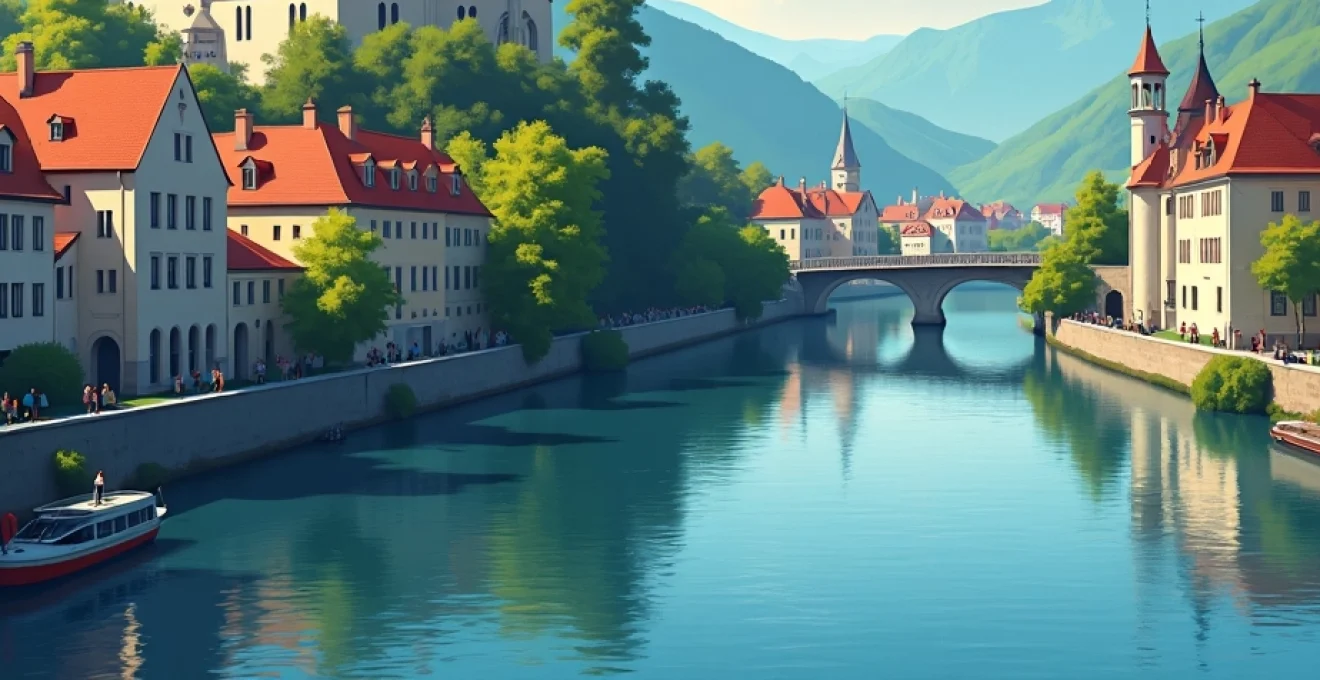
Europe’s tourism landscape has undergone a dramatic transformation in recent years, with overtourism plaguing iconic destinations like Venice, Barcelona, and Amsterdam. As travellers increasingly seek authentic experiences away from crowded hotspots, hidden European cities have emerged as compelling alternatives that offer rich cultural heritage, stunning architecture, and genuine local interactions. These lesser-known destinations provide the perfect antidote to mass tourism whilst delivering unforgettable weekend experiences.
The appeal of hidden European cities extends far beyond their relative obscurity. These destinations often preserve centuries-old traditions, showcase remarkable architectural diversity, and offer exceptional value for money compared to their famous counterparts. Whether you’re drawn to medieval fortresses perched on dramatic hillsides, Venice-inspired coastal towns with pristine waters, or Nordic settlements steeped in Hanseatic League history, Europe’s secret cities promise discoveries that mainstream guidebooks rarely capture.
Criteria for identifying authentic hidden european destinations
Determining which European cities qualify as truly hidden gems requires a sophisticated analysis that goes beyond simple visitor numbers. Authentic hidden destinations must strike a delicate balance between accessibility and preservation, offering sufficient infrastructure to support weekend visitors whilst maintaining their distinctive character and avoiding commercialisation.
Tourist density metrics and Off-Peak accessibility analysis
Tourist density provides the most reliable indicator of a destination’s hidden status. Cities receiving fewer than 500,000 overnight visitors annually typically maintain their authentic atmosphere, allowing travellers to experience local culture without the distorting effects of mass tourism. Peak season ratios also matter significantly – destinations where off-peak visitor numbers drop below 30% of summer figures often offer the most authentic experiences during shoulder seasons.
Statistical analysis reveals that hidden European cities typically record visitor-to-resident ratios below 3:1, compared to ratios exceeding 20:1 in overtouristed destinations like Dubrovnik or Santorini. These metrics ensure that local communities retain their authentic character whilst maintaining sufficient tourism revenue to preserve historical sites and cultural traditions.
Infrastructure quality assessment for weekend connectivity
Weekend accessibility requires sophisticated transport links that don’t necessarily involve major international airports. Many hidden European gems are best accessed through regional airports served by budget carriers, or via high-speed rail connections from major hubs. The most successful weekend destinations offer journey times under four hours from major European cities, enabling Friday evening departures and Sunday evening returns.
Modern infrastructure assessments must also consider digital connectivity, accommodation standards, and dining diversity. Hidden cities need reliable internet access for modern travellers, boutique accommodation options that reflect local character, and restaurant scenes that showcase regional cuisine alongside international options for dietary requirements.
Cultural authenticity preservation in Lesser-Known municipalities
Authentic hidden destinations demonstrate active cultural preservation programmes that protect traditional crafts, local festivals, and architectural heritage without creating artificial tourist attractions. The most compelling hidden cities maintain working communities where residents engage in traditional occupations alongside tourism-related activities, creating organic cultural exchanges between visitors and locals.
Cultural authenticity manifests through preserved old town quarters with functioning local businesses, traditional markets serving residents rather than tourists, and community festivals that celebrate local heritage rather than catering exclusively to visitor expectations. These characteristics ensure that hidden cities retain their distinctive identity whilst offering genuine cultural immersion.
Accommodation availability in Non-Commercial tourism zones
Hidden European cities typically offer accommodation diversity that reflects their authentic character rather than standardised hotel chains. Boutique properties, family-run establishments, and converted historical buildings provide the most immersive experiences whilst supporting local economies. Weekend availability often requires advance booking during peak seasons, but this limited capacity helps preserve the intimate atmosphere that makes these destinations special.
Accommodation pricing in hidden cities often provides exceptional value compared to mainstream destinations, with luxury properties costing 40-60% less than equivalent facilities in major tourist centres. This affordability allows travellers to experience higher-quality accommodation whilst supporting communities that rely on tourism revenue for heritage preservation projects.
Eastern european undiscovered gems: český krumlov to sighișoara
Eastern Europe harbours some of the continent’s most spectacular hidden cities, where medieval architecture remains remarkably preserved and tourist crowds remain manageable even during peak seasons. These destinations offer exceptional cultural depth, architectural significance, and authentic local experiences that rival any Western European counterpart.
Český krumlov’s UNESCO medieval architecture and vltava river positioning
Český Krumlov represents the quintessential hidden European city, where UNESCO World Heritage status coexists with genuine local character. The city’s remarkable preservation stems from its isolated location in southern Bohemia, which protected its medieval core from industrial development and wartime destruction. The dramatic Vltava River bend creates a natural amphitheatre around the old town, whilst the towering castle complex provides breathtaking panoramic views across red-tiled rooftops.
Weekend visitors discover a living medieval city where traditional crafts flourish alongside contemporary cultural offerings. The castle’s baroque theatre represents one of Europe’s best-preserved court theatres, whilst the winding cobblestone streets reveal hidden courtyards, artisan workshops, and atmospheric wine cellars. Český Krumlov’s compact size makes it perfect for weekend exploration, with most major sights accessible within walking distance of the historic centre.
Sighișoara’s saxon fortified citadel and dracula heritage trail
Sighișoara stands as Europe’s best-preserved medieval fortified city, where Saxon heritage creates a distinctly Germanic atmosphere within Romania’s Carpathian region. The citadel’s hilltop position, surrounded by original defensive walls and watchtowers, transports visitors back to the 14th century when Saxon merchants established this strategic trading post.
The city’s connection to Vlad the Impaler adds Gothic intrigue without overwhelming its authentic medieval character. The famous Clock Tower, still functioning after six centuries, offers spectacular views across the Târnava Mare valley, whilst the covered wooden staircase leads to the hilltop church through one of Europe’s most atmospheric medieval passages. Sighișoara’s weekend appeal lies in its perfect blend of historical significance and Romanian cultural authenticity.
Piran’s venetian gothic structures and adriatic coastal access
Piran delivers the magic of Venice without the overwhelming crowds, perched dramatically on Slovenia’s short but spectacular Adriatic coastline. The city’s Venetian heritage remains remarkably intact, from the central Tartini Square with its elegant town hall to the narrow streets lined with Gothic palaces and Renaissance churches. The medieval walls, recently restored, provide stunning coastal views whilst protecting the compact old town from modern development.
Weekend visitors enjoy Mediterranean cuisine with Central European influences, pristine swimming opportunities, and easy access to Slovenia’s wine regions. The city’s position on the Istrian peninsula enables day trips to Italian and Croatian coastal towns, whilst maintaining its distinctive Slovenian character through local festivals, traditional salt production, and authentic seafood restaurants run by fishing families.
Brasov’s carpathian mountain gateway and gothic black church
Brasov combines medieval Saxon heritage with dramatic Carpathian mountain scenery, creating one of Eastern Europe’s most visually striking hidden cities. The Gothic Black Church, named after Ottoman-era fire damage, dominates the old town square whilst providing acoustic excellence for regular classical concerts. The nearby Bran Castle, though touristy, offers convenient Dracula-themed excursions for those seeking additional weekend activities.
The city’s mountain position enables excellent hiking opportunities within walking distance of the historic centre, whilst the cable car to Mount Tampa provides panoramic views across the medieval rooftops to the snow-capped Carpathian peaks. Brasov’s weekend advantages include excellent transportation links to Bucharest, diverse accommodation options, and authentic Romanian cuisine served in atmospheric cellar restaurants throughout the Saxon old town.
Western european hidden coastal enclaves: sintra to dinant
Western Europe’s hidden coastal and riverside cities offer sophisticated cultural experiences combined with stunning natural settings. These destinations typically feature well-preserved historical centres, excellent culinary scenes, and convenient transport links to major European cities, making them ideal for discerning weekend travellers.
Sintra exemplifies the romantic Portuguese hidden city experience, where royal palaces nestle among dense Atlantic forests just 40 minutes from Lisbon. The town’s microclimate creates mystical morning mists that shroud the colourful Pena Palace, whilst the medieval Sintra National Palace anchors the UNESCO-protected old town. Weekend visitors can explore multiple palaces, sample traditional Portuguese pastries in historic cafés, and enjoy coastal walks along dramatic Atlantic cliffs.
The Wallonian city of Dinant presents Belgium’s most underrated river destination, dramatically positioned along the Meuse River beneath towering limestone cliffs. The Gothic cathedral’s distinctive onion dome dominates the riverside skyline, whilst the medieval citadel provides commanding views across the meandering river valley. Dinant’s association with Adolphe Sax, inventor of the saxophone, adds musical heritage through sculptures and museums celebrating jazz history.
Dinant’s culinary scene showcases authentic Belgian specialities including the local couque de Dinant, a hard honey biscuit traditionally shaped into decorative figures. The city’s compact size enables easy exploration on foot, whilst river cruise options provide scenic perspectives of the dramatic limestone formations. Weekend visitors appreciate the combination of cultural depth, natural beauty, and convenient train connections to Brussels and Luxembourg.
The Loire Valley’s hidden gem of Saumur offers royal château experiences without Versailles-level crowds. The fairytale castle, perched high above the Loire River, houses excellent museums covering regional history and equestrian traditions. The surrounding vineyards produce world-class sparkling wines using traditional méthode champenoise techniques, whilst the troglodyte caves carved into limestone cliffs provide unique accommodation and dining experiences.
The most rewarding European weekend destinations combine architectural significance with authentic local culture, offering experiences that mass tourism destinations simply cannot match due to their overwhelming popularity.
Nordic and baltic secret destinations: visby to tallinn’s toompea
The Nordic and Baltic regions harbour extraordinary hidden cities where Hanseatic League heritage meets stunning natural settings. These destinations offer unique combinations of medieval architecture, maritime culture, and pristine environments that provide unforgettable weekend experiences.
Visby’s hanseatic league heritage and medieval ring wall
Visby represents Sweden’s most complete medieval city, where the remarkably preserved ring wall encircles a UNESCO World Heritage old town filled with Gothic ruins and timber-framed buildings. The city’s position on Gotland island creates a unique microclimate that supports Mediterranean flora alongside Nordic landscapes, producing an otherworldly atmosphere enhanced by the surrounding Baltic Sea.
Medieval Week in August transforms Visby into a living history experience, whilst summer months offer exceptional weather for exploring the island’s diverse attractions. The old town’s cobblestone streets reveal hidden courtyards, artisan workshops, and atmospheric restaurants serving modern Scandinavian cuisine in medieval settings. Visby’s weekend appeal includes excellent ferry connections from mainland Sweden, diverse accommodation options within the medieval walls, and easy access to Gotland’s stunning beaches and ancient archaeological sites.
Bruges’ Lesser-Known beguinage quarter and canal network navigation
While Bruges attracts significant tourism, the lesser-known Beguinage quarter and extensive canal network offer intimate experiences away from the main tourist routes. The Princely Beguinage Ten Wijngaarde, a UNESCO World Heritage site, provides peaceful gardens and historic buildings where medieval religious communities once flourished. Early morning and evening canal tours reveal the city’s magic without daytime crowds.
Weekend visitors can explore Bruges’ exceptional brewery scene, including traditional lambic producers and innovative craft breweries housed in medieval buildings. The city’s compact size enables thorough exploration on foot or bicycle, whilst the surrounding Flemish countryside offers scenic cycling routes through traditional villages and historical battlefields.
Tallinn’s toompea hill orthodox cathedral complex
Tallinn’s UNESCO-protected old town contains Northern Europe’s most complete medieval city centre, where cobblestone streets wind between Gothic churches, merchant houses, and defensive towers. Toompea Hill’s Orthodox cathedral complex provides stunning views across the medieval lower town to the Baltic Sea, whilst the surrounding castle grounds house Estonia’s parliament within authentic medieval walls.
The city’s digital innovation alongside medieval preservation creates fascinating contrasts, from Wi-Fi-enabled medieval squares to contemporary Estonian cuisine served in 14th-century cellars. Tallinn’s weekend advantages include excellent budget airline connections, affordable luxury accommodation, and proximity to Estonian islands offering pristine nature experiences. The old town’s concentration of attractions enables comprehensive exploration within a weekend timeframe.
Mediterranean hidden mountain towns: kotor to san gimignano
The Mediterranean region conceals remarkable mountain towns that combine stunning natural settings with exceptional cultural heritage. These elevated destinations offer cooler summer temperatures, dramatic viewpoints, and authentic local experiences that coastal resorts cannot match.
Kotor represents Montenegro’s crown jewel, where Venetian architecture nestles within a dramatic fjord-like bay surrounded by towering limestone mountains. The UNESCO-protected old town features narrow medieval streets, baroque churches, and Venetian palaces reflected in the calm Adriatic waters. The challenging hike to the fortress of San Giovanni rewards visitors with breathtaking panoramic views across the bay and surrounding peaks.
Kotor’s unique position enables both mountain and coastal activities within a single weekend. Visitors can explore ancient churches, sample fresh seafood in waterfront restaurants, and embark on boat trips to nearby islands. The Bay of Kotor’s dramatic scenery rivals any European fjord, whilst the Mediterranean climate ensures excellent weather conditions for most of the year.
San Gimignano’s famous medieval towers create one of Tuscany’s most distinctive skylines, yet the hill town maintains its authentic character despite UNESCO recognition. The preserved medieval centre showcases exceptional Romanesque and Gothic architecture, whilst the surrounding vineyards produce the renowned Vernaccia white wine. Weekend visitors can combine cultural exploration with wine tasting, countryside walks, and authentic Tuscan cuisine.
The town’s elevated position provides spectacular views across the Chianti hills, whilst the compact historic centre enables easy exploration of medieval palaces, ancient churches, and artisan workshops. San Gimignano’s weekend appeal includes convenient access from Florence, diverse accommodation options ranging from medieval palaces to countryside villas, and exceptional local cuisine featuring seasonal Tuscan specialities.
Hidden Mediterranean mountain towns offer the perfect combination of cultural immersion and natural beauty, providing respite from coastal crowds whilst delivering authentic regional experiences.
The Provençal hill town of Gordes exemplifies France’s hidden mountain village experience, where honey-coloured stone buildings cascade down a dramatic hillside overlooking the Luberon valley. The village’s position provides spectacular sunrise and sunset views, whilst the surrounding lavender fields create purple carpets during summer months. The medieval castle and Renaissance churches add cultural depth to the stunning natural setting.
| Destination | Best Season | Weekend Highlights | Transport Access |
|---|---|---|---|
| Kotor | May-October | Fortress hike, old town exploration | Dubrovnik airport (2 hours) |
| San Gimignano | April-June, September-October | Tower views, wine tasting | Florence (1 hour by bus) |
| Gordes | June-August for lavender | Village walks, market visits | Avignon TGV (45 minutes) |
Practical weekend itinerary optimisation for hidden european destinations
Successfully exploring hidden European cities requires strategic planning that maximises limited weekend time whilst respecting the slower pace that makes these destinations special. Effective itinerary optimisation balances must-see attractions with spontaneous discoveries, ensuring memorable experiences without overwhelming packed schedules.
Low-cost carrier route planning to regional airports
Budget airlines have revolutionised access to hidden European cities through expanded route networks serving regional airports. Carriers like Ryanair, EasyJet, and Wizz Air now connect major European cities to previously inaccessible destinations, enabling affordable weekend breaks to places like Pisa for San Gimignano access or Split for Croatian coastal towns.
Strategic route planning involves booking flights 6-8 weeks in advance for optimal pricing, whilst remaining flexible with departure airports when multiple options exist. Many hidden destinations benefit from secondary airport access, where ground transportation costs offset savings from reduced landing fees and less congested terminals.
Ground transportation networks between hidden
destinations
Regional train networks often provide the most scenic and authentic routes to hidden European cities, revealing countryside landscapes that air travel bypasses entirely. High-speed rail connections from major hubs like Paris, Brussels, or Vienna enable efficient weekend itineraries, whilst slower regional services offer immersive cultural experiences through traditional farming regions and historical sites.
Rental car strategies work particularly well for exploring multiple hidden destinations within a single region, enabling spontaneous discoveries and flexible timing. Eastern European countries offer excellent value for car rental, whilst Western European destinations benefit from comprehensive public transport integration that eliminates parking concerns in medieval city centres.
Seasonal accessibility windows and weather pattern analysis
Hidden European cities often experience distinct seasonal characteristics that dramatically affect visitor experiences and accessibility. Medieval mountain towns may become inaccessible during winter months, whilst coastal destinations peak during specific weather windows that optimise both comfort and cultural activities.
Spring months (April-June) typically provide optimal conditions for most hidden destinations, combining mild weather with blooming landscapes and manageable tourist numbers. Eastern European gems like Český Krumlov and Sighișoara offer perfect weather for exploring cobblestone streets, whilst Mediterranean mountain towns enjoy comfortable temperatures before summer heat arrives.
Autumn delivers exceptional value and atmospheric conditions, particularly in Nordic destinations where dramatic light enhances medieval architecture against colourful foliage. Baltic cities like Tallinn and Visby offer crisp, clear weather ideal for photography, whilst reduced accommodation prices enable luxury experiences at budget-friendly costs.
Accommodation booking strategies in Limited-Inventory markets
Hidden European cities typically offer limited accommodation inventory, requiring strategic booking approaches that balance advance planning with flexibility for spontaneous discoveries. Boutique properties and family-run establishments often provide the most authentic experiences but may have restricted availability during peak seasons and local festivals.
Booking platforms specialised in unique properties often yield better results than mainstream hotel sites when searching for characterful accommodation in hidden destinations. Local tourism boards frequently maintain accommodation databases featuring properties that don’t appear on international booking sites, whilst direct contact with establishments can secure better rates and personalised recommendations.
Alternative accommodation strategies include exploring monastery stays, castle hotels, and converted historical buildings that provide immersive cultural experiences whilst supporting heritage preservation projects. These unique properties often offer exceptional value compared to standard hotel chains, whilst delivering authentic local character that enhances weekend experiences.
Flexible booking policies become crucial when exploring hidden destinations, as weather conditions or transport delays may affect planned itineraries. Properties offering free cancellation enable confident advance booking whilst maintaining options for itinerary adjustments based on local conditions or unexpected discoveries that warrant extended stays.
The most memorable weekend escapes emerge from balancing careful planning with spontaneous exploration, allowing hidden European cities to reveal their authentic character through unexpected encounters and serendipitous discoveries.
Weekend timing strategies should account for local events and festivals that can either enhance or complicate planned itineraries. Hidden destinations often host authentic cultural celebrations that provide exceptional experiences for fortunate visitors, whilst simultaneously affecting accommodation availability and pricing. Research into local calendars enables strategic planning that maximises cultural immersion opportunities.
Transportation coordination between accommodations and major attractions requires particular attention in hidden cities where distances may be deceiving and public transport options limited. Many medieval centres restrict vehicle access, necessitating strategic accommodation selection that enables comfortable walking access to primary attractions whilst maintaining convenient transport links for arrival and departure.