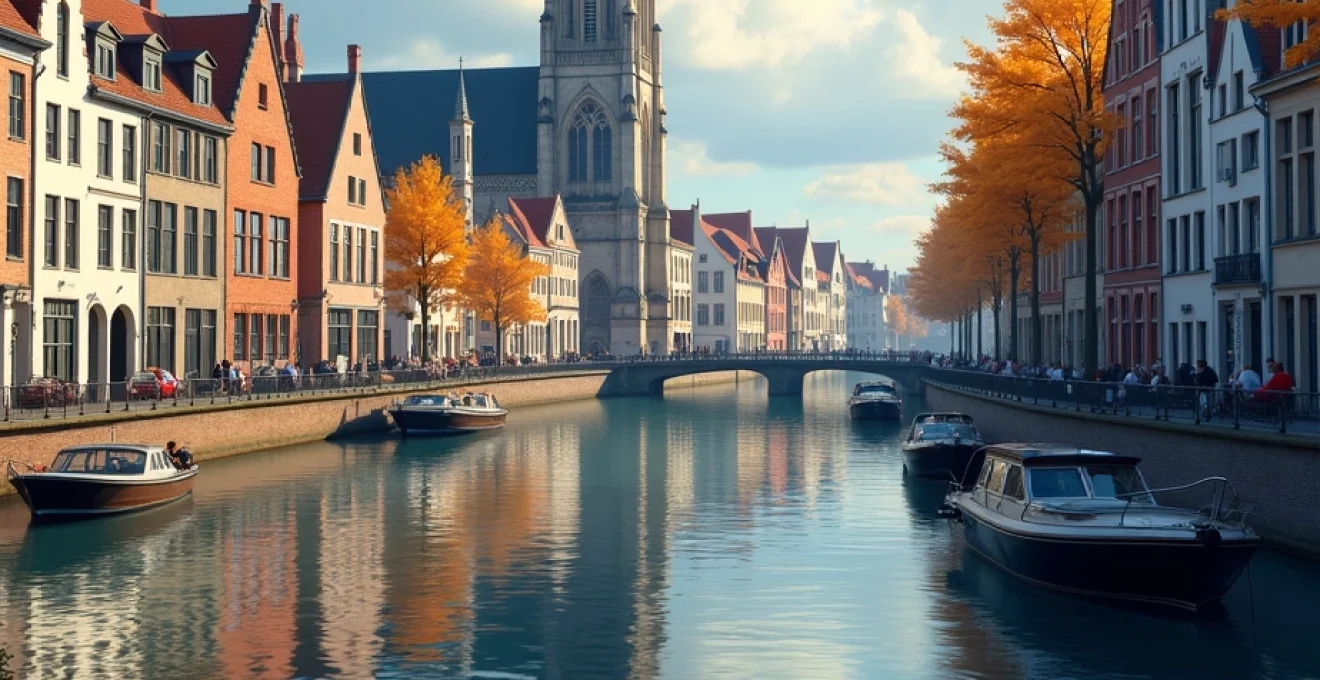
Belgium’s northern region of Flanders stands as one of Europe’s most captivating destinations, where medieval architecture mingles seamlessly with vibrant contemporary culture. This compact region, roughly the size of Wales, offers visitors an extraordinary concentration of UNESCO World Heritage sites, world-renowned art collections, and culinary experiences that have shaped global gastronomy. From the fairy-tale canals of Bruges to the bustling diamond district of Antwerp, Flanders presents a tapestry of experiences that few regions can match.
The Flemish landscape tells stories spanning over a millennium, where Gothic spires pierce the skyline above cobblestone streets that have witnessed the rise and fall of medieval trading empires. Each city within this region maintains its distinct character whilst contributing to a collective narrative of artistic achievement, architectural innovation, and gastronomic excellence. Modern Flanders continues this tradition of excellence, hosting cutting-edge museums, innovative restaurants, and cultural festivals that attract visitors from across the globe.
Historical architecture and medieval heritage sites across flanders
Flanders boasts one of Europe’s most impressive collections of medieval architecture, with entire city centres designated as UNESCO World Heritage sites. The region’s prosperity during the medieval cloth trade created a legacy of magnificent civic buildings, towering belfries, and elaborate guild halls that continue to dominate urban landscapes today. These structures represent not merely historical curiosities but living testimonies to the ingenuity and ambition of medieval Flemish society.
The preservation of these architectural treasures reflects centuries of careful stewardship and restoration efforts. Many buildings showcase the distinctive Scheldt Gothic style, characterised by soaring buttresses, intricate stonework, and innovative use of brick construction techniques that influenced architectural development across Northern Europe. Visitors can observe the evolution of architectural styles from Romanesque foundations through Gothic elaborations to Renaissance modifications, creating fascinating chronological layers within single structures.
Bruges’ UNESCO world heritage belfry and market square complex
The Belfry of Bruges rises 83 metres above the historic market square, serving as both a symbol of civic pride and a masterpiece of medieval engineering. Constructed between the 13th and 15th centuries, this imposing structure houses a carillon of 47 bells and offers breathtaking panoramic views across the city’s medieval rooftops. The tower’s treasury once safeguarded the city’s charters and municipal seal, emphasising its role as the beating heart of medieval civic life.
Surrounding the belfry, the Grote Markt showcases an extraordinary collection of guild houses, each representing different medieval trades and crafts. The Provincial Court, with its neo-Gothic façade, demonstrates how architectural traditions continued evolving into the 19th century. The square’s cobblestone expanse regularly hosts markets and festivals, maintaining its centuries-old function as Bruges’ commercial and social nucleus whilst providing visitors with an authentic medieval atmosphere.
Ghent castle of the counts and saint bavo cathedral gothic masterpieces
Het Gravensteen, Ghent’s imposing medieval fortress, represents one of Europe’s best-preserved moated castles. Built in 1180 by Philip of Alsace, Count of Flanders, this fortress combines defensive functionality with residential luxury, featuring thick stone walls, multiple towers, and a great hall that hosted medieval court proceedings. The castle’s torture museum provides insight into medieval justice systems, whilst its ramparts offer spectacular views across Ghent’s historic skyline.
Saint Bavo’s Cathedral houses the world-famous Ghent Altarpiece , created by Hubert and Jan van Eyck between 1426 and 1432. This polyptych represents a pinnacle of Flemish Primitive painting, featuring revolutionary oil painting techniques that influenced European art for centuries. The cathedral itself exemplifies Brabantine Gothic architecture, with its soaring nave, elaborate choir stalls, and remarkable acoustic properties that enhance its role as a venue for classical concerts and religious ceremonies.
Antwerp cathedral of our lady and rubens house museum collections
The Cathedral of Our Lady in Antwerp stands as Belgium’s largest Gothic cathedral, its 123-metre spire dominating the city skyline since the 15th century. This architectural marvel houses four masterpieces by Peter Paul Rubens, including “The Descent from the Cross” and “The Elevation of the Cross,” which demonstrate the artist’s mastery of Baroque dramatic expression. The cathedral’s interior showcases exceptional craftsmanship in its carved choir stalls, ornate pulpit, and stunning stained-glass windows that create an atmosphere of transcendent beauty.
Rubens’ former residence and workshop, now the Rubenshuis museum, provides intimate insight into the life of Flanders’ most celebrated painter. The house combines Italian Renaissance architecture with Flemish traditions, reflecting Rubens’ international outlook and sophisticated taste. Visitors can explore the artist’s studio, examine his personal art collection, and wander through the Baroque garden that recreates the original 17th-century design, offering a comprehensive understanding of artistic life during Antwerp’s golden age.
Leuven’s gothic town hall and stella artois brewery historical quarters
Leuven’s Town Hall represents perhaps the finest example of Brabantine Gothic civic architecture, its façade adorned with 236 intricate sculptures depicting biblical scenes, historical figures, and local saints. Completed in 1469, this architectural masterpiece demonstrates the wealth and civic pride of medieval Leuven, featuring three floors of elaborately decorated windows, graceful buttresses, and delicate pinnacles that create a sense of vertical movement and lightness despite the building’s substantial mass.
The historic quarters surrounding the Stella Artois brewery showcase industrial heritage dating back to 1366, when the Den Hoorn brewery first began operations. The brewery’s museum traces the evolution of beer-making techniques whilst preserving original brewing equipment and historical documentation. The surrounding neighbourhood features traditional Flemish architecture, narrow cobblestone streets, and historic taverns that maintain authentic brewing culture, demonstrating how industrial heritage can coexist harmoniously with urban development.
Mechelen’s carillon school and saint rumbold’s tower bell heritage
Saint Rumbold’s Tower in Mechelen houses one of Europe’s most significant carillons, featuring 49 bells cast by renowned bell founders across several centuries. The tower reaches 97 metres in height, making it visible across the Flemish countryside and serving as a navigational landmark for centuries. Mechelen’s Royal Carillon School represents the world’s oldest institution dedicated to carillon education, training musicians from across the globe in this uniquely Flemish musical tradition.
The surrounding Gothic cathedral showcases exceptional woodwork in its carved choir stalls, altar pieces, and confessionals that demonstrate the highest levels of medieval craftsmanship. The church’s treasury contains precious liturgical objects, illuminated manuscripts, and religious artworks that span several centuries of Flemish artistic achievement. Regular carillon concerts fill the city with melodious bell music, creating an atmospheric soundtrack that enhances Mechelen’s historic ambience and maintains living connections to its musical heritage.
Flemish art museums and cultural institution navigation
Flanders hosts some of the world’s most significant art collections, showcasing masterpieces from the Flemish Primitives through contemporary installations. These institutions preserve and present artistic heritage whilst fostering ongoing creative expression through temporary exhibitions, educational programmes, and collaborative projects with international museums. The region’s museum landscape reflects both historical significance and contemporary relevance, offering visitors comprehensive insights into artistic development across multiple centuries.
Museum architecture itself often represents artistic achievement, with buildings ranging from medieval hospitals to contemporary structures designed by internationally acclaimed architects. Many institutions have undergone recent renovations that improve accessibility whilst preserving historical integrity, creating optimal environments for artwork display and visitor experience. The density of significant museums within small geographical areas allows visitors to pursue themed itineraries focusing on specific periods, techniques, or artistic movements.
Royal museum of fine arts antwerp’s flemish primitive exhibitions
The Royal Museum of Fine Arts Antwerp houses one of the world’s finest collections of Flemish Primitive paintings, featuring works by Jan van Eyck, Rogier van der Weyden, and Hans Memling that demonstrate revolutionary developments in oil painting techniques. These 15th and 16th-century masterpieces showcase unprecedented attention to detail, innovative use of light and shadow, and psychological depth that influenced European artistic development for centuries.
Recent renovation and expansion projects have created state-of-the-art exhibition spaces whilst preserving the building’s 19th-century grandeur. The museum’s contemporary wing hosts rotating exhibitions that explore connections between historical and modern artistic expression, providing contexts that enhance understanding of Flemish art’s continuing relevance. Interactive displays and multimedia presentations make complex artistic concepts accessible to visitors of all backgrounds, ensuring that these precious collections remain vital educational resources.
Groeningemuseum bruges van eyck and memling masterwork galleries
The Groeningemuseum presents an unparalleled survey of Flemish painting from the 15th century through contemporary works, with particular strength in Early Netherlandish art. Jan van Eyck’s portraits and religious scenes demonstrate the artist’s revolutionary realism and technical mastery, whilst Hans Memling’s works showcase the refinement and elegance that characterised Bruges’ artistic golden age. The museum’s chronological arrangement allows visitors to trace artistic evolution and understand stylistic influences across generations of Flemish painters.
The museum building itself reflects thoughtful architectural integration, combining historical structures with modern exhibition spaces that provide optimal lighting and climate control for precious artworks. Special conservation programmes ensure long-term preservation of these irreplaceable cultural treasures, whilst advanced security systems protect collections without compromising visitor access. Educational programmes include guided tours, workshops, and lectures that deepen appreciation for Flemish artistic achievements and their global significance.
Museum of fine arts ghent’s adoration of the mystic lamb installation
The Museum of Fine Arts Ghent, known as MSK, houses exceptional collections spanning six centuries of European art, with particular emphasis on Flemish masters and their international contemporaries. The museum’s recent renovation created dedicated spaces for conservation work, allowing visitors to observe restoration processes through glass walls that provide insight into the complex techniques required to preserve historical artworks. This transparency demonstrates the museum’s commitment to education whilst highlighting the scientific aspects of art preservation.
The Ghent Altarpiece, permanently displayed in Saint Bavo’s Cathedral nearby, represents the museum’s most famous associated work, though MSK houses extensive collections of van Eyck studies and related materials. The museum’s contemporary programme includes innovative exhibitions that explore connections between historical and modern artistic expression, fostering dialogue between past and present creative practices. International loan programmes bring world-class temporary exhibitions to Ghent whilst sharing Flemish masterpieces with global audiences.
Rubens house antwerp baroque workshop and personal collection tours
The Rubenshuis offers unique insights into 17th-century artistic practice through its authentic workshop spaces, where Peter Paul Rubens and his assistants created monumental paintings for European courts and churches. The house preserves original painting techniques, materials, and tools that demonstrate the collaborative nature of Baroque artistic production. Visitors can examine preparatory drawings, colour studies, and unfinished works that reveal Rubens’ creative processes and teaching methods.
The museum’s collection includes works by Rubens’ contemporaries and students, providing context for understanding artistic networks and influences within 17th-century Antwerp. The Baroque garden recreation offers peaceful reflection space whilst showcasing period-appropriate plantings and sculptural elements. Interactive displays explain complex artistic techniques in accessible terms, whilst audio guides provide detailed commentary on specific works and their historical significance, ensuring comprehensive educational experiences for all visitors.
Culinary tourism and traditional flemish gastronomy experiences
Flemish cuisine represents a sophisticated culinary tradition that combines hearty regional ingredients with refined preparation techniques developed over centuries. The region’s location between Germanic and Romance culinary influences created distinctive dishes that emphasise seasonal ingredients, complex flavour profiles, and generous portions that reflect historical prosperity. Modern Flemish chefs continue this tradition whilst incorporating contemporary techniques and international influences, creating dynamic culinary scenes in major cities and smaller towns alike.
Traditional cooking methods, particularly slow braising and beer incorporation, produce the rich, complex flavours characteristic of Flemish cuisine. Local ingredients include North Sea seafood, Ardennes game, regional cheeses, and vegetables grown in fertile Flemish soil. The integration of beer into both cooking and dining culture distinguishes Flemish gastronomy from other European traditions, with specific beer styles paired with particular dishes to enhance flavour combinations and create harmonious dining experiences.
Trappist brewery pilgrimages to westvleteren and orval monasteries
Westvleteren brewery, operated by Saint Sixtus Abbey, produces what many consider the world’s finest beer in extremely limited quantities available only at the monastery gates. This Trappist brewery maintains strict traditional brewing methods whilst limiting commercial distribution to preserve monastic values and community focus. Visitors must arrange appointments through the abbey’s telephone system, creating authentic pilgrimage experiences that emphasise spiritual reflection alongside beer appreciation.
The brewing process at Westvleteren follows centuries-old traditions, using only natural ingredients and time-tested fermentation techniques that produce complex, nuanced flavours impossible to replicate through industrial methods. Monastery tours provide insights into monastic life whilst explaining brewing traditions that connect spiritual practice with artisanal craftsmanship. The abbey shop offers limited beer sales alongside religious articles and local products, creating unique souvenir opportunities that support monastic communities and preserve traditional practices.
Belgian chocolate workshops in callebaut and leonidas factories
Callebaut chocolate factory tours reveal industrial chocolate production techniques whilst maintaining emphasis on quality ingredients and traditional methods that established Belgian chocolate’s global reputation. Professional chocolatiers demonstrate tempering, moulding, and finishing techniques during hands-on workshops that allow participants to create personalised chocolate creations. The factory’s museum traces chocolate history from Mesoamerican origins through Belgian innovations that revolutionised chocolate making and established lasting quality standards.
Leonidas workshops focus on praline creation, teaching traditional filling recipes and decorating techniques that distinguish Belgian chocolate from mass-produced alternatives. Participants learn to identify quality chocolate through visual, aromatic, and textural evaluation whilst understanding how ingredient sourcing affects final flavours. These experiences provide appreciation for chocolatier craftsmanship whilst offering practical skills for home chocolate making, creating lasting connections to Belgian chocolate traditions beyond simple tourist consumption.
Traditional flemish stew and waterzooi cooking classes in local eateries
Waterzooi cooking classes teach preparation of Ghent’s signature dish, a delicate stew that showcases Flemish culinary sophistication through subtle flavour balancing and precise cooking techniques. Traditional recipes use either chicken or fish with vegetables and herbs in cream-enriched broths that require careful temperature control and timing to achieve proper consistency. Local restaurants offer intimate cooking experiences that include market visits for ingredient selection, emphasising seasonal availability and quality recognition skills.
Flemish carbonnade cooking workshops demonstrate beer integration techniques that create the rich, complex flavours characteristic of this beloved stew. Participants learn meat selection, browning methods, and slow-cooking principles whilst understanding how different beer styles affect final flavours. These hands-on experiences connect visitors to Flemish culinary heritage whilst providing practical skills for recreating authentic dishes at home, fostering lasting appreciation for regional cooking traditions and ingredient quality.
Artisanal waffle making techniques in brussels and liège style variations
Brussels waffle workshops teach precise batter preparation and cooking techniques required to achieve the characteristic light, crispy texture and distinctive rectangular grid pattern. Traditional recipes emphasise egg separation and proper folding methods that create airy textures impossible to replicate with simplified techniques. Professional instruction covers waffle iron maintenance, temperature control, and timing principles that ensure consistent results whilst preserving authentic flavours and textures.
Liège waffle classes focus on pearl sugar integration and dough manipulation techniques that create the dense, chewy texture and caramelised sugar pockets characteristic of this regional specialty. These workshops explore yeast fermentation principles, dough handling methods, and cooking techniques that distinguish Liège waffles from their Brussels cousins. Participants gain understanding of regional variations whilst developing appreciation for artisanal approaches that maintain quality standards established by generations of Flemish bakers and confectioners.
Transportation infrastructure and regional connectivity solutions
Belgium’s exceptional railway network provides efficient connectivity throughout Flanders, with frequent train services linking major cities within 30-60 minute intervals. The national railway company SNCB operates modern, comfortable trains that reach speeds up to 200 kilometres per hour on inter-city routes, ensuring rapid transit between destinations whilst maintaining affordable pricing structures that encourage sustainable tourism practices. Train stations typically occupy central locations within historic city centres, minimising onward travel requirements and maximising sightseeing time.
Regional bus networks complement railway services, reaching smaller towns and rural destinations not accessible by train whilst providing comprehensive coverage throughout Flanders. Many bus routes connect directly with train stations, creating seamless intermodal transportation options that accommodate diverse itinerary requirements.
The efficient tram systems in Antwerp and Ghent provide convenient urban transportation, whilst Bruges remains largely pedestrian-friendly due to its compact historic centre. Bicycle rental services operate throughout the region, offering environmentally conscious visitors the opportunity to explore Flemish countryside and urban areas at leisurely paces whilst following dedicated cycling paths that prioritise safety and scenic routing.
Digital transportation applications provide real-time scheduling information, route planning assistance, and integrated ticketing options that simplify navigation for international visitors. Multi-day transport passes offer cost-effective solutions for extensive regional exploration, particularly beneficial for visitors planning comprehensive itineraries spanning multiple cities and attractions. International connectivity through Brussels Airport and regional airports ensures convenient access from major European cities, whilst high-speed rail connections link Flanders to Paris, Amsterdam, and London through efficient cross-border services.
Seasonal festival calendar and cultural event programming
Flanders maintains an exceptionally rich calendar of cultural festivals and events throughout the year, with each season offering distinctive celebrations that showcase regional traditions, contemporary arts, and community spirit. These festivals range from intimate neighbourhood gatherings to internationally acclaimed events that attract visitors from across Europe and beyond. The programming reflects Flanders’ commitment to preserving cultural heritage whilst fostering innovative artistic expression and community engagement.
Spring festivals typically focus on renewal themes, featuring flower markets, art exhibitions, and outdoor performances that celebrate the region’s emergence from winter dormancy. Summer programming emphasises outdoor events, including music festivals, street performances, and food celebrations that take advantage of extended daylight hours and pleasant weather conditions. Autumn festivals celebrate harvest traditions with beer festivals, culinary events, and historical reenactments, whilst winter programming centres on Christmas markets, indoor concerts, and artistic exhibitions that create warm, welcoming atmospheres during darker months.
The Ghent Festival (Gentse Feesten) transforms the entire city centre into a massive celebration each July, featuring street performances, concerts, theatre productions, and culinary events that attract over two million visitors annually. This ten-day extravaganza showcases local and international artists across multiple venues whilst maintaining free access to many performances, creating an inclusive cultural atmosphere that welcomes participants regardless of economic circumstances. The festival’s programming spans traditional folk music, contemporary rock concerts, experimental theatre, and family-friendly activities that cater to diverse interests and age groups.
Bruges’ Procession of the Holy Blood occurs annually on Ascension Day, featuring elaborate medieval costumes, religious pageantry, and historical reenactments that connect contemporary celebrations to centuries-old traditions. This UNESCO-recognised cultural event demonstrates the living nature of Flemish heritage whilst providing spectacular visual experiences for visitors and participants alike. The procession route winds through historic city streets, creating opportunities for photography and cultural immersion whilst maintaining reverent atmosphere appropriate to its religious significance.
Antwerp’s Summer Festival programming includes outdoor concerts in historic squares, art exhibitions in converted industrial spaces, and food festivals that celebrate the city’s multicultural character. The Festival of Flanders presents classical music concerts in exceptional venues including historic churches, museums, and outdoor locations that enhance acoustic experiences whilst showcasing architectural heritage. International jazz, electronic music, and world music festivals complement classical programming, creating comprehensive cultural offerings that appeal to diverse musical preferences and demographic groups.
Accommodation strategies and regional hospitality options
Flanders offers accommodation options ranging from luxury castle hotels to intimate bed-and-breakfast establishments, each providing distinctive experiences that complement regional tourism objectives. Historic buildings converted to hotels preserve architectural heritage whilst providing modern amenities that meet contemporary comfort standards. These accommodations often occupy central locations within walking distance of major attractions, reducing transportation requirements whilst maximising sightseeing opportunities and authentic cultural experiences.
Boutique hotels in converted guild houses, monasteries, and merchant mansions provide intimate atmospheres that reflect local character and historical significance. Many establishments emphasise sustainability practices, local sourcing for restaurant operations, and partnerships with regional artisans that support community economic development. Guest rooms frequently feature period furnishings, restored architectural details, and contemporary conveniences that create comfortable environments whilst preserving historical authenticity and cultural atmosphere.
Bruges accommodation includes romantic canal-side hotels that provide waterfront views and atmospheric settings for special occasions and honeymoon travel. Historic inn properties maintain traditional hospitality standards whilst offering modern spa facilities, gourmet restaurants, and concierge services that enhance visitor experiences. Monastery guesthouses provide unique opportunities for spiritual retreat and cultural immersion, featuring simple accommodations, peaceful gardens, and optional participation in religious services that offer insights into monastic life and traditions.
Ghent’s student-friendly accommodation options include modern hostels, budget hotels, and apartment rentals that cater to younger travellers and extended-stay visitors seeking authentic local experiences. University area establishments provide easy access to vibrant nightlife, international restaurants, and cultural venues whilst maintaining affordable pricing structures. Family-run bed-and-breakfast operations offer personalised service, local knowledge, and homemade breakfast featuring regional specialties that create memorable starts to sightseeing days.
Antwerp’s business-oriented hotels provide conference facilities, executive services, and strategic locations near transportation hubs that accommodate professional travellers and corporate events. Design hotels showcase contemporary Belgian architecture and interior design whilst maintaining connections to artistic heritage through curated art collections and collaborative programmes with local galleries. Converted warehouse properties in revitalised neighbourhoods offer industrial chic aesthetics alongside proximity to emerging restaurants, galleries, and entertainment venues that represent Antwerp’s ongoing urban evolution.
Rural accommodation options include converted farmhouses, countryside bed-and-breakfast establishments, and agricultural tourism properties that provide peaceful alternatives to urban hotels whilst offering insights into traditional Flemish rural life. These properties often feature organic gardens, farm-to-table dining experiences, and outdoor activities including cycling, hiking, and seasonal harvest participation. Historic castle hotels in countryside locations provide luxury experiences within authentic medieval settings, featuring formal gardens, fine dining restaurants, and spa facilities that create comprehensive retreat experiences whilst preserving architectural heritage and landscape integrity.
Seasonal accommodation strategies should consider festival periods, holiday seasons, and weather patterns that affect availability and pricing structures throughout the year. Advanced booking becomes essential during peak summer months and major festival periods, whilst shoulder seasons offer improved availability and value pricing for budget-conscious travellers. Group accommodation options include youth hostels, apartment rentals, and historic properties with multiple rooms that facilitate family reunions, educational tours, and corporate retreat programming whilst providing cost-effective solutions for larger parties seeking shared experiences and common spaces for group activities.