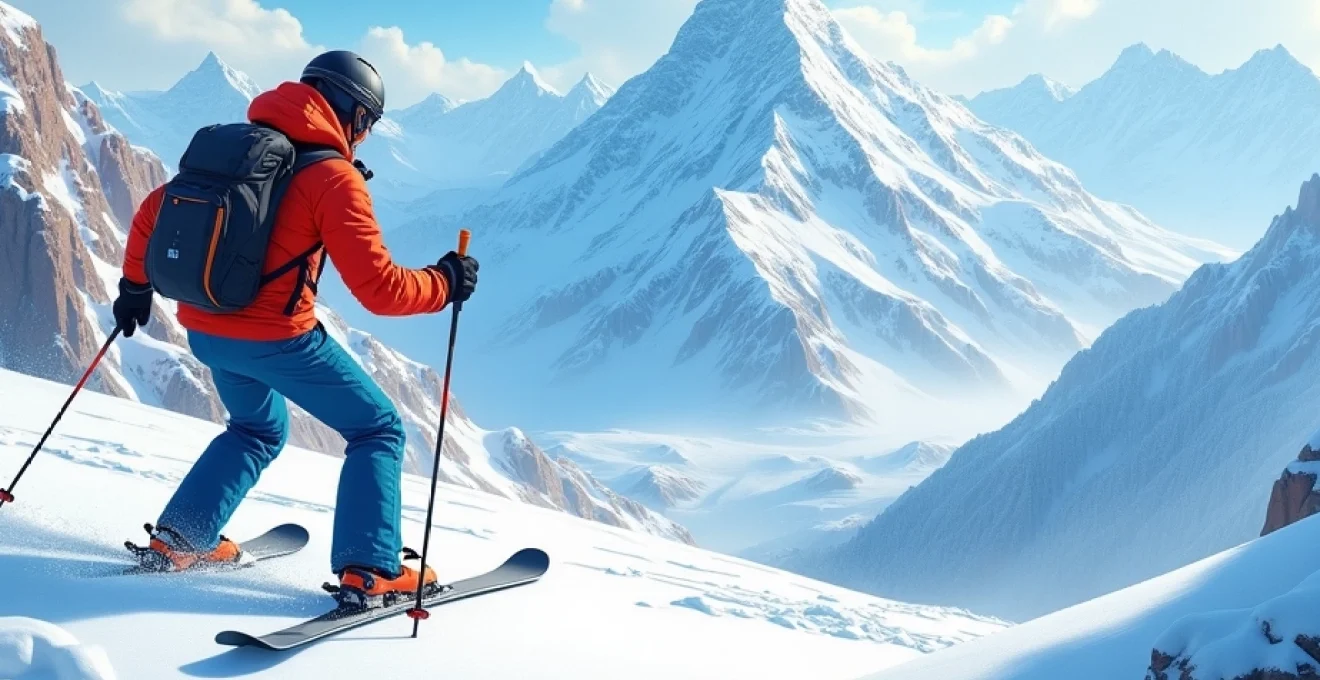
The world’s mountain ranges offer some of the most exhilarating and transformative experiences available to outdoor enthusiasts. From the towering peaks of the European Alps to the vast wilderness of North American ranges, skiing and mountain escapes provide unparalleled opportunities for adventure, personal challenge, and connection with nature. Modern ski technology has revolutionised the sport, making it more accessible whilst simultaneously pushing the boundaries of what’s possible on snow-covered terrain. Whether you’re seeking groomed pistes with perfect corduroy or venturing into untouched backcountry powder, understanding the technical aspects of equipment, destination selection, and safety protocols becomes essential for maximising your mountain experience.
Essential alpine skiing equipment and technical gear selection
The evolution of ski equipment has transformed the sport dramatically over the past two decades, with technological advances enabling skiers to tackle more challenging terrain with greater confidence and control. Modern ski design incorporates sophisticated engineering principles that optimise performance across varying snow conditions and terrain types. Understanding these technical specifications becomes crucial when selecting equipment that matches your skiing style and ability level.
All-mountain ski technology: rocker, camber, and hybrid profile analysis
Contemporary ski design centres around three fundamental profile technologies that dramatically influence on-snow performance. Traditional camber creates an arch beneath the foot when the ski lies flat, providing exceptional edge grip on groomed runs and responsive turn initiation. This design excels in firm snow conditions but can feel catchy in powder or variable terrain.
Rocker technology, conversely, creates an upward curve at the tip and sometimes tail, allowing the ski to float more effectively in deep snow whilst reducing edge catch in challenging conditions. Full rocker designs excel in powder but sacrifice some performance on groomed terrain. Hybrid profiles combine these technologies strategically, utilising camber underfoot for edge grip whilst incorporating rocker in the tip and tail for improved flotation and forgiveness.
Modern hybrid ski profiles typically feature 70-80% camber underfoot with 20-30% rocker distribution, providing optimal balance between groomed run performance and all-mountain versatility.
Binding safety systems: DIN settings and release mechanism specifications
Alpine ski bindings represent critical safety equipment that must be precisely calibrated to each skier’s specifications. The Deutsches Institut für Normung (DIN) setting determines the force required for binding release, calculated using skier weight, height, age, and ability level. Professional technicians use standardised charts to establish appropriate DIN settings, typically ranging from 3-4 for beginners to 12+ for expert racers.
Modern binding systems incorporate multiple release mechanisms designed to prevent injury during falls. Toe pieces feature lateral and vertical release functions, whilst heel pieces provide forward lean release. High-end bindings include additional safety features such as AFD (Anti-Friction Device) plates that ensure consistent release characteristics regardless of snow buildup on boot soles.
Boot fitting precision: mondopoint sizing and custom footbed integration
Proper boot fitting represents perhaps the most critical aspect of ski equipment selection, directly influencing both performance and comfort throughout your mountain experience. The Mondopoint sizing system measures foot length in millimetres, providing more precise fitting than traditional shoe sizes. Professional boot fitters assess foot volume, instep height, and specific pressure points to recommend appropriate shell sizes and liner modifications.
Custom footbeds have become increasingly sophisticated, with modern systems offering heat-moldable foam liners that conform precisely to individual foot shapes. Advanced fitting techniques include shell modification, cuff adjustment, and forward lean customisation to optimise power transmission whilst maintaining comfort during extended ski days.
Avalanche safety equipment: beacon, probe, and shovel technical standards
Backcountry skiing requires specialised safety equipment that adheres to international standards for avalanche rescue scenarios. Modern avalanche transceivers operate on 457 kHz frequency with digital signal processing that provides precise distance and directional information. Current beacon technology features multiple antenna systems and signal analysis algorithms that significantly reduce search times compared to analogue devices.
Avalanche probes must extend to minimum 240cm length for effective victim location, whilst shovels require specific blade angles and handle strengths for efficient snow removal. The international standard recommends probe penetration depth capabilities exceeding 3 metres, as burial depths can reach significant levels in major avalanche events.
Premier alpine destinations: european ski resort analysis
European ski resorts have established themselves as global benchmarks for alpine skiing excellence, combining centuries-old mountain traditions with cutting-edge lift technology and terrain development. The European Alps span across eight countries, offering diverse skiing experiences that cater to every ability level and preference. Understanding the unique characteristics of major European destinations helps you select optimal locations for your mountain adventures.
Chamonix-mont-blanc: Off-Piste terrain and vallée blanche glacier skiing
Chamonix represents the birthplace of extreme skiing, where pioneering alpinists first explored the possibilities of descending technical mountain terrain on skis. The Vallée Blanche glacier traverse offers one of the world’s most spectacular high-altitude skiing experiences, requiring technical skills and avalanche awareness to navigate crevassed terrain safely. This 20-kilometre descent provides access to pristine glacier skiing with breathtaking views of the Mont Blanc massif.
The resort’s off-piste terrain extends across multiple sectors, including the legendary Grands Montets area that provides access to couloirs and steep faces reaching gradients exceeding 45 degrees. Professional mountain guides become essential for accessing many of Chamonix’s premier off-piste routes, as terrain complexity and avalanche exposure require expert local knowledge.
St. anton am arlberg: advanced slope gradients and harakiri descent
St. Anton am Arlberg has earned recognition as Austria’s most challenging ski destination, featuring some of Europe’s steepest groomed runs alongside extensive off-piste opportunities. The infamous Harakiri piste maintains a 78% gradient (38-degree slope angle), testing even expert skiers’ technical abilities and mental fortitude. This resort pioneered modern ski instruction techniques and continues to attract advanced skiers seeking genuine challenges.
The Arlberg region’s interconnected lift system provides access to over 300 kilometres of marked pistes, with additional backcountry terrain accessible through marked ski routes. Snow conditions remain consistently excellent due to the region’s favourable geographic position, which captures moisture-laden weather systems from both north and south.
Val d’isère: espace killy interconnected lift systems and terrain parks
Val d’Isère forms part of the extensive Espace Killy ski area, which combines with Tignes to create one of Europe’s largest interconnected ski domains. This massive terrain offers 300 kilometres of groomed pistes served by over 90 lift systems, including high-speed gondolas and chairlifts that minimise queue times during peak periods. The resort’s high-altitude location ensures reliable snow conditions from late November through early May.
Modern terrain park development has positioned Val d’Isère as a freestyle skiing destination, featuring multiple parks with progressive difficulty levels. The resort’s commitment to terrain park maintenance includes daily grooming, feature reconstruction, and safety inspections that maintain optimal conditions for progression in freestyle disciplines.
Zermatt matterhorn: High-Altitude skiing and klein matterhorn glacier access
Zermatt’s unique position beneath the iconic Matterhorn peak provides access to year-round glacier skiing on the Theodul glacier system. The Klein Matterhorn cable car reaches 3,883 metres elevation, making it Europe’s highest ski lift and providing access to summer skiing opportunities. This extreme altitude creates unique skiing conditions, with temperatures often remaining below freezing even during summer months.
The resort’s extensive lift network connects three distinct ski areas: Sunnegga-Rothorn, Gornergrat-Stockhorn, and the Matterhorn Glacier Paradise. Each sector offers different terrain characteristics and snow conditions, allowing experienced skiers to select optimal areas based on weather patterns and personal preferences. Zermatt’s commitment to environmental sustainability includes electric transportation systems and renewable energy sources for lift operations.
North american mountain resort ecosystems and terrain variety
North American ski destinations offer dramatically different experiences compared to their European counterparts, with vast wilderness areas, diverse terrain types, and unique snow conditions that create distinctive skiing opportunities. The continental climate patterns across western North America generate exceptional powder snow conditions, particularly in regions affected by Pacific storm systems. Understanding these regional characteristics helps you select destinations that align with your skiing preferences and technical abilities.
Whistler blackcomb: Dual-Mountain lift infrastructure and backcountry gates
Whistler Blackcomb represents North America’s largest ski resort, featuring two interconnected mountains with over 8,100 acres of skiable terrain. The Peak 2 Peak Gondola, spanning 4.4 kilometres between mountain peaks, holds multiple world records and provides seamless access between Whistler and Blackcomb mountains. This engineering marvel enables skiers to experience diverse terrain types and microclimates within a single day.
The resort’s controlled backcountry access system provides intermediate and advanced skiers with opportunities to explore ungroomed terrain through designated boundary gates. These marked access points lead to avalanche-controlled areas where skiers can experience deeper snow conditions whilst maintaining reasonable safety margins. Whistler’s extensive terrain parks and halfpipes have established it as a premier freestyle destination, hosting numerous international competitions and training facilities.
Whistler Blackcomb’s annual snowfall averages exceed 10 metres, with base depths frequently reaching 200-300 centimetres during peak winter months, creating some of North America’s most reliable skiing conditions.
Jackson hole: corbet’s couloir technical challenges and teton range access
Jackson Hole Mountain Resort has earned legendary status among expert skiers for its steep terrain and challenging conditions. Corbet’s Couloir represents perhaps North America’s most famous expert run, featuring a mandatory air entry followed by an extremely narrow couloir with rock walls on both sides. This run demands exceptional technical skills and precise line selection, as mistakes can result in serious consequences.
The Teton Range’s dramatic vertical relief creates unique skiing opportunities, with the resort’s 4,139-foot vertical drop ranking among North America’s greatest. Advanced skiers can access extensive backcountry terrain through the resort’s boundary gates, leading to pristine powder skiing in areas like Granite Canyon and Cody Bowl. Professional guides provide essential services for backcountry exploration, as terrain complexity and avalanche exposure require expert local knowledge.
Aspen snowmass: Four-Mountain pass integration and terrain difficulty ratings
The Aspen Snowmass ski area encompasses four distinct mountains connected through a comprehensive lift ticket system: Aspen Mountain, Aspen Highlands, Buttermilk, and Snowmass. Each mountain offers unique terrain characteristics and difficulty profiles, from Buttermilk’s gentle learning slopes to Aspen Highlands’ challenging expert terrain. This diversity enables groups with varying ability levels to ski together whilst accessing appropriate challenges.
Snowmass provides the largest terrain footprint with over 3,300 acres of skiable area, featuring everything from groomed cruising runs to expert-only chutes and bowls. The mountain’s terrain difficulty distribution includes 6% beginner, 47% intermediate, 33% advanced, and 14% expert terrain, offering exceptional variety for progression and exploration. Advanced lift infrastructure minimises transport times between terrain sectors, maximising actual skiing time during visit periods.
Alta ski area: powder snow conditions and Expert-Only terrain zones
Alta Ski Area maintains its position as a skiers-only destination (snowboarding prohibited), preserving traditional alpine skiing culture whilst providing access to some of North America’s most challenging terrain. The resort’s location in Utah’s Wasatch Range receives exceptional snowfall quantities, averaging over 500 inches annually with unique powder snow characteristics created by continental climate patterns.
Expert terrain comprises approximately 45% of Alta’s skiable area, including legendary runs like High Rustler, Eagle’s Nest, and the various chutes accessible from the Supreme lift. These areas demand advanced technical skills and avalanche awareness, as many runs feature sustained steep pitches exceeding 35 degrees with exposure to avalanche hazards. The resort’s commitment to terrain preservation means many expert areas remain ungroomed throughout the season, maintaining natural snow conditions and challenging skiing experiences.
Emerging ski destinations: Asia-Pacific mountain developments
The Asia-Pacific region has emerged as an exciting frontier for ski destination development, with countries like Japan, South Korea, and China investing heavily in world-class resort infrastructure. Japan’s powder skiing has gained international recognition for its exceptional snow quality, created by unique geographic and meteorological conditions. The country’s position between the Sea of Japan and Pacific Ocean generates massive snowfall quantities, particularly in regions like Hokkaido and Honshu’s Japan Alps.
Niseko on Hokkaido Island has become synonymous with deep powder skiing, receiving annual snowfall totals exceeding 15 metres of incredibly light, dry snow. This unique snow quality results from cold Siberian air masses picking up moisture from the relatively warm Sea of Japan, creating perfect conditions for powder skiing. The resort’s international development has introduced western-style amenities whilst maintaining Japanese cultural authenticity in accommodation and dining experiences.
South Korea’s ski industry has expanded dramatically following the 2018 PyeongChang Winter Olympics, with resorts like Yongpyong and Alpensia offering modern lift systems and grooming standards that rival European destinations. These developments have made skiing more accessible across East Asia, with high-speed rail connections enabling convenient access from major urban centres. China’s ambitious ski development programme aims to create 50 million skiers by 2025, with new resort construction proceeding rapidly in regions like Heilongjiang and Xinjiang provinces.
The Southern Hemisphere offers unique skiing opportunities during the northern hemisphere’s summer months, with destinations like New Zealand’s South Island and Chile’s Andes providing excellent snow conditions from June through October. These destinations have become increasingly popular among northern hemisphere skiers seeking year-round skiing opportunities, with resorts like Portillo in Chile offering high-altitude glacier skiing and Queenstown providing adventure tourism integration with skiing activities.
Backcountry skiing techniques and mountain safety protocols
Backcountry skiing represents the purest form of the sport, combining technical skiing skills with mountaineering knowledge and wilderness navigation abilities. This discipline requires comprehensive understanding of avalanche safety, route finding, and emergency response procedures. Modern backcountry skiing has evolved from basic touring to sophisticated approaches that utilise advanced equipment and safety protocols developed through decades of mountain rescue experience.
Avalanche education forms the foundation of backcountry skiing safety, with standardised courses teaching hazard recognition, terrain assessment, and rescue techniques. The avalanche danger scale uses a five-level system (Low, Moderate, Considerable, High, Extreme) that guides decision-making for backcountry travel. Terrain management becomes crucial, as skilled backcountry skiers learn to identify and avoid avalanche-prone slopes whilst accessing quality skiing opportunities.
Modern touring equipment has revolutionised backcountry accessibility, with lightweight skis, boots, and bindings enabling efficient uphill travel without compromising downhill performance. Alpine touring (AT) bindings feature walk modes that allow natural ankle flexion during ascent, whilst maintaining downhill skiing capabilities comparable to alpine bindings. Touring ski designs optimise weight reduction whilst preserving structural integrity for aggressive skiing in challenging conditions.
Backcountry skiing incidents have decreased by approximately 40% over the past decade due to improved education programmes, better equipment, and enhanced communication technologies that enable real-time hazard sharing among mountain users.
Route planning requires detailed analysis of weather patterns, snowpack conditions, and terrain features using topographic maps, satellite imagery, and real-time avalanche bulletins. Experienced backcountry skiers develop systematic approaches to hazard assessment, including snowpit analysis, slope angle measurement, and aspect consideration. GPS devices and emergency communication systems provide essential backup for navigation and rescue scenarios, whilst detailed trip plans shared with reliable contacts ensure prompt response if problems arise.
Rescue skills training emphasises rapid victim location and efficient snow removal techniques, as survival rates decrease dramatically beyond 15-minute burial durations. Modern avalanche rescue protocols focus on strategic searching, organised probe lines, and coordinated excavation procedures that maximise survival chances. Regular practice sessions help maintain proficiency in high-stress scenarios, as technical skills can deteriorate rapidly without consistent reinforcement.
Seasonal planning and snow condition analysis for optimal ski experiences
Successful ski trip planning requires understanding seasonal patterns, snow condition variables, and timing strategies that maximise mountain experiences. Different regions exhibit distinct seasonal characteristics influenced by latitude, elevation, maritime versus continental climate patterns, and local topographic effects. Developing expertise in seasonal
planning factors becomes essential for timing visits to coincide with optimal conditions across different mountain ranges and regions.
Early season skiing typically begins in November across higher-elevation European resorts, with glacier-fed areas like Zermatt and Tignes often opening earlier than lower-elevation destinations. North American resorts generally commence operations in mid-to-late November, with Colorado’s high-altitude areas and Canadian destinations leading the opening schedule. Early season conditions favour groomed terrain skiing, as natural snowpack depths require time to accumulate sufficiently for off-piste exploration.
Peak winter months from January through March provide the most reliable snow conditions globally, with February generally offering optimal powder skiing opportunities in both hemispheres. Pacific Northwest destinations like Whistler receive maximum snowfall during January and February, whilst European Alps experience their deepest snowpack accumulations during March. Understanding these patterns enables strategic trip planning to coincide with each destination’s snow condition peaks.
Spring skiing extends the season into April and May at higher elevations, offering unique experiences with longer daylight hours and warmer temperatures. European glacier skiing destinations provide summer skiing opportunities, with areas like Hintertux and Kaprun maintaining lift operations year-round. These extended seasons appeal to dedicated skiers seeking consistent mountain access whilst avoiding peak-season crowds and pricing.
Advanced meteorological analysis reveals that La Niña climate patterns typically enhance powder skiing conditions across western North America, whilst El Niño cycles favour European Alpine snowfall accumulations, influencing optimal destination selection during specific winter seasons.
Snow quality varies dramatically based on temperature patterns, humidity levels, and elevation factors that create distinct skiing experiences across different times and locations. Maritime snowpack, influenced by oceanic moisture sources, tends toward denser snow conditions that provide excellent carving surfaces but may lack the legendary lightness of continental powder. Continental climate zones, particularly areas like Utah’s Wasatch Range and Japan’s Hokkaido Island, produce extraordinarily light powder snow through cold, dry air mass interactions.
Modern weather forecasting technology enables sophisticated trip planning through real-time snow condition monitoring, storm tracking, and avalanche hazard assessment. Satellite imagery provides detailed snowpack analysis, whilst automated weather stations throughout mountain ranges deliver precise local condition data. These technological resources, combined with historical climate data analysis, support evidence-based decisions for optimal timing of mountain adventures across global skiing destinations.