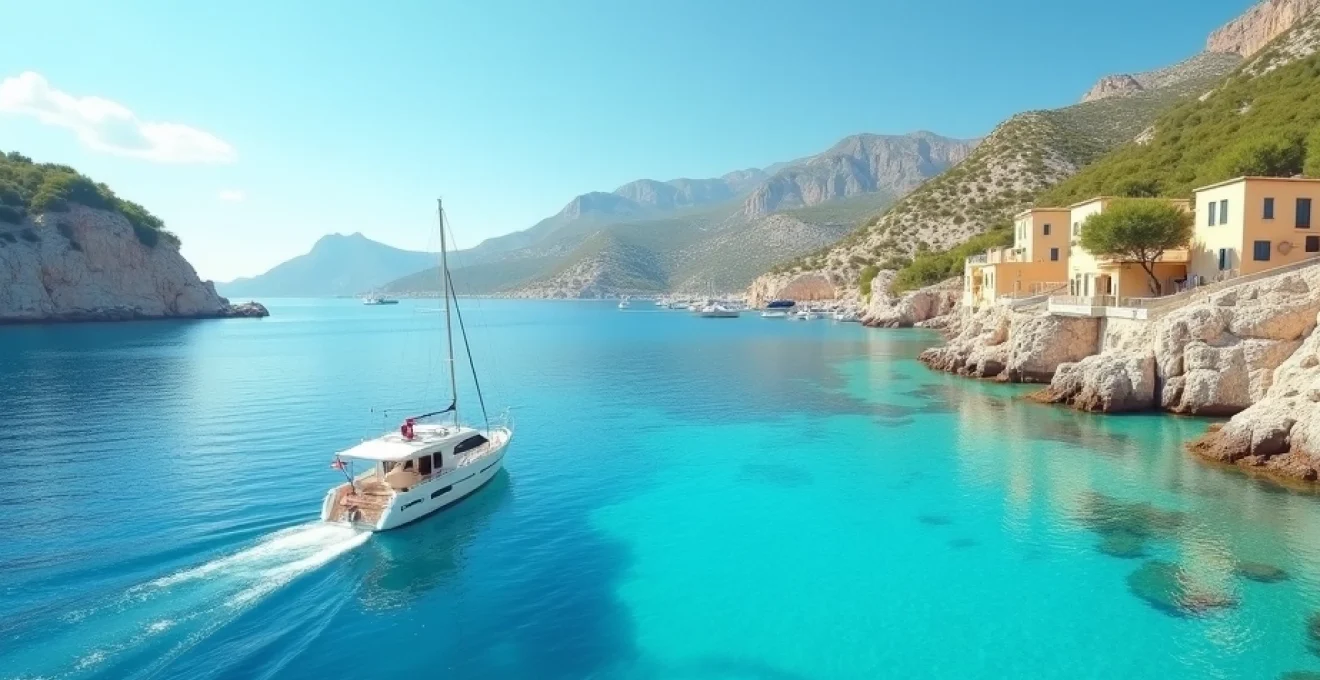
The Greek archipelago represents one of the world’s most spectacular maritime destinations, where azure waters meet ancient civilisations and modern luxury converges with traditional seafaring culture. With over 6,000 islands and islets scattered across the Aegean and Ionian seas, Greece offers unparalleled opportunities for boat excursions that range from intimate day trips to extended island-hopping adventures. The country’s strategic position between Europe, Asia, and Africa has created a unique maritime heritage spanning millennia, making it an ideal destination for those seeking both relaxation and cultural enrichment through nautical exploration.
Modern boat excursions in the Greek islands combine the romance of traditional sailing with contemporary comfort and safety standards. Whether you’re drawn to the volcanic landscapes of Santorini, the cosmopolitan atmosphere of Mykonos, or the pristine beaches of the Dodecanese, the diversity of experiences available through maritime exploration is virtually limitless. The Greek government has invested significantly in marina infrastructure and maritime tourism, creating an ecosystem that supports everything from budget-conscious sailing adventures to ultra-luxury yacht charters.
Essential boat types and charter options for greek island exploration
Selecting the appropriate vessel for your Greek island adventure requires careful consideration of your group size, experience level, budget, and desired destinations. The diverse range of boat types available ensures that every traveller can find a suitable option, from traditional wooden caiques that offer authentic cultural experiences to state-of-the-art motor yachts equipped with cutting-edge navigation systems and luxury amenities.
Traditional greek caiques and their navigation capabilities
Greek caiques represent the maritime soul of the Aegean, with their distinctive design having evolved over centuries to handle the region’s specific sea conditions. These traditional wooden vessels, typically ranging from 12 to 25 metres in length, feature broad beams and shallow drafts that make them exceptionally versatile for exploring hidden coves and approaching beaches inaccessible to larger craft. Modern caiques retain their classic appearance whilst incorporating contemporary safety equipment and often modest luxury amenities.
The navigation capabilities of caiques are particularly suited to the island-hopping style of exploration that defines Greek maritime tourism. Their robust construction and experienced local crews provide invaluable insights into weather patterns, local customs, and hidden gems that remain undiscovered by mainstream tourism. Many caique operators offer half-day and full-day excursions that include traditional Greek meals prepared onboard, swimming stops in secluded bays, and visits to archaeological sites accessible only from the sea.
Luxury motor yacht charters in the aegean and ionian seas
Motor yacht charters represent the pinnacle of maritime luxury in Greek waters, offering uncompromising comfort, speed, and range that allows exploration of distant islands within tight timeframes. These vessels typically range from 20 to 100 metres in length and feature professional crews, gourmet dining facilities, extensive water sports equipment, and accommodation standards that rival five-star hotels. The Aegean and Ionian seas provide ideal conditions for motor yacht operations, with well-established routes connecting major ports and comprehensive support infrastructure.
The advantages of motor yacht charters extend beyond mere luxury to include practical benefits such as climate-controlled interiors, stabilisation systems that minimise seasickness, and the ability to maintain schedules regardless of wind conditions. Many luxury motor yachts feature helicopter landing pads, submarine tenders, and custom water toys that transform island exploration into extraordinary adventures. The charter industry in Greece has adapted to international standards, ensuring that vessels meet stringent safety requirements whilst maintaining the personalised service that defines Mediterranean hospitality.
Sailing yacht specifications for cycladic wind patterns
The Cycladic islands experience distinctive wind patterns, particularly the famous Meltemi winds that blow from the north during summer months, creating both challenges and opportunities for sailing enthusiasts. Modern sailing yachts designed for Greek waters typically feature robust rigging systems, efficient sail configurations, and enhanced stability characteristics that allow them to harness these winds effectively whilst maintaining passenger comfort and safety.
Sailing yacht specifications must account for the Meltemi’s intensity , which can reach forces of 6-7 on the Beaufort scale during peak summer periods. Successful Cycladic sailing requires vessels with strong construction, reliable engines for windless periods, and experienced crews familiar with local weather patterns and safe harbours. The reward for proper preparation is access to some of the world’s most exhilarating sailing conditions, where consistent winds and clear visibility create ideal circumstances for both novice and expert sailors.
The Cycladic winds have shaped maritime culture for over 4,000 years, creating sailing conditions that demand respect, skill, and proper equipment but reward sailors with experiences that capture the essence of ancient Greek seafaring traditions.
Catamaran stability advantages in dodecanese waters
Catamarans have gained tremendous popularity in the Dodecanese islands due to their exceptional stability, spacious layouts, and shallow drafts that enable access to pristine beaches and secluded anchorages. The twin-hull design provides a stable platform that significantly reduces seasickness, making them ideal for families, elderly passengers, and those new to sailing. The Dodecanese’s generally calmer waters and numerous protected bays create perfect conditions for catamaran operations.
The stability advantages of catamarans extend beyond passenger comfort to include practical benefits such as level sleeping quarters, expansive deck spaces for dining and relaxation, and the ability to beach the vessel safely for swimming and exploration. Modern catamarans feature sophisticated sail handling systems that allow even inexperienced crews to operate them safely, whilst their generous accommodation spaces make extended cruising comfortable for larger groups. The shallow draft capability of catamarans opens access to archaeological sites, fishing villages, and natural harbours that remain inaccessible to deeper-draft vessels.
RIB boat performance for volcanic island access
Rigid Inflatable Boats (RIBs) excel in volcanic island environments where dramatic coastlines, underwater caves, and remote beaches require vessels with exceptional manoeuvrability and beach-landing capabilities. The volcanic origins of many Greek islands have created unique geological formations, including sea caves, underwater hot springs, and black sand beaches that are best explored using highly manoeuvrable craft. RIBs combine the stability of rigid hulls with the shock-absorbing qualities of inflatable sides, creating vessels perfectly suited to these challenging environments.
Modern RIB designs incorporate powerful outboard engines that provide impressive speed and acceleration, enabling day-trip excursions that cover multiple islands and diverse underwater environments. Their lightweight construction and shallow draft allow access to areas where larger vessels cannot venture, whilst their robust construction withstands the abrasive volcanic coastlines common throughout the Greek islands. Many RIB operators specialise in adventure tourism experiences that combine high-speed inter-island travel with snorkelling, diving, and coastal exploration activities.
Premier island clusters and maritime route planning
Strategic route planning forms the foundation of successful Greek island boat excursions, requiring careful consideration of distances, weather patterns, port facilities, and seasonal variations in sea conditions. The Greek islands are naturally grouped into clusters that facilitate logical itineraries, each offering distinct characteristics in terms of geography, culture, historical significance, and maritime accessibility.
Cyclades circuit: mykonos to santorini navigation routes
The Cyclades circuit represents the most popular and well-developed boat excursion route in Greek waters, connecting iconic destinations through established shipping lanes and comprehensive marina infrastructure. The traditional Mykonos to Santorini route covers approximately 80 nautical miles and typically involves stops at Paros, Naxos, and Ios, creating a perfect introduction to Greek island diversity within a compact geographical area.
Navigation between these islands requires understanding of the prevailing northerly winds that can significantly impact travel times and passenger comfort. Professional operators typically plan routes to take advantage of morning calms and afternoon winds, scheduling longer passages during optimal conditions whilst allowing flexibility for weather-related delays. The volcanic nature of Santorini creates unique approach challenges, with dramatic cliffs and limited anchorage options requiring experienced seamanship and advance planning.
Modern navigation technology has enhanced safety and efficiency on Cyclades routes, with GPS systems, weather routing software, and satellite communication ensuring that vessels can respond quickly to changing conditions. The concentration of tourism infrastructure in the Cyclades means that emergency services, mechanical support, and provisioning facilities are readily available, making these routes suitable for less experienced charter operators and private yacht owners.
Dodecanese island hopping: rhodes to patmos maritime corridors
The Dodecanese island group offers more sheltered sailing conditions and longer distances between major islands, creating opportunities for extended cruising experiences that combine Greek culture with Turkish coastal influences. The Rhodes to Patmos corridor encompasses approximately 120 nautical miles and includes stops at historically significant islands such as Kos, Kalymnos, and Leros, each offering unique attractions ranging from ancient archaeological sites to pristine natural harbours.
Maritime corridors in the Dodecanese benefit from the protective effect of the Turkish coastline, which moderates wind conditions and wave heights throughout much of the year. This creates ideal conditions for larger vessels and less experienced crews, whilst the historical significance of many Dodecanese islands provides cultural enrichment that complements the maritime adventure. The presence of numerous small islands and protected bays enables flexible itinerary planning that can accommodate weather delays or spontaneous exploration opportunities.
The proximity to Turkey adds an international dimension to Dodecanese island hopping, with many operators offering combined Greek-Turkish itineraries that require advance planning for customs and immigration procedures. The cultural diversity found in the Dodecanese reflects centuries of varied influences, creating destinations where Byzantine churches, Ottoman architecture, and Italian colonial buildings coexist with traditional Greek island culture.
Ionian sea passages: corfu to zakynthos sailing channels
The Ionian Sea offers distinctly different sailing conditions from the Aegean, with greener landscapes, calmer waters, and sailing channels that provide protection from open ocean swells. The Corfu to Zakynthos passage covers approximately 150 nautical miles through waters that are generally more forgiving than their Aegean counterparts, making them ideal for family cruising and extended charter periods.
Ionian sailing channels benefit from the sheltering effect of the Greek mainland and the moderate climate influence of the western Mediterranean. This creates more predictable weather patterns and generally lighter winds, allowing for relaxed cruising schedules and increased time for shore exploration. The numerous natural harbours and traditional fishing villages found throughout the Ionian islands provide authentic cultural experiences away from the more commercialised destinations of the central Aegean.
The Ionian islands’ Venetian heritage creates architectural and cultural experiences that distinguish them from other Greek island groups. Medieval fortresses, elegant harbourfront promenades, and sophisticated dining traditions reflect centuries of Italian influence whilst maintaining distinctly Greek island characteristics. Navigation in Ionian waters requires attention to local current patterns and seasonal weather variations, but generally presents fewer challenges than the more exposed Aegean routes.
Northern aegean routes: lesbos and chios access points
The Northern Aegean presents more challenging but rewarding destinations for experienced mariners, with longer passages between islands and more variable weather conditions. Lesbos and Chios serve as primary access points for exploring this less-visited region, where traditional Greek island life continues with minimal tourist influence and authentic cultural experiences remain readily accessible.
Northern Aegean routes require more comprehensive planning and greater sailing experience due to increased distances from major charter bases and more limited support infrastructure. However, these challenges are offset by access to pristine natural environments, extraordinary archaeological sites, and island communities where traditional occupations such as fishing, agriculture, and crafts continue to define daily life. The region’s proximity to Turkey creates opportunities for extended international cruising whilst its position along ancient trade routes provides historical significance that enhances the overall experience.
Seasonal weather patterns and optimal sailing conditions
Understanding seasonal weather patterns in the Greek islands is crucial for planning successful boat excursions, as conditions vary dramatically throughout the year and between different regions. The Mediterranean climate creates generally favourable sailing conditions from April through October, but specific timing can significantly impact the quality and safety of maritime adventures. Wind patterns, sea temperatures, rainfall, and daylight hours all influence the optimal timing for different types of excursions and vessel operations.
Spring conditions from April to early June offer mild temperatures, minimal crowding, and generally stable weather patterns that make them ideal for extended cruising and cultural exploration. During this period, the Meltemi winds have not yet reached their summer intensity, creating more forgiving conditions for inexperienced sailors whilst still providing sufficient wind for enjoyable sailing. Sea temperatures gradually warm from 16°C in April to 22°C in June, making swimming and water sports increasingly attractive as the season progresses.
Summer months from July through August represent peak sailing season but also present the greatest challenges in terms of wind strength and tourist congestion. The Meltemi winds reach maximum intensity during this period, creating exhilarating sailing conditions for experienced crews but potentially dangerous situations for inadequately prepared vessels. Average wind speeds of 15-25 knots with gusts exceeding 35 knots require careful route planning and appropriate equipment, whilst extremely popular anchorages may become overcrowded.
Autumn sailing from September through October often provides the optimal balance of warm sea temperatures, moderate winds, and reduced crowds that appeal to experienced mariners. Sea temperatures remain above 20°C through October, whilst the gradual weakening of summer wind patterns creates more manageable conditions for a wider range of vessels and crew experience levels. This period also coincides with grape harvest season and various cultural festivals that provide authentic Greek experiences away from peak tourist periods.
Greek maritime weather patterns follow ancient rhythms that have shaped sailing traditions for millennia, with local fishermen and mariners developing intimate knowledge of seasonal variations that remains invaluable for modern nautical tourism.
Winter sailing opportunities exist but require extensive experience and appropriate equipment, as conditions become significantly more challenging between November and March. Storm systems moving across the Mediterranean can create dangerous sea states, whilst shortened daylight hours and cooler temperatures limit the appeal of traditional sailing activities. However, winter months offer unprecedented access to archaeological sites and cultural attractions without crowds, making motor yacht charters an attractive option for those seeking luxury comfort combined with authentic Greek experiences.
Marina infrastructure and mooring facilities assessment
The quality and availability of marina infrastructure directly impacts the feasibility and enjoyment of Greek island boat excursions, with facilities ranging from world-class superyacht marinas to traditional fishing harbours with basic services. Understanding the capabilities and limitations of different ports enables better itinerary planning and ensures that vessel requirements match available facilities. The Greek government and private investors have made substantial improvements to marina infrastructure over the past two decades, creating a network of facilities that supports vessels of all sizes and requirements.
Piraeus marina complex and aegean departure points
The Piraeus marina complex serves as the primary departure point for Aegean Sea excursions, offering comprehensive services for vessels ranging from small day boats to mega yachts exceeding 100 metres in length. Located within easy reach of Athens International Airport, Piraeus provides convenient access for international visitors whilst maintaining excellent connectivity to major island destinations throughout the central and southern Aegean.
Zea Marina, the largest facility within the Piraeus complex, accommodates over 600 vessels and provides full-service capabilities including fuel, water, electricity, waste disposal, and 24-hour security. The marina’s proximity to Athens enables easy provisioning, crew changes, and technical support, making it an ideal base for extended cruising programs. Modern facilities include high-speed internet connectivity, customs and immigration services, and comprehensive chandlery that support both charter operations and private yacht owners.
Additional departure points around the Piraeus area include Alimos Marina and Flisvos Marina, both offering specialised services for different vessel categories and charter operations. These facilities have invested heavily in environmental protection systems and sustainable tourism practices, reflecting growing awareness of the need to balance maritime tourism growth with ecological preservation.
Cycladic port facilities: paros and naxos harbour specifications
Paros has emerged as a central hub for Cycladic island exploration, with Parikia and Naoussa ports providing complementary services that support diverse vessel types and charter operations. Parikia’s main harbour offers ferry connections to other islands alongside marina facilities for visiting yachts, whilst Naoussa provides a more intimate setting with traditional architecture and boutique services oriented toward smaller charter vessels and private yachts.
The new Paros Marina development represents a significant upgrade to the island’s maritime infrastructure, featuring modern pontoons, comprehensive utilities, and support services designed to international standards. With capacity for over 300 vessels up to 80 metres in length, the facility includes fuel stations, waste management systems, and technical support that enable extended stays and complex maintenance operations. The marina’s integration with local tourism infrastructure ensures easy access to restaurants, shopping, and cultural attractions.
Naxos Port has undergone
comprehensive modernisation to accommodate the growing number of charter vessels and superyachts visiting the Cyclades. The port now features dedicated yacht berths with depths up to 8 metres, alongside improved breakwater protection that provides shelter during strong Meltemi conditions. Modern utility connections include high-amperage electrical systems, potable water, and waste pump-out facilities that meet international environmental standards.
Crete’s heraklion and chania marina capabilities
Crete’s strategic position in the southern Aegean makes it an essential stopover for extended cruising itineraries, with Heraklion and Chania offering complementary capabilities that serve different vessel categories and charter requirements. Heraklion Marina provides the island’s primary superyacht facilities, featuring berths for vessels up to 150 metres in length alongside comprehensive technical support and provisioning services. The marina’s proximity to Crete’s international airport facilitates crew changes and guest transfers, whilst its location within walking distance of the city centre provides access to museums, restaurants, and historical attractions including the Palace of Knossos.
Chania’s Venetian harbour represents one of the Mediterranean’s most picturesque marina settings, combining world-class dining and shopping with authentic historical atmosphere that dates back over 600 years. The harbour accommodates vessels up to 50 metres in length within its protected basin, whilst larger yachts can anchor in the bay and tender ashore to experience the city’s renowned culinary scene and architectural heritage. Recent infrastructure improvements include upgraded electrical systems, enhanced security, and environmental protection measures that maintain the harbour’s UNESCO World Heritage status.
Both Cretan ports provide essential services for vessels crossing between the Aegean and Mediterranean, including customs and immigration facilities for international charter operations. The island’s position makes it an ideal base for exploring the southern Cyclades, accessing the Dodecanese via Rhodes, or extending cruises toward Egypt and the eastern Mediterranean. Crete’s diverse landscape and rich cultural heritage provide compelling reasons for extended stays that combine maritime adventure with archaeological exploration and gastronomic experiences.
Ionian marina networks: lefkada and preveza facilities
The Ionian Sea’s marina infrastructure has evolved to support the region’s reputation for family-friendly sailing and luxury charter operations, with Lefkada and Preveza serving as primary bases for exploring Greece’s western coastline. Lefkada Marina benefits from the island’s unique position, connected to the mainland by a causeway that eliminates ferry requirements whilst providing direct access to some of the Mediterranean’s most beautiful anchorages and beaches.
Lefkada’s modern marina facilities accommodate over 500 vessels with berths up to 80 metres in length, featuring comprehensive services including fuel, water, electricity, and waste management systems designed to international standards. The marina’s integration with local tourism infrastructure ensures easy access to car rentals, provisioning, and technical support, whilst its location provides immediate access to the island’s famous beaches including Porto Katsiki and Egremni. The facility serves as the primary charter base for Ionian Sea operations, with numerous companies offering vessels ranging from small sailing yachts to luxury motor yachts.
Preveza Marina provides an alternative base that combines excellent facilities with proximity to ancient archaeological sites and traditional Greek fishing villages. Located at the entrance to the Ambracian Gulf, the marina offers protected waters and easy access to both the open Ionian Sea and the extensive inland waterways that provide unique cruising opportunities. The facility’s modern infrastructure includes high-speed internet connectivity, comprehensive security systems, and environmental protection measures that reflect growing emphasis on sustainable tourism practices.
Regulatory requirements and greek maritime licensing
Greek maritime regulations require careful attention to licensing requirements, safety standards, and operational procedures that govern charter vessel operations and private yacht cruising. The Hellenic Coast Guard maintains strict oversight of maritime activities, with regulations designed to ensure passenger safety whilst protecting the marine environment and archaeological sites that define Greece’s cultural heritage. Understanding these requirements enables proper planning and ensures compliance with legal obligations that affect both charter operators and private yacht owners.
Charter vessel operations require valid commercial licensing that includes appropriate insurance coverage, crew certification, and vessel safety inspections conducted by authorised maritime surveyors. Professional charter operators must maintain comprehensive liability insurance, crew medical certifications, and emergency response procedures that meet international safety standards. The Greek authorities have implemented digital systems that streamline licensing procedures whilst maintaining rigorous safety oversight through regular inspections and compliance monitoring.
Private yacht operations require different documentation depending on vessel size, nationality, and intended activities. Yachts exceeding 24 metres in length require professional crew certification, whilst smaller vessels may be operated by qualified recreational sailors holding appropriate licenses. International visitors must ensure proper customs and immigration clearance, particularly when crossing between Greek and Turkish waters or visiting islands near international boundaries. The complexity of these requirements makes professional consultation advisable for extended cruising programs or complex international itineraries.
Greek maritime regulations balance safety requirements with accessibility, ensuring that both commercial operators and private yacht owners can enjoy world-class cruising opportunities whilst maintaining the highest standards of environmental protection and cultural preservation.
Recent regulatory developments include enhanced environmental protection measures that restrict anchoring near sensitive marine ecosystems and archaeological sites. These regulations require charter operators and private yacht owners to utilise designated mooring systems or maintain safe distances from protected areas. GPS monitoring and electronic reporting systems enable authorities to track vessel movements and ensure compliance with environmental protection zones that safeguard marine biodiversity and underwater cultural heritage.
Archaeological site access and protected marine areas navigation
Greece’s maritime environment encompasses numerous archaeological sites and protected marine areas that require special consideration during cruise planning and navigation. Ancient harbours, underwater ruins, and sacred islands maintain cultural and environmental significance that influences modern sailing regulations and access procedures. Understanding these considerations enables responsible exploration whilst ensuring compliance with protection measures designed to preserve Greece’s irreplaceable heritage for future generations.
Underwater archaeological sites throughout the Greek islands include ancient harbours, shipwrecks, and submerged settlements that provide unique insights into classical civilisation and maritime history. Delos, the sacred island of Apollo, maintains strict access controls that require advance booking and adherence to specific landing procedures designed to protect ancient monuments and religious sites. Similarly, underwater archaeological areas around islands such as Antikythera, Zakynthos, and Alonissos require vessels to maintain designated distances and follow prescribed navigation corridors that prevent anchor damage to ancient remains.
Marine protected areas established around the Greek islands safeguard endangered species habitats and fragile ecosystems that support Mediterranean biodiversity. The National Marine Park of Alonissos protects monk seal populations and maintains strict regulations governing vessel operations, noise levels, and waste disposal within designated zones. These conservation measures require advance planning and often limit access during sensitive breeding seasons, but provide opportunities to observe rare marine life in pristine natural environments.
Navigation around protected areas requires current chart information and awareness of seasonal restrictions that may affect access to popular anchorages and diving sites. Modern GPS systems include electronic boundaries for protected zones, whilst harbour authorities provide updated information regarding temporary restrictions and access procedures. Responsible charter operators maintain detailed knowledge of these requirements and incorporate compliance measures into standard operating procedures that ensure both legal compliance and environmental stewardship.
Access to certain archaeological sites requires coordination with local authorities and adherence to group size limitations designed to minimise impact on sensitive historical monuments. Popular sites such as the Temple of Apollo on Delos or the Byzantine monasteries of Patmos maintain visitor quotas and require advance reservations during peak tourism periods. These measures preserve the contemplative atmosphere essential to experiencing Greece’s spiritual heritage whilst ensuring that maritime tourism contributes positively to cultural preservation and local economic development.