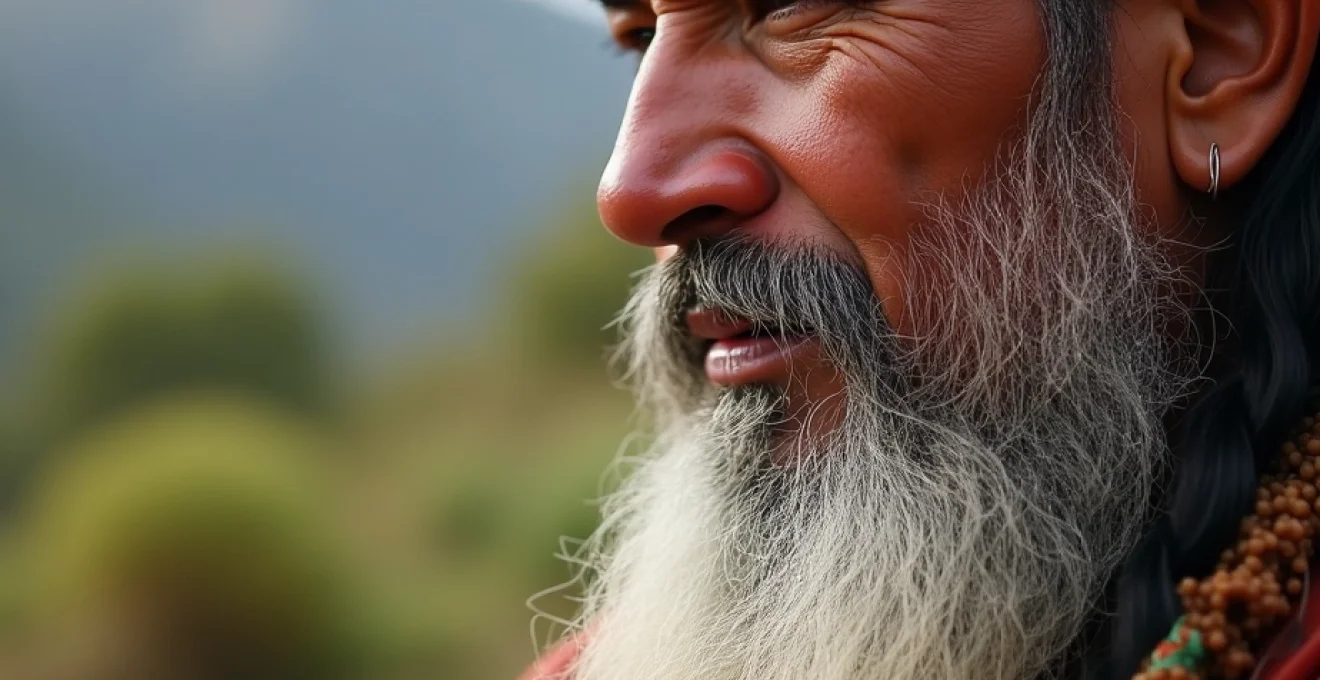
New Zealand’s indigenous Māori culture represents far more than historical significance—it forms the living, breathing foundation of modern Aotearoa. With over 700 years of continuous presence, Māori traditions, language, and spiritual practices permeate every aspect of New Zealand life, from street signage displaying Te Reo Māori to the powerful haka performed at international rugby matches. This rich cultural tapestry offers visitors unparalleled opportunities to engage with authentic indigenous experiences that have shaped one of the world’s most successful bicultural societies.
Understanding Māori culture requires appreciating its complexity and depth. The Māori worldview encompasses intricate spiritual beliefs, sophisticated social structures, and profound connections to the natural environment that influence contemporary New Zealand society. From sacred marae protocols to traditional arts and crafts, each cultural element carries layers of meaning rooted in ancestral wisdom and ongoing cultural evolution.
Understanding tangata whenua heritage and whakapapa connections
The concept of tangata whenua , meaning “people of the land,” establishes the fundamental relationship between Māori people and their ancestral territories. This connection transcends mere geographical boundaries, encompassing spiritual, cultural, and genealogical ties that define Māori identity. Whakapapa , the intricate genealogical system, traces family lines back through generations to the original Polynesian voyagers who first settled Aotearoa.
Te tiriti o waitangi historical context and contemporary implications
The Treaty of Waitangi, signed in 1840, remains New Zealand’s founding document and continues to influence contemporary Māori-Crown relationships. This agreement between British representatives and Māori chiefs established principles of partnership, protection, and participation that underpin modern New Zealand governance. However, different interpretations of the English and Māori versions have created ongoing debates about sovereignty and resource rights.
Contemporary implications of Te Tiriti extend far beyond historical interest. Modern settlement processes have returned significant lands and resources to iwi, enabling cultural and economic revitalisation. These settlements often include cultural redress provisions, ensuring Māori perspectives influence environmental management and cultural heritage protection throughout New Zealand.
Iwi and hapū territorial boundaries across north and south islands
Māori social organisation centres on iwi (tribes) and hapū (subtribes), each maintaining distinct territorial boundaries and cultural practices. The North Island hosts numerous iwi including Ngāti Tūwharetoa around Lake Taupō, Waikato-Tainui in the central North Island, and Ngāpuhi in Northland. Each iwi maintains unique traditions, dialects, and ancestral connections to specific geographical features.
South Island iwi, primarily Ngāi Tahu, demonstrate remarkable cultural resilience despite significant historical disruptions. Their extensive tribal territory covers most of Te Waipounamu (South Island), encompassing diverse landscapes from Canterbury plains to Fiordland mountains. Understanding these territorial boundaries helps visitors appreciate the localised nature of Māori cultural expressions and the importance of acknowledging tangata whenua wherever you travel.
Māori cosmology through ranginui and papatūānuku creation stories
Māori creation mythology provides essential context for understanding cultural values and environmental relationships. The story of Ranginui (Sky Father) and Papatūānuku (Earth Mother) explains the separation of earth and sky by their children, creating space for life to flourish. Tāne Mahuta, god of forests, pushed his parents apart, establishing the natural world’s fundamental structure.
These cosmological narratives extend beyond storytelling to influence contemporary environmental management practices. Many Māori communities apply traditional ecological knowledge derived from creation stories to modern conservation efforts. The concept of kaitiakitanga (environmental guardianship) emerges directly from these ancestral teachings, emphasising humanity’s responsibility to protect natural resources for future generations.
Traditional whakatōhea, ngāti tūwharetoa, and ngāi tahu ancestral narratives
Each iwi maintains distinct ancestral narratives that connect geographical features to tribal identity. Whakatōhea people of the Bay of Plenty trace their lineage to the Mataatua waka and maintain strong connections to Whakaari (White Island) and surrounding coastal areas. Their stories emphasise maritime traditions and volcanic landscape relationships that continue to influence contemporary cultural practices.
Ngāti Tūwharetoa narratives centre on Lake Taupō and surrounding volcanic plateau, with ancestral chief Ngātoro-i-rangi featuring prominently in stories explaining geothermal phenomena. Ngāi Tahu ancestral accounts span the entire South Island, documenting migration patterns and resource utilisation that demonstrate sophisticated environmental knowledge accumulated over centuries. These narratives serve as cultural blueprints, guiding modern iwi development and resource management strategies.
Authentic marae protocol and pōwhiri ceremonial experiences
Participating in marae ceremonies provides the most authentic introduction to Māori cultural values and protocols. These sacred spaces serve as tribal headquarters where traditional customs remain vibrantly alive. Pōwhiri (welcome ceremonies) follow ancient protocols that transform strangers into guests through carefully orchestrated rituals involving speeches, songs, and symbolic gestures of peace.
Te kōhanga reo marae visits in auckland and wellington regions
Urban marae in Auckland and Wellington offer accessible opportunities to experience traditional protocols within contemporary settings. Many marae associated with Te Kōhanga Reo (language nests) welcome educational visits, providing insights into Māori language revitalisation efforts alongside cultural immersion. These visits often include guided tours explaining architectural symbolism and cultural significance of various marae components.
Auckland’s numerous marae reflect the city’s diverse Māori population, representing iwi from throughout New Zealand. Venues like Ōrākei Marae offer regular cultural programmes combining traditional protocols with urban Māori experiences. Wellington’s urban marae similarly provide platforms for experiencing Māori culture in the capital, often incorporating contemporary arts and cultural innovation alongside traditional practices.
Hongi greeting techniques and karakia spiritual invocations
The hongi greeting involves pressing foreheads and noses together, sharing the breath of life that connects all living beings. This intimate greeting reflects Māori concepts of spiritual connection and mutual respect that underpin social relationships. Learning proper hongi technique demonstrates cultural sensitivity and willingness to engage authentically with Māori customs.
Karakia (spiritual invocations) open and close most Māori ceremonies, acknowledging ancestral presence and seeking spiritual protection. These powerful chants connect participants to ancestral wisdom while establishing appropriate spiritual atmosphere for cultural activities. Understanding karakia significance enhances appreciation of Māori spirituality’s role in maintaining cultural continuity and community wellbeing.
Whakatau welcome ceremonies at waitangi treaty grounds
Waitangi Treaty Grounds offers exceptional opportunities to witness formal Māori protocols in their historical context. Regular cultural performances demonstrate traditional welcome ceremonies while explaining their significance to New Zealand’s bicultural development. The grounds’ cultural centre provides comprehensive exhibitions explaining treaty negotiations and ongoing impacts on Māori-Crown relationships.
The Waitangi experience connects visitors to the pivotal moment when two cultures agreed to share these islands, creating the foundation for modern New Zealand’s unique bicultural identity.
Professional Māori cultural practitioners at Waitangi ensure authentic presentations while accommodating diverse visitor needs. Evening cultural shows combine traditional performances with contemporary interpretations, demonstrating Māori culture’s dynamic evolution. These experiences provide essential context for understanding contemporary New Zealand society’s bicultural foundations.
Hangi earth oven preparations and kai sharing protocols
Hāngī cooking demonstrates sustainable food preparation methods developed over centuries of environmental adaptation. Traditional earth ovens utilise geothermal energy or heated stones to slow-cook meat and vegetables, creating distinctive smoky flavours while conserving fuel resources. The communal preparation and sharing of hāngī meals reinforces social bonds and cultural values of hospitality.
Participating in hāngī preparation offers hands-on cultural learning opportunities while contributing to community meals. The process involves careful timing and temperature management, requiring traditional knowledge passed down through generations. Modern hāngī often incorporates contemporary ingredients while maintaining traditional cooking methods and sharing protocols that emphasise collective responsibility and mutual care.
Traditional māori arts and whakatōhea craftsmanship techniques
Māori artistic traditions encompass sophisticated craftsmanship techniques that combine aesthetic beauty with spiritual significance. Traditional arts serve multiple functions beyond decoration, conveying genealogical information, spiritual protection, and cultural identity through intricate symbolic systems. Contemporary Māori artists continue developing these traditions while exploring new materials and techniques that reflect modern experiences.
Tā moko sacred tattooing at rotorua cultural centres
Tā moko represents one of Māori culture’s most recognisable and sacred art forms. Traditional facial tattooing conveys detailed genealogical and social information through intricate patterns unique to each individual. Rotorua’s cultural centres offer educational programmes explaining tā moko significance while demonstrating traditional and contemporary tattooing techniques.
Modern tā moko practitioners maintain strict protocols ensuring cultural authenticity while adapting to contemporary contexts. Many practitioners require extensive training in cultural protocols alongside technical tattooing skills. Visitors can learn about design symbolism and cultural significance without appropriating sacred practices, gaining appreciation for this sophisticated artistic tradition.
The resurgence of tā moko reflects broader Māori cultural revitalisation movements. Young Māori increasingly choose traditional tattoos to express cultural identity and ancestral connections. This renaissance demonstrates how traditional arts adapt to contemporary contexts while maintaining essential cultural meanings and spiritual significance.
Whakairo wood carving workshops in te papa tongarewa museum
Whakairo (wood carving) transforms native timbers into intricate artworks that preserve tribal histories and genealogies. Te Papa Tongarewa Museum hosts regular workshops where skilled carvers demonstrate traditional techniques while explaining symbolic meanings embedded in various design elements. These interactive experiences provide insights into the sophisticated artistic knowledge required for master craftsmanship.
Traditional carving tools and techniques continue evolving to incorporate modern materials while maintaining cultural authenticity. Workshop participants learn about sustainable forestry practices and timber selection processes that ensure environmental responsibility. The integration of traditional ecological knowledge with contemporary conservation reflects Māori values of environmental stewardship.
Raranga flax weaving methods using harakeke traditional fibres
Raranga (flax weaving) utilises harakeke (New Zealand flax) to create functional and decorative items ranging from clothing to storage containers. Traditional harvesting protocols ensure sustainable flax management while maintaining plant health for future generations. Experienced weavers teach proper harvesting techniques alongside weaving methods, demonstrating integrated environmental and cultural knowledge systems.
Contemporary raranga incorporates traditional techniques with modern design innovations, creating artworks that reflect both ancestral wisdom and current artistic expression. Many practitioners develop unique styles while respecting fundamental cultural protocols governing flax use and weaving practices. These artistic innovations demonstrate how traditional crafts remain relevant in contemporary contexts.
Kapa haka performance training with te matatini competition standards
Kapa haka encompasses various Māori performing arts including haka (posture dance), waiata (songs), and poi (rhythmic dance with weighted strings). Training programmes throughout New Zealand teach traditional and contemporary compositions while maintaining performance standards established by Te Matatini, the national kapa haka competition. These intensive programmes develop both performance skills and cultural understanding.
Te Matatini competition standards ensure high-quality performances while encouraging artistic innovation within traditional frameworks. Groups spend months preparing for regional and national competitions, developing original compositions that reflect contemporary Māori experiences while honouring ancestral traditions. This competitive structure maintains performance excellence while fostering cultural pride and community unity.
Kapa haka performances transform cultural knowledge into living expressions of Māori identity, connecting performers and audiences to ancestral wisdom through powerful artistic presentations.
Sacred wāhi tapu sites and spiritual landscape navigation
Wāhi tapu (sacred sites) throughout New Zealand maintain profound spiritual significance for Māori communities while offering visitors opportunities to understand indigenous relationships with landscape. These sites often coincide with geographical features mentioned in tribal creation stories or historical events that shaped iwi development. Respectful visitation requires understanding appropriate protocols and cultural sensitivities surrounding sacred places.
Many wāhi tapu sites remain accessible to visitors when approached with appropriate respect and cultural guidance. Professional Māori tour operators provide essential context while ensuring visitor behaviour aligns with cultural protocols. These guided experiences often reveal hidden histories and spiritual dimensions of familiar landscapes, transforming routine sightseeing into profound cultural learning opportunities.
The Waipoua Forest in Northland demonstrates how ancient kauri trees function as living wāhi tapu, connecting contemporary Māori to ancestral spiritual beliefs. Tāne Mahuta, the forest lord, stands as New Zealand’s largest kauri tree and serves as a focal point for traditional ecological knowledge and spiritual practices. Visiting this magnificent tree provides insights into Māori environmental relationships that extend far beyond Western conservation concepts.
Lake Taupō’s Mine Bay rock carvings represent contemporary expressions of traditional artistic practices in sacred landscape contexts. These impressive carvings, accessible only by water, demonstrate how modern Māori artists continue creating spiritual artworks that honour ancestral traditions while reflecting current cultural expressions. Boat tours to the carvings often include cultural education about local iwi history and artistic significance.
Mount Hikurangi in the East Cape region holds particular significance as the first place in New Zealand to receive each new day’s sunlight. This sacred mountain features prominently in Māori creation narratives and continues serving as a spiritual centre for local iwi. Guided walks to the summit provide opportunities to experience sunrise from this culturally significant vantage point while learning about traditional astronomical knowledge.
The protocols surrounding wāhi tapu visitation emphasise respect for ongoing spiritual practices and community relationships with sacred sites. Many locations require permission from local iwi or specific behavioural guidelines that ensure cultural sensitivity. Understanding these protocols demonstrates respect for Māori sovereignty over ancestral territories and helps maintain positive relationships between visitors and local communities.
Contemporary māori innovation and bicultural business enterprises
Modern Māori enterprises increasingly integrate traditional values with contemporary business practices, creating innovative models of sustainable development that reflect cultural principles. These businesses often emphasise environmental stewardship, community benefit, and cultural authenticity while competing effectively in global markets. The success of these enterprises demonstrates how indigenous values can drive modern economic development.
Māori tourism operators throughout New Zealand provide authentic cultural experiences while generating economic benefits for tribal communities. These enterprises often combine traditional cultural education with adventure activities, creating unique products that showcase both natural and cultural heritage. Revenue from these operations frequently supports broader community development initiatives including language revitalisation and cultural education programmes.
The incorporation of Māori design principles into contemporary architecture and urban planning reflects growing recognition of indigenous knowledge systems. Many recent buildings throughout New Zealand incorporate traditional spatial concepts, sustainable materials, and symbolic elements that honour Māori cultural values while meeting modern functional requirements. These developments demonstrate successful integration of indigenous and contemporary design philosophies.
Technology sector innovations increasingly reflect Māori values and knowledge systems, with several companies developing digital platforms for language learning, cultural education, and community connection. These technological innovations often prioritise community access and cultural authenticity over purely commercial considerations, reflecting traditional values of collective benefit and knowledge sharing.
The emergence of Māori-owned sustainable agriculture enterprises demonstrates how traditional environmental knowledge can inform modern farming practices. These operations often combine organic farming methods with traditional ecological principles, creating productive systems that enhance rather than degrade environmental quality. The success of these enterprises provides models for sustainable agriculture that other communities worldwide are beginning to adopt.
Contemporary Māori innovation demonstrates how ancient wisdom can inform modern solutions, creating business models that prioritise cultural authenticity, environmental sustainability, and community wellbeing alongside economic success.
Regional māori cultural immersion programmes and guided experiences
Rotorua remains New Zealand’s premier destination for comprehensive Māori cultural experiences, offering numerous operators providing everything from brief cultural performances to multi-day immersion programmes. The region’s geothermal features provide dramatic backdrops for cultural activities while supporting traditional practices like hāngī cooking. Leading cultural centres such as Te Pā Tū and Mitai Māori Village offer professionally presente
d cultural experiences that combine traditional performances with modern presentation techniques.The Bay of Plenty region offers exceptional opportunities for authentic iwi-led cultural experiences, with several hapū providing guided tours that showcase traditional fishing techniques, medicinal plant knowledge, and ancestral site interpretations. These community-based programmes often include overnight stays in traditional accommodation, providing deeper cultural immersion while generating direct economic benefits for local families.Northland’s cultural tourism operators specialise in combining Māori heritage with natural environment exploration. The region’s significance as the arrival point for Polynesian voyagers creates powerful narrative frameworks for cultural education. Operators like Footprints Waipoua combine forest conservation messages with traditional ecological knowledge, demonstrating how Māori environmental management principles can inform contemporary conservation practices.
Auckland’s urban Māori cultural scene offers diverse perspectives on contemporary indigenous life while maintaining connections to traditional practices. Several operators provide walking tours that reveal hidden Māori histories within the city landscape, visiting significant sites and explaining how urban development has impacted traditional territories. These experiences often conclude with visits to urban marae, providing insights into how Māori communities maintain cultural practices within metropolitan environments.
The South Island’s cultural experiences often focus on Ngāi Tahu narratives and the unique challenges of maintaining cultural practices across vast geographical distances. Canterbury and Otago regions offer specialised programmes exploring traditional resource management, seasonal migration patterns, and the integration of Māori values with contemporary agricultural and tourism enterprises.
Wellington’s cultural programmes benefit from the capital’s concentration of national cultural institutions and government agencies involved in Māori affairs. Many experiences combine museum visits with policy discussions, providing insights into how Māori culture influences contemporary governance and social policy development throughout New Zealand.
Multi-day cultural immersion programmes across multiple regions allow visitors to appreciate the diversity of Māori cultural expressions while understanding underlying unity of values and worldview. These comprehensive experiences often include participation in seasonal activities, traditional craft workshops, and community events that provide authentic insights into contemporary Māori life beyond tourist-focused presentations.
Regional variation in Māori cultural experiences reflects the rich diversity of iwi traditions while demonstrating shared values of environmental stewardship, community solidarity, and spiritual connection to ancestral lands.
Seasonal timing significantly influences available cultural experiences, with summer months offering the most comprehensive programming while winter provides opportunities for more intimate, indoor cultural activities. Many operators adjust their offerings based on traditional seasonal patterns, incorporating harvest festivals, winter storytelling sessions, and spring renewal ceremonies that connect cultural education to natural environmental cycles.
The integration of adventure tourism with cultural education creates unique learning opportunities that appeal to diverse visitor interests while generating sustainable revenue for Māori communities. These hybrid experiences often combine traditional navigation techniques with modern outdoor activities, demonstrating how ancestral knowledge remains relevant for contemporary environmental engagement and personal development.