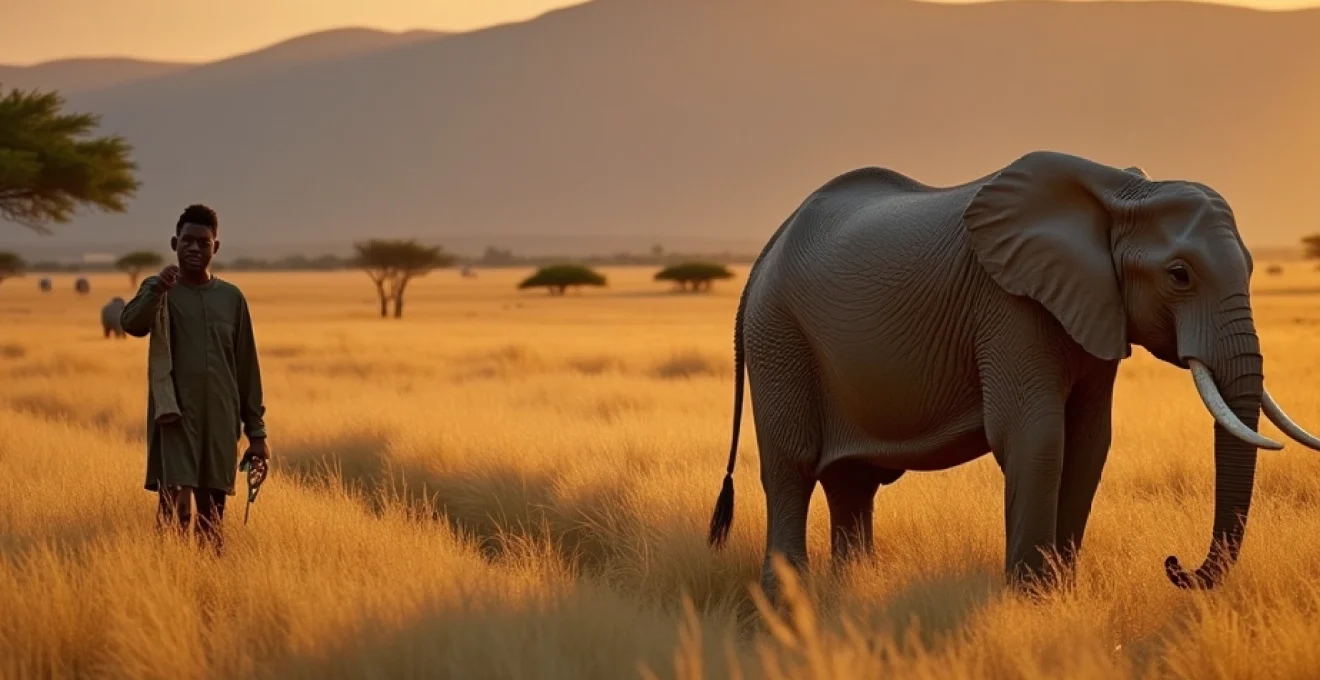
Tanzania stands as one of Africa’s premier safari destinations, offering unparalleled wildlife viewing opportunities across its diverse ecosystems. From the vast plains of the Serengeti to the concentrated wildlife density of Ngorongoro Crater, this East African nation provides experiences that transform casual tourists into passionate conservationists. The country’s 22 national parks and numerous game reserves create a wildlife sanctuary spanning over 280,000 square kilometres, making it larger than the United Kingdom.
Preparing for a Tanzanian safari requires meticulous planning that extends far beyond simply booking accommodation and flights. The success of your wildlife adventure depends on understanding complex visa requirements, seasonal migration patterns, appropriate equipment selection, and cultural sensitivities. Recent statistics indicate that Tanzania receives over 1.5 million international visitors annually, with safari tourism contributing approximately $2.4 billion to the national economy. These figures underscore the importance of proper preparation to ensure both personal safety and meaningful wildlife encounters.
The diversity of Tanzania’s safari offerings means that preparation strategies must be tailored to specific destinations and activities. Whether you’re planning to witness the Great Migration’s river crossings, track chimpanzees in remote rainforests, or experience the cultural richness of Maasai communities , each adventure requires distinct preparation protocols. Understanding these nuances will elevate your safari from a simple holiday to a transformative journey through one of the world’s last great wilderness areas.
Essential documentation and visa requirements for tanzanian wildlife reserves
Yellow fever vaccination certificate and health clearance protocols
Tanzania maintains strict health screening protocols for international visitors, particularly regarding yellow fever vaccination requirements. The yellow fever certificate becomes mandatory for travellers arriving from countries with risk of yellow fever transmission, including most of sub-Saharan Africa, parts of South America, and certain regions of Asia. This requirement extends beyond simple border control; many safari lodges and camps verify vaccination status before permitting accommodation.
The World Health Organization recognises the yellow fever vaccination as providing lifelong immunity, eliminating previous requirements for booster shots every ten years. However, the vaccination must be administered at least ten days before travel to ensure immunity development. Additionally, travellers should consider malaria prophylaxis, as Tanzania’s safari regions experience year-round transmission risk. The most effective prevention combines antimalarial medication with physical protective measures such as insect repellent and protective clothing .
Tanzania tourist visa application process and entry permits
Tanzania offers multiple visa categories designed to accommodate different safari experiences and duration preferences. The standard tourist visa permits stays of up to 90 days and costs $50 for most nationalities. While online visa applications provide convenience, many experienced safari operators recommend obtaining visas upon arrival to avoid potential processing delays that could impact travel schedules.
The visa application process requires a passport valid for at least six months beyond the intended departure date, with at least two blank pages for entry stamps. Travellers planning extended safaris or combining Tanzania with neighbouring countries should consider the East Africa Tourist Visa, which provides access to Kenya, Uganda, and Rwanda for $100. This regional visa proves particularly valuable for those tracking the Great Migration across international borders or exploring diverse primate habitats.
Travel insurance coverage for remote safari destinations
Comprehensive travel insurance becomes critically important when venturing into Tanzania’s remote safari destinations, where medical evacuation costs can exceed $50,000. Standard travel insurance policies often exclude coverage for activities deemed high-risk, including game drives, walking safaris, and cultural village visits. Specialised safari insurance policies address these gaps while providing coverage for equipment theft, trip cancellation due to political instability, and emergency medical treatment in remote locations.
Medical evacuation insurance requires particular attention, as Tanzania’s safari regions often lack advanced medical facilities within hundreds of kilometres. The Flying Doctors Society of Africa provides emergency medical evacuation services throughout East Africa, but membership costs approximately $120 annually. Many safari operators maintain partnerships with medical evacuation services, but individual coverage ensures priority treatment and transport to preferred medical facilities. Additionally, insurance should cover potential COVID-19-related disruptions, as pandemic protocols continue evolving across African destinations.
International driving permit requirements for Self-Drive safaris
Self-drive safari adventures require an International Driving Permit (IDP) in addition to a valid domestic licence. Tanzania recognises both 1968 and 1949 convention IDPs, though the 1968 version provides broader acceptance across East Africa. The IDP application process typically requires 2-3 weeks processing time and costs approximately $20, making it essential to apply well before travel dates.
Self-drive safaris demand additional preparation beyond standard documentation. Vehicle rental agreements require comprehensive insurance coverage, including third-party liability and collision damage waiver protection. Many rental agencies mandate GPS navigation systems and satellite communication devices for safety in remote areas. Understanding Tanzania’s traffic regulations becomes crucial, as driving standards differ significantly from Western countries, and wildlife encounters on roads require specific protocols to ensure both human and animal safety.
Strategic safari itinerary planning for serengeti and northern circuit parks
Optimal game drive timing for big five sightings in ngorongoro crater
Ngorongoro Crater represents one of Africa’s most concentrated wildlife viewing areas, with over 25,000 large mammals inhabiting the 260-square-kilometre caldera floor. Early morning game drives between 6:30 and 9:00 AM provide optimal conditions for Big Five sightings, as animals remain active before the equatorial sun reaches peak intensity. The crater’s unique microclimate creates morning mist conditions that enhance photographic opportunities while animals display natural behaviours.
Afternoon game drives between 3:30 and 6:00 PM offer different wildlife dynamics, as predators begin preparing for evening hunts. The crater’s resident black rhinoceros population, numbering approximately 30 individuals, shows increased activity during these cooler periods. Lion prides often position themselves strategically around the crater’s few water sources during late afternoon, creating predictable viewing opportunities. Wildlife photographers benefit from the golden hour lighting conditions that occur 60-90 minutes before sunset, producing dramatic silhouettes against the crater rim backdrop.
Great migration tracking patterns between serengeti and maasai mara
The Great Migration follows predictable patterns driven by rainfall distribution and grass quality across the Serengeti-Mara ecosystem. Approximately 1.5 million wildebeest, 400,000 Thomson’s gazelles, and 200,000 zebras participate in this annual clockwise movement covering over 1,800 kilometres. Understanding migration timing enables safari planning that maximises wildlife viewing opportunities while avoiding overcrowded viewing areas.
River crossing events at the Mara River typically occur between July and September, though exact timing depends on rainfall patterns and grass depletion rates. The northern Serengeti camps near Kogatende and Lamai provide prime positioning for river crossing observations. However, crossing events remain unpredictable, sometimes occurring multiple times daily or not at all for weeks. Alternative migration experiences include calving season in the southern Serengeti during February and March, when approximately 400,000 calves are born within a six-week period. This concentration of young animals attracts predators, creating exceptional wildlife interactions with fewer tourist vehicles than river crossing areas.
Tarangire national park elephant congregation seasonal schedules
Tarangire National Park hosts Tanzania’s largest elephant population, with over 3,000 individuals congregating along the Tarangire River during dry season months from June through October. These massive gatherings create some of Africa’s most spectacular elephant viewing opportunities, as family groups converge from across the greater Tarangire ecosystem. The park’s distinctive baobab trees provide iconic photographic backdrops while serving as crucial elephant feeding resources during drought periods.
Peak elephant concentrations typically occur during August and September, when river water levels reach annual minimums. Family groups display complex social behaviours during these gatherings, including greeting ceremonies, play interactions among juveniles, and coordination of feeding strategies. The park’s diverse habitats support over 550 bird species, making it Tanzania’s premier birding destination. Migratory species arrival patterns coincide with elephant congregations, creating opportunities to observe both terrestrial and avian wildlife diversity simultaneously.
Lake manyara Tree-Climbing lion behaviour observation windows
Lake Manyara National Park’s tree-climbing lions represent a unique behavioural adaptation found in only two African locations. These lions spend significant portions of their day resting in large acacia and mahogany trees, possibly as a strategy for avoiding ground-level insects or gaining elevated hunting perspectives. Optimal viewing windows occur during midday heat when lions seek shade and elevated positions for improved air circulation.
Research conducted by the Tanzania Wildlife Research Institute indicates that tree-climbing behaviour peaks between 11:00 AM and 3:00 PM, particularly during hot, dry conditions. The park’s compact size of 330 square kilometres facilitates efficient lion tracking, though sightings remain unpredictable due to the population’s small size of approximately 100 individuals. Alternative attractions include the park’s famous tree-top walkway, extending 370 metres through the canopy at heights reaching 18 metres. This elevated perspective provides unique wildlife viewing angles and exceptional bird photography opportunities.
Arusha national park colobus monkey habituation protocols
Arusha National Park supports significant populations of both black-and-white colobus and blue monkeys, with ongoing habituation programmes facilitating close-range primate observations. These programmes require specific visitor protocols to maintain animal welfare while enabling educational wildlife encounters. Group sizes are typically limited to eight individuals, and approach distances are restricted to five metres minimum to prevent stress-induced behavioural changes.
Primate tracking activities commence early morning when monkey troops emerge from overnight roosting sites to begin daily foraging activities. The park’s diverse altitude range from 1,500 to 4,566 metres creates distinct habitat zones supporting different primate densities. Montane forest areas around Ngurdoto Crater provide optimal colobus viewing opportunities, while lower elevation zones favour blue monkey encounters. Tracking success rates exceed 85% during dry season months when primate movements become more predictable around reliable water sources.
Professional safari equipment selection and packing specifications
Binoculars magnification requirements for african wildlife observation
Professional wildlife observation demands binoculars that balance magnification power with field stability and low-light performance. The optimal magnification range for African safari conditions spans 8x to 10x, providing sufficient detail resolution without excessive image shake from vehicle vibrations. Higher magnifications above 12x become impractical during mobile game drives due to increased sensitivity to movement and reduced field of view that complicates target acquisition.
Objective lens diameter significantly impacts low-light performance during dawn and dusk wildlife activities. Binoculars with 42mm objective lenses offer an ideal compromise between light-gathering capability and portability, while 50mm objectives provide superior brightness at the cost of increased weight and bulk. Roof prism designs generally offer better durability and weather resistance than porro prism alternatives, though both configurations perform adequately in typical safari conditions. Premium features such as ED (extra-low dispersion) glass and multi-layer coatings enhance image quality but may not justify additional costs for casual wildlife observers.
Camera lens selection for telephoto wildlife photography
Wildlife photography in Tanzania’s expansive landscapes requires telephoto lenses capable of isolating subjects at considerable distances while maintaining image sharpness and detail. The 300-600mm focal length range provides optimal versatility for safari photography, enabling frame-filling portraits of distant animals while retaining manageable size and weight for extended field use. Modern image stabilisation technology becomes essential for hand-held telephoto photography from moving vehicles.
Professional wildlife photographers often employ telephoto zoom lenses in the 150-600mm or 200-500mm ranges for their versatility across varying shooting conditions. Prime telephoto lenses offer superior optical quality and wider maximum apertures but lack flexibility for rapidly changing wildlife scenarios. Crop sensor cameras effectively extend telephoto reach through their inherent magnification factor, making 400mm lenses equivalent to 600mm on full-frame sensors. Backup equipment becomes crucial given Tanzania’s remote locations and limited repair facilities; many photographers carry duplicate camera bodies and essential lenses to prevent trip-ending equipment failures.
UV protection clothing and Anti-Malarial prophylaxis preparation
Tanzania’s equatorial location and high altitude safari destinations create intense ultraviolet radiation exposure that demands comprehensive sun protection strategies. Quality safari clothing incorporates UPF (Ultraviolet Protection Factor) ratings of 30 or higher, effectively blocking 97% of harmful UV radiation. Long-sleeved shirts and trousers provide superior protection compared to chemical sunscreens alone, while also offering protection from insects and thorny vegetation during walking safaris.
Anti-malarial prophylaxis selection depends on specific safari destinations and individual medical histories. Atovaquone-proguanil (Malarone) provides effective protection with minimal side effects but costs significantly more than alternatives like doxycycline. Chloroquine resistance occurs throughout Tanzania, eliminating this previously popular option. Prophylaxis must begin 1-3 weeks before travel depending on the specific medication, and continue for 1-4 weeks after departure from malaria-endemic areas. Physical protection measures including permethrin-treated clothing and DEET-based repellents provide additional protection layers against mosquito-borne diseases.
Effective malaria prevention combines chemoprophylaxis with behavioural modifications such as wearing long sleeves during peak mosquito activity periods and sleeping under insecticide-treated bed nets.
Portable power solutions for extended bush camp operations
Extended safari operations often involve multi-day periods without reliable electrical power, necessitating portable charging solutions for essential electronic devices. Solar power banks with capacities exceeding 20,000mAh provide sustainable charging for cameras, smartphones, and GPS devices throughout extended wilderness periods. High-efficiency monocrystalline solar panels can fully recharge power banks during single daylight periods under optimal conditions.
Professional safari operators increasingly utilise portable power stations with integrated inverters capable of charging camera batteries and laptop computers. These lithium battery systems typically provide 500-1000 watt-hour capacities while maintaining reasonable portability for bush camp operations. Vehicle-based charging systems using 12V outlets enable continuous device charging during game drives, though voltage regulators prevent damage from fluctuating vehicle electrical systems. Multiple USB charging ports accommodate simultaneous device charging, while wireless charging pads eliminate cable management complications in dusty safari environments.
Accommodation categories and bush lodge selection criteria
Tanzania’s safari accommodation spectrum ranges from basic camping facilities to ultra-luxury tented camps offering five-star amenities in wilderness settings. Understanding accommodation categories enables informed decisions that align with personal comfort preferences, budget constraints, and desired wilderness immersion levels. Permanent tented camps represent the most popular category, combining comfort with authentic safari atmosphere through canvas construction and elevated positioning that enhances wildlife viewing opportunities.
Luxury safari lodges typically feature private bathrooms with hot water, electricity, and restaurant dining, though standards vary considerably across different operators and locations. Mobile camping operations provide the most flexible wildlife following capabilities but require greater self-sufficiency and tolerance for basic facilities. Many lodges now incorporate sustainable technologies including solar power systems, water recycling facilities, and locally sourced construction materials that minimise environmental impact while supporting local communities.
Location selection proves equally important as accommodation quality, as proximity to wildlife concentrations and park boundaries significantly impacts game viewing opportunities. Lodges positioned within national park boundaries offer immediate access to wildlife areas but may restrict night drives and walking safaris due to park regulations. Concession lodges outside park boundaries provide greater activity flexibility and often exclusive wildlife areas with fewer vehicles, though travel times to major wildlife concentrations may increase. Seasonal considerations affect both accommodation availability and pricing, with dry season months commanding premium rates during peak wildlife viewing periods.
Group size and party composition influence accommodation selection strategies, as many lodges specialise in specific market segments including families, photographers, or cultural enthusiasts. Family-friendly lodges incorporate safety features such as elevated walkways, child-proof barriers around elevated platforms, and specialised children’s programmes that combine education with entertainment. Photography-focused accommodations feature early morning departure capabilities, specialised vehicle modifications including beanbag rests and charging facilities, and guides trained in wildlife behaviour patterns that enhance photographic opportunities.
Cultural interaction protocols with maasai communities and local tribes
Respectful cultural interactions with Tanzania’s indigenous communities require understanding traditional protocols and contemporary sensitivities surrounding tourism engagement. The Maasai people, Tanzania’s most recognised pastoral tribe, maintain traditional lifestyles while adapting to modern economic pressures including safari tourism. Authentic cultural exchanges benefit both visitors and communities when conducted through established community tourism programmes that ensure equitable benefit distribution and cultural preservation.
Traditional Maasai customs include specific greeting protocols, dress codes, and photography permissions that visitors must observe to demonstrate respect for cultural values. Jumping ceremonies and warrior displays represent significant cultural expressions but should be experienced through community-managed programmes rather than commercialised performances that may trivialise sacred traditions
. Community visits typically begin with village elder meetings where visitors receive cultural orientation and permission protocols for photography and participation in daily activities.
Gift-giving customs require careful navigation, as inappropriate offerings can create dependency relationships or cultural misunderstandings. Cash donations should be directed through established community development funds rather than individual recipients, ensuring equitable distribution and sustainable project support. Educational materials, medical supplies, and practical tools prove more beneficial than consumable goods. Many community tourism programmes include craft purchasing opportunities that provide direct income while preserving traditional skills including beadwork, wood carving, and traditional textile production.
Language barriers often enhance cultural exchanges by encouraging non-verbal communication and shared activities that transcend linguistic differences. Basic Swahili phrases demonstrate respect for local culture and facilitate meaningful interactions. Community guides frequently speak multiple languages and serve as cultural interpreters who explain traditional practices, social structures, and contemporary challenges facing pastoral communities. Photography requires explicit permission for individuals, with many communities establishing photography fees that contribute to community development projects.
Authentic cultural experiences extend beyond tourist demonstrations to include participation in daily activities such as cattle herding, traditional cooking methods, and craft production. These immersive experiences provide genuine insight into pastoral lifestyles while generating sustainable income for community members. Visitors should prepare for basic accommodation conditions and simple meal options when staying in cultural villages, as authentic experiences prioritise cultural immersion over luxury amenities.
Wildlife conservation awareness and responsible tourism practices
Tanzania’s wildlife conservation success depends heavily on sustainable tourism practices that balance economic benefits with environmental protection. Tourism revenue contributes approximately 18% of Tanzania’s GDP, creating powerful economic incentives for wildlife conservation while funding anti-poaching operations, community development, and habitat restoration projects. Understanding conservation challenges enables safari visitors to make informed choices that support long-term wildlife protection rather than unsustainable exploitation.
Responsible wildlife viewing requires adherence to strict distance protocols that prevent animal stress and behavioural disruption. Vehicle positioning should maintain minimum 25-metre distances from most wildlife species, with greater distances required for rhinos, elephants with calves, and predators during hunting activities. Off-road driving damages fragile ecosystems and should be avoided except where specifically permitted by park authorities. Noise pollution from vehicle engines and tourist conversations can significantly impact wildlife behaviour, particularly during sensitive periods such as mating seasons and predator-prey interactions.
Conservation tourism initiatives increasingly focus on community engagement that creates economic alternatives to activities threatening wildlife populations. Trophy hunting debates continue across Tanzania, with proponents arguing that regulated hunting provides conservation funding and local employment, while opponents emphasise ethical concerns and alternative revenue models. Photographic tourism generates significantly higher long-term revenue per animal than consumptive hunting, creating economic arguments for non-consumptive wildlife utilisation strategies.
Visitor behaviour standards extend beyond wildlife interactions to include waste management, water conservation, and energy consumption practices that minimise environmental impact. Single-use plastic elimination becomes particularly important in remote areas lacking waste management infrastructure. Many lodges now implement comprehensive recycling programmes, solar energy systems, and water treatment facilities that demonstrate sustainable operation models. Supporting accommodation providers with verified sustainability certifications encourages industry-wide adoption of environmental best practices.
Every safari visitor becomes a conservation ambassador whose choices and behaviours either support or undermine Tanzania’s wildlife protection efforts.
Anti-poaching support mechanisms include direct contributions to ranger programmes, equipment funding, and technology initiatives that enhance wildlife monitoring capabilities. GPS collaring programmes, camera trap networks, and drone surveillance systems require ongoing financial support that tourism revenue can provide. Educational components of safari experiences should include conservation awareness presentations that explain current threats, protection strategies, and visitor contribution opportunities that extend beyond the immediate safari experience.
Carbon footprint considerations become increasingly important as climate change impacts wildlife habitats and migration patterns across East Africa. Flight emissions represent the largest component of most safari carbon footprints, with long-haul international flights generating approximately 2-4 tons of CO2 per passenger. Carbon offset programmes provide mechanisms for neutralising travel emissions through verified reforestation, renewable energy, and community development projects. However, emissions reduction through longer trips, regional travel combinations, and overland transportation options proves more effective than offset programmes alone.
Local community benefit maximisation requires selecting tour operators and accommodation providers that demonstrate genuine commitment to equitable benefit distribution. Employment practices should prioritise local hiring, skills development, and management training that creates career advancement opportunities for Tanzanian nationals. Many lodges now publish annual community benefit reports detailing employment statistics, local purchasing percentages, and community development project contributions that enable informed operator selection.
Wildlife research contribution opportunities enable visitors to participate in ongoing scientific studies that advance conservation knowledge. Citizen science programmes include wildlife identification databases, behaviour monitoring projects, and migration tracking initiatives that benefit from tourist observations and photography. Research camps offer specialised experiences that combine luxury accommodation with meaningful scientific participation, though these programmes typically require longer stays and higher participation fees than standard safari options.
Future conservation challenges include human-wildlife conflict resolution, habitat fragmentation mitigation, and climate adaptation strategies that will determine Tanzania’s wildlife survival prospects. Population growth and agricultural expansion continue pressuring wildlife corridors and dispersal areas outside protected zones. Tourism revenue provides crucial funding for corridor protection and community conservation incentive programmes, but sustainable solutions require long-term commitment from multiple stakeholders including government agencies, conservation organisations, and international donors.