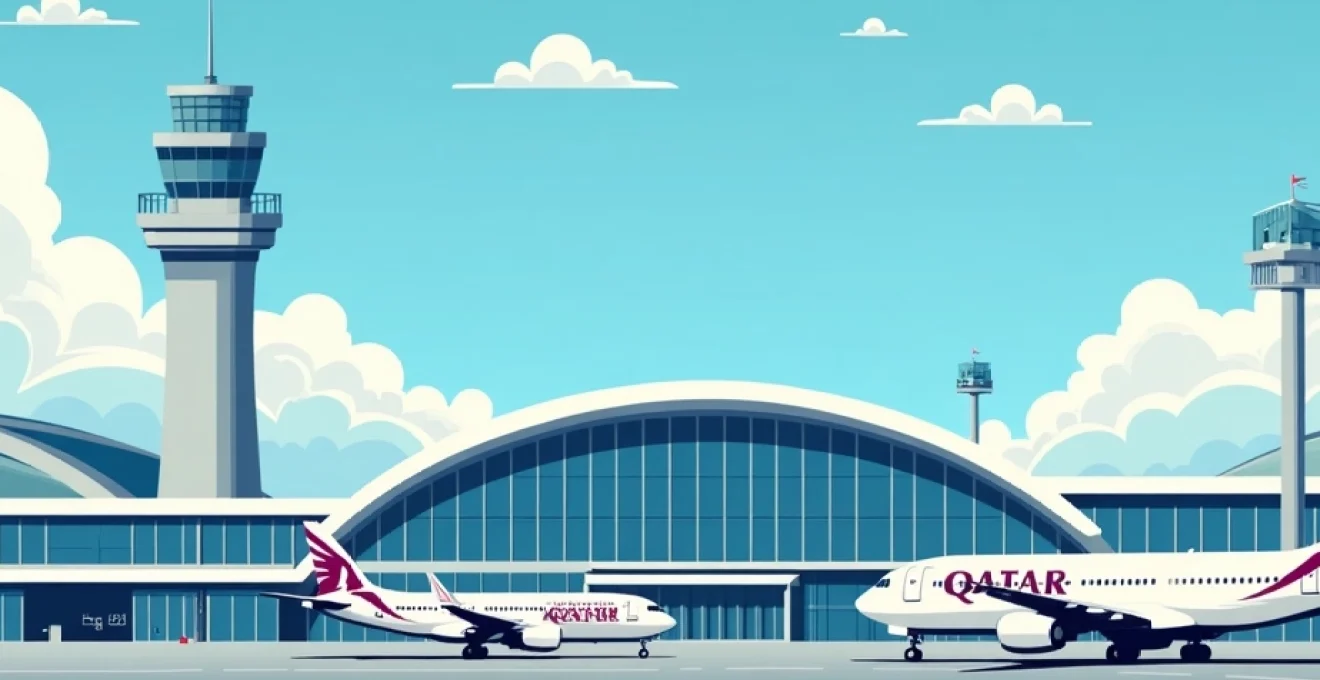
Navigating major international hub airports during layovers can transform what might be a stressful transit experience into a seamless journey. Modern aviation hubs like Doha’s Hamad International Airport and Singapore’s Changi Airport have revolutionised the layover experience, offering world-class facilities, efficient transit systems, and streamlined connection procedures. These airports serve as crucial gateways for millions of passengers annually, with Changi handling over 68 million passengers in 2019 and Hamad processing approximately 38 million travellers the same year. Understanding the intricacies of these complex transit hubs enables travellers to maximise their time, avoid missed connections, and potentially enjoy premium amenities during extended layovers.
Understanding minimum connection times and terminal configurations at doha hamad and singapore changi
Planning successful layovers begins with comprehending the fundamental operational parameters that govern airport connectivity. Minimum Connection Times (MCT) represent the shortest duration airlines consider acceptable for passengers to transfer between flights, accounting for deplaning, immigration procedures, security screening, and reaching the departure gate. These timeframes vary significantly based on whether connections involve domestic-to-international flights, international-to-international transfers, or same-airline versus interline connections.
Doha hamad international airport terminal layout and Inter-Concourse transit systems
Hamad International Airport operates as a single-terminal facility spanning three distinct concourses: A, B, and C, connected by automated transit trains and walkways. The airport’s hub-and-spoke design facilitates Qatar Airways’ extensive network operations, with most international connections requiring between 60 and 90 minutes minimum connection time. The automated people mover system efficiently transports passengers between concourses in approximately 3-4 minutes, significantly reducing transfer times compared to traditional bus shuttle services.
Concourse A primarily handles narrow-body aircraft serving regional destinations across the Middle East and South Asia, whilst Concourse B accommodates wide-body aircraft for long-haul European, Asian, and Americas routes. Concourse C focuses on premium services and additional wide-body operations. The terminal’s linear configuration ensures passengers rarely walk more than 800 metres between any two gates, making tight connections more manageable than at sprawling multi-terminal airports.
Singapore changi’s Four-Terminal complex and skytrain connectivity infrastructure
Changi Airport operates four passenger terminals (T1, T2, T3, and T4) connected by an intricate network of Skytrain services, shuttle buses, and walkways. Each terminal functions as a semi-independent hub, with specific airlines typically operating from designated terminals. Singapore Airlines and Star Alliance partners primarily utilise Terminal 3, whilst Terminal 1 serves various international carriers and Terminal 2 accommodates additional Star Alliance members and regional operators.
The Skytrain system provides 24-hour automated transit between Terminals 1, 2, and 3, with journey times of approximately 4-7 minutes between any two terminals. Terminal 4, serving budget carriers and select full-service airlines, connects to the main terminal cluster via shuttle bus services that operate every 15-20 minutes. This distributed architecture requires careful attention to terminal assignments when booking connecting flights, as inter-terminal transfers can add 30-60 minutes to total connection times.
Calculating buffer times for immigration, security, and baggage re-check procedures
Accurate layover planning necessitates understanding the cumulative time requirements for various airport procedures beyond simple walking distances. Immigration processing times fluctuate based on passenger volumes, with peak periods potentially extending waiting times to 45-60 minutes at major hubs. Security screening typically requires 15-30 minutes, though premium cabin passengers and elite status holders often access expedited lanes reducing this to 5-10 minutes.
Baggage re-check procedures add significant complexity for passengers connecting on separate tickets or travelling on specific routing combinations. Same-airline connections within alliance partnerships typically enable through-check services, eliminating the need to collect and re-check luggage. However, independent bookings or connections involving non-partner carriers may require baggage collection, customs clearance, and re-check procedures, potentially adding 60-90 minutes to total connection times.
Qatar airways hub operations and OneWorld alliance connection protocols
Qatar Airways leverages Doha’s strategic geographic position to operate one of the world’s most efficient hub-and-spoke networks, with coordinated wave departures maximising connection opportunities. The airline’s membership in the oneWorld alliance facilitates streamlined transfers for passengers connecting from American Airlines, British Airways, Cathay Pacific, and other partner carriers. Dedicated transfer desks assist passengers with tight connections, whilst priority handling ensures premium cabin passengers and elite status holders receive expedited processing.
The airline’s “Qatar Connect” service provides complimentary assistance for passengers with connections under 60 minutes, including escort services between gates and expedited security processing. This service proves particularly valuable during irregular operations or when aircraft arrive behind schedule, as Qatar Airways staff can facilitate rapid transfers that might otherwise result in missed connections.
Singapore airlines star alliance hub strategy and codeshare partner coordination
Singapore Airlines operates an extensive hub strategy at Changi, coordinating arrivals and departures to optimise connection windows for Star Alliance partners including United Airlines, Lufthansa, and Thai Airways. The airline’s sophisticated slot management ensures most connecting passengers enjoy comfortable transfer times between 90 minutes and 3 hours, balancing efficiency with passenger comfort. Codeshare agreements enable single-ticket bookings across multiple carriers, providing enhanced protection during disruptions and simplified rebooking procedures.
The “Singapore Connection” programme offers expedited transfer services for premium passengers and challenging connections, including dedicated check-in counters and priority boarding arrangements. Singapore Airlines’ ground handling partnerships ensure consistent service standards across all terminals, though transfer times vary based on specific terminal combinations and passenger volumes during peak travel periods.
Pre-travel documentation and visa transit requirements for major middle eastern and asian hubs
International layovers introduce complex documentation requirements that extend beyond simple passport validity. Transit visa regulations, health documentation, and advance passenger information systems create multiple compliance checkpoints that can significantly impact layover feasibility. Understanding these requirements prevents last-minute complications that could result in denied boarding or extended airport detention periods.
Qatar transit visa regulations for extended layovers and stopover programme eligibility
Qatar offers multiple transit visa options designed to accommodate various layover durations and passenger circumstances. The Transit Without Visa (TWOV) facility permits eligible passengers to remain in Doha for up to 24 hours without obtaining a formal visa, provided they hold confirmed onward tickets and meet specific nationality requirements. Citizens from approximately 80 countries qualify for this facility, though eligibility criteria change periodically based on diplomatic agreements and security considerations.
For extended layovers exceeding 24 hours, Qatar’s Free Transit Visa programme allows eligible passengers to stay for up to 96 hours without charge. This programme requires passengers to book through Qatar Airways and meet specific criteria including minimum layover durations and confirmed hotel reservations. The application process typically takes 24-48 hours, necessitating advance planning rather than spontaneous decisions upon arrival.
Qatar’s Stopover Programme extends these benefits further, offering packages that include accommodation, transportation, and guided tours for passengers with layovers exceeding 5 hours. These programmes transform lengthy transit periods into opportunities for cultural exploration, though they require pre-booking and may not be available during peak travel periods or special events.
Singapore’s Visa-Free transit facility and 96-hour transit without visa scheme
Singapore operates one of the world’s most liberal transit visa policies, permitting citizens from most countries to transit without visas for up to 96 hours. The Visa-Free Transit Facility (VFTF) applies to passengers transiting through Changi en route to third countries, provided they hold confirmed onward tickets departing within the permitted timeframe. This generous policy enables passengers to explore Singapore during extended layovers without complex visa applications or fees.
Qualifying passengers must satisfy several conditions including arriving and departing by air, possessing valid travel documents for their final destination, and holding tickets for onward travel within 96 hours. Certain nationalities face additional restrictions or require specific endorsements, particularly those from countries with complex diplomatic relationships or enhanced security screening requirements.
Singapore’s Electronic Arrival Card system requires all visitors, including transit passengers leaving the airport, to submit advance passenger information electronically. This process typically takes 2-3 minutes but must be completed before arrival to avoid delays during immigration processing. Failure to complete this requirement can result in extended questioning and potential entry refusal, even for passengers with valid transit rights.
Electronic travel authorization systems and advance passenger information requirements
Modern aviation security frameworks increasingly require passengers to provide detailed travel information before departure, even for simple transit connections. Electronic Travel Authorization (ETA) systems, such as those operated by Canada, Australia, and several European countries, require advance applications from visa-exempt travellers, including those merely transiting through airports.
Advance Passenger Information (API) systems collect passport details, contact information, and travel itineraries before aircraft departure, enabling security agencies to screen passengers before arrival. These systems create potential complications for passengers with complex itineraries involving multiple countries or same-day connections, as information must be accurate and complete across all flight segments.
Airlines increasingly require complete API information at check-in, with incomplete submissions potentially resulting in boarding denial, even for passengers with valid visas and confirmed reservations.
Vaccination certificate validation and health declaration protocols
Health documentation requirements fluctuate based on global health conditions, with COVID-19 pandemic responses creating particularly complex and rapidly changing protocols. Many countries require vaccination certificates, negative test results, or health declarations for entry, including transit passengers who leave airport secure areas. Digital health certificates have become standard for many destinations, though technical compatibility issues occasionally create verification challenges.
Yellow fever vaccination requirements remain mandatory for passengers arriving from or transiting through endemic areas, with strict enforcement potentially resulting in vaccination at airports or entry denial. Meningococcal vaccination requirements apply to passengers travelling to Saudi Arabia during Hajj and Umrah seasons, regardless of intended duration of stay.
Strategic booking techniques for optimal connection windows and fare class considerations
Effective layover planning begins during the initial booking process, where strategic decisions about connection windows, fare classes, and routing options establish the foundation for smooth transit experiences. Airline revenue management systems often prioritise schedule convenience over passenger comfort, requiring travellers to actively seek optimal connection windows rather than accepting default options. Understanding fare class implications for rebooking flexibility and upgrade opportunities can significantly impact the overall travel experience, particularly during irregular operations.
Connection window optimisation involves balancing multiple competing factors including minimum legal connection times, buffer allowances for potential delays, and maximising opportunities for airport amenities or city exploration. Research indicates that connections between 90 minutes and 3 hours provide optimal balance between efficiency and passenger comfort, though specific recommendations vary based on airport characteristics, airline partnerships, and passenger experience levels. Experienced travellers often prefer slightly longer connections to accommodate unexpected delays while avoiding the stress associated with tight transfers.
Fare class selection extends beyond simple price considerations to encompass rebooking flexibility, upgrade eligibility, and priority handling during disruptions. Premium economy and business class tickets typically include enhanced rebooking options, waived change fees, and priority rebooking during irregular operations. These benefits prove particularly valuable during layovers, as premium passengers receive expedited handling and greater flexibility when connections become challenging.
Multi-city booking options sometimes provide better connection windows and pricing compared to traditional round-trip or one-way reservations. Breaking complex itineraries into separate segments can unlock fare advantages and enable customised layover durations, though this approach requires careful attention to through-check availability and visa requirements. Alliance partnerships facilitate multi-segment bookings while maintaining coordinated schedules and unified customer service standards.
Strategic booking techniques can reduce total travel time by 2-4 hours while simultaneously improving comfort and flexibility, making the additional planning effort highly worthwhile for frequent travellers.
Terminal navigation systems and Real-Time flight information management
Modern airport terminals incorporate sophisticated wayfinding technologies and real-time information systems designed to streamline passenger navigation and reduce transit stress. These digital infrastructure investments reflect airports’ recognition that passenger experience directly impacts airline satisfaction scores and hub competitiveness. Understanding how to leverage these technological resources enables travellers to navigate efficiently while staying informed about potential schedule changes or gate modifications.
Doha’s digital wayfinding technology and al maha services integration
Hamad International Airport integrates multiple digital navigation systems to assist passengers throughout their transit journey. Interactive digital maps positioned throughout the terminal provide real-time directions to gates, lounges, restaurants, and other facilities, with updates reflecting current operational conditions such as temporary closures or construction impacts. The airport’s mobile application offers personalised routing suggestions based on individual flight itineraries, estimated walking times, and accessibility requirements.
Al Maha Services represents Qatar Airways’ premium assistance programme, providing dedicated support for passengers requiring additional help during connections. This service includes escort assistance between gates, priority processing through immigration and security checkpoints, and coordination with airport amenities such as lounges and duty-free shopping. Al Maha representatives carry mobile devices enabling real-time communication with airline operations centres to address schedule changes or gate modifications immediately as they occur.
Digital flight information displays throughout Hamad International update every 30 seconds, providing current departure and arrival times, gate assignments, and boarding status information. These displays integrate with passengers’ mobile devices through QR code scanning, enabling personalised notifications about specific flights and reducing the need for continuous manual monitoring of departure boards.
Changi’s ichangi mobile application and Terminal-Specific navigation tools
Singapore Changi Airport’s iChangi application provides comprehensive terminal navigation capabilities, including augmented reality wayfinding features that overlay directional arrows and facility information onto real-world camera views. The application integrates with passengers’ flight reservations to provide customised recommendations for dining, shopping, and entertainment options based on available time between connections. Real-time congestion monitoring suggests alternative routes during peak periods when certain areas experience heavy foot traffic.
Each terminal at Changi maintains specific navigation tools tailored to its unique layout and amenities. Terminal-specific applications provide detailed maps highlighting exclusive facilities, such as the Butterfly Garden in Terminal 3 or the Social Tree interactive playground in Terminal 2. These tools help passengers maximise their layover experience by identifying relevant amenities within comfortable walking distance of their departure gates.
Changi’s integration with airline systems enables automatic notification of gate changes, boarding announcements, and delay information directly through the iChangi application. This seamless connectivity reduces passenger anxiety about missing announcements while exploring terminal facilities away from their designated departure areas.
Flight information display systems and gate change notification protocols
Modern airports employ sophisticated Flight Information Display Systems (FIDS) that aggregate real-time data from multiple sources including air traffic control, airline operations centres, and ground handling companies. These systems automatically update departure and arrival information, gate assignments, and delay notifications, though the frequency of updates varies between airports. Most major hubs update FIDS information every 15-30 seconds , ensuring passengers receive current information even during rapidly evolving operational situations.
Gate change protocols typically involve multiple notification methods including updated FIDS displays, public announcements, mobile application alerts, and direct communication through airline customer service representatives. However, passengers bear ultimate responsibility for monitoring their flight status, as airports and airlines cannot guarantee that all passengers will receive direct notification of changes. Setting multiple notification methods through airline mobile applications provides the most reliable system for staying informed about schedule modifications.
Notification timing varies significantly based on operational circumstances, with some gate changes announced several hours in advance whilst others occur within 30 minutes of departure. Airlines generally prioritise notifying passengers with tight connections or special assistance requirements, though standard notification protocols may not reach all affected passengers simultaneously.
Priority lane access through elite status and premium cabin privileges
Elite status programmes and premium cabin tickets provide access to expedited processing lanes throughout the airport journey, significantly reducing transit times during layovers. These privileges typically include dedicated check-in counters, priority security screening, expedited immigration processing, and preferential boarding arrangements. The cumulative time savings from these privileges can reduce total connection times by 30-45 minutes, making previously impossible connections achievable.
Security screening privileges prove particularly valuable during peak travel periods when standard queues extend waiting times to 45-60 minutes or longer. Priority lanes typically process passengers within 10-15 minutes regardless of overall passenger volumes, providing predictable transit times that enable more confident connection planning. These benefits extend to accompanying passengers in many cases, making them valuable
for travellers with companions.Immigration priority processing reduces waiting times through dedicated queues available to business class passengers, elite status holders, and citizens of certain countries with reciprocal agreements. These expedited lanes typically process passengers within 5-10 minutes compared to 30-60 minutes in standard queues during peak periods. Understanding which privileges apply at specific airports enables strategic planning, as some facilities offer more comprehensive priority services than others.
Contingency planning for disrupted connections and alternative routing strategies
Flight disruptions represent an inevitable aspect of modern aviation, with weather conditions, air traffic control delays, mechanical issues, and crew scheduling challenges affecting approximately 20-25% of flights annually. Successful layover planning requires comprehensive contingency strategies that address potential disruptions while minimising passenger inconvenience and additional costs. Proactive contingency planning transforms potentially catastrophic missed connections into manageable inconveniences through strategic preparation and understanding of passenger rights.
Weather-related disruptions pose particular challenges for hub airports, as major storm systems can cascade delays across entire networks for 24-48 hours. Understanding seasonal weather patterns helps travellers anticipate potential complications, with winter storms affecting North American and European hubs whilst monsoon seasons impact Asian aviation networks. Building additional buffer time during high-risk weather periods provides insurance against these predictable seasonal disruptions.
Irregular operations procedures and passenger rebooking protocols
Airlines employ standardised irregular operations (IRROPS) procedures designed to minimise passenger impact during schedule disruptions, though the effectiveness of these procedures varies significantly between carriers and operational circumstances. Priority rebooking typically follows a hierarchy based on fare class, elite status, and original booking sequence, with premium passengers and frequent flyers receiving preferential treatment during limited seat availability periods. Understanding these hierarchies enables passengers to position themselves advantageously when disruptions occur.
Automated rebooking systems increasingly handle routine disruptions without human intervention, though complex itineraries or special requirements often require agent assistance. Most airlines provide mobile application notifications about rebooking options, enabling passengers to accept or modify proposed alternatives without waiting in customer service queues. These automated systems prioritise maintaining original travel dates over routing preferences, occasionally proposing connections that involve significantly longer travel times or additional stops.
Same-day rebooking options provide flexibility for passengers whose plans permit schedule adjustments, often enabling earlier departure times or more convenient routing when operational conditions improve. Airlines typically waive change fees for same-day modifications during irregular operations, though fare differences may still apply when moving to higher booking classes. Proactive rebooking requests before official cancellation announcements sometimes secure better alternatives than waiting for automatic reassignment.
Partner airline endorsement policies and interline agreement limitations
Interline agreements enable airlines to endorse tickets to partner carriers during severe disruptions, providing passengers with alternative routing options when their original airline cannot accommodate travel within reasonable timeframes. These endorsements typically require supervisory approval and apply strict limitations regarding fare classes, routing restrictions, and partner airline acceptance policies. Alliance partnerships facilitate endorsements more readily than non-partner relationships, though even alliance members maintain discretionary approval processes.
Endorsement policies vary significantly between airlines, with some carriers freely endorsing tickets during weather-related disruptions whilst others reserve endorsements for mechanical delays or crew availability issues. Premium cabin passengers and elite status holders typically receive more favourable endorsement consideration, particularly when partner airlines have available premium seats. Understanding these policies beforehand enables passengers to make informed requests rather than accepting potentially inferior rebooking options.
Partner airline acceptance of endorsed tickets depends on available capacity, operational conditions, and reciprocal agreement terms between carriers. Some airlines refuse endorsed tickets during their own operational challenges, whilst others maintain strict limitations on endorsed passenger volumes per flight. Voluntary endorsement requests during minor delays may receive rejection whilst the same requests during significant disruptions gain approval, highlighting the importance of timing and circumstances.
Compensation frameworks under EU261 and montreal convention guidelines
European Union Regulation 261/2004 provides comprehensive passenger compensation frameworks for flight delays, cancellations, and denied boarding situations affecting flights departing from EU airports or arriving in the EU on European carriers. Compensation amounts range from €250 to €600 depending on flight distance and delay duration, with additional entitlements including meal vouchers, accommodation, and communication facilities during extended delays. These regulations apply regardless of passenger nationality provided the flight operates under EU jurisdiction.
The Montreal Convention establishes international liability limits for baggage delays, damage, and loss during international travel, though compensation procedures and maximum amounts vary between signatory countries. These provisions prove particularly relevant during layover disruptions when baggage fails to transfer correctly or passengers require emergency purchases due to extended delays. Understanding documentation requirements and claiming procedures expedites compensation processing following qualifying incidents.
Extraordinary circumstances exceptions potentially exempt airlines from EU261 compensation obligations, though the definition and application of these exceptions continue evolving through European court decisions. Weather-related cancellations typically qualify for extraordinary circumstances exemptions, whilst mechanical issues or crew scheduling problems generally maintain passenger compensation rights. Detailed documentation of circumstances supporting compensation claims strengthens passenger positions during disputes with airline customer service representatives.
Emergency accommodation provisions and duty of care obligations
Airline duty of care obligations require carriers to provide accommodation, meals, and transportation during overnight delays caused by factors within their operational control. These provisions apply differently for international versus domestic travel, with international regulations generally providing more comprehensive passenger protections than domestic equivalents. Understanding specific duty of care terms within ticket contracts enables passengers to request appropriate assistance rather than accepting inadequate alternatives.
Hotel accommodation standards vary significantly between airlines and circumstances, ranging from premium airport hotels to basic budget facilities depending on availability and passenger volumes. Some airlines maintain preferred hotel partnerships ensuring predictable accommodation standards, whilst others utilise available inventory without regard to facility quality. Premium cabin passengers and elite status holders often receive upgraded accommodation when available, though these preferences may not apply during major disruption events affecting hundreds of passengers simultaneously.
Meal allowances during extended delays typically involve voucher systems for airport restaurants, though passengers may receive cash allowances when suitable food options are unavailable. Transportation provisions between airports and accommodation facilities remain airline responsibilities, though passengers bear responsibility for reaching designated pickup locations. Emergency contact procedures enable family members to receive updates about passenger welfare during extended disruption periods affecting communication capabilities.
Maximising layover experience through premium lounges and transit hotel facilities
Extended layovers present unique opportunities to enhance travel experiences through strategic utilisation of premium airport amenities, transforming potentially tedious waiting periods into productive or rejuvenating interludes. Modern hub airports invest heavily in passenger experience facilities, recognising that superior amenities drive airline partner satisfaction and passenger loyalty. Understanding access requirements and facility offerings enables travellers to make informed decisions about layover duration and routing preferences that maximise comfort and productivity.
Premium lounge networks have expanded significantly beyond traditional airline-operated facilities to include independent operators, credit card partnerships, and day-use programmes accessible to economy class passengers. These facilities typically provide comfortable seating, complimentary food and beverages, business centres, shower facilities, and quiet environments conducive to rest or work. Priority Pass, LoungeKey, and similar programmes democratise lounge access regardless of ticket class or airline affiliation, making premium amenities accessible to strategic travellers.
Transit hotel facilities within airport secure areas eliminate the complexity of immigration procedures whilst providing genuine accommodation services for passengers with extended layovers. Singapore Changi’s Ambassador Transit Hotel, Dubai International’s Snooze Cube, and similar facilities offer hourly room rentals with shower facilities, comfortable bedding, and privacy enabling quality rest between flights. These facilities prove particularly valuable for passengers crossing multiple time zones who require sleep adjustment before continuing their journeys.
Spa and wellness services at major hub airports provide opportunities for physical and mental rejuvenation during long travel days. Professional massage therapy, facial treatments, and fitness facilities help combat jet lag whilst improving overall travel comfort. Many airports offer express services designed specifically for time-constrained travellers, providing significant wellness benefits within 30-60 minute service windows compatible with layover schedules.
Strategic layover planning transforms necessary transit time into opportunities for rest, productivity, and cultural exploration, making long-haul travel more enjoyable and less physically demanding for experienced travellers.
Cultural and entertainment amenities at airports like Singapore Changi, Seoul Incheon, and Doha Hamad provide engaging distractions during extended layovers. Art exhibitions, cultural performances, shopping districts, and recreational activities offer alternatives to traditional airport waiting experiences. Researching available amenities beforehand enables passengers to plan layover activities that align with personal interests whilst maintaining awareness of departure schedules and gate locations.
Dining experiences at premium hub airports increasingly rival destination restaurants, with celebrity chef partnerships, local cuisine specialists, and fine dining establishments providing memorable culinary experiences during layovers. These establishments often accommodate time-sensitive travellers with express service options whilst maintaining food quality standards. Understanding restaurant locations, reservation requirements, and service timing helps passengers plan satisfying meals that enhance rather than complicate their transit experience.