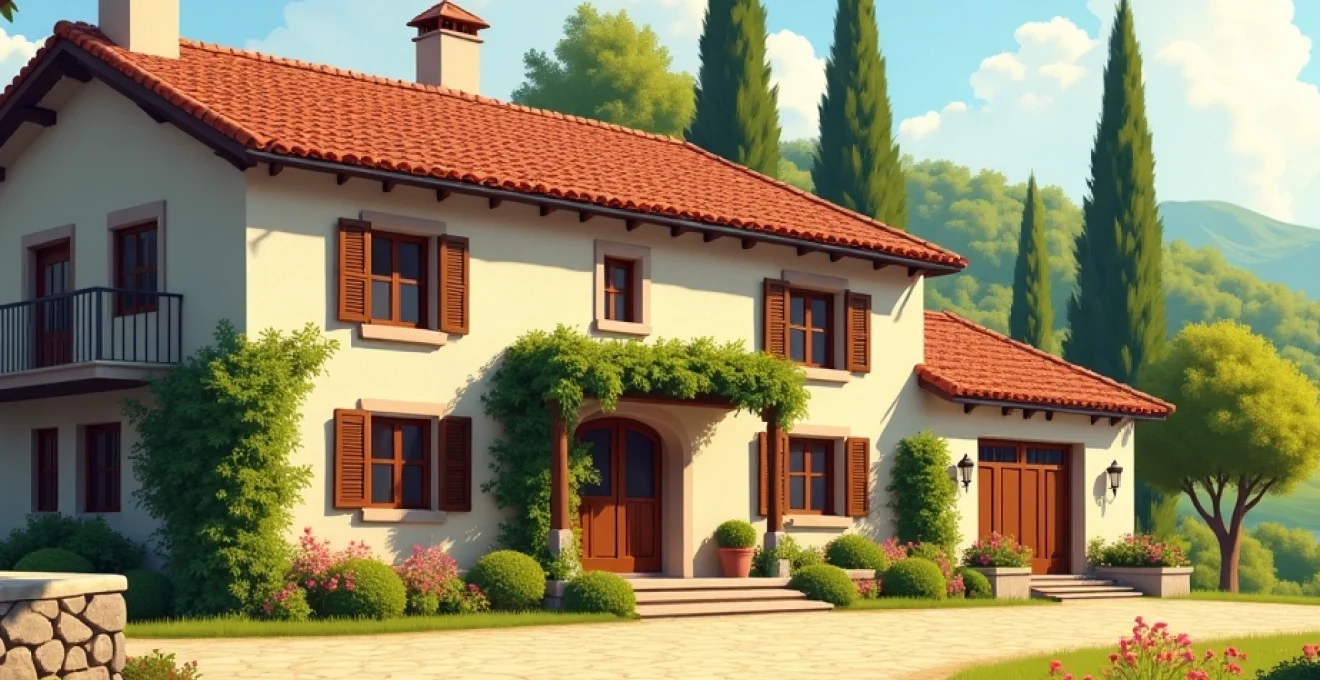
Rural Italy offers an unparalleled opportunity to experience authentic Italian culture away from crowded tourist destinations. The countryside presents a tapestry of working farms, historic estates, and family-run accommodations that provide genuine insights into local traditions and agricultural practices. Finding truly authentic guesthouses requires understanding the complex classification systems that govern rural hospitality in Italy, along with recognising the distinctive characteristics that separate genuine agriturismo properties from commercial establishments masquerading as authentic experiences.
The Italian countryside accommodation landscape encompasses various property types, each with specific legal requirements and cultural significance. From the trulli houses of Puglia to the cascina farmhouses of Piedmont, these properties offer immersive experiences that connect visitors with Italy’s agricultural heritage. Understanding how to identify and verify authentic rural accommodations ensures you experience the genuine warmth of Italian hospitality whilst supporting local communities and sustainable tourism practices.
Agriturismo classification systems and authentic rural accommodation types
Italy’s agriturismo sector operates under a comprehensive regulatory framework that distinguishes authentic agricultural hospitality from conventional tourism establishments. The classification system ensures that properties maintain their primary function as working farms whilst offering accommodation services that complement rather than replace agricultural activities. This dual purpose creates the foundation for authentic rural experiences that showcase Italy’s agricultural traditions and regional food culture.
Traditional agriturismo regulations under italian law 96/2006
Law 96/2006 establishes the fundamental framework governing agriturismo operations throughout Italy, requiring that accommodation services remain secondary to agricultural activities. Properties must demonstrate that farming, livestock breeding, or forestry constitutes their primary economic activity, with tourism services generating no more than 50% of total revenue. This regulation ensures that guests experience genuine working environments rather than themed accommodations designed solely for tourism purposes.
The legislation mandates that property owners possess agricultural qualifications or demonstrate direct involvement in farming operations for at least two years before obtaining agriturismo licensing. Properties must also maintain specific ratios between agricultural land and accommodation capacity, preventing over-development that could compromise the rural character. These requirements create authentic environments where guests observe and participate in seasonal agricultural cycles.
Masseria properties in puglia and sicily regional distinctions
Masseria properties represent fortified farmhouses unique to southern Italy, particularly Puglia and Sicily, where they served as self-sufficient agricultural communities. These historic estates typically feature thick stone walls, central courtyards, and defensive architecture reflecting centuries of agricultural and social evolution. Authentic masserie maintain their original architectural elements whilst incorporating modern amenities necessary for contemporary hospitality standards.
Traditional masserie often specialise in olive oil production, wine making, or livestock breeding, activities that guests can observe and participate in during their stays. The properties typically offer cooking classes featuring regional ingredients produced on-site, creating educational experiences that highlight the connection between land, agriculture, and cuisine. Genuine masserie maintain working relationships with local artisans, farmers, and food producers, creating networks that support regional economic development.
Borgo accommodation networks versus independent family holdings
Borgo properties consist of small village complexes or restored hamlet communities that offer accommodation within historic rural settlements. These properties range from corporate-managed resort-style developments to independently operated family holdings that maintain authentic community structures. Independent family borghi typically provide more personalised experiences and stronger connections to local culture than commercially managed alternatives.
Authentic independent borgo properties often involve multiple generations of the same family, creating continuity in management practices and deep knowledge of local traditions. These properties frequently participate in regional cultural events, maintain relationships with local artisans, and offer activities that reflect genuine community life rather than manufactured tourist experiences. Family-run borghi also tend to source food and materials locally, supporting regional economic networks and reducing environmental impact.
Cascina farmhouse structures in piedmont and lombardy
Cascina properties in northern Italy represent traditional courtyard farmhouses designed for mixed agricultural operations including dairy farming, wine production, and grain cultivation. These structures typically feature multiple buildings arranged around central courtyards, creating integrated living and working spaces that reflect centuries of agricultural evolution. Authentic cascine maintain their original architectural integrity whilst adapting spaces for contemporary comfort and safety standards.
Traditional cascina operations often focus on wine production, particularly in Piedmont’s renowned wine regions, offering guests opportunities to participate in harvest activities and learn traditional wine-making techniques. Many cascine also maintain vegetable gardens, orchards, and small livestock operations that supply ingredients for on-site restaurants. These properties frequently offer educational programmes about sustainable farming practices and regional agricultural traditions.
Regional documentation requirements for verified rural properties
Verifying authentic rural accommodations requires understanding the documentation systems that govern agricultural tourism in Italy. Each region implements specific registration and certification requirements that help distinguish legitimate agriturismo operations from conventional hospitality businesses. These documentation requirements create transparency in the booking process and enable travellers to make informed decisions about accommodation authenticity. Proper documentation verification ensures that properties meet agricultural and hospitality standards whilst supporting local economic development goals.
ISTAT municipal classification codes for rural zones
The Italian National Institute of Statistics (ISTAT) maintains municipal classification codes that categorise territories based on population density, economic activities, and geographic characteristics. Rural zone classifications include codes that identify territories with significant agricultural activity, low population density, and preserved natural environments. Properties located within these designated rural zones must demonstrate compliance with specific agricultural and environmental standards to maintain their classifications.
ISTAT codes help travellers identify accommodations located in genuinely rural areas rather than suburban properties marketed as countryside experiences. These classifications also indicate the level of infrastructure and services available in surrounding areas, helping guests prepare appropriately for their stays. Rural zone designations often correlate with protected landscape areas, ensuring that properties operate within environments characterised by agricultural heritage and natural beauty.
Camera di commercio registration database verification
Italy’s Chamber of Commerce (Camera di Commercio) maintains comprehensive business registration databases that include detailed information about agriturismo properties and their primary economic activities. These registrations specify the types of agricultural activities conducted on properties, the scope of tourism services offered, and compliance with sector-specific regulations. Database verification provides objective confirmation of property authenticity and operational legitimacy.
Chamber of Commerce registrations include information about property ownership, business history, and compliance with tax and regulatory requirements. This documentation helps identify family-owned properties versus corporate-managed establishments, enabling travellers to select accommodations that align with their preferences for authentic experiences. Registration data also indicates the scale of agricultural operations, helping guests understand the working environment they will encounter.
Certificazione biologica documentation for working farms
Organic certification documentation provides additional verification of property authenticity and commitment to sustainable agricultural practices. Certified organic farms must undergo regular inspections and maintain detailed records of production methods, creating transparency about their agricultural operations. Properties with organic certification often offer enhanced educational opportunities about sustainable farming and environmental stewardship.
Organic certification requirements include specific standards for livestock welfare, soil management, and pest control that reflect traditional agricultural practices adapted for contemporary environmental concerns. These standards often align with visitor interests in sustainable tourism and authentic food experiences. Certified organic properties frequently participate in regional farmers’ markets and maintain direct sales relationships that demonstrate their integration into local agricultural communities.
Denominazione di origine controllata producer certifications
Properties that produce DOC or DOP certified products demonstrate high levels of agricultural expertise and commitment to traditional production methods. These certifications require compliance with specific geographic, varietal, and production standards that preserve regional food traditions and maintain product quality. DOC certification indicates properties that actively contribute to Italy’s protected food heritage and offer guests authentic tasting experiences.
Producer certifications often require multi-generational involvement in specific agricultural activities, ensuring continuity in traditional knowledge and practices. Properties with these certifications typically offer specialised educational programmes about regional food culture and production techniques. These establishments frequently maintain relationships with local processors, distributors, and restaurants that create comprehensive regional food networks.
Digital platform authentication techniques for guesthouse verification
Modern digital platforms offer sophisticated tools for verifying accommodation authenticity, but understanding how to interpret and utilise these resources effectively requires knowledge of both technological capabilities and regional characteristics. Digital verification combines automated data analysis with human insight to create comprehensive property assessments. Advanced search filters, user-generated content analysis, and cross-platform verification create multiple layers of authentication that help identify genuinely authentic rural accommodations whilst avoiding properties that prioritise marketing over substance.
Effective digital authentication requires understanding how algorithms prioritise search results and recognising the difference between authentic user reviews and manufactured testimonials. Sophisticated verification techniques involve analysing property photography for evidence of working agricultural operations, examining the consistency of information across multiple platforms, and identifying connections to local agricultural and cultural networks. These approaches help travellers navigate the increasing commercialisation of rural tourism whilst maintaining access to genuine experiences.
The most authentic rural accommodations often maintain minimal online presence, relying instead on word-of-mouth recommendations and repeat visitors who value genuine experiences over polished marketing presentations.
Digital platform authentication also involves understanding regional variations in online behaviour and marketing practices. Northern Italian properties often maintain more sophisticated online presence due to higher digital literacy and tourism infrastructure, whilst southern properties may rely more heavily on local networks and traditional communication methods. These regional differences require adjusted verification strategies that account for varying levels of digital engagement whilst maintaining focus on authenticity indicators.
Advanced verification techniques include examining property websites for evidence of actual agricultural activities, analysing social media content for seasonal variations that reflect real farming cycles, and cross-referencing contact information with regional agricultural databases. Properties that provide detailed information about their farming operations, seasonal activities, and local partnerships typically demonstrate greater commitment to authentic experiences than those focusing primarily on accommodation amenities and tourist attractions.
Geographic targeting strategies for remote italian territories
Identifying authentic rural accommodations requires strategic geographic targeting that focuses on areas with significant agricultural activity, preserved cultural traditions, and minimal tourist saturation. Remote territories often provide the most authentic experiences precisely because they maintain traditional ways of life that have been preserved through geographic isolation and continued agricultural focus. These areas typically offer deeper cultural immersion and stronger connections to local communities than more accessible tourist destinations.
Val d’orcia UNESCO heritage zone accommodation networks
The Val d’Orcia represents one of Italy’s most carefully preserved agricultural landscapes, with UNESCO protection ensuring that development remains compatible with traditional farming practices and landscape conservation. Accommodation within this zone must comply with strict architectural and environmental standards that preserve the region’s distinctive character. Properties in Val d’Orcia often participate in cooperative networks that promote sustainable tourism and agricultural education.
Val d’Orcia accommodations frequently specialise in traditional Tuscan agricultural products including pecorino cheese, honey, and olive oil, offering guests opportunities to observe and participate in production processes. The region’s cooperative structure creates opportunities for multi-property experiences that showcase different aspects of traditional agriculture whilst maintaining authentic rural character. These properties often coordinate seasonal activities that reflect agricultural cycles and regional cultural events.
Cinque terre national park affiliated properties
Properties affiliated with Cinque Terre National Park operate under strict environmental and cultural preservation requirements that ensure accommodation remains compatible with the region’s protected status. These properties typically focus on traditional agricultural practices including terraced farming, grape cultivation, and olive production that have shaped the landscape for centuries. Park affiliation provides additional verification of property commitment to sustainable practices and authentic experiences.
Cinque Terre accommodations often participate in landscape maintenance activities that preserve the region’s distinctive terraced agriculture and hiking trail networks. Properties may offer educational programmes about traditional farming techniques adapted to steep coastal terrain and participate in local festivals and cultural events that maintain community traditions. Park-affiliated properties typically maintain relationships with local producers and artisans that create comprehensive regional experience networks.
Abruzzo mountain village cooperative structures
Abruzzo’s mountain villages maintain cooperative accommodation structures that reflect traditional community organisation and shared resource management. These cooperatives often operate multiple properties within single villages, creating integrated experience networks that showcase different aspects of mountain agriculture and cultural traditions. Cooperative structures typically emphasise community involvement and cultural preservation over individual profit maximisation.
Mountain village cooperatives frequently focus on traditional activities including livestock breeding, cheese production, and seasonal crop cultivation adapted to high-altitude environments. These properties often coordinate with local festivals, religious celebrations, and agricultural events that maintain community cohesion and cultural continuity. Cooperative management structures typically ensure that tourism benefits are distributed throughout local communities rather than concentrated in individual businesses.
Maremma toscana agricultural district listings
The Maremma region’s agricultural district system organises properties according to specific production focuses including wine, olive oil, grain cultivation, and livestock breeding. District listings provide verification of property involvement in legitimate agricultural activities whilst creating networks that support cooperative marketing and educational programming. District membership indicates properties that prioritise agricultural activities and maintain connections to regional production systems.
Maremma agricultural districts often coordinate seasonal activities that showcase traditional farming practices adapted to the region’s Mediterranean climate and coastal influences. Properties within these districts typically participate in regional food festivals, farmers’ markets, and agricultural education programmes that demonstrate their integration into local economic and cultural networks. District coordination also facilitates multi-property experiences that provide comprehensive overviews of regional agricultural diversity.
Local community integration assessment methods
Authentic rural accommodations demonstrate meaningful integration into local communities through participation in regional economic networks, cultural events, and social structures that extend beyond tourism services. Community integration assessment involves evaluating property relationships with local suppliers, participation in regional festivals and traditions, and contributions to local economic development. Properties that prioritise community integration typically provide guests with more authentic experiences whilst supporting sustainable tourism models that benefit entire regions rather than individual businesses.
Effective integration assessment requires understanding regional social structures, economic relationships, and cultural practices that vary significantly across Italy’s diverse territories. Meaningful community integration involves more than purchasing local products or hiring regional staff; it requires genuine participation in community life and commitment to supporting local development goals. Properties that demonstrate authentic community integration often provide access to experiences and relationships that would be difficult for independent travellers to develop.
Authentic rural properties serve as bridges between visitors and local communities, facilitating genuine cultural exchange whilst preserving traditional ways of life and supporting regional economic sustainability.
Community integration indicators include property participation in local cooperative organisations, involvement in regional marketing initiatives, and relationships with local artisans, producers, and service providers. Properties that source significant percentages of their food and materials locally typically demonstrate stronger community connections than those relying primarily on external suppliers. Integration assessment also involves evaluating property contributions to local employment, training opportunities, and community development projects.
Advanced integration assessment techniques include examining property involvement in seasonal agricultural activities, participation in local governance and planning processes, and contributions to cultural preservation initiatives. Properties that maintain multi-generational relationships within local communities often provide guests with access to experiences and knowledge that reflect decades of accumulated cultural understanding. These relationships create opportunities for authentic cultural exchange that benefit both visitors and local communities.
Seasonal availability patterns and harvest cycle accommodation planning
Authentic agricultural properties operate according to seasonal cycles that directly influence accommodation availability, activity programming, and guest experiences. Understanding these patterns enables travellers to plan visits that align with specific agricultural activities whilst ensuring that their presence supports rather than disrupts working operations. Seasonal planning also helps manage expectations about accommodation availability, as many authentic properties prioritise agricultural responsibilities over continuous tourism operations.
Harvest cycle planning requires understanding regional agricultural calendars that vary significantly based on climate, elevation, and crop types. Tuscany’s grape harvest typically occurs in September and October, creating opportunities for visitors to participate in wine-making activities whilst requiring advance booking due to high demand. Olive harvest seasons extend from November through January, offering different experiences that showcase traditional processing methods and regional cuisine featuring fresh olive oil.
The most authentic agriturismo experiences often coincide with periods of intense agricultural activity, when properties prioritise farming operations and may limit accommodation availability to ensure adequate labour resources for essential agricultural tasks.
Northern Italy’s agricultural calendar includes spring planting seasons, summer maintenance periods, and autumn harvest activities that create distinct opportunity windows for different types of experiences. Piedmont wine regions offer truffle hunting seasons, grape harvest participation, and winter pruning activities that provide year-round engagement opportunities with agricultural cycles. Properties in these regions often coordinate accommodation availability with specific activities to maximise educational value whilst maintaining operational efficiency.
Southern Italian seasonal patterns reflect Mediterranean agricultural cycles with extended growing seasons that create different opportunity structures. Sicily’s citrus harvest extends from November through May, providing extended windows for experiencing traditional agricultural practices. Puglia’s olive harvest creates intensive activity periods that offer immersive experiences for visitors willing to participate in physically demanding agricultural work.
Seasonal availability planning also involves understanding how weather patterns, religious holidays, and local festivals influence accommodation availability and pricing structures. Many authentic properties close during winter months to focus on equipment maintenance, family time, and planning for upcoming agricultural seasons. These closures reflect genuine agricultural priorities rather than tourism convenience, providing additional verification of property authenticity and commitment to primary agricultural functions.