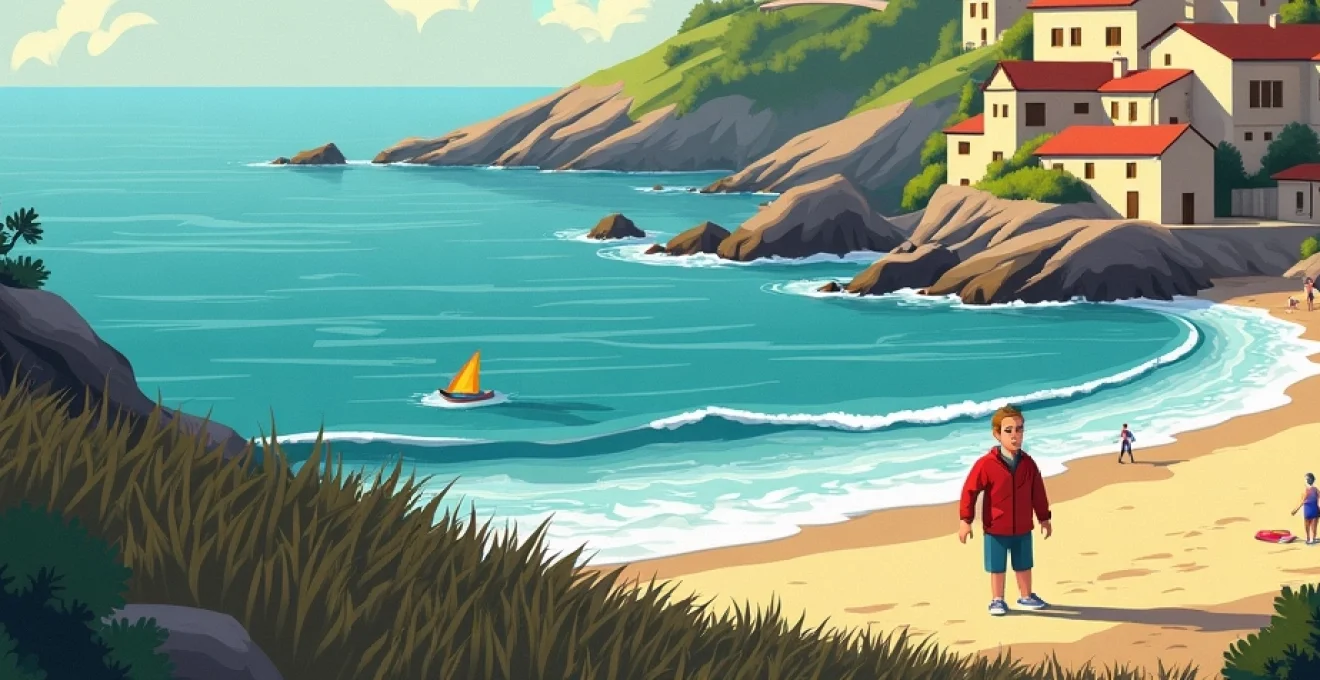
The French Basque Country represents one of Europe’s most distinctive cultural regions, where Atlantic coastlines meet Pyrenean foothills in a landscape that has preserved its unique identity across millennia. This southwestern corner of France offers visitors an extraordinary blend of gastronomic excellence, architectural heritage, and natural beauty that extends far beyond typical tourist experiences. From the elegant Belle Époque resorts of Biarritz to the traditional etxe farmhouses nestled in mountain valleys, the region provides sophisticated travellers with opportunities to engage deeply with authentic Basque culture whilst enjoying world-class amenities and cuisine.
What sets the French Basque Country apart from other European destinations is its commitment to preserving traditional ways of life alongside modern luxury. The region’s three provinces—Labourd, Basse-Navarre, and Soule—each offer distinct experiences, from the cosmopolitan coastal resorts to the remote highland villages where Euskera remains the primary language. This cultural authenticity, combined with exceptional accessibility and infrastructure, makes the French Basque Country an ideal destination for discerning travellers seeking both comfort and genuine cultural immersion.
Strategic base selection: Saint-Jean-de-Luz and bayonne accommodation analysis
Selecting the optimal accommodation base determines the success of any French Basque Country exploration. The region’s compact geography allows visitors to experience both coastal and mountain environments from strategically chosen locations, maximising efficiency whilst minimising travel fatigue. Professional travel planning requires careful consideration of seasonal availability, cultural event calendars, and proximity to key attractions when selecting accommodation.
Saint-Jean-de-Luz emerges as the premier base for first-time visitors, offering exceptional access to both Spanish Basque destinations and French highland villages. The town’s position on the Nivelle estuary provides natural protection from Atlantic storms, ensuring consistent availability of outdoor activities. Additionally, the concentration of high-quality restaurants and cultural sites within walking distance reduces dependence on vehicle transportation, particularly valuable during peak summer periods when parking becomes challenging in smaller villages.
Belle époque hotels in Saint-Jean-de-Luz historic quarter
The historic quarter of Saint-Jean-de-Luz houses some of France’s finest Belle Époque properties, many of which have maintained their original architectural features whilst incorporating modern luxury amenities. These establishments typically occupy prime positions overlooking the bay or the town’s famous pedestrian streets, providing guests with immersive cultural experiences from the moment they arrive. Properties such as the Grand Hôtel Thalasso & Spa and the Hôtel de la Plage offer direct beach access combined with spa facilities that utilise the region’s renowned seawater therapy traditions.
The advantage of staying within the historic quarter extends beyond convenience to encompass cultural authenticity. Guests can participate in early morning fish auctions at the harbour, observe traditional Basque pelota matches in the town’s fronton, and attend evening concerts in the Church of Saint John the Baptist where Louis XIV married Maria Theresa of Austria. These experiences provide insights into Basque culture that remain inaccessible to day visitors, creating deeper connections with the region’s heritage.
Bayonne’s medieval district boutique properties
Bayonne’s medieval district offers an alternative base strategy, particularly appealing to visitors prioritising cultural immersion over coastal activities. The city’s position at the confluence of the Adour and Nive rivers created natural trade advantages that persist today, resulting in exceptional restaurant density and artisanal food production. Boutique hotels within the medieval quarter, such as the Villa Koegui and the Ibis Styles Bayonne Centre, provide intimate settings that reflect the city’s architectural heritage whilst offering modern comfort standards.
The strategic advantage of Bayonne accommodation lies in its position as the cultural capital of the French Basque Country. The city hosts numerous festivals throughout the year, including the famous Fêtes de Bayonne in late July and early August, when accommodation elsewhere becomes scarce and expensive. Additionally, Bayonne’s train connections to Paris and Bordeaux make it an excellent choice for visitors incorporating the Basque Country into broader French itineraries.
Biarritz luxury resort positioning for day excursions
Biarritz maintains its reputation as the region’s most luxurious destination, with palace hotels and exclusive resorts that cater to international clientele seeking premium amenities. The Hôtel du Palais, originally built as a summer residence for Empress Eugénie, exemplifies the city’s commitment to maintaining Belle Époque grandeur whilst incorporating contemporary luxury standards. These properties offer comprehensive concierge services that can arrange specialised excursions throughout the region, from private wine tastings in Irouléguy vineyards to helicopter tours of the Pyrenean peaks.
However, Biarritz accommodation comes with strategic considerations that may not suit all travel styles. The city’s international profile results in higher costs and larger crowds, particularly during summer months and surf competitions. Additionally, the focus on luxury amenities may distance visitors from authentic Basque cultural experiences available in smaller communities. These factors make Biarritz most suitable for travellers prioritising comfort and convenience over cultural immersion.
Cambo-les-bains thermal resort integration strategies
Cambo-les-Bains represents a unique accommodation strategy that combines wellness tourism with cultural exploration. The town’s thermal springs have attracted visitors since Roman times, and modern spa resorts utilise these natural resources to create comprehensive wellness programmes. Properties such as the Arnaga Hotel and the Bellevue Hotel offer therapeutic treatments alongside access to the region’s hiking trails and cultural sites, appealing to visitors seeking both relaxation and active exploration.
The strategic advantage of Cambo-les-Bains lies in its position between coast and mountains, providing equal access to beach activities and highland adventures. The town’s elevation offers cooler temperatures during summer months, making it particularly attractive for visitors sensitive to coastal humidity. Additionally, the presence of Edmond Rostand’s villa, now a museum, adds literary heritage to the town’s wellness offerings, creating a unique combination of cultural and therapeutic experiences.
Gastronomic immersion: Michelin-Starred establishments and traditional etxe dining
The French Basque Country’s gastronomic landscape represents one of Europe’s most sophisticated regional cuisines, where traditional Basque techniques merge with French culinary refinement to create distinctive flavour profiles. This culinary excellence spans from Michelin-starred establishments that reinterpret classic dishes to traditional etxe farmhouses where recipes have remained unchanged for generations. Understanding the region’s culinary hierarchy and seasonal availability ensures optimal dining experiences that reflect authentic Basque food culture.
Professional gastronomy in the French Basque Country follows strict seasonal patterns that dictate menu availability and preparation techniques. Spring brings piment d’Espelette plantings and early seafood varieties, summer showcases tomato-based dishes and grilled preparations, autumn celebrates mushroom foraging and game hunting, whilst winter emphasises preserved meats and hearty stews. This seasonality affects restaurant operations significantly, with many establishments adjusting their offerings and operating schedules to align with ingredient availability.
L’auberge basque’s Three-Star culinary philosophy in Saint-Pée-sur-Nivelle
L’Auberge Basque stands as the region’s most celebrated culinary destination, where Chef Cédric Béchade has earned three Michelin stars through innovative interpretations of traditional Basque ingredients. The restaurant’s philosophy centres on terroir expression, utilising exclusively regional products to create dishes that reflect the French Basque Country’s geographical and cultural identity. This approach requires extensive collaboration with local producers, from Ossau-Iraty cheese makers to Espelette pepper cultivators, ensuring ingredient authenticity whilst supporting traditional agricultural practices.
The dining experience at L’Auberge Basque extends beyond mere consumption to encompass cultural education through food. Each dish presentation includes explanations of ingredient origins, preparation techniques, and cultural significance, transforming meals into immersive cultural experiences. The restaurant’s wine programme exclusively features French Basque and neighbouring Béarn appellations, providing guests with comprehensive regional wine education that complements the culinary offerings. Reservations typically require 2-3 months advance booking, particularly during summer and autumn seasons when ingredient quality peaks.
Kaiku restaurant’s innovative pintxos techniques in Saint-Jean-de-Luz
Kaiku Restaurant represents the evolution of traditional Basque pintxos culture through contemporary techniques that maintain authentic flavours whilst incorporating modern presentation styles. Chef Mikel Saldise applies molecular gastronomy principles to classic Basque preparations, creating visually striking small plates that honour traditional recipes whilst surprising diners with unexpected textures and temperature contrasts. This approach has earned the restaurant recognition as one of France’s most innovative pintxos destinations.
The restaurant’s tasting menu format allows diners to experience the full spectrum of Basque flavours through carefully sequenced small plates that build complexity throughout the meal. Traditional ingredients such as txuleta beef, Bayonne ham, and Landes duck receive contemporary treatments that enhance their natural characteristics rather than masking them. The wine pairing programme emphasises natural and biodynamic producers from the region, reflecting the restaurant’s commitment to sustainable gastronomy practices that support local agricultural communities.
Traditional etxe farmhouse dining in sare and ainhoa villages
Traditional etxe farmhouse restaurants provide the most authentic Basque dining experiences, where multi-generational families prepare meals using recipes and techniques passed down through centuries. These establishments operate on fixed-menu formats that reflect seasonal ingredient availability and traditional preparation methods, offering visitors insight into genuine Basque food culture. Villages such as Sare and Ainhoa host several family-operated restaurants that maintain these traditions whilst accommodating contemporary dining expectations.
The etxe dining experience typically begins with house-cured charcuterie and local cheeses, followed by seasonal vegetables prepared using traditional techniques such as wood-fire grilling or clay pot cooking. Main courses emphasise local proteins, including grass-fed beef from highland pastures, line-caught fish from the Bay of Biscay, and free-range poultry from family farms. These meals provide cultural immersion opportunities, as proprietors often share stories about ingredient sources, family history, and village traditions during service.
Bayonne’s halles market artisanal producer networks
Bayonne’s central market, Les Halles, functions as the region’s primary hub for artisanal food production, where traditional producers sell directly to consumers and professional chefs. The market’s covered structure houses permanent stalls operated by multi-generational families who specialise in specific products, from Bayonne ham to traditional Basque cheeses. This concentration of expertise provides visitors with educational opportunities to understand ingredient quality, seasonal variations, and traditional preparation methods through direct interaction with producers.
Market visits offer practical advantages beyond cultural education, including access to products unavailable in standard retail outlets and the opportunity to observe professional chef purchasing patterns. Many market vendors provide tasting opportunities that allow visitors to compare different production methods and aging techniques, developing palate sophistication that enhances subsequent restaurant experiences. The market operates Tuesday through Saturday mornings, with Thursday and Saturday offering the fullest selection of vendors and products.
Espelette pepper AOC cultivation tours and tastings
Espelette pepper production represents one of the French Basque Country’s most distinctive agricultural traditions, protected by Appellation d’Origine Contrôlée status that ensures quality and authenticity. The pepper cultivation process requires specific climatic conditions and traditional techniques that have remained unchanged for centuries, creating opportunities for educational farm visits that demonstrate sustainable agricultural practices. These tours typically include greenhouse visits, drying process demonstrations, and comprehensive tastings that reveal the pepper’s complex flavour profile.
Professional pepper producers offer harvest participation experiences during September and October, allowing visitors to engage directly with traditional agricultural practices whilst learning about the plant’s botanical characteristics and culinary applications. These experiences include instruction in proper harvesting techniques, traditional string drying methods, and grinding processes that transform fresh peppers into the powdered spice essential to Basque cuisine. Many producers also offer cooking workshops that demonstrate proper pepper usage in traditional dishes, providing practical skills that visitors can apply in their home cooking.
Atlantic coastline activities: surfing methodology and marine ecosystem exploration
The French Basque coastline offers some of Europe’s most consistent surf conditions, combined with rich marine ecosystems that support both recreational activities and scientific research. The continental shelf configuration creates wave conditions suitable for all skill levels, from beginner-friendly beach breaks to challenging reef breaks that attract professional surfers from worldwide. This coastal environment also supports diverse marine life, including seasonal whale migrations that provide exceptional wildlife viewing opportunities for knowledgeable observers.
Professional surf instruction in the region follows internationally recognised safety protocols whilst incorporating local knowledge about tidal patterns, weather systems, and seasonal variations. Surf schools typically offer multilingual instruction that accommodates international visitors, with equipment rental programmes that include wetsuit sizing appropriate for Atlantic water temperatures. Advanced surfers can access guided sessions at more challenging breaks, where local knowledge becomes essential for safety and wave selection optimisation.
Marine ecosystem exploration extends beyond surfing to encompass tide pool investigation, coastal geology study, and seasonal bird migration observation. The region’s position along the Atlantic flyway makes it particularly significant for ornithological research, with species observation opportunities varying dramatically by season. Professional guides offer specialised tours that combine ecological education with recreational activities, providing visitors with comprehensive understanding of coastal environmental systems whilst ensuring minimal environmental impact through responsible tourism practices.
The Atlantic coastline of the French Basque Country represents one of Europe’s last unspoiled marine environments, where traditional fishing practices continue alongside modern conservation efforts to maintain ecosystem balance.
Water temperature variations throughout the year affect activity availability and equipment requirements significantly. Summer temperatures reach 20-22°C, making extended water activities comfortable with minimal thermal protection. Autumn and spring require full wetsuit protection but offer optimal wave conditions and reduced crowds. Winter surfing demands advanced thermal protection but provides access to the region’s most powerful swells for experienced surfers. These seasonal patterns create distinct visitor demographics, with families preferring summer months whilst serious surfers often choose autumn and winter periods for optimal wave conditions.
Pyrenean highland exploration: technical hiking routes and cultural heritage sites
The Pyrenean foothills of the French Basque Country provide exceptional hiking opportunities that combine challenging terrain with significant cultural heritage sites. These highland areas preserve traditional pastoral practices, ancient pilgrimage routes, and prehistoric settlements that offer insights into the region’s historical development. Technical hiking routes require proper preparation and equipment, but reward experienced trekkers with panoramic views extending from the Atlantic Ocean to the high Pyrenean peaks.
Highland exploration requires understanding of rapidly changing weather conditions, seasonal accessibility, and traditional right-of-way protocols that govern access to private pastoral lands. Many trails cross working sheep and cattle operations where respectful interaction with livestock and property becomes essential for continued public access. Professional guide services offer valuable local knowledge about route conditions, cultural sites, and traditional practices that enhance hiking experiences whilst ensuring appropriate behaviour in rural communities.
GR10 Long-Distance trail segments through pays basque terrain
The GR10 long-distance trail crosses the French Basque Country through some of its most spectacular mountain terrain, offering multi-day hiking opportunities that showcase diverse landscapes and cultural sites. Trail segments through the region typically require 4-6 days for completion, with overnight accommodation available in mountain refuges and village gîtes. These sections provide excellent introduction to Pyrenean hiking whilst maintaining access to traditional Basque villages for cultural exploration and resupply opportunities.
Trail conditions vary significantly by season and weather, with winter and spring requiring technical equipment such as microspikes or snowshoes for safe passage. Summer hiking offers optimal conditions but requires early morning starts to avoid afternoon thunderstorms common in mountain environments. The trail’s marking system follows international standards, but GPS navigation provides additional safety benefits in areas where weather conditions may obscure trail markers. Emergency communication requires satellite devices in remote sections where cellular coverage becomes unreliable.
Col d’ibardin Cross-Border trekking techniques
The Col d’Ibardin represents one of the most accessible cross-border hiking opportunities, where traditional smuggling routes have evolved into recreational trails that demonstrate the historical porosity of Pyrenean borders. These routes require understanding of modern border protocols whilst following historical pathways that connected Basque communities across political boundaries. The terrain challenges intermediate hikers with steep ascents and technical descents that demand proper footwear and trekking pole usage.
Historical significance adds cultural depth to these hiking experiences, as many routes follow ancient trade paths and pilgrimage routes that shaped regional development. Stone markers and traditional boundary monuments provide tangible connections to historical periods when these mountains served as natural barriers and cultural bridges simultaneously. Modern hikers can observe traditional farming practices that continue in highland valleys, including seasonal livestock movements and traditional hay harvesting techniques that maintain landscape character.
La rhune mountain railway engineering and summit approaches
La Rhune’s historic c
og railway provides a unique perspective on Pyrenean engineering heritage whilst offering accessible summit access for visitors of all fitness levels. The rack-and-pinion system, operational since 1924, climbs 900 metres over a distance of 4.2 kilometres through carefully engineered gradients that minimise environmental impact whilst ensuring passenger safety. This historic transport method represents early 20th-century mountain railway technology that remains relevant for sustainable tourism development in sensitive alpine environments.
Summit approaches via the traditional hiking routes require approximately 3-4 hours of steady climbing through varied terrain that includes oak forests, highland meadows, and exposed rocky sections near the peak. These routes follow ancient shepherd paths that connected highland pastures with valley villages, providing cultural context alongside physical challenge. The summit’s panoramic views encompass the entire Basque coastline, the Pyrenean chain extending into Spain, and the Landes forest stretching northward toward Bordeaux, creating one of southwestern France’s most comprehensive landscape perspectives.
The railway’s engineering significance extends beyond transportation to encompass early environmental conservation principles that influenced subsequent mountain development projects throughout the Pyrenees. The narrow-gauge construction minimised landscape disruption whilst the electric power system eliminated combustion emissions in sensitive high-altitude environments. Modern visitors can appreciate these historical innovations whilst enjoying contemporary safety features and accessibility improvements that maintain the railway’s original character whilst accommodating diverse visitor needs.
Prehistoric cave systems in sare’s geological formations
The Sare cave system represents one of Europe’s most significant prehistoric archaeological sites, where evidence of human occupation spans over 25,000 years of continuous habitation. These limestone formations house extensive galleries decorated with Palaeolithic cave paintings, prehistoric tool workshops, and ceremonial chambers that provide insights into early human cultural development in the Pyrenean region. Professional archaeological guides offer educational tours that combine geological formation explanation with prehistoric cultural interpretation, creating comprehensive understanding of early human adaptation to mountain environments.
Cave exploration requires specialised equipment and safety protocols due to the complex underground topography and sensitive archaeological features. Guided tours follow established pathways that protect fragile cave paintings whilst providing access to major chambers and geological formations. The constant cave temperature of 14°C requires appropriate clothing regardless of surface weather conditions, whilst the humidity levels necessitate waterproof equipment for photography and personal items during extended underground explorations.
Scientific research continues within the cave system through international archaeological collaborations that employ advanced dating techniques and cultural analysis methods to understand prehistoric Basque society. These ongoing investigations regularly produce new discoveries about early human artistic expression, technological development, and social organisation that contribute to broader understanding of European prehistoric cultures. Visitors can observe active research areas whilst learning about archaeological methods and the significance of cave preservation for future scientific study.
Cultural authenticity protocols: euskera language immersion and festival participation
Authentic cultural engagement in the French Basque Country requires understanding of traditional social protocols, seasonal festival calendars, and language preservation efforts that maintain Basque identity within modern French society. The region’s commitment to Euskera language education, traditional craft preservation, and festival authenticity creates opportunities for genuine cultural immersion that extends far beyond surface tourist experiences. Professional cultural guides facilitate deeper engagement with local communities whilst ensuring respectful participation in traditional activities and ceremonies.
Language immersion programmes operate throughout the region via cultural centres, traditional schools, and family-based learning opportunities that provide structured Euskera instruction alongside cultural context education. These programmes accommodate various skill levels, from basic phrase learning for tourists to intensive study programmes for serious language students. The integration of language learning with traditional activities such as pelote basque, traditional dancing, and craft workshops creates comprehensive cultural education that reinforces linguistic learning through practical application and social interaction.
Festival participation requires understanding of traditional roles, appropriate behaviour, and cultural significance that transforms spectators into participants within community celebrations. Many festivals welcome visitor participation through structured introduction programmes that explain traditional activities, provide appropriate costumes, and facilitate integration with local community groups. These opportunities create authentic cultural exchanges whilst supporting traditional festival preservation through increased community participation and cultural transmission to younger generations.
Traditional craft workshops offer hands-on learning experiences in activities such as espadrille making, traditional weaving, woodcarving, and stone carving that preserve artisanal skills whilst providing visitors with tangible cultural connections. Master craftspeople operate workshops that demonstrate traditional techniques whilst explaining cultural significance and historical context of various crafts. These experiences often include opportunities to create personal items using traditional methods, providing lasting reminders of cultural engagement whilst supporting artisanal preservation efforts.
Music and dance instruction programmes provide structured learning opportunities in traditional Basque cultural expressions that remain central to community identity and celebration. Professional instructors offer classes in traditional instruments such as the txistu (three-hole flute) and tambourin, alongside dance instruction in regional variations such as fandango and aurresku. These programmes often culminate in public performances during local festivals, providing students with authentic cultural expression opportunities whilst contributing to festival authenticity and community engagement.
Cultural authenticity in the French Basque Country emerges through respectful engagement with living traditions rather than mere observation of historical artifacts, creating meaningful exchanges between visitors and local communities that enrich both cultural understanding and traditional preservation efforts.
Transportation infrastructure optimisation: regional connectivity and cross-border mobility
Efficient transportation planning maximises exploration opportunities whilst minimising environmental impact and travel stress within the French Basque Country’s diverse geographical regions. The region’s compact size enables comprehensive exploration using various transport modes, from high-speed rail connections with major French cities to local bus networks that serve remote highland villages. Understanding seasonal service variations, cross-border protocols, and local transport customs ensures optimal mobility whilst supporting sustainable tourism practices that preserve regional character.
Rail connectivity through SNCF services provides efficient links between major Basque towns and international connections to Paris, Bordeaux, and Spanish destinations. The regional TER network offers frequent services between coastal resorts and inland cultural centres, with integrated ticketing systems that facilitate multi-modal journey planning. Summer service enhancements include additional coastal services and special tourist trains that provide scenic routes through highland areas typically inaccessible by regular passenger services.
Cross-border mobility between France and Spain operates seamlessly within Schengen Agreement protocols, though understanding of local customs procedures and currency considerations enhances travel efficiency. Bus services operated by both French and Spanish companies provide regular connections between Basque cities on both sides of the border, with integrated schedules that facilitate day-trip planning and extended exploration. Professional tour operators offer cross-border excursions that handle customs formalities whilst providing cultural interpretation and local expertise.
Bicycle infrastructure throughout the region supports both recreational cycling and practical transportation, with dedicated cycle paths connecting major towns and scenic routes through highland areas. Electric bicycle rental programmes accommodate various fitness levels whilst providing environmentally sustainable transportation options for exploration. Many accommodations offer secure bicycle storage and maintenance services, supporting cycling-based exploration strategies that provide intimate access to rural areas and traditional villages.
Local transport etiquette includes understanding of rural bus schedules that often coordinate with market days and school terms, creating service patterns that reflect community needs rather than tourist convenience. Walking remains the preferred method for historic town centre exploration, as many areas restrict vehicle access to preserve architectural heritage and maintain pedestrian-friendly environments. Professional transport planning services can coordinate complex itineraries that optimise time efficiency whilst ensuring access to remote cultural sites and natural areas that define authentic Basque Country experiences.
Private vehicle rental provides maximum flexibility for comprehensive regional exploration, though understanding of mountain driving conditions, parking limitations in historic centres, and seasonal road closures becomes essential for safe and efficient travel. Many rental companies offer specialised vehicles equipped for mountain driving and rural exploration, with GPS systems programmed for local conditions and alternative route options. Insurance considerations for cross-border travel and mountain driving require careful attention to policy details and local requirement compliance.