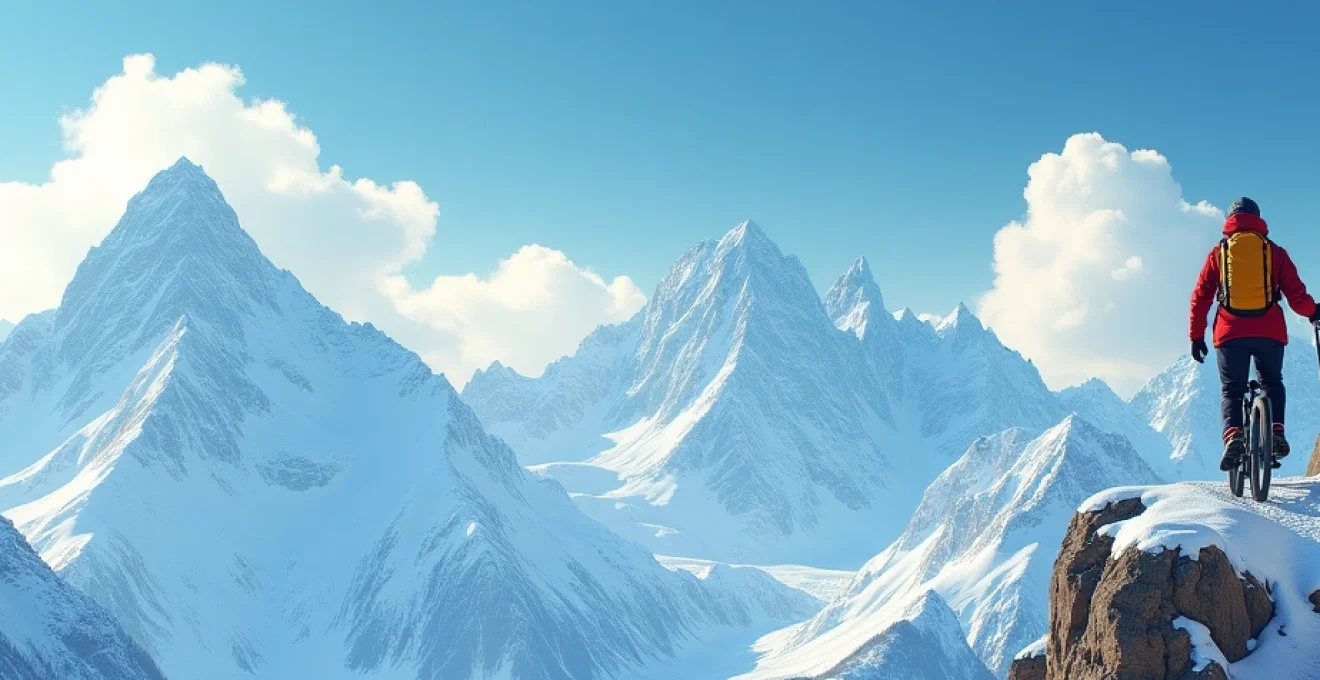
The French Alps extend far beyond their reputation as a winter sports paradise, offering an extraordinary tapestry of outdoor adventures that captivate thrill-seekers throughout the year. From technical via ferrata routes that challenge climbers against dramatic cliff faces to pristine alpine lakes perfect for water sports, this magnificent mountain range provides endless opportunities for exploration and adventure. The region’s diverse terrain encompasses everything from glacier-carved valleys to soaring peaks, creating an outdoor playground where adrenaline junkies and nature enthusiasts alike can discover their next great adventure.
Adventure tourism in the French Alps has evolved significantly, with mountain communities developing sophisticated infrastructure that supports year-round outdoor activities. Professional guide services, specialized equipment rentals, and well-maintained trail networks ensure that visitors can safely explore the region’s most challenging terrain. Whether you’re seeking the rush of descending technical mountain bike trails or the serene satisfaction of traversing high-altitude hiking routes, the French Alps deliver experiences that combine natural beauty with genuine adventure challenges.
Via ferrata routes and Multi-Pitch climbing adventures in chamonix valley
The Chamonix Valley stands as the birthplace of extreme mountaineering, offering some of Europe’s most challenging via ferrata routes and multi-pitch climbing experiences. This legendary valley combines technical difficulty with breathtaking Alpine scenery, creating climbing adventures that test both physical abilities and mental fortitude. The region’s granite spires and limestone faces provide diverse climbing opportunities, from beginner-friendly via ferrata circuits to demanding multi-day ascents that require advanced technical skills.
Aiguilles rouges nature reserve via ferrata circuits
The Aiguilles Rouges Nature Reserve hosts several spectacular via ferrata routes that showcase the dramatic topography of the Chamonix Valley. These iron-way circuits combine hiking with technical climbing sections, allowing adventurers to access previously unreachable viewpoints while maintaining safety through fixed cables and anchors. The reserve’s most popular route, the Via Ferrata des Évettes, features exposed traverses across granite cliff faces with stunning views of Mont Blanc’s north face.
Technical specifications for these routes include grade AD (Assez Difficile) sections that require good physical conditioning and comfort with exposure. The circuits typically take 4-6 hours to complete, with several escape routes available for less experienced climbers. Proper via ferrata equipment including dynamic lanyards, energy absorbers, and certified helmets becomes essential for safe completion of these challenging routes.
Dent du géant Cable-Assisted alpine ascents
The Dent du Géant represents one of the most iconic cable-assisted climbs in the Mont Blanc massif, combining technical rock climbing with high-altitude mountaineering skills. This 4,013-meter granite tower requires climbers to navigate complex route-finding while managing exposure to severe weather conditions. The ascent typically begins with the Aiguille du Midi cable car, followed by a technical glacier approach that demands proficiency in crampon techniques and rope work.
Modern climbing routes on the Dent du Géant incorporate permanent cable systems that assist with the most exposed sections while preserving the mountain’s inherent climbing challenges. Weather windows for successful ascents remain limited, with optimal conditions typically occurring during brief periods in late summer when rockfall danger decreases and temperatures stabilize.
Multi-pitch rock climbing on aiguille du midi south face
The Aiguille du Midi South Face offers world-class multi-pitch rock climbing that combines technical difficulty with high-altitude alpine conditions. These routes demand advanced climbing skills, including efficient belay techniques, route-finding abilities, and the physical endurance required for sustained climbing at altitude. The granite walls provide excellent friction and solid protection placements, though climbers must remain vigilant regarding changing weather conditions that can transform benign routes into dangerous undertakings.
Popular multi-pitch routes include classics such as the Arête des Cosmiques, which features sustained grade IV climbing across multiple pitches with spectacular exposure to the surrounding peaks. These climbs typically require dawn starts to avoid afternoon thunderstorms, with descent routes often involving complex rappels or alternative walking routes that demand familiarity with high-alpine terrain navigation.
Technical gear requirements for High-Altitude via ferrata
High-altitude via ferrata adventures in the Chamonix Valley require specialized equipment that differs significantly from standard rock climbing gear. Essential items include dynamic via ferrata lanyards rated for multiple factor-2 falls, energy-absorbing systems that prevent excessive shock loading, and helmets certified for both falling rocks and impact protection. Modern via ferrata harnesses feature gear loops positioned for easy access while maintaining comfort during extended wear periods.
Additional technical considerations include appropriate footwear with aggressive tread patterns for mixed terrain, insulation layers suitable for rapid weather changes, and emergency communication devices for remote route sections. Proper equipment selection becomes critical as rescue operations in high-alpine environments present significant logistical challenges and extended response times.
High-altitude hiking and mountaineering in vanoise national park
Vanoise National Park encompasses France’s oldest national park territory, protecting pristine alpine ecosystems while providing access to some of Europe’s most spectacular high-altitude hiking and mountaineering opportunities. The park’s extensive trail network connects traditional mountain refuges with technical climbing routes, creating a comprehensive outdoor adventure infrastructure that supports multi-day expeditions. Vanoise’s unique position between the Tarentaise and Maurienne valleys offers diverse terrain ranging from gentle alpine meadows to challenging glacier traverses.
The park’s commitment to environmental preservation ensures that hiking and climbing activities operate within strict guidelines designed to protect fragile alpine ecosystems. This balance between conservation and recreation creates authentic mountain experiences where wildlife encounters remain common and human impact stays minimal. Advanced mountaineering skills become essential for accessing the park’s most remote areas, where weather conditions can change rapidly and rescue operations face significant challenges.
GR5 Long-Distance trail sections through Pralognan-la-Vanoise
The GR5 long-distance trail through Pralognan-la-Vanoise represents one of Europe’s premier high-altitude hiking experiences, traversing diverse terrain while maintaining consistent technical challenges. This section features sustained elevation gains exceeding 1,000 meters per day, demanding excellent physical conditioning and experience with extended backcountry travel. The trail network connects traditional mountain villages with remote alpine basins, providing hikers with authentic cultural experiences alongside outstanding natural beauty.
Navigation challenges along the GR5 include route-finding through complex terrain where weather conditions can obscure trail markers and create hazardous conditions. Proper preparation includes detailed topographic map study, GPS navigation backup systems, and thorough weather forecasting to ensure safe passage through exposed high-altitude sections. The trail’s reputation attracts serious hikers from across Europe, creating a international community of outdoor enthusiasts who share knowledge and experiences along the route.
Glacier blanc technical trekking routes in écrins massif
The Glacier Blanc region within the Écrins Massif offers technical trekking routes that bridge the gap between advanced hiking and mountaineering, requiring specialized skills and equipment for safe completion. These routes traverse active glacier systems where crevasse rescue techniques and rope team travel become essential safety protocols. The area’s remote location and challenging weather patterns create an authentic alpine environment where self-sufficiency and technical competence determine expedition success.
Technical trekking routes in this region typically involve early morning starts to navigate glacier sections during optimal snow conditions, followed by technical rock scrambling that demands climbing experience. Proper glacier travel equipment including mountaineering boots, crampons, ice axes, and crevasse rescue systems becomes mandatory for safe route completion. The Glacier Blanc’s dramatic ice formations and surrounding peaks create some of the most photographed alpine scenery in France.
Alpine refuge network navigation: cabane du montet to refuge de la glière
The alpine refuge network connecting Cabane du Montet to Refuge de la Glière exemplifies the sophisticated mountain infrastructure that supports multi-day high-altitude adventures. This route traverses diverse terrain including technical rock sections, glacier crossings, and exposed ridgeline travel that tests navigation skills and weather judgment. The refuge system provides overnight accommodation and emergency shelter, though booking reservations during peak season requires advance planning.
Navigation between refuges involves complex route-finding through terrain where GPS systems may prove unreliable due to battery limitations and satellite reception issues. Traditional navigation skills using topographic maps, compass bearings, and terrain association become essential for safe travel. Weather windows for successful traverse often remain limited to brief periods when conditions align favorably across the entire route.
Crampon techniques for mer de glace glacier traverses
Mer de Glace glacier traverses require advanced crampon techniques that adapt to constantly changing ice conditions and crevasse patterns. These skills include efficient walking methods that minimize energy expenditure while maintaining security on steep ice slopes, proper ice axe positioning for self-arrest scenarios, and rope team coordination for safe crevasse crossings. The glacier’s active movement creates dynamic hazards where route conditions change seasonally and even daily.
Modern crampon technology offers various configurations optimized for different ice conditions, from flexible hiking crampons suitable for firm neve to rigid mountaineering models designed for vertical ice climbing. Proper crampon selection depends on route conditions, boot compatibility, and individual climbing experience. Training in controlled environments becomes essential before attempting glacier traverses, as crevasse falls and ice climbing emergencies require immediate technical responses.
Mountain biking and enduro cycling on alpine Single-Track trails
Alpine mountain biking in the French Alps has evolved into a sophisticated sport that combines technical riding skills with high-altitude endurance challenges. The region’s extensive trail networks cater to diverse riding styles, from cross-country adventures through pristine alpine meadows to adrenaline-fueled downhill courses that test the limits of both equipment and rider abilities. Modern trail design incorporates sustainable construction techniques that minimize environmental impact while maximizing riding enjoyment and safety.
The development of e-mountain bike technology has revolutionized alpine cycling, allowing riders to access previously unreachable terrain while reducing the physical demands of sustained climbing. This technological advancement has opened high-altitude trail networks to a broader range of cyclists, though technical descending skills remain essential for safe enjoyment of challenging alpine terrain. Professional guide services and skills coaching programs help riders develop the specialized techniques required for successful alpine mountain biking adventures.
La plagne bike park downhill circuit classifications
La Plagne Bike Park features a comprehensive downhill circuit classification system that allows riders to progress systematically through increasingly challenging terrain. The park’s green circuits provide gentle introduction to alpine mountain biking with wide, flowing trails that emphasize bike handling fundamentals and basic jumping techniques. Blue circuits introduce technical features including rock gardens, root sections, and moderate jumps that require improved bike control and line selection skills.
Red and black circuit classifications demand advanced technical skills including high-speed cornering, gap jumping, and navigation through extremely technical rock and root features. These circuits often feature natural terrain obstacles that change seasonally, requiring riders to adapt their techniques to varying conditions. The park’s lift-accessed format allows multiple runs per day, enabling rapid skill development and technique refinement under professional instruction.
Enduro world series routes in les portes du soleil
Les Portes du Soleil hosts Enduro World Series events featuring some of the most challenging timed descent sections in international mountain biking competition. These routes combine physical endurance demands with technical descending skills across varied terrain that includes alpine meadows, dense forest sections, and exposed rocky descents. The competition format requires riders to complete untimed climbing sections followed by precisely timed descents that test both speed and technical precision.
Training for these events demands specific fitness development that combines cardiovascular endurance with explosive power for technical climbing sections. Route reconnaissance becomes critical as course conditions can change dramatically between practice and race day due to weather impacts and trail wear. Professional coaching programs help amateur riders develop the specialized skills required for competitive enduro racing while maintaining safety margins appropriate for recreational mountain biking.
E-MTB technical specifications for steep gradient navigation
E-mountain bike specifications for alpine terrain require careful consideration of motor power output, battery capacity, and weight distribution for optimal performance on steep gradients. Modern e-MTB systems provide peak power outputs exceeding 750 watts , enabling sustained climbing on gradients that would challenge even elite cyclists on conventional bikes. Battery technology improvements now offer range capabilities suitable for full-day alpine adventures, though cold weather conditions can significantly reduce operational time.
Technical considerations include motor placement impacts on bike handling characteristics, with mid-drive systems generally providing superior weight distribution for technical terrain navigation. Suspension setup becomes critical as the additional weight of e-MTB systems affects both climbing traction and descending control. Professional bike fitting services help optimize positioning and component selection for individual rider requirements and local terrain characteristics.
Trail maintenance protocols in verbier alpine resort
Verbier’s trail maintenance protocols establish industry standards for sustainable alpine mountain bike trail development and ongoing maintenance. These protocols address seasonal weather impacts, user traffic management, and environmental protection requirements that preserve fragile alpine ecosystems while maintaining high-quality riding experiences. Regular trail inspections identify maintenance requirements before small issues develop into major safety hazards or environmental damage.
Maintenance teams utilize specialized equipment including mini-excavators designed for narrow trail access and hand tools optimized for precision trail work. Sustainable drainage systems prevent erosion damage during intense alpine weather events, while strategic trail routing minimizes impacts on sensitive vegetation and wildlife habitats. Volunteer trail maintenance programs engage the local mountain biking community in ongoing stewardship efforts.
Suspension setup optimisation for rocky alpine terrain
Suspension setup optimization for rocky alpine terrain requires precise tuning that balances climbing efficiency with descending control across diverse surface conditions. Modern suspension systems offer extensive adjustment capabilities including compression damping, rebound control, and air spring progression that can be fine-tuned for specific terrain characteristics. Professional suspension tuning services utilize telemetry data to analyze suspension performance and identify optimal settings for individual riding styles.
Technical considerations include altitude effects on air spring performance, with significant pressure changes occurring during extended climbing or lift-accessed descents. Temperature variations common in alpine environments also affect suspension oil viscosity and damping characteristics. Proper suspension maintenance becomes critical as alpine conditions expose suspension systems to extreme temperature ranges, moisture infiltration, and abrasive rock particles that accelerate component wear.
White-water sports and alpine lake activities in annecy region
The Annecy region combines pristine alpine lakes with dynamic river systems, creating exceptional opportunities for diverse water sports that range from peaceful lake paddling to adrenaline-pumping white-water adventures. Lake Annecy itself offers some of Europe’s cleanest and most scenic freshwater for activities including sailing, windsurfing, stand-up paddleboarding, and open-water swimming in a dramatic mountain setting. The lake’s thermal properties provide comfortable water temperatures throughout the summer months, while crystal-clear visibility enhances underwater exploration opportunities.
White-water sports enthusiasts find exceptional river running opportunities on alpine streams that drain the surrounding peaks, with snowmelt creating dynamic flow patterns that change seasonally and even daily. The region’s diverse river characteristics support everything from gentle family-friendly rafting to technical kayaking that challenges expert paddlers. Professional guide services ensure safe access to appropriate difficulty levels while providing equipment and instruction for newcomers to white-water sports.
The combination of lake and river environments creates unique training opportunities where paddlers can develop skills in controlled conditions before progressing to more challenging white-water adventures. Advanced rescue techniques become essential skills for safely enjoying the region’s more remote and technical water sports opportunities, where self-sufficiency and group rescue capabilities determine expedition safety margins.
Modern equipment technology has significantly enhanced safety and performance capabilities for alpine water sports, with innovations including lightweight rescue equipment, advanced wetsuit materials, and GPS tracking systems that improve emergency response capabilities. The development of inflatable kayak and paddleboard technology has made water sports more accessible while reducing transportation and storage challenges associated with traditional rigid equipment.
Paragliding and aerial sports from chamonix launch sites
Chamonix Valley offers world-renowned paragliding and aerial sports opportunities that combine dramatic alpine scenery with exceptional thermal conditions for extended flight durations. The valley’s unique topography creates reliable thermal updrafts and dynamic weather patterns that support both recreational flying and competitive paragliding events. Launch sites positioned at various elevations provide options suitable for different skill levels and weather conditions, from gentle training hills to challenging high-altitude departures that require advanced piloting skills.
The region hosts major international paragliding competitions that attract elite pilots from around the world, establishing technical standards and safety protocols that benefit recreational pilots. Professional flight schools offer comprehensive training programs that progress from ground handling and basic flight theory to advanced cross-country techniques and competition preparation. Weather interpretation skills become critical for safe paragliding in alpine environments where conditions can change rapidly and create dangerous flying situations.
Modern paragliding equipment
offers sophisticated wing designs with enhanced performance characteristics for thermal flying and cross-country adventures. Advanced wing technology includes improved safety features such as automatic recovery systems and enhanced stability in turbulent conditions. GPS flight computers provide navigation assistance and performance tracking that help pilots optimize their flying techniques and explore new cross-country routes safely.
Tandem paragliding flights provide newcomers with safe introduction to alpine flying while experienced instructors handle aircraft control and weather interpretation. These flights typically launch from the Aiguille du Midi or Planpraz stations, offering spectacular views of the Mont Blanc massif and surrounding peaks. Professional tandem operators maintain strict safety protocols including weight limitations, weather minimums, and equipment inspection procedures that ensure passenger safety throughout the flight experience.
Competition paragliding events in the Chamonix Valley attract international pilots who push the boundaries of cross-country flying performance. These events often feature challenging tasks that require pilots to navigate complex alpine airspace while maximizing distance and speed over predetermined courses. Advanced pilots utilize sophisticated meteorological analysis and route planning software to optimize their competition strategies and achieve maximum performance from challenging mountain flying conditions.
Winter mountaineering beyond traditional alpine skiing
Winter mountaineering in the French Alps extends far beyond traditional alpine skiing, encompassing technical disciplines that combine climbing skills with winter survival expertise in some of Europe’s most challenging mountain environments. These activities require specialized equipment, advanced technical skills, and thorough understanding of winter mountain hazards including avalanche risk assessment and cold weather injury prevention. The season typically extends from December through April, though optimal conditions often occur during brief weather windows when temperature and snow stability align favorably.
Ice climbing represents one of winter mountaineering’s most technical disciplines, with frozen waterfalls and couloirs providing vertical challenges that demand specialized equipment and advanced climbing techniques. Popular ice climbing destinations include the Mer de Glace seracs, Argentière ice falls, and numerous frozen cascades throughout the Chamonix Valley. Modern ice climbing equipment includes lightweight ice tools, technical crampons, and dynamic ropes specifically designed for ice climbing applications.
Winter ski mountaineering combines alpine skiing with mountaineering techniques, allowing access to remote peaks and challenging descents unavailable through traditional resort skiing. This discipline requires proficiency in avalanche assessment, route finding, and technical skiing on variable snow conditions. Ski mountaineering equipment includes lightweight touring skis, climbing skins for ascent traction, and avalanche safety gear including transceivers, probes, and shovels.
Alpine climbing conditions during winter months create unique challenges where technical rock climbing skills must adapt to snow and ice-covered routes. Winter alpine climbing demands efficient movement techniques, advanced cold weather clothing systems, and precise weather timing to avoid dangerous storm conditions. Many classic summer climbing routes transform completely during winter months, requiring entirely different approach strategies and technical climbing methods.
Snowshoeing and winter hiking provide accessible entry points for winter mountain exploration, though serious winter hiking requires understanding of snow stability, weather pattern recognition, and emergency shelter techniques. Modern snowshoe technology offers various designs optimized for different snow conditions and terrain types. Alpine snowshoes with aggressive traction systems enable access to steep terrain that would be impossible with traditional designs.
Winter survival skills become essential knowledge for all winter mountaineering activities, including emergency shelter construction, hypothermia prevention, and navigation in whiteout conditions. Professional winter mountaineering courses teach these critical skills alongside technical climbing instruction, ensuring that participants develop comprehensive mountain safety knowledge. Advanced practitioners often pursue international certification programs that qualify them to guide others in complex winter mountain environments.
The psychological challenges of winter mountaineering often prove as demanding as the physical and technical requirements. Extended exposure to cold conditions, limited daylight hours, and challenging weather create mental stress that can impair decision-making and increase accident risk. Mental preparation techniques including visualization, stress management, and group communication skills become essential components of successful winter mountaineering adventures.
Emergency preparedness for winter mountaineering requires comprehensive planning that addresses communication capabilities, evacuation procedures, and extended survival scenarios. Modern satellite communication devices provide emergency contact capabilities in remote locations, though battery performance degrades significantly in cold conditions. Winter mountaineering expeditions typically carry extensive emergency equipment including bivy shelters, emergency food supplies, and first aid equipment specifically designed for cold weather medical emergencies.