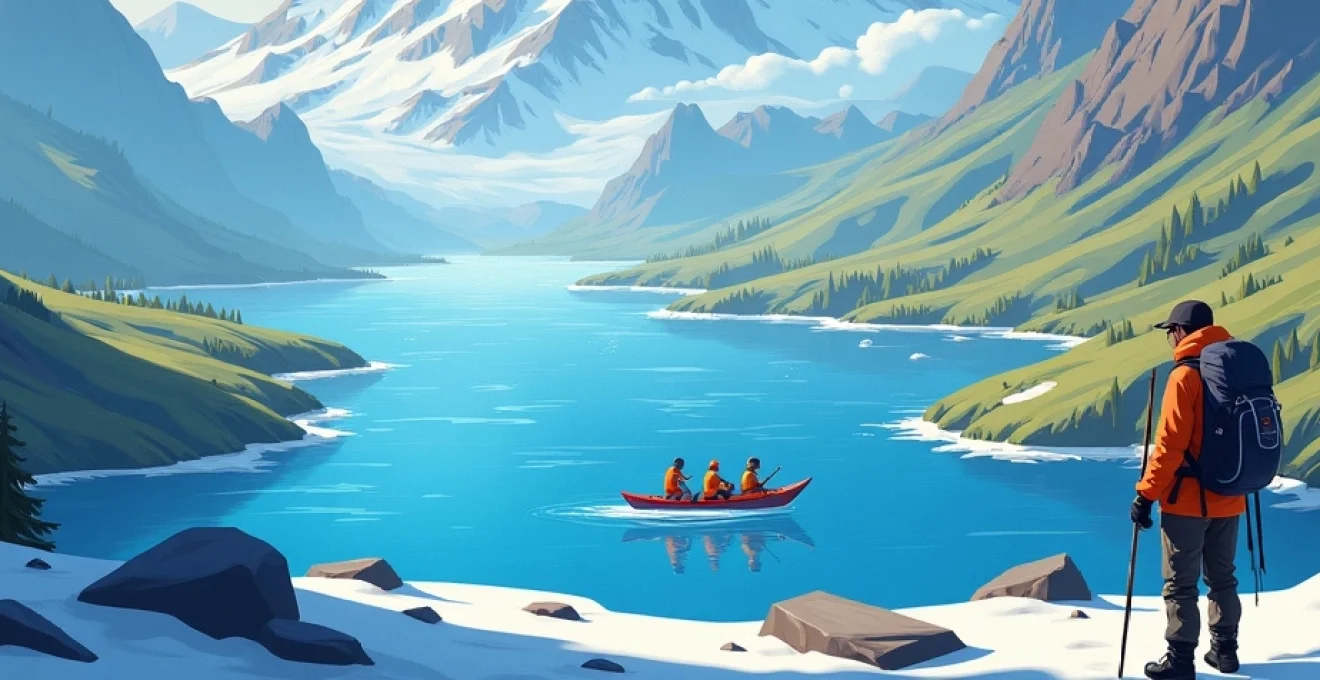
Selecting the perfect outdoor adventure for your next journey demands careful consideration of multiple interconnected factors that extend far beyond personal preference alone. The modern adventure tourism landscape presents an overwhelming array of options, from technical alpine ascents in remote mountain ranges to serene sea kayaking expeditions along pristine coastlines. Each adventure carries its own unique set of requirements, risks, and rewards that must be thoroughly evaluated before committing time, resources, and potentially your safety to the endeavour.
The complexity of adventure selection has increased significantly as destinations worldwide become more accessible, yet simultaneously more demanding in terms of technical expertise and physical preparation. Understanding how to navigate this intricate decision-making process will determine whether your adventure becomes a transformative, life-enhancing experience or a costly, potentially dangerous mistake. The investment in proper planning and selection methodology pays dividends that extend well beyond the immediate trip, establishing foundations for a lifetime of safe, rewarding outdoor pursuits.
Adventure tourism risk assessment and safety protocols
Risk assessment forms the cornerstone of responsible adventure tourism planning, requiring systematic evaluation of environmental hazards, technical challenges, and personal limitations before committing to any outdoor pursuit. Modern adventure tourism operates within a complex framework of safety protocols that have evolved through decades of experience, technological advancement, and unfortunately, lessons learned from tragic incidents in remote locations worldwide.
The risk management matrix employed by professional outdoor operators typically categorises potential hazards into four primary classifications: environmental factors (weather, terrain, wildlife), human factors (experience level, physical condition, group dynamics), equipment factors (gear quality, maintenance standards, backup systems), and procedural factors (communication protocols, evacuation procedures, decision-making frameworks). Understanding how these elements interact enables you to make informed decisions about adventure selection.
Avalanche risk evaluation in the european alps and canadian rockies
Avalanche hazard assessment represents one of the most sophisticated and critical safety protocols in mountain adventure tourism, particularly in renowned ranges such as the European Alps and Canadian Rockies where unstable snowpacks pose significant threats to backcountry travellers. Professional avalanche forecasting systems in these regions utilise comprehensive snowpack analysis, weather pattern monitoring, and historical incident data to provide daily hazard ratings on a five-level scale ranging from low to extreme risk.
The European Avalanche Warning Services coordinate across multiple nations to provide standardised avalanche bulletins that incorporate real-time observations from mountain guides, ski patrol teams, and automated weather stations positioned throughout alpine environments. Similarly, Avalanche Canada operates an extensive network of forecasting centres that produce detailed avalanche advisories for recreational backcountry users, incorporating local expertise with advanced meteorological modelling to predict snowpack stability.
White-water rafting classification systems: grade I through grade VI rapids
The International Scale of River Difficulty provides a standardised framework for assessing white-water rafting challenges, enabling adventure seekers to select appropriate river sections based on their skill level and risk tolerance. This six-grade classification system ranges from Grade I (easy, suitable for beginners) through Grade VI (extreme, runs that exemplify the limits of navigability), with each grade representing specific technical requirements and associated risk levels.
Grade I and II rapids feature relatively straightforward navigation with occasional manoeuvring required around rocks and small waves, making them ideal for families and novice paddlers seeking introductory white-water experiences. Grade III rapids demand more precise boat handling and feature irregular waves, strong currents, and moderate drops that require active participation from all crew members, representing the threshold where formal instruction becomes advisable.
High-altitude acclimatisation requirements for kilimanjaro and everest base camp
High-altitude adventures such as Mount Kilimanjaro ascents and Everest Base Camp treks require careful physiological preparation and adherence to established acclimatisation protocols to prevent potentially life-threatening altitude-related illnesses. The human body undergoes significant adaptive changes when exposed to reduced oxygen levels above 2,500 metres, necessitating gradual exposure and strategic rest days to enable successful acclimatisation.
Kilimanjaro’s various route options provide different acclimatisation profiles, with longer routes such as the Machame and Lemosho trails incorporating strategic altitude gains and losses that allow the body to adapt progressively to oxygen deprivation. The Everest Base Camp trek follows established staging protocols with mandatory rest days in Namche Bazaar and Dingboche, allowing trekkers to follow the critical “climb high, sleep low” principle that optimises physiological adaptation.
Technical climbing equipment standards: CE and UIAA certification guidelines
Professional climbing equipment must meet rigorous international safety standards established by the Conformité Européenne (CE) and Union Internationale des Associations d’Alpinisme (UIAA) organisations, which conduct extensive testing protocols to ensure gear reliability in life-critical applications. These certification systems evaluate equipment strength, durability, and performance characteristics under conditions that simulate real-world climbing scenarios and potential failure modes.
CE certification indicates compliance with European safety standards and enables legal equipment sales throughout the European Union, whilst UIAA certification represents additional voluntary testing that often exceeds minimum CE requirements. Understanding these certification markings enables climbers to make informed equipment decisions, particularly when purchasing critical safety gear such as dynamic climbing ropes, harnesses, helmets, and protection hardware.
Destination-specific activity selection based on geographical constraints
Geographical factors exert profound influence over adventure activity selection, with each destination presenting unique environmental characteristics that favour specific outdoor pursuits whilst constraining others. Successful adventure planning requires understanding how topography, climate patterns, geological features, and seasonal variations create opportunities and limitations for different activities throughout the year. This geographic awareness enables you to align your adventure goals with destinations that offer optimal conditions for your chosen pursuits.
Climate patterns, elevation profiles, and seasonal weather windows often determine the viability and safety of specific adventures in different locations. For instance, the monsoon cycles affecting the Himalayas create distinct periods when trekking conditions vary dramatically, whilst Patagonian wind patterns influence the feasibility of mountaineering attempts throughout the year. Understanding these geographical constraints prevents disappointment and potential safety issues arising from poor timing or destination selection.
Patagonian wind patterns and optimal trekking windows in torres del paine
Patagonia’s notorious wind systems significantly impact adventure planning throughout Torres del Paine National Park, with sustained winds frequently exceeding 80 kilometres per hour during certain periods, particularly between October and March when the Southern Hemisphere experiences its windiest conditions. These powerful westerly winds, generated by the interaction between Pacific weather systems and the Andes mountain barrier, create challenging conditions for camping, hiking, and mountaineering activities.
The optimal trekking windows typically occur during the shoulder seasons of late March through early May and September through early November, when wind speeds moderate and weather patterns stabilise sufficiently for comfortable outdoor camping and hiking. During these periods, average wind speeds decrease to 30-50 kilometres per hour, still substantial but manageable for experienced outdoor enthusiasts with appropriate gear and camping techniques designed for high-wind environments.
Monsoon impact analysis for himachal pradesh adventure sports
The Southwest Monsoon dramatically affects adventure tourism opportunities throughout Himachal Pradesh from June through September, bringing heavy precipitation that transforms hiking trails, river systems, and mountain access routes in ways that fundamentally alter the adventure landscape. During monsoon periods, many high-altitude trekking routes become impassable due to landslide risks, river crossings become dangerous, and visibility decreases significantly in mountain environments.
Conversely, the monsoon period creates exceptional opportunities for white-water rafting on rivers such as the Beas and Sutlej, which experience dramatically increased flow rates and technical challenge levels that attract experienced rafters from around the world. The post-monsoon period from September through November offers optimal conditions for most adventure activities, with clear skies, moderate temperatures, and settled weather patterns that provide excellent visibility for mountain views.
Tidal range considerations for sea kayaking in scotland’s inner hebrides
Scotland’s Inner Hebrides present complex tidal environments that require careful planning and local knowledge to navigate safely, with tidal ranges varying significantly between different locations and creating powerful currents that can overwhelm inexperienced paddlers. The Sound of Mull experiences tidal ranges exceeding four metres during spring tides, generating currents that can reach four knots in narrow passages between islands.
Successful sea kayaking expeditions in these waters require comprehensive understanding of tidal timing, current predictions, and weather interactions that can amplify already challenging conditions. Local tide tables provide essential information for planning launch times, crossing schedules, and camping locations that remain accessible throughout tidal cycles, whilst understanding the interaction between wind and tide helps predict sea state conditions that affect paddling safety and enjoyment.
Volcanic activity monitoring for adventures in iceland’s westfjords region
Iceland’s dynamic volcanic environment requires continuous monitoring and risk assessment for adventure tourism activities, particularly in regions such as the Westfjords where geothermal activity and potential volcanic events can rapidly alter safety conditions. The Icelandic Met Office maintains comprehensive volcanic monitoring systems that track seismic activity, ground deformation, and gas emissions from active volcanic systems throughout the country.
Adventure operators and independent travellers must incorporate volcanic risk assessments into their planning processes, understanding that volcanic activity can affect air quality, transportation routes, and overall safety in outdoor environments. Recent volcanic events, such as the Fagradalsfjall eruptions, demonstrate how rapidly volcanic activity can emerge and impact adventure tourism, requiring flexible planning and contingency protocols for evacuation if necessary.
Physical conditioning requirements and fitness assessment protocols
Physical preparation represents a critical yet often underestimated component of adventure tourism success, with inadequate conditioning leading to poor performance, increased injury risk, and diminished enjoyment of outdoor experiences. The specific physiological demands of different adventure activities vary dramatically, requiring targeted conditioning protocols that address cardiovascular endurance, muscular strength, flexibility, and activity-specific skills development.
Modern fitness assessment protocols employed by adventure tourism operators typically evaluate multiple physiological parameters including aerobic capacity, muscular endurance, balance, and movement quality to determine readiness for specific activities. These assessments help identify potential weaknesses that could compromise safety or performance, enabling targeted conditioning programmes that address individual needs. The functional movement screen has become increasingly popular for identifying movement limitations that could predispose individuals to injury during demanding outdoor activities.
Cardiovascular conditioning forms the foundation for most adventure activities, particularly those involving sustained effort at altitude or in challenging environmental conditions. Research indicates that individuals with higher aerobic fitness levels demonstrate superior performance and safety margins during high-altitude trekking, with VO2 max values above 45 ml/kg/min for men and 40 ml/kg/min for women providing adequate base fitness for most mountain adventures. However, activity-specific conditioning often proves more valuable than general fitness, with hiking-specific training including loaded carries, step-ups, and uneven terrain walking providing superior preparation compared to indoor cardio equipment alone.
Strength and stability training specifically targeting the kinetic chain involved in chosen activities enhances performance whilst reducing injury risk significantly. For hiking and trekking adventures, focused attention on hip stability, knee tracking, and ankle mobility prevents common overuse injuries that plague inadequately prepared participants. Rock climbing demands specific finger and forearm strength development, whilst kayaking requires core stability and rotational power that differs substantially from traditional gym-based training programmes.
Understanding your physical limitations before committing to challenging adventures prevents disappointment and potentially dangerous situations that arise when ambition exceeds capability.
The timeline for effective conditioning varies significantly based on current fitness levels and target adventure demands, with most experts recommending minimum 8-12 week preparation periods for major adventures such as multi-day treks or technical climbing objectives. This timeframe allows progressive overload principles to generate meaningful adaptations whilst minimising overuse injury risks associated with rapid training intensification. Individuals with sedentary lifestyles may require longer preparation periods, potentially 16-20 weeks, to develop adequate fitness foundations for demanding adventures.
Equipment procurement and technical gear specification
Equipment selection represents one of the most complex aspects of adventure tourism planning, with gear choices directly impacting safety, comfort, and performance throughout outdoor experiences. The modern outdoor equipment market presents an overwhelming array of options across multiple categories, each claiming superior performance characteristics that can make informed decision-making challenging for inexperienced adventurers.
Professional outdoor educators emphasise the importance of understanding gear systems rather than individual pieces of equipment, recognising that successful outdoor adventures depend on how different components work together to provide protection, functionality, and reliability. The layering system approach to clothing selection exemplifies this philosophy, with base layers, insulation layers, and outer shells designed to work synergistically to maintain thermal comfort across varying weather conditions and activity levels.
Mountaineering hardware: crampon compatibility and ice axe selection
Mountaineering hardware selection requires careful attention to compatibility between different components, particularly the critical relationship between crampon designs and boot construction that affects both safety and performance on technical terrain. Modern crampon systems employ various attachment mechanisms including strap-on, step-in, and hybrid designs that offer different advantages depending on intended applications and boot compatibility.
Step-in crampon systems provide the most secure attachment for technical mountaineering but require boots with specific toe and heel welts that accommodate the binding mechanisms. Ice axe selection depends heavily on intended applications, with general mountaineering axes featuring straight shafts and larger adze surfaces for cutting steps and anchoring, whilst technical ice climbing tools incorporate curved shafts and aggressive pick designs optimised for steep ice climbing.
Backcountry navigation technology: garmin InReach vs spot satellite communicators
Satellite communication devices have become essential safety equipment for remote adventure travel, with devices such as the Garmin InReach and Spot series providing emergency communication capabilities in locations beyond cellular coverage. These devices differ significantly in their functionality, service plans, and reliability characteristics that affect their suitability for different adventure applications and user requirements.
The Garmin InReach series offers two-way messaging capabilities, detailed topographic mapping, and integration with smartphone applications that enhance usability and functionality beyond basic emergency communication. Spot devices typically focus on predetermined emergency messaging and tracking functions with lower service costs but reduced communication flexibility, making them suitable for users who prioritise simplicity and cost-effectiveness over comprehensive communication capabilities.
Thermal regulation systems: merino wool vs synthetic insulation performance
Thermal regulation represents a critical consideration for adventure tourism equipment selection, with material choices significantly affecting comfort, safety, and performance across varying environmental conditions. The ongoing debate between natural merino wool and synthetic insulation materials reflects fundamental differences in thermal properties, durability characteristics, and environmental considerations that influence optimal selection for specific applications.
Merino wool provides superior odour resistance and maintains insulation properties when wet, making it ideal for extended adventures where washing opportunities are limited and moisture management is critical. Synthetic insulation materials typically offer better durability, faster drying times, and consistent thermal performance, whilst often providing superior value for occasional users who prioritise cost-effectiveness over premium natural material benefits.
Budget allocation and Cost-Benefit analysis for adventure travel
Adventure tourism involves significant financial investment that extends well beyond initial trip costs, encompassing equipment purchases, training expenses, insurance premiums, and potential gear replacement or upgrade costs that accumulate over time. Effective budget planning requires comprehensive understanding of both immediate and long-term costs associated with different adventure pursuits, enabling informed decisions about resource allocation that maximise value whilst maintaining safety standards.
The total cost of ownership approach to adventure tourism budgeting considers all expenses associated with a particular adventure pursuit over multiple trips or extended timeframes. For example, mountain climbing adventures may require initial equipment investments of £2,000-5,000 for quality gear, followed by annual maintenance costs, training expenses, and incremental upgrades that can substantially exceed initial outlays. Understanding these ongoing costs prevents budget surprises and enables more accurate trip planning.
Cost-benefit analysis for adventure tourism extends beyond simple financial calculations to include value assessments of experience quality, safety margins, skill development opportunities, and long-term enjoyment potential. Premium equipment often provides superior performance, durability, and safety characteristics that justify higher initial costs through extended service life and enhanced user experience. Conversely, entry-level gear may offer adequate performance for occasional users whilst allowing budget allocation toward professional instruction or guide services that provide greater value for skill development.
Adventure tourism operators vary significantly in their pricing structures and value propositions, with budget operators often sacrificing safety margins, guide qualifications, or equipment quality to achieve lower prices. Research indicates that adventure tourism incidents occur disproportionately with budget operators who may compromise safety protocols to maintain profit margins, making thorough operator evaluation essential regardless of budget constraints. Premium operators typically provide superior guide-to-client ratios, higher safety standards, and better equipment quality that justifies increased costs through enhanced safety and experience quality.
Investing in quality equipment and professional instruction provides dividends through enhanced safety, improved performance, and greater long-term enjoyment of outdoor adventures.
Environmental impact assessment and sustainable adventure practices
Environmental impact assessment has become an integral component of responsible adventure tourism, requiring systematic evaluation of how outdoor activities affect fragile ecosystems, local communities, and natural resources. The growing popularity of adventure tourism places increasing pressure on pristine environments worldwide, with popular destinations experiencing significant ecological degradation from overuse, improper waste disposal, and infrastructure development designed to accommodate tourist demands.
Sustainable adventure practices encompass multiple dimensions including Leave No Trace principles, carbon footprint minimisation, local community engagement, and wildlife protection protocols that ensure outdoor adventures contribute positively to conservation efforts rather than causing environmental harm. Modern adventure tourists increasingly recognise their responsibility to preserve the natural environments that provide the foundation for outdoor experiences, leading to growing demand for operators who demonstrate genuine commitment to environmental stewardship.
The carbon footprint associated with adventure tourism often exceeds that of conventional travel due to transportation requirements for reaching remote locations, specialised equipment manufacturing, and support infrastructure needed for safety and logistics. International adventure destinations frequently require multiple flights, overland transportation in remote regions, and helicopter or boat access that generates substantial greenhouse gas emissions per participant. Understanding these impacts enables conscious decision-making about destination selection, transportation methods, and trip duration that can significantly reduce environmental consequences.
Local environmental regulations vary dramatically between different adventure tourism destinations, with some regions implementing strict visitor quotas, seasonal restrictions, and mandatory guide requirements designed to minimise ecological impact. Peru’s Inca Trail system exemplifies comprehensive environmental management, limiting daily visitor numbers, requiring permits, and mandating certified guides who ensure compliance with conservation protocols. Similar systems in places like Torres del Paine and Mount Whitney demonstrate how effective regulation can preserve environmental integrity whilst maintaining adventure tourism opportunities.
Responsible adventure tourism requires balancing personal adventure goals with genuine commitment to environmental preservation and local community support, ensuring these incredible destinations remain available for future generations.
Wildlife interaction protocols represent critical considerations for adventure tourism, particularly in regions where human activities intersect with sensitive animal populations or migration patterns. Proper wildlife viewing distances, food storage requirements, and noise minimisation practices prevent disruption to natural behaviours whilst ensuring participant safety. Adventure activities in marine environments require additional considerations including coral reef protection, marine mammal interaction guidelines, and awareness of spawning seasons that affect ecosystem sensitivity to human presence.
Supporting local communities through responsible tourism practices creates positive economic impacts that incentivise environmental conservation whilst providing authentic cultural experiences for adventure tourists. Choosing locally-owned operators, purchasing equipment and supplies from local businesses, and engaging local guides provides direct economic benefits to communities who depend on healthy ecosystems for their livelihoods. This approach creates powerful alignment between adventure tourism and conservation goals, as local communities become stakeholders in preserving the natural resources that attract visitors.
Equipment disposal and replacement considerations extend environmental impact assessments beyond immediate trip activities to encompass the lifecycle costs of gear production, use, and disposal. Quality equipment that provides extended service life reduces overall environmental impact compared to cheaper alternatives requiring frequent replacement, whilst equipment rental and sharing programmes minimise individual ownership requirements. Many outdoor equipment manufacturers now offer repair services, take-back programmes, and recycling initiatives that enable more sustainable gear management throughout its useful life.
The selection process for outdoor adventures ultimately requires balancing personal goals, safety considerations, financial resources, and environmental responsibilities in ways that maximise positive outcomes across all dimensions. Successful adventure tourism planning integrates technical expertise with ethical considerations, ensuring that pursuit of personal challenge and growth contributes to broader conservation and community development objectives. This holistic approach to adventure selection creates experiences that satisfy individual adventure goals whilst supporting the long-term sustainability of the outdoor environments and communities that make such adventures possible.