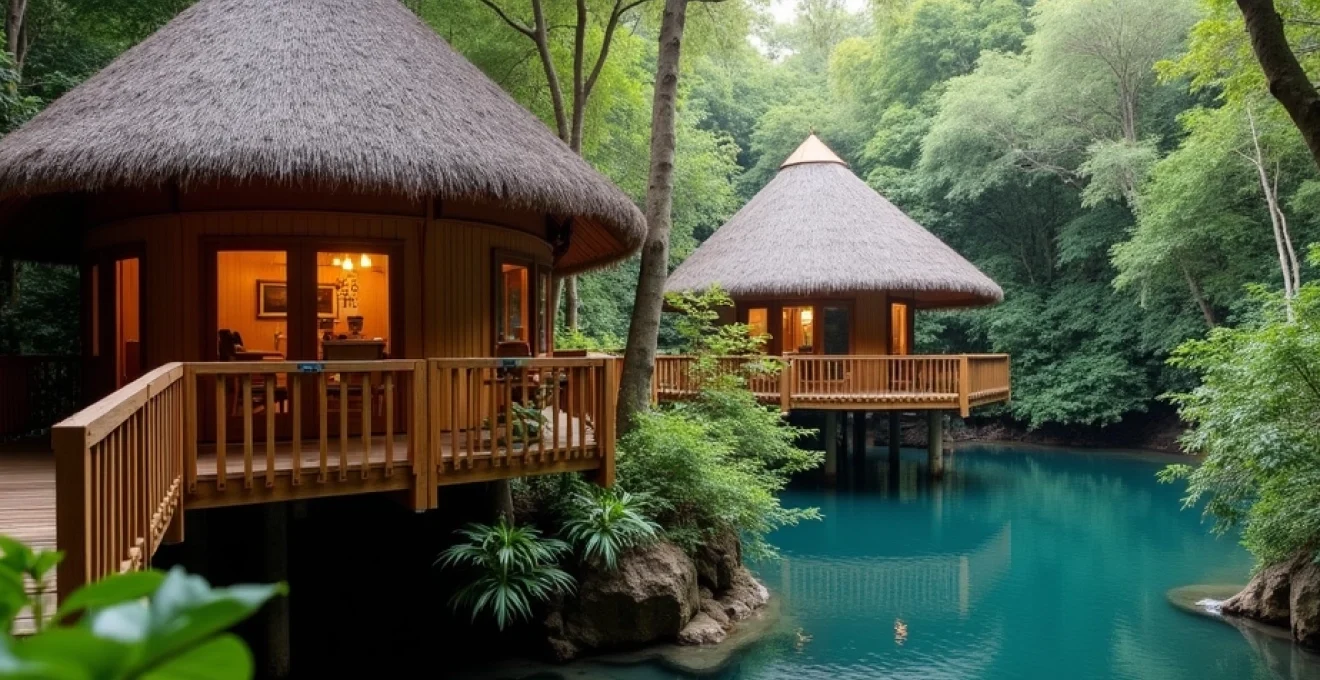
The hospitality industry has evolved dramatically beyond traditional hotels and bed-and-breakfasts, offering travellers extraordinary experiences in unconventional settings. From suspended treehouses perched high in forest canopies to luxurious cave dwellings carved into ancient rock formations, unique accommodations have transformed from novelty offerings to sought-after travel experiences. These distinctive lodging options provide more than just a place to sleep—they offer immersive encounters with nature, history, and architectural innovation that create lasting memories and social media moments worth sharing.
Booking these extraordinary accommodations requires different strategies, platforms, and considerations compared to standard hotel reservations. The process involves understanding specialised booking systems, evaluating safety standards for unconventional structures, and navigating pricing models that differ significantly from traditional hospitality. Whether you’re seeking a romantic overwater bungalow in the Maldives or an adventurous treehouse retreat in Costa Rica , mastering the art of unique accommodation booking opens doors to experiences that redefine travel expectations.
Platform-specific booking strategies for unconventional lodging inventory
The digital landscape for unique accommodation bookings spans multiple platforms, each with distinct advantages and specialised inventories. Understanding which platform offers the best selection for specific accommodation types significantly impacts both availability and pricing outcomes. Major booking platforms have adapted their algorithms and search functions to accommodate the growing demand for unconventional stays, whilst specialist platforms have emerged to serve niche markets exclusively.
Airbnb unique category navigation and advanced filter applications
Airbnb revolutionised the unique accommodation market with its dedicated “Unique Stays” category, featuring over 50,000 extraordinary properties worldwide. The platform’s advanced filtering system allows users to specify accommodation types including treehouses, castles, boats, and caves, with location-based refinements that narrow searches to specific regions or countries. The “Amazing Pools” and “Off-the-grid” filters particularly excel at surfacing remote treehouse locations and overwater properties that might otherwise remain buried in general search results.
Airbnb’s instant booking feature proves invaluable for securing popular unique properties, as demand often exceeds supply, especially during peak seasons. The platform’s host communication system enables direct dialogue about property specifics, access requirements, and safety features before confirmation. Reviews from previous guests provide authentic insights into the actual experience, structural integrity, and logistical challenges that professional photography might not reveal.
Glamping hub specialist platform integration for outdoor accommodations
Glamping Hub specialises exclusively in unique outdoor accommodations, maintaining partnerships with over 5,000 properties across 100 countries. The platform’s curation process ensures that listed properties meet specific standards for comfort, safety, and authenticity, eliminating much of the uncertainty associated with booking unconventional stays. Their treehouse category alone features over 800 properties , ranging from basic wooden platforms to luxury multi-level structures with full amenities.
The platform’s booking engine integrates real-time availability calendars with detailed property specifications, including structural engineering details, capacity limits, and weather-related booking restrictions. Glamping Hub’s customer service specialises in unique accommodation challenges, providing expert guidance on everything from accessibility concerns to seasonal availability patterns that vary significantly from traditional hotel bookings.
Booking.com alternative accommodation search algorithms
Booking.com has expanded beyond traditional hospitality to include a substantial inventory of unique accommodations, though finding them requires strategic search techniques. The platform’s “Homes & Apartments” category includes numerous treehouses, cave hotels, and floating accommodations, whilst the “Sustainable Properties” filter often surfaces eco-friendly unique stays. The platform’s strength lies in its comprehensive review system and detailed property descriptions that include practical information about access, amenities, and booking conditions.
Booking.com’s flexible cancellation policies prove particularly valuable when booking unique accommodations, as weather conditions, structural maintenance issues, or access problems can affect availability more frequently than conventional hotels. The platform’s customer service infrastructure handles booking modifications and complications with established protocols that account for the unique challenges of unconventional properties.
Treehotel sweden and similar boutique property direct booking systems
Many premium unique accommodations operate independent booking systems that bypass third-party platforms entirely. The renowned Treehotel in Harads, Sweden, exemplifies this approach with a sophisticated direct booking platform that manages reservations for its architectural masterpieces suspended 4-6 metres above ground. Direct bookings often provide access to exclusive packages that include guided tours, specialist dining experiences, and seasonal activities not available through intermediary platforms.
Boutique unique properties frequently offer personalised booking consultations that address specific guest requirements, accessibility needs, and activity preferences. These direct relationships enable customisation opportunities that mass-market platforms cannot facilitate, from arranging helicopter transfers to remote locations to coordinating special occasion celebrations within unique architectural settings.
Treehouse accommodation sourcing and structural safety assessment
Treehouse accommodations represent perhaps the most diverse category of unique lodging, ranging from rustic platforms accessible via rope ladders to sophisticated multi-room suites with full utilities and modern conveniences. The booking process for treehouse stays requires particular attention to structural integrity, weather resilience, and access limitations that don’t apply to ground-based accommodations. Professional treehouse architects and engineers increasingly influence the design and construction of commercial treehouse accommodations, ensuring guest safety whilst preserving the authentic experience of sleeping amongst the canopy.
Treehotel harads sweden premium suspended architecture bookings
The Treehotel in Harads represents the pinnacle of treehouse accommodation design, featuring seven distinct rooms created by leading Scandinavian architects and suspended 4-6 metres above the Harads forest floor. Booking these architectural marvels requires advance planning, with peak summer availability opening 12 months prior and selling out within weeks of release. The Mirrorcube room , clad in reflective glass to blend with the forest environment, commands premium rates approaching €600 per night during high season.
Each Treehotel room undergoes annual structural inspections by certified engineers, with detailed safety reports available to guests upon request. The booking process includes comprehensive briefings about access procedures, emergency protocols, and weather-related restrictions that might affect stays during Lapland’s extreme seasonal conditions. Guests receive detailed preparation lists covering everything from appropriate footwear for navigating forest paths to recommended clothing for rooms where heating systems integrate with natural ventilation.
Costa rica pachira lodge canopy access verification protocols
Costa Rica’s rainforest treehouse accommodations present unique booking challenges related to seasonal accessibility, wildlife activity, and tropical weather patterns. Pachira Lodge, situated in the Tortuguero National Park canopy, operates sophisticated booking systems that account for river access limitations, nesting turtle seasons, and weather-related accessibility restrictions. The lodge’s elevated walkway system undergoes monthly safety inspections by certified structural engineers familiar with tropical construction requirements.
Booking protocols include mandatory guest fitness assessments and detailed briefings about ladder climbing requirements, weight restrictions, and emergency evacuation procedures. The lodge’s reservation system integrates real-time weather monitoring data that can trigger automatic booking modifications during severe tropical storm conditions. Guests receive comprehensive pre-arrival communications covering everything from recommended vaccinations to detailed packing lists adapted for rainforest canopy conditions.
Oregon TreeHouse point engineering standards and booking prerequisites
TreeHouse Point in Fall City, Washington, demonstrates American treehouse construction standards that balance authenticity with comprehensive safety protocols. The property’s six treehouse accommodations undergo quarterly structural inspections by licensed engineers, with detailed safety certifications available for insurance and liability purposes. The booking system includes weight restrictions and occupancy limits based on structural load calculations rather than arbitrary capacity decisions.
Reservation procedures include detailed accessibility assessments that evaluate guests’ physical capabilities for navigating elevated walkways, rope bridges, and ladder systems. The property provides comprehensive safety briefings upon arrival, covering everything from proper ladder technique to emergency communication procedures using specialised devices designed for elevated forest locations.
Queensland australia O’Reilly’s rainforest retreat canopy suite reservations
O’Reilly’s Rainforest Retreat in Queensland’s Lamington National Park offers canopy suites integrated into one of Australia’s most biodiverse rainforest environments. The booking system accounts for seasonal wildlife activity patterns, with specific restrictions during certain bird nesting periods and wildlife migration seasons. The retreat’s elevated accommodation platforms comply with Australian building codes adapted for sensitive ecological environments, requiring specialised construction techniques and materials.
Reservation protocols include detailed wildlife interaction briefings and safety procedures specific to Australian rainforest environments. Guests receive comprehensive preparation materials covering everything from appropriate insect protection to emergency procedures for encounters with native wildlife species. The booking system integrates with national park management systems to ensure compliance with environmental protection regulations and seasonal access restrictions.
Speleological tourism and cave dwelling booking methodologies
Cave accommodations offer perhaps the most historically grounded unique lodging experiences, with many properties utilising natural formations that have provided shelter for centuries. Modern cave hotels blend authentic geological environments with contemporary comfort systems, creating unprecedented hospitality experiences that challenge conventional accommodation design principles. The booking process for cave accommodations requires understanding of geological stability assessments, ventilation systems, and emergency access protocols that don’t apply to conventional structures.
Cave accommodations represent humanity’s original hospitality concept, updated with modern engineering to provide safety, comfort, and unprecedented connection with Earth’s geological heritage.
Cappadocia turkey underground hotel reservation systems
Cappadocia’s cave hotel industry represents the world’s most developed market for subterranean accommodation, with over 200 properties carved into the region’s distinctive volcanic rock formations. The booking process involves understanding the significant variations in cave types, from shallow alcoves to multi-level underground complexes extending 50 metres into hillsides. Premium properties like the Museum Hotel command rates exceeding €500 per night whilst maintaining occupancy levels above 85% throughout peak seasons.
Reservation systems account for the unique challenges of cave accommodation, including temperature regulation requirements, humidity control systems, and ventilation specifications that ensure guest comfort in enclosed geological environments. Many properties offer detailed pre-arrival consultations that address claustrophobia concerns, accessibility limitations, and specific room characteristics that vary significantly based on natural rock formation features.
Beckham creek cave lodge arkansas geological formation accommodation
Beckham Creek Cave Lodge in Arkansas represents American cave hospitality at its most luxurious, featuring a 5,500-square-foot accommodation complex carved into a natural cave system. The booking process includes comprehensive geological stability assessments and structural engineering reports that demonstrate the cave’s safety for long-term habitation. The property’s sophisticated ventilation and climate control systems maintain comfortable conditions whilst preserving the authentic cave environment.
Reservation procedures include detailed briefings about the cave’s geological features, emergency evacuation protocols, and unique aspects of cave-based hospitality that guests might not anticipate. The booking system integrates with local geological monitoring services to ensure ongoing stability assessments and immediate notification of any environmental changes that might affect guest safety or comfort.
Sala silvermine sweden subterranean suite booking protocols
The Sala Silvermine hotel offers accommodation 155 metres underground in a former silver mine, representing perhaps the world’s most extreme subterranean hospitality experience. Booking protocols include comprehensive medical screening procedures, as the underground environment requires specific health considerations and emergency response capabilities. The mine’s constant 2°C temperature necessitates specialised heating systems and detailed guest preparation procedures that begin weeks before arrival.
Reservation systems account for the complex logistics of underground access, including safety equipment requirements, guided escort procedures, and emergency evacuation protocols specific to deep underground environments. Guests receive detailed preparation materials covering everything from appropriate clothing to psychological preparation for extended periods in enclosed underground spaces.
New mexico kokopelli’s cave dwelling access requirements
Kokopelli’s Cave in Farmington, New Mexico, offers a unique sandstone cave accommodation requiring specific access procedures and guest preparation protocols. The booking process includes detailed discussions about the cave’s 70-foot cliff face location and the physical requirements for accessing the accommodation via secured pathways and climbing systems. The cave’s natural sandstone construction requires ongoing geological monitoring and structural assessments that influence availability scheduling.
Reservation procedures include comprehensive safety briefings about cliff-side access, emergency communication systems, and weather-related restrictions that can affect accessibility during certain seasonal conditions. The booking system integrates real-time weather monitoring to ensure guest safety during adverse conditions that might make cliff-side access dangerous or impossible.
Overwater bungalow reservation systems and lagoon access protocols
Overwater bungalows represent the epitome of luxury unique accommodation, combining architectural innovation with pristine marine environments to create unparalleled hospitality experiences. The booking process for these exclusive accommodations involves understanding complex seasonal patterns, marine environmental considerations, and infrastructure limitations that significantly impact availability and pricing. Premium overwater properties in destinations like the Maldives and French Polynesia operate with occupancy rates exceeding 90% during peak seasons, requiring booking strategies adapted to extreme demand patterns.
Reservation systems for overwater accommodations must account for tidal conditions, seasonal weather patterns, and marine ecosystem protection requirements that can affect accessibility and availability. Many properties implement dynamic pricing algorithms that adjust rates based on ocean conditions, seasonal migration patterns of marine wildlife, and environmental factors that influence the quality of the overwater experience. The booking process often includes detailed briefings about marine safety protocols, reef protection guidelines, and sustainable tourism practices that guests must observe during their stay.
Modern overwater bungalow developments incorporate sophisticated engineering systems that support structures over sensitive marine environments whilst minimising ecological impact. Booking confirmations typically include detailed information about water conditions, marine life activity schedules, and seasonal variations that might affect activities like snorkeling, diving, and marine wildlife observation. Properties increasingly offer marine biology consultation services that enhance guest experiences through expert guidance about local ecosystems and sustainable interaction practices.
Overwater bungalows transform accommodation into a direct interface with marine ecosystems, requiring booking systems that balance luxury expectations with environmental stewardship and guest safety in challenging aquatic environments.
The reservation process includes comprehensive travel logistics coordination, as many overwater properties require multiple transportation modes including seaplanes, helicopters, or boat transfers from international airports. Booking systems integrate with specialized transportation providers to ensure seamless arrival experiences that account for weather dependencies, load restrictions, and seasonal accessibility variations. Guests receive detailed preparation materials covering everything from appropriate clothing for marine environments to recommendations for prescription medications that account for remote locations and limited medical facility access.
Pricing optimization strategies for premium alternative accommodations
Unique accommodations operate under pricing models that differ dramatically from conventional hotel structures, with rates influenced by factors including structural maintenance costs, seasonal accessibility limitations, and market positioning as luxury or experiential products rather than simple lodging solutions. Understanding these pricing mechanisms enables travellers to optimize booking timing and secure premium experiences at optimal rates through strategic reservation approaches.
Seasonal rate fluctuation analysis for unique property types
Seasonal pricing patterns for unique accommodations often contradict traditional hospitality models, with some properties experiencing peak rates during typically low-demand periods due to optimal weather conditions, wildlife activity, or seasonal accessibility factors. Treehouse accommodations in temperate climates may charge premium rates during autumn foliage seasons, whilst cave hotels might offer lowest rates during summer months when natural cooling advantages become most valuable. Overwater bungalows demonstrate perhaps the most complex seasonal pricing, with rates varying based on ocean conditions, marine life migration patterns, and weather stability rather than simple high-season tourism demand.
Analysis of pricing data across multiple unique accommodation categories reveals that booking windows of 3-6 months typically offer optimal rate opportunities, as properties balance confirmed reservations against dynamic pricing adjustments based on demand patterns. However, last-minute availability occasionally produces exceptional rates when weather conditions, accessibility challenges, or booking cancellations create sudden inventory availability that properties prefer to fill at reduced rates rather than leave vacant.
Dynamic pricing algorithms in unconventional hospitality markets
Unique accommodations increasingly employ sophisticated dynamic pricing systems that adjust rates based on variables including weather forecasts, seasonal activity patterns, and real-time demand analysis across multiple booking platforms. These algorithms consider factors specific to unconventional properties, such as structural maintenance requirements, seasonal accessibility limitations, and operational costs that vary significantly from standard hotel operations. Treehouses properties might adjust pricing based on forest fire risk assessments, whilst cave accommodations factor geological stability reports into their rate calculations.
Understanding dynamic pricing patterns enables strategic booking approaches that capitalize on algorithm limitations or predictable rate fluctuations. Many unique properties experience pricing adjustments 30-60 days before arrival dates, as algorithms incorporate updated weather forecasts
, accessibility considerations, and local event impacts that might affect demand for unique accommodation experiences.
The sophistication of these pricing systems varies considerably across property types and regions, with established markets like Cappadocia’s cave hotels employing more advanced algorithms than emerging treehouse markets in developing destinations. Properties with limited inventory often implement more aggressive dynamic pricing, as scarcity drives premium positioning regardless of traditional hospitality pricing models. Understanding these algorithmic patterns enables savvy travellers to identify optimal booking windows and capitalize on predictable rate adjustments.
Currency hedging considerations for international boutique bookings
International unique accommodation bookings often involve currency exchange considerations that can significantly impact total travel costs, particularly for properties in emerging markets or destinations with volatile exchange rates. Many boutique properties quote prices in stable currencies like USD or EUR regardless of local currency, creating opportunities for strategic booking timing based on exchange rate fluctuations. Properties in destinations like Costa Rica or Thailand may experience effective rate reductions of 10-15% during periods of local currency weakness, even when quoted prices remain constant in international currencies.
Forward booking strategies for unique accommodations benefit from currency hedging approaches, including travel insurance products that protect against adverse exchange rate movements for high-value reservations. Some booking platforms offer currency lock features that guarantee exchange rates for future travel dates, particularly valuable for luxury overwater bungalow reservations that often exceed €1,000 per night. Advanced travellers monitor exchange rate patterns and coordinate booking timing with favorable currency movements to optimize overall travel costs.
Payment timing options vary significantly across unique accommodation providers, with some offering extended payment schedules that enable currency optimization over time. Premium properties often accept partial deposits at booking with final payment due 30-60 days before arrival, creating opportunities to monitor exchange rates and optimize payment timing. Understanding these payment structures enables strategic currency management that can reduce total accommodation costs by 5-10% through optimal exchange timing.
Package deal negotiation tactics with specialist accommodation providers
Unique accommodation providers often offer comprehensive packages that extend far beyond simple lodging, including specialized activities, transportation, meals, and exclusive experiences not available through standard booking channels. These packages present negotiation opportunities that conventional hotels rarely offer, as unique properties operate with higher margins and greater flexibility in service customization. Successful package negotiations can reduce total travel costs by 20-30% whilst adding significant value through exclusive access and personalized services.
Direct communication with property owners or managers enables package customization that mass-market booking platforms cannot facilitate. Treehouse properties often bundle canopy tours, wildlife photography sessions, and specialized dining experiences that create comprehensive adventure packages. Cave hotels may include archaeological site visits, geological tours, and cultural immersion experiences that transform simple accommodation into educational travel programs. Overwater bungalow packages frequently incorporate marine biology expeditions, private diving instruction, and sustainable fishing experiences that enhance the aquatic accommodation experience.
Negotiation timing proves crucial for package optimization, with shoulder seasons offering maximum flexibility as properties seek to maintain occupancy through value-added offerings. Multi-night stays provide stronger negotiation positions, as unique properties prefer longer bookings that reduce turnover costs and enable deeper guest relationships. Group bookings create additional leverage, particularly for properties with multiple accommodation units that can be reserved exclusively for private group experiences.
Package negotiation strategies should focus on value addition rather than price reduction, as unique properties often operate with fixed cost structures that limit discount flexibility. Instead, successful negotiations might include complimentary upgrades, extended stay credits, or exclusive access to restricted areas or activities. Professional travel advisors specializing in unique accommodations often possess established relationships that enable package enhancements and exclusive offerings not available through direct booking approaches.
The art of booking unique accommodations lies not just in finding extraordinary places to stay, but in understanding the specialized systems, safety protocols, and pricing strategies that unlock access to experiences that redefine the very concept of hospitality.
Mastering the booking process for unique accommodations requires patience, research, and strategic thinking that goes far beyond traditional hotel reservation approaches. Whether navigating the architectural marvels of Swedish treehouses, the geological wonders of cave dwellings, or the marine paradise of overwater bungalows, success depends on understanding each property’s unique requirements, safety protocols, and booking systems. The investment in learning these specialized approaches pays dividends through access to experiences that create lifelong memories and stories worth sharing long after the journey ends.