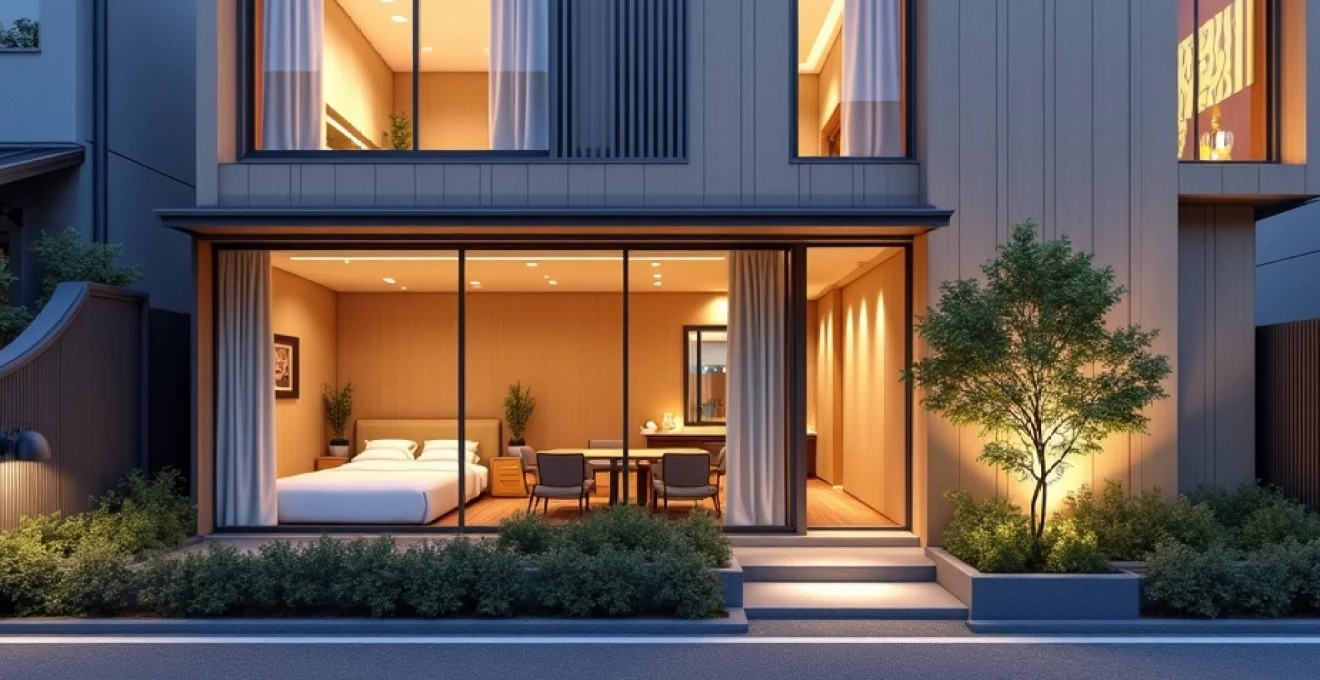
Tokyo’s accommodation landscape reflects the city’s unique blend of innovation, tradition, and meticulous attention to detail. From pioneering capsule hotels that maximise space efficiency to luxury towers offering unparalleled service, Japan’s capital provides distinctive lodging experiences that cater to every traveller’s needs and budget. The city’s hospitality sector has evolved beyond conventional hotel categories, creating accommodation concepts that have influenced global hospitality trends whilst maintaining distinctly Japanese characteristics.
Modern Tokyo offers approximately 2,800 registered accommodation facilities, ranging from ultra-compact sleeping pods to sprawling luxury suites with panoramic city views. This diverse ecosystem enables travellers to experience different facets of Japanese hospitality culture, whether through the minimalist efficiency of capsule hotels or the refined service of traditional ryokan properties. Understanding these accommodation options becomes essential for maximising your Tokyo experience, as each category offers unique insights into Japanese design philosophy and service standards.
Capsule hotel architecture: Space-Optimized accommodation in shibuya and shinjuku districts
Capsule hotels represent one of Japan’s most distinctive contributions to global hospitality design, transforming the concept of minimal space into comfortable, highly functional sleeping environments. These properties originated in the 1970s as practical solutions for Tokyo’s space constraints and have evolved into sophisticated accommodation experiences that attract both domestic business travellers and international tourists seeking authentic Japanese innovation.
The architecture of modern capsule hotels demonstrates remarkable engineering precision, with each pod typically measuring 2 metres in length, 1 metre in width, and 1.25 metres in height. This standardised dimension maximises occupancy whilst ensuring guest comfort through careful consideration of airflow, lighting, and storage solutions. Advanced ventilation systems maintain air quality across densely packed sleeping areas, whilst sound-dampening materials create surprisingly peaceful environments despite the compact configurations.
Nine hours narita airport: minimalist pod design and biometric access systems
Nine Hours Narita Airport exemplifies the evolution of capsule hotel design through its integration of cutting-edge technology and minimalist aesthetics. The facility utilises biometric access systems that replace traditional key cards with fingerprint recognition, enabling seamless entry to individual pods without physical tokens. This technological approach reduces operational complexity whilst enhancing security for travellers carrying valuable electronics and documents.
The hotel’s design philosophy centres on three core activities: shower (1 hour), sleep (7 hours), and rest (1 hour), hence the name “Nine Hours”. Each pod features individually controlled LED lighting systems that simulate natural circadian rhythms, helping guests adjust to different time zones more effectively. The facility’s location within Narita Airport’s transit zone makes it particularly valuable for passengers during layovers or early morning departures.
The millennials shibuya: smart room technology and IoT integration
The Millennials Shibuya represents the next generation of capsule hotel design, incorporating Internet of Things (IoT) technology throughout the guest experience. Each sleeping pod includes smartphone-controlled environment systems that adjust temperature, humidity, lighting intensity, and wake-up sequences according to personal preferences. This technological integration appeals particularly to younger travellers who expect seamless digital connectivity in their accommodation choices.
The property’s common areas feature flexible furniture systems that adapt to different social configurations throughout the day, transforming from quiet work spaces during business hours to social lounges in the evening. The hotel’s location in Shibuya provides immediate access to Tokyo’s youth culture epicentre, whilst the building’s upper floors offer views across the famous scramble crossing and surrounding entertainment districts.
Nadeshiko hotel shibuya: Women-Only capsule facilities with enhanced privacy features
Nadeshiko Hotel Shibuya addresses the specific needs of female travellers through thoughtful design modifications that enhance privacy and security within the capsule hotel format. The facility incorporates wider pod entrances, improved internal lighting systems, and additional personal storage space to accommodate longer stays and varied personal belongings. Security measures include dedicated floor access controls and enhanced surveillance systems monitored by female staff members.
The hotel’s common areas include a comprehensive beauty station with professional-grade lighting for skincare routines and makeup application, recognising the importance of personal grooming facilities for business and leisure travellers. Additional amenities include garment steaming services, extended shower facilities with premium toiletries, and a quiet lounge area designed specifically for relaxation and social interaction among female guests.
First cabin haneda terminal 1: Aviation-Themed compact luxury accommodation
First Cabin Haneda Terminal 1 elevates the capsule hotel concept by incorporating premium materials and aviation-inspired design elements that create a luxury travel experience within compact dimensions. Each “cabin” features aircraft-grade materials, individual entertainment systems, and enhanced sound insulation that significantly reduces ambient noise from airport operations and neighbouring guests.
The facility’s design draws inspiration from first-class airline cabins, with curved interior surfaces, premium fabric selections, and sophisticated lighting systems that create an intimate atmosphere despite the shared accommodation format. Business facilities include dedicated work stations with high-speed internet connectivity, international power outlets, and printing services that cater to corporate travellers requiring last-minute document preparation before flights.
Mid-range ryokan properties: traditional hospitality in urban tokyo settings
Tokyo’s mid-range ryokan properties offer authentic Japanese hospitality experiences within urban environments, combining traditional architectural elements with modern convenience systems. These establishments preserve centuries-old service traditions whilst adapting to contemporary traveller expectations through careful integration of modern amenities and multilingual staff capabilities. The result creates accommodation experiences that provide cultural immersion without sacrificing comfort or accessibility.
Urban ryokan properties typically feature traditional tatami flooring, futon bedding arrangements, and communal bathing facilities alongside modern conveniences such as air conditioning, Wi-Fi connectivity, and Western-style bathroom options. This hybrid approach enables international guests to experience authentic Japanese hospitality traditions whilst maintaining familiar comfort standards. Many properties offer cultural activities including tea ceremony demonstrations, calligraphy lessons, and traditional craft workshops that enhance the educational value of the accommodation experience.
Andon ryokan minowa: authentic tatami room configuration and ofuro bathing facilities
Andon Ryokan Minowa preserves traditional ryokan architecture through authentic tatami room configurations and meticulously maintained ofuro bathing facilities. The property features rooms with traditional sliding doors (fusuma), low wooden tables for dining, and carefully selected seasonal decorations that reflect Japanese aesthetic principles. Guest rooms maintain traditional proportions and materials whilst incorporating discrete modern amenities such as individual climate control and charging stations for electronic devices.
The ryokan’s ofuro facilities include separate men’s and women’s bathing areas with natural hot spring water sourced from approved Tokyo metropolitan sources. The bathing experience follows traditional protocols, with pre-bathing washing stations and communal soaking pools maintained at precise temperatures throughout the day. Staff members provide detailed explanations of bathing etiquette to international guests, ensuring comfortable experiences for visitors unfamiliar with Japanese customs.
Ryokan kamogawa asakusa honten: Edo-Period architecture with modern amenities
Ryokan Kamogawa Asakusa Honten occupies a restored Edo-period building that demonstrates traditional Japanese architectural techniques whilst incorporating carefully integrated modern systems. The property’s wooden framework utilises traditional joinery methods without nails, creating flexible structures that respond naturally to seasonal temperature and humidity changes. Modern infrastructure including plumbing, electrical systems, and internet connectivity has been installed with minimal visual impact on the historic interior spaces.
The ryokan’s location in Asakusa provides immediate access to Senso-ji Temple and traditional shopping streets, enabling guests to experience Tokyo’s historic culture within walking distance of their accommodation. Room configurations include both traditional tatami spaces and hybrid arrangements with Western-style beds for guests preferring familiar sleeping arrangements. The property’s restaurant serves kaiseki cuisine prepared according to traditional seasonal menus that highlight regional ingredients and cooking techniques.
Sawanoya ryokan yanaka: Family-Run hospitality with traditional kaiseki service
Sawanoya Ryokan Yanaka represents the quintessential family-run ryokan experience, with three generations of the same family providing personalised hospitality services to guests from around the world. The property’s intimate scale enables detailed attention to individual guest preferences, from dietary requirements to cultural interests, creating customised experiences that larger hotels cannot replicate. This personal approach has earned the ryokan international recognition and a loyal returning clientele.
The ryokan’s kaiseki dining service showcases seasonal Japanese cuisine through carefully composed multi-course meals that change according to ingredient availability and traditional calendar observances. Meals are served in private dining rooms with tatami seating arrangements, enabling guests to experience formal Japanese dining etiquette in appropriate settings. The family owners often join guests for tea after dinner, sharing insights about local culture and providing recommendations for exploring Tokyo’s lesser-known attractions.
Hotel ryumeikan tokyo: contemporary ryokan design in ginza commercial district
Hotel Ryumeikan Tokyo adapts traditional ryokan concepts for modern business travellers through contemporary design interpretations that maintain cultural authenticity whilst providing international hotel standards. The property combines traditional Japanese materials such as natural wood, stone, and handwoven textiles with modern furniture designs and technological systems that support business travel requirements including high-speed internet, international telephone services, and 24-hour concierge assistance.
Located in Ginza’s commercial district, the hotel provides convenient access to Tokyo’s business centres whilst offering respite from urban intensity through carefully designed interior spaces that incorporate natural elements and traditional design principles. Guest rooms feature hybrid layouts with traditional seating areas for tea service and contemporary work stations equipped with modern business amenities. The property’s restaurant combines kaiseki traditions with international menu options, accommodating diverse dietary preferences amongst its global clientele.
Business hotel chains: Corporate-Standard accommodation across tokyo metropolis
Tokyo’s business hotel chains provide standardised accommodation experiences designed specifically for corporate travellers and budget-conscious tourists seeking reliable, efficient lodging without unnecessary amenities. These properties prioritise functional design, strategic locations near transportation hubs, and streamlined service delivery that enables quick check-in and check-out procedures. Major chains including APA Hotels, Toyoko Inn, and Hotel Route Inn operate hundreds of properties across Tokyo’s 23 special wards, ensuring consistent quality standards and booking procedures.
Business hotels typically feature compact rooms optimised for solo travellers, with standardised layouts that maximise space efficiency whilst providing essential amenities including work desks, reliable Wi-Fi connectivity, and basic bathroom facilities. Many properties offer additional services tailored to business travellers such as laundry facilities, convenience stores within hotel lobbies, and complimentary breakfast services designed for quick consumption before morning business appointments. The predictable nature of business hotel services appeals particularly to frequent travellers who value consistency over novelty.
Room configurations in business hotels follow strict efficiency standards, with most single rooms measuring between 10-14 square metres and featuring modular furniture systems that serve multiple functions. Beds are typically configured as single units with additional storage underneath, whilst desk areas incorporate power outlets and internet connections positioned for laptop use. Bathroom facilities utilise space-saving designs including combination shower-bath units and wall-mounted fixtures that maximise floor space within the limited room dimensions.
The strategic positioning of business hotel properties focuses on proximity to major railway stations, business districts, and commercial areas rather than tourist attractions or scenic locations. This approach reduces accommodation costs whilst providing convenient access to Tokyo’s extensive public transportation network. Many properties offer direct connections to subway stations or provide shuttle services to major transportation hubs, recognising that business travellers prioritise efficiency and time management over recreational amenities.
Business hotel chains have revolutionised urban accommodation by demonstrating that efficient, standardised service can deliver exceptional value without compromising essential guest needs or comfort standards.
Boutique hotel properties: designer accommodation in harajuku and omotesando
Tokyo’s boutique hotel scene flourishes in the fashion-forward districts of Harajuku and Omotesando, where properties function as both accommodation facilities and cultural expressions of contemporary Japanese design innovation. These hotels collaborate with renowned architects, interior designers, and artists to create unique environments that reflect the creative energy of their surrounding neighbourhoods. Unlike standardised hotel chains, boutique properties develop distinctive personalities through carefully curated design elements, localised service approaches, and artistic collaborations that change regularly to maintain freshness and relevance.
The boutique hotel category in Tokyo encompasses properties ranging from 20 to 100 rooms, enabling personalised service delivery whilst maintaining the operational efficiency required for sustainable business models. These hotels often feature ground-floor retail spaces, galleries, or restaurants that integrate with the local community and provide additional revenue streams beyond accommodation services. The integration of commercial and hospitality functions creates dynamic environments where guests experience Tokyo’s creative culture through multiple touchpoints during their stays.
Trunk hotel shibuya: Socialising-Focused design with Co-Working spaces
Trunk Hotel Shibuya pioneers the concept of socially-oriented hospitality through design elements that encourage guest interaction whilst providing flexible spaces for work, relaxation, and cultural exchange. The property’s public areas include modular furniture systems that can be reconfigured for different group sizes and activities throughout the day. Co-working spaces feature high-speed internet connectivity, international power outlets, and acoustic design that balances collaboration opportunities with individual focus requirements.
The hotel’s rooftop terrace provides panoramic views across Shibuya’s urban landscape whilst offering event spaces for private functions, business meetings, and social gatherings. The design incorporates sustainable materials including recycled concrete, reclaimed wood, and energy-efficient lighting systems that demonstrate environmental responsibility without compromising aesthetic quality. Guest rooms feature flexible layouts that can accommodate both business and leisure activities through convertible furniture arrangements and integrated technology systems.
Hotel koe tokyo: Fashion-Forward accommodation with integrated retail concept
Hotel Koe Tokyo integrates fashion retail directly into the hotel experience, with ground-floor boutiques featuring carefully selected clothing, accessories, and lifestyle products from emerging Japanese designers and established international brands. This retail integration enables guests to experience Tokyo’s fashion culture without leaving the hotel property, whilst providing local designers with exposure to international audiences. The hotel’s purchasing team regularly updates product selections to reflect seasonal trends and cultural developments.
Guest rooms feature fashion-inspired design elements including custom-designed furniture pieces, artistic lighting installations, and bathroom amenities from premium Japanese cosmetics brands. The property’s restaurant and bar spaces showcase contemporary Japanese cuisine alongside international options, creating social environments where fashion industry professionals, creative individuals, and curious travellers interact naturally. The hotel regularly hosts fashion shows, product launches, and cultural events that enhance its role as a creative community hub.
Mustard hotel shibuya: Millennial-Targeted design with Instagram-Optimised interiors
Mustard Hotel Shibuya specifically targets millennial and Gen-Z travellers through Instagram-optimised interior design that creates photogenic environments throughout the property. Each room features carefully composed colour schemes, artistic wall installations, and strategic lighting that enhances photography whilst maintaining comfortable living conditions. The design team collaborated with social media specialists to identify visual elements that perform well on digital platforms without compromising functional design requirements.
The hotel’s public areas include designated photography zones with professional lighting equipment available for guest use, recognising the importance of social media documentation in contemporary travel experiences. Common areas feature charging stations specifically designed for mobile devices, high-speed Wi-Fi optimised for image and video uploads, and comfortable seating arrangements that encourage social interaction. The property’s location in Shibuya provides immediate access to Tokyo’s youth culture epicentre and numerous iconic photography locations within walking distance.
Luxury tower hotels: premium hospitality with tokyo skyline views
Tokyo’s luxury tower hotels represent the pinnacle of Japanese hospitality excellence, occupying the upper floors of the city’s tallest buildings to provide unparalleled views across the metropolitan landscape. These properties combine traditional Japanese service philosophies with international luxury standards, creating accommodation experiences that satisfy the most discerning travellers whilst showcasing Tokyo’s architectural achievements. The vertical positioning of luxury hotels maximises real estate value whilst providing guests with perspectives unavailable from ground-level properties.
Luxury tower hotels typically occupy floors 30 and above in mixed-use developments that include office spaces, retail facilities, and residential apartments. This positioning creates unique operational challenges including elevator management, emergency procedures, and service delivery logistics that require sophisticated systems and highly trained staff. The investment in these operational complexities enables luxury hotels to command premium rates whilst providing exclusive experiences that justify the additional costs through exceptional service quality and unique environmental advantages.
The Ritz-Carlton tokyo: midtown roppongi location with club level executive services
The Ritz-Carlton Tokyo occupies floors 45-53 of the Midtown Tower in Roppongi, providing guests with commanding views across Tokyo Bay, Mount Fuji, and the Imperial Palace grounds. The property’s club level services include dedicated concierge teams, private dining facilities, and exclusive lounge access with complimentary food and beverage service throughout the day. These elevated service levels cater
particularly to high-net-worth individuals and corporate executives who require seamless service delivery without compromising privacy or efficiency. The hotel’s spa facilities include traditional Japanese treatments alongside international wellness therapies, creating comprehensive relaxation experiences that complement the demanding schedules of luxury travellers.
The property’s dining portfolio includes Michelin-starred restaurants that showcase both traditional Japanese cuisine and contemporary international flavours. Azure 45 provides French fine dining with Tokyo Bay views, whilst Hinokizaka offers authentic kaiseki experiences that highlight seasonal ingredients sourced from across Japan. The hotel’s strategic location in Roppongi provides convenient access to Tokyo’s business districts whilst positioning guests within walking distance of premier shopping, entertainment, and cultural facilities.
Mandarin oriental tokyo: nihonbashi financial district with Michelin-Starred dining
Mandarin Oriental Tokyo occupies the upper floors of the Nihonbashi Mitsui Tower, positioning guests at the heart of Tokyo’s financial district with immediate access to major banks, trading centres, and corporate headquarters. The property’s sophisticated design aesthetic combines contemporary luxury with subtle Japanese influences, creating environments that appeal to international business travellers whilst respecting local cultural sensibilities. Guest rooms feature floor-to-ceiling windows that maximise natural light and provide expansive views across Tokyo’s urban landscape.
The hotel’s culinary programme includes three restaurants helmed by renowned chefs who have earned Michelin recognition for their innovative approaches to traditional Japanese cooking techniques. Signature restaurant focuses on modern French cuisine with Asian influences, whilst K’shiki provides contemporary Japanese dining experiences that evolve seasonally according to ingredient availability. The property’s spa facilities incorporate traditional Japanese healing practices alongside international wellness treatments, creating comprehensive programmes that address both physical relaxation and mental restoration.
Aman tokyo: otemachi minimalist design with spa and wellness facilities
Aman Tokyo represents the ultimate expression of minimalist luxury hospitality, with design elements that create serene environments through careful material selection, natural lighting integration, and spatial arrangements that promote tranquillity within the bustling metropolitan environment. The property occupies the upper six floors of the Otemachi Tower, providing guests with elevated perspectives across the Imperial Palace gardens and surrounding financial districts whilst maintaining complete privacy from urban activities below.
Guest rooms feature traditional Japanese design principles interpreted through contemporary materials including natural stone, handcrafted wood surfaces, and custom textile selections that create harmonious environments for rest and reflection. The spa facilities span two floors and include traditional ofuro bathing areas, modern treatment rooms equipped with international wellness technologies, and meditation spaces designed according to ancient Japanese architectural principles. The property’s restaurants offer both kaiseki dining experiences and contemporary international cuisine, with ingredients sourced from specific regions of Japan to ensure authenticity and seasonal appropriateness.
The tokyo station hotel: marunouchi heritage property with railway architecture
The Tokyo Station Hotel occupies the historic red-brick facade of Tokyo Station, creating a unique accommodation experience within one of Japan’s most recognisable architectural landmarks. The property underwent extensive restoration work that preserved original Edo-period architectural elements whilst integrating modern luxury amenities and safety systems required for contemporary hotel operations. This careful balance between historical preservation and modern functionality creates accommodation experiences that provide cultural education alongside luxury comfort.
Guest rooms feature classical European design influences that reflect the station’s original architectural inspiration, with high ceilings, period furniture pieces, and carefully restored original fixtures that maintain historical authenticity. The hotel’s location provides unparalleled convenience for business and leisure travellers, with direct access to JR railway lines, subway connections, and bullet train services to destinations throughout Japan. The property’s restaurants showcase both traditional Japanese cuisine and international options, with several dining venues offering views across the Marunouchi business district and Imperial Palace grounds.
Conrad tokyo: shiodome high-rise with tokyo bay panoramic views
Conrad Tokyo occupies floors 28-37 of the Shiodome development, providing guests with unobstructed panoramic views across Tokyo Bay, Rainbow Bridge, and the surrounding waterfront districts. The property’s design incorporates contemporary Japanese artistic elements throughout public areas and guest rooms, creating sophisticated environments that celebrate local culture whilst maintaining international luxury standards. The hotel’s positioning within the Shiodome complex provides convenient access to shopping, dining, and entertainment facilities without requiring guests to leave the building.
The property’s spa and wellness facilities include comprehensive fitness equipment, swimming pool areas with bay views, and treatment rooms that combine traditional Japanese massage techniques with international wellness therapies. Guest rooms feature modern technology systems including tablet-controlled environmental systems, high-speed internet connectivity optimised for business use, and bathroom facilities with premium Japanese fixtures and toiletries. The hotel’s dining venues include multiple restaurant concepts that range from casual all-day dining to formal Japanese cuisine experiences, with several venues offering outdoor terrace seating that maximises the spectacular bay views.
Alternative accommodation: serviced apartments and airbnb regulations in tokyo wards
Tokyo’s alternative accommodation sector has expanded significantly to meet the diverse needs of extended-stay visitors, digital nomads, and travellers seeking more authentic residential experiences within local neighbourhoods. Serviced apartments provide fully furnished living spaces with hotel-style amenities, whilst vacation rental platforms offer access to private homes and unique properties throughout the metropolitan area. Understanding the regulatory framework governing these accommodation types becomes essential for travellers planning extended stays or seeking specific neighbourhood experiences that traditional hotels cannot provide.
The Japanese government implemented comprehensive regulations for vacation rental operations in 2018, requiring all properties to obtain proper licensing and comply with specific safety and registration requirements. These regulations ensure quality standards whilst protecting both guests and local communities from potential issues associated with unregulated short-term rentals. Licensed vacation rental properties must display registration numbers and comply with noise restrictions, guest registration procedures, and emergency contact requirements that maintain neighbourhood harmony whilst enabling authentic local experiences.
Serviced apartment options range from studio configurations suitable for solo business travellers to multi-bedroom properties that accommodate families or groups requiring separate living spaces and full kitchen facilities. Major operators including Oakwood, Fraser Residence, and local companies such as Mimaru provide standardised service levels with housekeeping, concierge assistance, and maintenance support that bridge the gap between traditional hotel services and independent apartment living. These properties often include amenities such as fitness centres, business facilities, and laundry services that support extended stays whilst maintaining cost efficiency compared to equivalent hotel accommodation.
The strategic distribution of serviced apartments across Tokyo’s 23 special wards enables travellers to experience different neighbourhood characteristics whilst maintaining consistent accommodation standards. Properties in residential areas such as Setagaya or Suginami provide insights into daily Japanese life away from tourist-focused districts, whilst business-oriented locations in Chiyoda or Minato offer convenient access to corporate centres and government facilities. This geographical diversity allows travellers to select accommodation based on specific interests or business requirements rather than limiting choices to traditional hotel district concentrations.
Alternative accommodation options in Tokyo provide opportunities to experience the city’s residential culture whilst maintaining the safety standards and service quality that characterise Japanese hospitality across all accommodation categories.
Vacation rental regulations require property owners to maintain detailed guest records, provide emergency contact information in multiple languages, and ensure compliance with local fire safety and building standards. These requirements create additional administrative responsibilities for property owners whilst providing guests with assurance regarding safety standards and legal compliance. Travellers should verify that vacation rental properties display proper licensing information and provide clear emergency procedures before confirming bookings through any platform or direct arrangement.