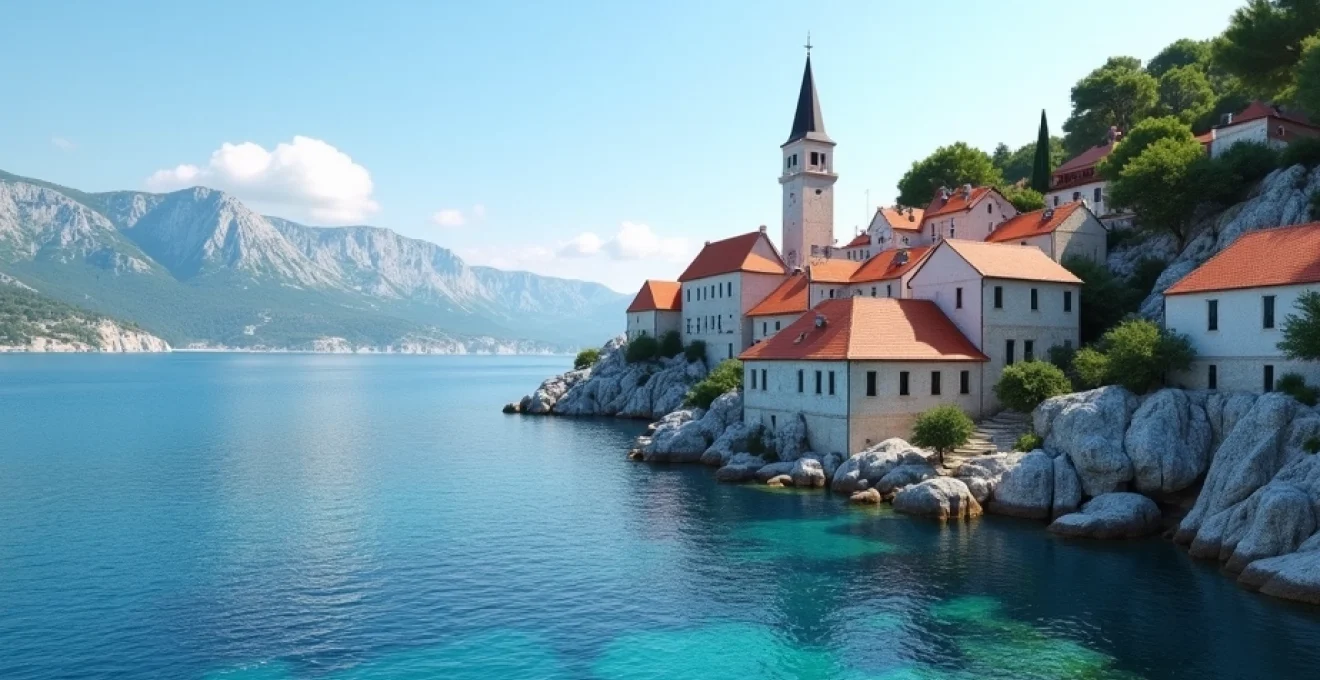
Croatia’s Adriatic coastline stretches over 1,777 kilometres, encompassing more than 1,244 islands and islets that harbour some of Europe’s most pristine maritime environments. While destinations like Dubrovnik and Split dominate international tourism, Croatia’s lesser-known coastal settlements offer equally compelling experiences without the overwhelming crowds. These hidden maritime gems provide authentic glimpses into traditional Croatian coastal life, where ancient stone architecture meets crystalline waters and unspoiled natural landscapes create havens for discerning travellers.
The country’s diverse coastal geography spans three distinct regions: the Istrian Peninsula in the north, the Dalmatian archipelago in the central Adriatic, and the Kvarner Gulf connecting the two. Each region presents unique characteristics shaped by different historical influences, from Roman settlements to Venetian trading posts and Habsburg maritime fortifications. Understanding these regional distinctions helps visitors appreciate the cultural tapestry that makes Croatia’s coastal towns so distinctive and varied.
Hidden gems of istrian peninsula: underexplored maritime settlements
Istria’s heart-shaped peninsula offers a remarkable fusion of Croatian, Italian, and Austrian cultural influences, creating coastal settlements with distinctive architectural styles and culinary traditions. The region’s relatively mild Mediterranean climate and fertile red soil support both maritime activities and agricultural pursuits, particularly olive cultivation and winemaking. Istrian coastal towns benefit from excellent road connections and proximity to European markets, making them accessible yet refreshingly uncrowded compared to their southern counterparts.
Rovinj’s secluded northern coves and zlatni rt nature park
Beyond Rovinj’s well-photographed harbour lies a network of secluded coves and pristine nature reserves that showcase Istria’s natural splendour. The Zlatni Rt Forest Park encompasses 68 hectares of protected Mediterranean vegetation, featuring ancient oak groves, aromatic pine forests, and rare plant species that thrive in the peninsula’s unique microclimate. Visitors can explore numerous walking trails that wind through dense woodland before emerging onto hidden pebble beaches with crystal-clear waters.
The park’s northern coastline features a series of intimate bays accessible only by foot or bicycle, where you might encounter local families enjoying traditional picnics or elderly residents collecting wild herbs for homemade remedies. These secluded spots offer exceptional snorkelling opportunities, with underwater visibility often exceeding 20 metres and marine life including colourful sea anemones, octopi, and various Mediterranean fish species.
Bale valley’s coastal access points and traditional fishing villages
The Bale Valley represents one of Istria’s most authentic agricultural regions, where medieval hilltop towns connect to the coast through ancient pathways and modern cycling routes. Small fishing villages dot the coastline here, maintaining traditional wooden boat construction techniques and time-honoured fishing practices that have sustained local communities for centuries. These settlements offer glimpse into Croatian coastal life largely unchanged by mass tourism.
Local fishermen still use traditional nets and employ sustainable fishing methods passed down through generations, creating opportunities for visitors to participate in authentic maritime experiences. Several family-run establishments offer boat excursions where guests can observe traditional fishing techniques while enjoying freshly prepared seafood meals featuring locally caught fish, shellfish, and the region’s famous Istrian olive oil.
Kamenjak peninsula’s wild coastline and safari bar beach
The southernmost tip of Istria, Cape Kamenjak, presents Croatia’s most dramatic coastal wilderness area, where rugged limestone cliffs meet the open Adriatic Sea. This protected landscape encompasses over 30 kilometres of indented coastline featuring dozens of secluded bays, each with distinct geological characteristics and marine ecosystems. The peninsula’s wild beauty attracts nature enthusiasts, photographers, and adventure seekers looking for authentic coastal experiences.
Safari Bar Beach has become legendary among Croatian beach connoisseurs for its unique combination of pristine natural setting and creative hospitality. The beach bar operates seasonally, serving refreshments from a converted military vehicle while maintaining strict environmental standards to preserve the area’s ecological integrity. The surrounding waters offer excellent conditions for windsurfing, kitesurfing, and free diving, with underwater caves and rock formations creating diverse marine habitats.
Fažana’s archaeological maritime heritage and brijuni islands gateway
Fažana serves as the primary gateway to the Brijuni Islands National Park, yet this charming fishing village deserves recognition for its own maritime heritage and archaeological significance. The town’s harbour has operated continuously since Roman times, with archaeological evidence revealing ancient fish processing facilities and maritime trading operations that connected Istria to Mediterranean commercial networks.
Modern Fažana maintains its authentic fishing village character while providing excellent infrastructure for exploring the Brijuni archipelago. The town’s restaurants specialise in traditional Istrian maritime cuisine , featuring dishes like brodetto (fish stew) and fresh pasta with local seafood, often prepared using family recipes preserved for generations. The annual sardine festival celebrates Fažana’s fishing heritage with traditional music, dancing, and communal feast featuring the town’s most important catch.
Dalmatian archipelago’s remote island communities
The Dalmatian islands represent Croatia’s most extensive archipelago, with over 1,000 islands, islets, and reefs scattered across the central Adriatic Sea. These limestone formations emerged from ancient geological processes, creating unique landscapes characterised by dramatic cliffs, hidden coves, and crystal-clear waters with exceptional visibility. Many islands maintain traditional communities where ancient customs persist alongside modern sustainable tourism initiatives.
The archipelago’s strategic position along historic maritime trade routes has left indelible marks on local architecture, culture, and cuisine. Venetian influence predominates in many settlements, evident in stone buildings, narrow streets, and traditional fishing techniques still employed by local communities.
Each island maintains its distinct character, from wine-producing terraces to ancient monastic settlements, creating diverse opportunities for cultural exploration.
Vis island’s military heritage sites and stiniva cove formation
Vis Island remained closed to foreign tourists until 1989 due to its strategic military importance, inadvertently preserving one of the Mediterranean’s most pristine island environments. The island’s military heritage includes underground tunnels, abandoned fortifications, and a former Yugoslav naval base that now serves as a unique historical attraction. This isolation allowed native vegetation and marine ecosystems to flourish without tourism pressure.
Stiniva Cove exemplifies Vis’s extraordinary geological formations, featuring a narrow entrance between towering limestone cliffs that opens into a secluded pebble beach. The cove’s formation resulted from centuries of wave erosion and tectonic activity, creating a natural amphitheatre with excellent acoustic properties. Accessing Stiniva requires a challenging hike across rocky terrain, ensuring that visitor numbers remain manageable and the site’s pristine character endures.
Lastovo nature park’s dark sky reserve and zaklopatica bay
Lastovo Island holds the distinction of being Croatia’s first Dark Sky Reserve, recognised internationally for its exceptional astronomical viewing conditions and minimal light pollution. The island’s remote location and sparse population create ideal circumstances for stargazing, while strict development regulations preserve the pristine night environment. Several accommodation providers offer astronomy-focused packages that include guided observations and educational programmes.
Zaklopatica Bay represents one of the Adriatic’s most sheltered natural harbours, traditionally used by local fishermen during severe weather conditions. The bay’s unique geography creates a microclimate that supports rare plant species and provides excellent conditions for traditional fishing methods. Local residents maintain stone fishing weirs and traditional wooden boats that demonstrate sustainable maritime practices developed over centuries of island living.
Kornati national park’s bare limestone landscapes and telašćica
The Kornati archipelago comprises 89 islands, islets, and reefs that create Croatia’s most distinctive marine landscape. These bare limestone formations, described by George Bernard Shaw as “God’s tears, stars, and breath,” present an otherworldly beauty characterised by stark white stone contrasting with deep blue waters. The islands’ barren appearance results from centuries of sheep grazing and historical deforestation, creating unique ecological conditions.
Telašćica Nature Park encompasses the southern portion of Dugi Otok island and includes spectacular cliffs rising 160 metres directly from the sea. The park features several saltwater lakes, including Mir Lake, where water temperatures can reach 33°C during summer months. Traditional stone shepherds’ huts dot the landscape, providing insights into historic land use practices and demonstrating sustainable building techniques using local materials.
Šolta island’s olive grove terraces and maslinica marina
Šolta Island exemplifies traditional Dalmatian agricultural practices, with ancient olive groves arranged on stone terraces that demonstrate centuries of careful land management. The island produces some of Croatia’s finest olive oil using indigenous varieties and traditional processing methods that preserve flavour complexity and nutritional benefits. Many family-run estates offer olive oil tastings and educational tours explaining traditional cultivation techniques.
Maslinica represents one of the Adriatic’s most elegant small marinas, featuring an 18th-century baroque castle and a protected harbour surrounded by seven islets. The settlement’s architectural harmony and natural beauty attract discerning yacht owners and cultural tourists seeking authentic Croatian experiences. Local restaurants specialise in traditional Dalmatian cuisine, emphasising fresh seafood, locally produced olive oil, and herbs gathered from the island’s pristine hillsides.
Mljet’s saltwater lakes and benedictine monastery ruins
Mljet National Park encompasses two interconnected saltwater lakes that create unique marine ecosystems within a forested island environment. These lakes, Veliko and Malo Jezero, maintain connection to the Adriatic through narrow channels while developing distinct characteristics due to their protected location. The lakes support diverse marine life including endemic species adapted to their specific conditions.
The ruins of a 12th-century Benedictine monastery occupy a small islet in Veliko Jezero, accessible by boat or swimming during calm weather. Archaeological evidence suggests continuous religious activity at this site for over eight centuries, with monks maintaining vineyards, olive groves, and medicinal herb gardens. The monastery’s strategic location allowed it to serve as a navigation landmark for medieval mariners while providing spiritual services to island communities.
Kvarner gulf’s mountainous coastal enclaves
The Kvarner Gulf creates a unique maritime environment where Mediterranean and continental climates converge, producing diverse ecosystems and distinctive cultural characteristics. This transitional zone supports both traditional Mediterranean vegetation and Central European forest species, creating rich biodiversity and varied landscape experiences. The gulf’s islands benefit from mainland mountain protection while maintaining authentic maritime traditions.
Strong bura winds periodically affect the region, creating challenging sailing conditions but also contributing to exceptionally clear air quality and dramatic cloud formations. These meteorological phenomena have influenced local architecture, with buildings designed to withstand powerful winds while maximising solar exposure during calmer periods. Traditional stone construction techniques developed specifically for these conditions continue to inform contemporary sustainable building practices.
Cres island’s griffin vulture sanctuary and lubenice clifftop village
Cres Island hosts one of Europe’s most successful griffin vulture conservation programmes, with over 130 breeding pairs thriving in protected cliff-side nesting sites. These magnificent birds, with wingspans exceeding 2.5 metres, depend on extensive grazing areas maintained by traditional sheep farming practices. The conservation project demonstrates how sustainable tourism can support wildlife protection while providing economic benefits to local communities.
Lubenice village occupies a dramatic clifftop location 378 metres above sea level, offering panoramic views across the Kvarner Gulf and neighbouring islands. This medieval settlement retains its original stone architecture and narrow streets designed for pedestrian traffic only. The village’s isolation has preserved traditional crafts including stone carving, textile weaving, and herbal medicine preparation using plants gathered from surrounding hillsides.
Lošinj’s aromatic plant gardens and mali lošinj dolphin reserve
Lošinj Island maintains extensive aromatic plant gardens that supply raw materials for traditional medicine and cosmetic production. The island’s microclimate supports over 1,200 plant species, including numerous endemic varieties found nowhere else in the Mediterranean. Local producers create essential oils, herbal teas, and natural remedies using time-tested extraction methods that preserve active compounds.
The waters surrounding Mali Lošinj support a resident population of bottlenose dolphins, with over 220 individuals identified through long-term research programmes. These intelligent marine mammals demonstrate complex social behaviours and sophisticated hunting techniques that researchers continue to study using non-invasive observation methods. Responsible dolphin-watching excursions provide educational opportunities while supporting conservation efforts and local maritime heritage.
Rab’s medieval stone architecture and paradise beach formations
Rab Town showcases some of Croatia’s finest preserved medieval architecture, with four distinctive bell towers creating an unmistakable skyline visible from considerable distances at sea. The town’s stone buildings demonstrate advanced construction techniques developed during the Venetian period, incorporating both defensive features and elegant decorative elements. Narrow stone streets maintain their original layouts, creating intimate spaces that encourage pedestrian exploration.
Paradise Beach (Rajska Plaža) represents one of the Adriatic’s few natural sandy beaches, formed by centuries of wave action and sediment deposition. The beach’s fine sand and shallow, warm waters create ideal conditions for families while surrounding pine forests provide natural shade and pleasant walking opportunities. Archaeological evidence suggests this area has attracted visitors since Roman times, when it served as a health resort for wealthy citizens seeking therapeutic benefits from the sea.
Krk’s glagolitic script heritage and baška tablet archaeological site
Krk Island preserves one of Europe’s most significant linguistic heritage sites through its Glagolitic script monuments and archaeological discoveries. The Baška Tablet, dating from approximately 1100 CE, represents one of the oldest preserved examples of Croatian Glagolitic writing and provides crucial insights into medieval Croatian language development. This limestone inscription documents land grants and religious obligations, offering valuable historical information about medieval social structures.
Numerous churches and chapels throughout Krk display Glagolitic inscriptions, creating an outdoor museum of medieval Croatian literacy and religious practice. The script’s survival on Krk demonstrates the island’s cultural independence and the persistence of Croatian national identity during periods of foreign political control. Modern interpretation centres explain the script’s significance while traditional stone-carving workshops demonstrate historical inscription techniques.
Southern adriatic’s limestone karst formations
The southern Adriatic region showcases Croatia’s most dramatic karst landscapes, where limestone geology creates spectacular coastal formations including sea cliffs, underwater caves, and emerged reefs. These geological features result from millions of years of marine deposition followed by tectonic uplift and subsequent erosion by wind, rain, and waves. The karst process continues today, gradually reshaping coastlines and creating new formations for future generations to discover.
Underground river systems emerge directly into the sea at numerous locations, creating freshwater springs that support unique marine ecosystems where brackish conditions allow both freshwater and saltwater species to coexist.
These phenomena create exceptional diving opportunities where underwater landscapes change dramatically within short distances, revealing hidden caves, dramatic drop-offs, and rare geological formations.
Traditional fishing communities have long utilised these freshwater sources for drinking water and developed sustainable harvesting practices that maintain ecological balance.
Coastal erosion patterns in this region demonstrate the dynamic relationship between geological processes and marine environments, with some areas experiencing rapid change while others remain stable for centuries. These natural laboratories provide scientists with opportunities to study coastal evolution and climate change impacts on Mediterranean marine ecosystems. Local communities have adapted their settlement patterns and maritime activities to accommodate these ongoing geological processes, developing flexible approaches to coastal land use.
Seasonal accessibility patterns and maritime transportation networks
Croatia’s lesser-known coastal destinations experience distinct seasonal accessibility patterns that significantly influence both visitor experiences and local community life. Ferry schedules typically operate on reduced winter timetables, with some remote islands receiving service only twice weekly during off-season periods. Understanding these transportation rhythms helps visitors plan authentic experiences while supporting year-round island communities that depend on maritime connections for essential supplies and services.
Summer ferry operations expand significantly to accommodate increased tourist demand, yet smaller islands maintain limited berth capacity that naturally controls visitor numbers. Advanced booking becomes essential during peak season, particularly for vehicle transportation to islands where car hire options remain limited. Many experienced Croatian coastal travellers recommend shoulder season visits (May-June and September-October) when transportation operates reliably while weather conditions remain excellent for outdoor activities.
Traditional fishing boats and water taxis provide flexible transportation options for reaching secluded coves and offshore islands not served by regular ferry routes. These local operators possess intimate knowledge of coastal conditions, weather patterns, and seasonal marine life movements that enhance visitor experiences while ensuring safety in challenging maritime environments. Many operators are multi-generational family businesses that combine transportation services with cultural education about traditional Croatian maritime practices.
| Transportation Type | Peak Season Frequency | Off-Season |
|---|
Weather patterns significantly impact maritime transportation schedules, with the powerful bura wind capable of suspending ferry services for hours or even days during winter months. Experienced travellers monitor Croatian meteorological services and maintain flexible itineraries when visiting remote coastal destinations. Local accommodation providers often assist guests with transportation arrangements and provide real-time updates about service disruptions or alternative routing options.
Sustainable tourism infrastructure and local economic integration
Croatia’s lesser-known coastal destinations increasingly embrace sustainable tourism models that balance economic development with environmental conservation and cultural preservation. Many island communities have implemented visitor capacity limits, seasonal accommodation restrictions, and mandatory environmental impact assessments for new tourism infrastructure. These policies ensure that tourism growth supports rather than overwhelms traditional island life and natural ecosystems.
Family-run guesthouses and agritourism operations provide authentic experiences while keeping tourism revenue within local communities, creating economic incentives for maintaining traditional practices and cultural heritage. These small-scale operations often incorporate sustainable practices such as solar energy systems, rainwater harvesting, organic gardens, and waste reduction programmes that demonstrate environmental stewardship to visitors.
Local economic integration extends beyond accommodation to include traditional craft workshops, guided cultural tours led by residents, and farm-to-table dining experiences featuring locally sourced ingredients. Many coastal communities have established cooperative marketing initiatives that promote authentic experiences while ensuring equitable distribution of tourism benefits among community members. These collaborations help preserve traditional knowledge while creating sustainable livelihoods for younger generations who might otherwise migrate to larger urban centres.
The most successful sustainable tourism initiatives combine environmental protection with economic opportunity, creating models that other Mediterranean destinations increasingly study and adapt for their own communities.
Marine conservation programmes often integrate tourism activities with scientific research, allowing visitors to participate in citizen science projects such as marine life monitoring, underwater archaeology surveys, or habitat restoration efforts. These programmes provide meaningful engagement opportunities while generating valuable data that supports ongoing conservation efforts and informs sustainable management decisions.
Seasonal employment patterns in these destinations create opportunities for residents to maintain traditional occupations such as fishing, farming, or olive oil production during off-season periods while supplementing income through tourism-related activities during peak months. This balanced approach helps preserve authentic community character while providing economic stability that supports year-round island populations and cultural continuity.
Digital infrastructure improvements enable remote work opportunities that allow educated young islanders to remain in their communities while pursuing careers that complement rather than compete with traditional tourism offerings. High-speed internet access facilitates online marketing for local businesses, virtual cultural programmes, and sustainable tourism certification processes that enhance destination credibility among environmentally conscious travellers.