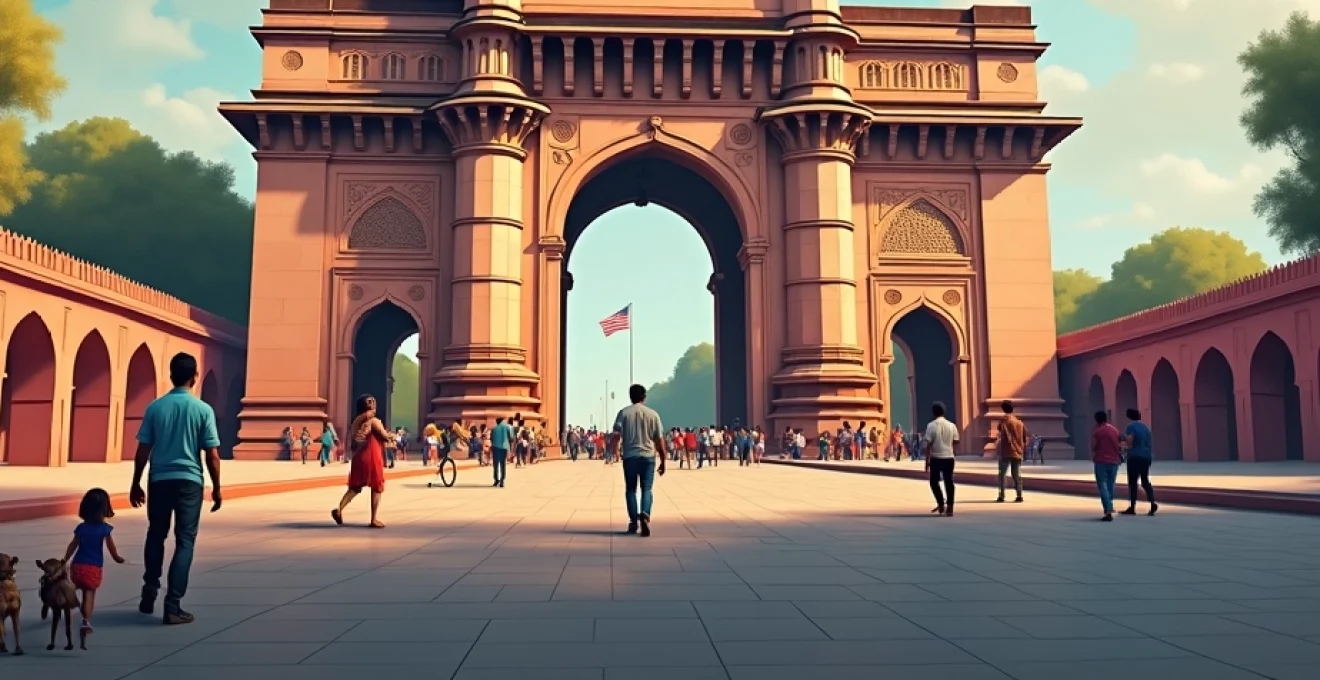
India presents an extraordinary tapestry of experiences that can overwhelm and enchant first-time visitors in equal measure. With over 1.4 billion people, 28 states, and countless cultural nuances, choosing the right destinations becomes crucial for creating lasting positive memories. The subcontinent’s diverse landscape encompasses everything from snow-capped Himalayan peaks to tropical beaches, ancient temples to modern metropolitan centres, and bustling markets to serene backwaters.
Understanding which cities offer the perfect introduction to India’s complexity whilst providing adequate infrastructure and safety measures can make the difference between a transformative journey and a challenging ordeal. Each destination tells a unique story of India’s rich heritage, from the Mughal grandeur of Delhi to the Portuguese influences in Goa, creating opportunities for cultural immersion that extend far beyond typical tourist experiences.
The key to a successful first visit to India lies in selecting destinations that offer authentic experiences whilst maintaining comfortable accessibility for international travellers.
Delhi: gateway to india’s historical heritage and cultural immersion
Delhi serves as India’s political and cultural heart, offering first-time visitors an intensive introduction to the country’s layered history spanning over a millennium. The capital city seamlessly blends ancient monuments with modern infrastructure, creating an urban environment where Mughal emperors’ legacies coexist with contemporary India’s ambitions. This metropolitan area houses approximately 32 million people, making it one of the world’s largest urban agglomerations and a fascinating study in controlled chaos.
The city’s strategic location has attracted rulers and traders for centuries, resulting in architectural marvels that represent various dynasties and cultural influences. From the red sandstone structures of the Mughals to the colonial-era buildings designed by British architects, Delhi’s streetscape reads like a history textbook written in stone and marble. The contrast between Old Delhi’s narrow lanes and New Delhi’s broad avenues provides visitors with two distinct urban experiences within a single destination.
Red fort and mughal architecture exploration in old delhi
The Red Fort stands as Delhi’s most magnificent example of Mughal architectural brilliance, constructed between 1638 and 1648 during Emperor Shah Jahan’s reign. This UNESCO World Heritage site encompasses 254 acres of meticulously planned palaces, gardens, and administrative buildings enclosed within massive red sandstone walls. The fort’s design incorporates Persian, Timurid, and Indian architectural elements, creating a unique aesthetic that influenced subsequent Mughal constructions across the subcontinent.
Visitors can explore the Diwan-i-Aam (Hall of Public Audience) where the emperor addressed common citizens, and the more intimate Diwan-i-Khas (Hall of Private Audience) reserved for nobles and foreign dignitaries. The intricate marble inlay work, known as pietra dura , demonstrates the extraordinary craftsmanship that defined Mughal artistic expression. The evening sound and light show narrates the fort’s history through dramatic illumination and audio commentary.
India gate memorial and new delhi’s colonial urban planning
India Gate represents Sir Edwin Lutyens’ vision for New Delhi’s ceremonial heart, designed as both a war memorial and architectural anchor for the colonial capital. This 42-metre-high sandstone arch honours the 84,000 Indian soldiers who died during World War I and the Third Afghan War. The memorial’s design draws inspiration from the Arc de Triomphe in Paris whilst incorporating Indian decorative elements that reflect local artistic traditions.
The surrounding hexagonal area spans 306,000 square metres of manicured lawns and tree-lined avenues that showcase British urban planning principles adapted for tropical conditions. Evening visits offer the most pleasant experience, as families gather for picnics and vendors sell local snacks beneath the monument’s golden illumination. The nearby Rashtrapati Bhavan (Presidential Palace) and Parliament House complete the colonial architectural ensemble that defines central Delhi’s character.
Chandni chowk market navigation and street food sampling techniques
Chandni Chowk ranks among Asia’s oldest and busiest markets, established in the 17th century by Mughal princess Jahanara Begum. This labyrinthine bazaar extends across several interconnected streets, each specialising in different commodities from textiles and jewellery to spices and electronics. The market’s name translates to “Moonlit Square,” referencing the canal that once reflected moonlight along the main thoroughfare.
Navigating Chandni Chowk requires patience and strategic planning, as the narrow lanes accommodate pedestrians, cyclists, motor rickshaws, and delivery vehicles in seemingly impossible harmony. The area’s renowned street food scene offers authentic Delhi cuisine, including paranthas from Paranthe Wali Gali, jalebis from Old Famous Jalebi Wala, and chaat from various roadside vendors. First-time visitors should start with milder options like samosas before progressing to spicier preparations.
Humayun’s tomb UNESCO world heritage site archaeological significance
Humayun’s Tomb represents the first garden tomb built on the Indian subcontinent, establishing architectural precedents that culminated in the Taj Mahal’s construction. Commissioned in 1558 by Empress Bega Begum, this monument pioneered the Mughal tradition of combining Persian garden design with Indian architectural elements. The structure’s perfect symmetry and proportional harmony demonstrate mathematical principles that influenced subsequent Mughal mausoleum designs.
The tomb’s restoration, completed between 2007 and 2013, exemplifies international heritage conservation efforts and received the UNESCO Award of Excellence for Cultural Heritage Conservation. The surrounding Charbagh garden layout features geometric water channels, walkways, and planted areas that recreate the Islamic concept of paradise on earth. Archaeological excavations have revealed additional tombs and structures within the complex, providing insights into Mughal burial practices and garden design evolution.
Delhi metro system route planning and First-Timer transportation strategies
The Delhi Metro operates as one of the world’s largest and most efficient urban transit systems, spanning 390 kilometres across 286 stations and serving approximately 2.7 million daily passengers. The network connects major tourist attractions, business districts, and residential areas through six colour-coded lines that intersect at strategic transfer points. Smart cards and tokens facilitate seamless travel, whilst security screening at every station ensures passenger safety.
First-time users should download the official Delhi Metro app for real-time information about train schedules, route planning, and fare calculations. Peak hours (8-10 AM and 6-8 PM) create significant crowding, particularly on the Blue and Yellow lines that connect central Delhi with surrounding areas. Women-only coaches, marked with pink signage, provide comfortable travel options for female passengers during busy periods.
Mumbai: commercial capital financial district and bollywood entertainment hub
Mumbai functions as India’s economic engine, generating approximately 6.16% of the country’s GDP whilst serving as headquarters for major banks, corporations, and entertainment companies. This coastal metropolis accommodates over 20 million residents across its urban agglomeration, creating a dynamic environment where ancient fishing villages coexist with gleaming skyscrapers. The city’s cosmopolitan character attracts migrants from across India, resulting in a unique cultural synthesis that defines modern urban India.
The former Bombay transformed from seven separate islands into a unified landmass through extensive land reclamation projects initiated during British colonial rule. This geographical evolution shaped the city’s linear north-south development pattern and created the distinct neighbourhoods that characterise contemporary Mumbai. From the financial district’s towering office buildings to the film studios of Goregaon, each area serves specific economic and cultural functions within the broader metropolitan framework.
Gateway of india monument and colaba causeway shopping district
The Gateway of India stands as Mumbai’s most recognisable landmark, constructed in 1924 to commemorate King George V and Queen Mary’s visit to the city. This basalt arch draws architectural inspiration from 16th-century Gujarati styles whilst incorporating Islamic design elements that reflect Mumbai’s diverse cultural heritage. The monument’s strategic location at Apollo Bunder provides stunning harbour views and serves as the departure point for ferry services to Elephanta Island and other coastal destinations.
The adjacent Colaba Causeway transforms into a bustling shopping district where street vendors, established boutiques, and international brands compete for tourist attention. This pedestrian-friendly area offers everything from handcrafted souvenirs and traditional textiles to contemporary fashion and electronic goods. The famous Leopold Café, established in 1871, provides a historic setting for refreshments whilst observing the constant stream of tourists, locals, and street performers who animate this vibrant neighbourhood.
Marine drive promenade and art deco architecture walking tours
Marine Drive creates a spectacular 3.6-kilometre arc along Mumbai’s coastline, offering unobstructed views of the Arabian Sea and the city’s dramatic skyline. This UNESCO-recognised Art Deco precinct features the world’s second-largest collection of Art Deco buildings, constructed between 1930 and 1940 during Mumbai’s colonial-era prosperity. The architectural ensemble includes residential apartments, commercial buildings, and cinemas designed in the distinctive geometric style that defined international modernist movements.
Evening strolls along Marine Drive reveal why locals call it the “Queen’s Necklace,” as streetlights create a curved string of illumination reflected in the surrounding buildings’ windows. Professional architectural walking tours provide detailed insights into the design principles and historical context that shaped this remarkable urban landscape. The adjacent Oval Maidan and Cross Maidan offer green spaces where cricket matches and cultural events regularly take place against the backdrop of these architectural masterpieces.
Dharavi slum community tourism and social impact travel programs
Dharavi represents one of Asia’s largest informal settlements, housing approximately one million residents across 2.1 square kilometres of reclaimed marshland. This densely populated area generates an estimated annual turnover of $1 billion through small-scale industries including leather processing, pottery making, textile production, and recycling operations. Community-led tourism initiatives provide visitors with authentic insights into urban poverty whilst ensuring that local residents benefit economically from tourism activities.
Responsible tour operators emphasise the neighbourhood’s entrepreneurial spirit, educational initiatives, and community resilience rather than perpetuating poverty tourism stereotypes. Visitors can observe traditional crafts, modern recycling techniques, and social programmes that address healthcare, education, and infrastructure challenges. These experiences challenge preconceptions about urban poverty whilst highlighting the innovative solutions that emerge from resource-constrained environments.
Bollywood film city studios and entertainment industry experiences
Film City in Goregaon functions as the nerve centre of India’s Hindi film industry, spanning 520 acres of purpose-built studios, outdoor sets, and production facilities. This complex produces approximately 1,000 films annually across multiple languages, contributing significantly to India’s position as the world’s largest film producer by volume. Behind-the-scenes tours reveal the technical expertise, creative processes, and logistical coordination required to sustain this massive entertainment industry.
Visitors can explore elaborate film sets, observe live shooting sessions (when permitted), and learn about the evolution of Indian cinema from its early beginnings to contemporary digital productions. The experience includes demonstrations of special effects techniques, costume design processes, and sound recording methods that bring Bollywood fantasies to life. Dance workshops and acting classes provide hands-on opportunities to participate in the creative process that defines Indian popular culture.
Agra: taj mahal archaeological wonder and yamuna riverfront tourism
Agra commands global attention as home to the Taj Mahal, widely considered the pinnacle of Mughal architectural achievement and one of the New Seven Wonders of the World. This former Mughal capital preserves extraordinary examples of Indo-Islamic architecture spanning the reigns of Akbar, Jahangir, and Shah Jahan during the empire’s golden age. The city’s strategic location on the Yamuna River facilitated trade connections across northern India whilst providing the water resources necessary for elaborate garden complexes and architectural projects.
Beyond the famous mausoleum, Agra houses two additional UNESCO World Heritage sites: Agra Fort and Fatehpur Sikri, creating an unparalleled concentration of historically significant monuments. The city’s contemporary challenges include managing massive tourist volumes, preserving delicate sandstone and marble structures, and balancing economic development with heritage conservation. Modern Agra accommodates approximately 1.7 million residents who continue traditional crafts including marble inlay work, carpet weaving, and leather production that sustained the local economy for centuries.
The Taj Mahal attracts over 6 million annual visitors, requiring sophisticated crowd management strategies and conservation protocols to protect this architectural masterpiece. The monument’s changing appearance throughout the day, from dawn’s rosy hues to sunset’s golden reflection, rewards visitors who invest time in multiple viewing sessions. The surrounding Mehtab Bagh garden offers alternative perspectives whilst reducing pressure on the main complex during peak visiting hours.
The Taj Mahal represents not merely architectural excellence, but a profound expression of human emotion translated into permanent form through masterful craftsmanship and mathematical precision.
Conservation efforts address challenges including air pollution, foundation stability, and marble discoloration through international collaboration and cutting-edge restoration techniques. The Archaeological Survey of India implements strict visitor limits, prohibits vehicles within 500 metres of the monument, and conducts regular structural assessments to ensure long-term preservation. These measures maintain the delicate balance between accessibility and protection that defines responsible heritage tourism.
Rajasthan golden triangle: jaipur pink city palace architecture
Jaipur stands as Rajasthan’s vibrant capital and the Golden Triangle’s most architecturally cohesive city, founded in 1727 by Maharaja Sawai Jai Singh II according to ancient Hindu architectural principles. The planned city layout follows Vastu Shastra guidelines whilst incorporating Mughal and European design elements that reflect the cosmopolitan outlook of its royal founders. The distinctive pink colour scheme, applied in 1876 to welcome Prince Albert, creates visual unity across the old city’s palaces, havelis, and commercial buildings.
The city’s designation as a UNESCO World Heritage site recognises its outstanding universal value as an example of indigenous city planning adapted to geographical and climatic conditions. Jaipur’s grid pattern, wide boulevards, and systematically planned markets demonstrate sophisticated urban design principles that predate European colonial planning initiatives. The integration of defensive fortifications, administrative buildings, residential areas, and commercial districts within a single coherent framework represents an exceptional achievement in pre-modern urban planning.
Amber fort hill palace complex and elephant ride experiences
Amber Fort crowns a strategic hilltop position 11 kilometres north of Jaipur, serving as the Kachwaha dynasty’s capital before the new city’s foundation. This massive complex integrates four distinct levels connected by a series of gates, courtyards, and ramparts that demonstrate sophisticated military architecture adapted for ceremonial purposes. The fort’s construction spans 125 years, incorporating architectural innovations and decorative techniques that evolved during different rulers’ reigns.
The traditional elephant rides to the fort’s main entrance provide an authentic royal experience whilst supporting local elephant welfare programmes and mahout communities. Alternative access via jeep safaris accommodates visitors who prefer not to use animals for transportation whilst still appreciating the dramatic approach through the fort’s successive defensive layers. The Sheesh Mahal (Mirror Palace) exemplifies Rajasthani artistic achievement through its intricate mirror work and painted decorations that create magical light effects.
City palace museum royal artefact collections and maharaja heritage
The City Palace complex occupies one-seventh of Jaipur’s old city area, functioning simultaneously as a museum, administrative centre, and private royal residence. This architectural ensemble demonstrates the evolution of Rajasthani palace design through successive additions spanning 300 years of continuous occupation. The museum houses one of India’s finest collections of royal artefacts, including weapons, textiles, manuscripts, and decorative arts that illuminate the sophisticated culture of Rajasthan’s ruling class.
The palace’s architectural fusion combines Rajput, Mughal, and European elements in proportions that reflect changing political alliances and cultural influences throughout the 18th and 19th centuries. Notable features include the Peacock Gate’s intricate metalwork, the Govind Dev Ji temple’s religious significance, and the textile gallery’s exceptional preservation of royal garments and furnishings. Private apartments remain occupied by the current Maharaja’s family, maintaining the living heritage tradition that distinguishes Indian palaces from European castle museums.
Hawa mahal lattice window architecture and photography opportunities
The Hawa Mahal represents architectural innovation designed specifically for Rajasthani climate and social customs, featuring 953 intricately carved windows that facilitate natural air circulation whilst maintaining privacy for royal ladies. This five-storey facade, constructed in 1799, demonstrates the sophisticated understanding of physics and engineering that characterised indigenous architectural traditions. The honeycombed structure creates temperature differentials that draw hot air upward whilst channelling cooler bree
zes into the structure through carefully designed openings and passages.The building’s photogenic qualities attract photographers throughout the day, though optimal lighting conditions occur during early morning and late afternoon sessions. The facade’s geometric patterns create dramatic shadow play that changes hourly, offering diverse composition opportunities for architectural photography. The viewing area opposite the palace provides elevated perspectives that capture the Hawa Mahal’s relationship to surrounding urban structures and the distant Aravalli Hills.
Jantar mantar observatory astronomical instrument demonstrations
The Jantar Mantar represents Maharaja Sawai Jai Singh II’s scientific legacy through the world’s largest stone astronomical observatory, constructed between 1727 and 1734. This UNESCO World Heritage site houses 19 architectural astronomical instruments that demonstrate advanced mathematical and engineering knowledge applied to celestial observation and timekeeping. The observatory’s design reflects the synthesis of Islamic, Hindu, and European astronomical traditions that characterised 18th-century scientific exchange across cultural boundaries.
The massive Samrat Yantra sundial achieves accuracy within two seconds whilst the Jai Prakash Yantra maps celestial coordinates through innovative hemispherical construction. Professional guides demonstrate instrument functions and explain the astronomical calculations that enabled accurate calendar systems and agricultural planning. The observatory continues functioning after nearly 300 years, validating the precision of its construction and the sophistication of traditional Indian scientific knowledge.
Kerala backwater network: alleppey houseboat cruising and spice plantation tours
Kerala’s intricate backwater system encompasses over 1,500 kilometres of interconnected rivers, lakes, and lagoons that create a unique ecosystem supporting diverse flora, fauna, and traditional communities. The state’s geographical position between the Arabian Sea and the Western Ghats creates this exceptional network of waterways that served as ancient trade routes and continue functioning as transportation corridors for remote villages. The backwater region produces rice, coconuts, and spices whilst supporting fishing communities whose lifestyle remains largely unchanged despite modern development pressures.
Alleppey, officially known as Alappuzha, functions as the backwater capital where traditional rice barges called kettuvallams have been converted into luxury houseboats that accommodate tourists seeking authentic Kerala experiences. These vessels, originally designed for transporting agricultural products, now feature comfortable cabins, modern amenities, and skilled crew members who prepare traditional Malayalam cuisine using fresh local ingredients. The houseboat industry provides sustainable employment for local communities whilst preserving traditional boat-building techniques and navigation knowledge.
The backwater ecosystem supports over 150 bird species including kingfishers, herons, and cormorants alongside aquatic life that forms the foundation of local fishing traditions. Spice plantations throughout the region cultivate cardamom, pepper, cinnamon, and nutmeg using organic farming methods that maintain soil fertility and biodiversity. Guided tours through these aromatic gardens reveal the cultivation, harvesting, and processing techniques that established Kerala’s historical reputation as the “Spice Coast of India.”
Kerala’s backwaters offer an unparalleled opportunity to experience India’s gentler side, where the pace of life follows natural rhythms rather than urban demands.
The optimal period for backwater tourism spans October through March when cooler temperatures and minimal rainfall create comfortable conditions for extended boat journeys. Morning and evening cruises provide the best wildlife viewing opportunities whilst avoiding midday heat that can make deck activities uncomfortable. The experience combines relaxation with cultural education as passengers observe traditional activities including fishing, coir production, and rice cultivation that sustain local communities.
Goa portuguese colonial beaches: baga and calangute coastal tourism infrastructure
Goa represents India’s most Westernised state, shaped by 450 years of Portuguese colonial influence that created a unique cultural synthesis absent elsewhere in the subcontinent. This coastal territory spans 3,702 square kilometres along the Arabian Sea, featuring 131 kilometres of pristine beaches interspersed with tidal estuaries, spice plantations, and heritage villages. The state’s tourism infrastructure accommodates over 8 million annual visitors whilst maintaining environmental standards that preserve the natural coastal ecosystem.
Baga and Calangute beaches form the epicentre of North Goa’s tourism activity, offering extensive accommodation options from budget guesthouses to luxury beach resorts that cater to diverse traveller preferences. These adjacent coastlines provide water sports facilities including parasailing, jet skiing, and banana boat rides alongside beach clubs that host international DJs and cultural events. The area’s culinary scene blends Portuguese techniques with Indian spices, creating distinctive dishes like vindaloo, sorpotel, and bebinca that reflect Goan cultural fusion.
The beaches’ popularity stems from their combination of natural beauty, recreational facilities, and cultural attractions that include 16th-century churches, traditional markets, and Portuguese-era architecture. Calangute’s designation as the “Queen of Beaches” reflects its historical significance as Goa’s first major tourist destination whilst Baga’s reputation for nightlife attracts younger visitors seeking entertainment options. Both locations maintain lifeguard services, medical facilities, and environmental monitoring systems that ensure visitor safety and coastal conservation.
Transportation infrastructure connects these beaches to Panaji, the state capital, through regular bus services, taxi networks, and motorcycle rental facilities that provide convenient access to historical sites, wildlife sanctuaries, and traditional villages. The monsoon season from June to September transforms the landscape through heavy rainfall that replenishes freshwater systems whilst temporarily reducing tourist activities. Post-monsoon periods reveal rejuvenated vegetation and optimal conditions for exploring inland attractions including spice plantations, waterfalls, and UNESCO World Heritage churches that preserve Goan cultural heritage.