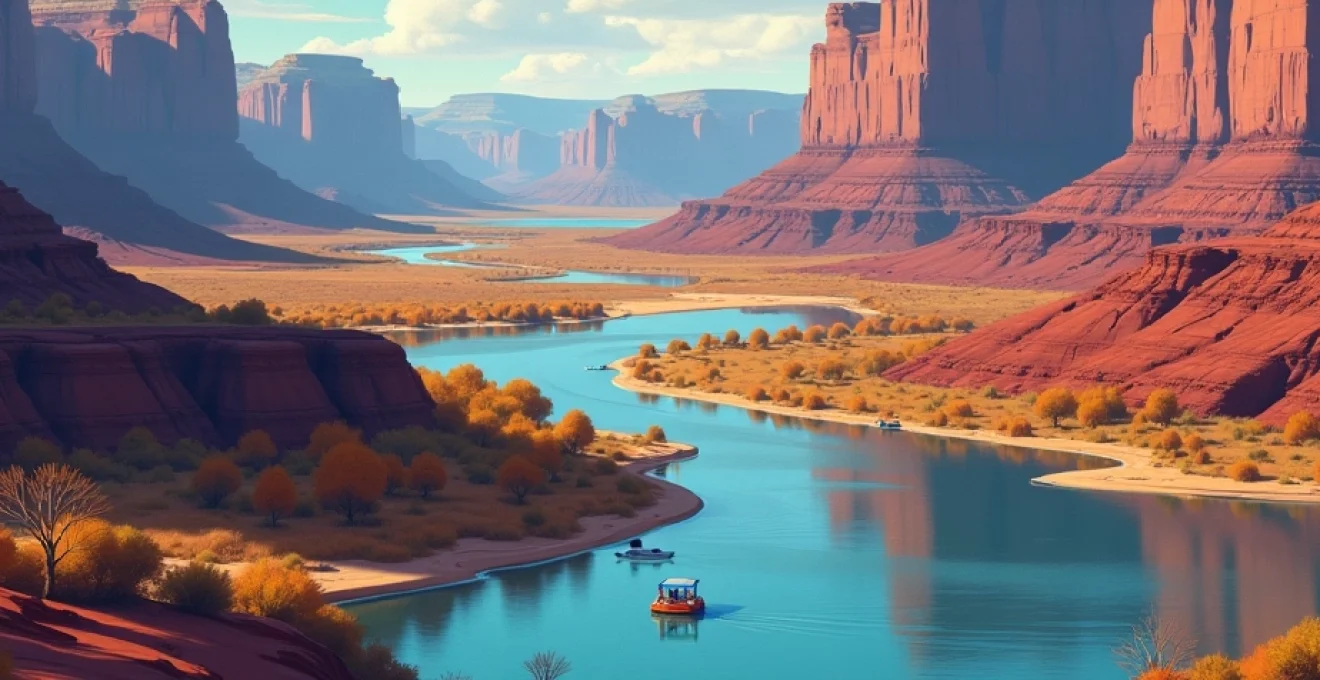
The American Southwest represents one of Earth’s most spectacular geological theaters, where ancient forces have sculpted landscapes of breathtaking beauty and scientific wonder. This vast region encompasses some of the planet’s most iconic national parks, from the incomparable depths of the Grand Canyon to the towering sandstone monoliths of Zion and the delicate arches of Utah’s red rock country. Each destination offers unique experiences that range from challenging wilderness expeditions to accessible scenic drives, making the Southwest an ideal region for both seasoned adventurers and families seeking natural wonder.
The geological diversity found across these protected lands tells a story spanning millions of years, with each park offering distinct ecosystems, archaeological treasures, and recreational opportunities. Desert landscapes transition seamlessly into high-altitude forests, whilst slot canyons carved by flash floods reveal hidden chambers of sculpted stone. This remarkable variety ensures that every visitor can discover something extraordinary, whether seeking solitude in vast wilderness areas or marveling at ancient Ancestral Puebloan ruins.
Essential planning strategies for southwest national parks exploration
Successful exploration of Southwest national parks requires meticulous planning that accounts for extreme climate variations, limited accommodation availability, and the logistical challenges of accessing remote wilderness areas. The region’s popularity has grown exponentially in recent years, with some parks experiencing visitor increases of over 40% since 2010, making advance planning absolutely critical for securing permits, accommodations, and optimal timing for your adventures.
Optimal seasonal timing for desert climate navigation
Understanding the Southwest’s diverse climate zones dramatically impacts the success of your national park experience. Desert elevations typically experience scorching summers with temperatures regularly exceeding 38°C (100°F), making spring and autumn the ideal visiting seasons. March through May and September through November offer comfortable hiking conditions, with daytime temperatures ranging from 18°C to 27°C (65°F to 80°F) and minimal precipitation.
Winter conditions vary significantly by elevation and geographic location. High-altitude areas like Bryce Canyon’s rim areas can experience heavy snowfall and temperatures dropping below -18°C (0°F), whilst lower desert regions maintain pleasant daytime conditions perfect for hiking. This seasonal variation allows experienced travelers to enjoy different parks throughout the year by strategically planning elevation changes and geographic transitions.
National park service reservation systems and timed entry requirements
The National Park Service has implemented sophisticated reservation systems across many Southwest parks to manage visitor flow and protect fragile ecosystems. These systems require advance booking for popular trails, camping areas, and even general park entry during peak seasons. Angels Landing at Zion National Park, for example, now requires permits obtained through a competitive lottery system, with success rates often below 20% during peak seasons.
Understanding permit deadlines and reservation windows can mean the difference between experiencing iconic trails and missing out entirely on bucket-list adventures.
Timed entry systems have become increasingly common, particularly at Grand Canyon National Park’s South Rim and Arches National Park during peak visitation periods. These systems help distribute visitors throughout the day, reducing traffic congestion and environmental impact whilst improving the overall visitor experience through reduced crowding at popular viewpoints and trailheads.
Multi-park pass options and annual america the beautiful pass benefits
The America the Beautiful Annual National Parks Pass represents exceptional value for Southwest park explorers, providing unlimited access to over 2,000 federal recreation sites for £63 annually. This pass pays for itself after visiting just three national parks, making it an essential purchase for anyone planning extensive Southwest exploration. The pass also provides 50% discounts on many camping fees and specialty tour programs.
Regional park combinations offer additional savings opportunities. The Southeast Utah Parks Pass provides access to Arches, Canyonlands, Capitol Reef, Bryce Canyon, and Zion national parks for a reduced combined fee. These regional passes work particularly well for travelers planning concentrated exploration of specific geographical areas over shorter timeframes.
Backcountry permit acquisition for wilderness areas
Wilderness exploration in Southwest national parks requires specialized permits that protect both visitors and pristine environments. Backcountry permits control group sizes, camping locations, and route access to minimize environmental impact whilst ensuring visitor safety in remote areas. These permits often require detailed itinerary submission, group size limitations, and proof of wilderness experience for challenging routes.
Application processes vary significantly between parks, with some accepting permits up to six months in advance whilst others operate on first-come, first-served systems. Popular wilderness routes like the Trans-Zion Trek or Buccaneer Trail in Capitol Reef often fill immediately upon opening, requiring strategic timing and flexible backup plans for permit acquisition success.
Grand canyon national park: south rim vs north rim expedition planning
Grand Canyon National Park stands as the crown jewel of American national parks, attracting over six million visitors annually to witness one of Earth’s most spectacular geological formations. The canyon’s two primary access points—South Rim and North Rim—offer dramatically different experiences, elevation profiles, and seasonal accessibility. Understanding these distinctions enables travelers to select the most appropriate rim for their interests, fitness levels, and visiting timeframes.
The South Rim operates year-round with comprehensive visitor services, extensive trail networks, and multiple viewpoints accessible via shuttle systems and scenic drives. Its lower elevation and developed infrastructure make it ideal for families, first-time visitors, and those seeking accessible canyon experiences. Conversely, the North Rim operates seasonally from mid-May through mid-October due to heavy snowfall, offering a more wilderness-oriented experience with fewer crowds and more challenging trail access.
Bright angel trail and south kaibab trail technical route analysis
The Bright Angel Trail represents the Grand Canyon’s most developed and safest descent route, featuring regular rest houses, emergency phones, and seasonal water availability. This 15.3-kilometer (9.5-mile) trail descends 1,340 meters (4,400 feet) from the South Rim to the Colorado River, with carefully engineered switchbacks that minimize exposure to cliff edges whilst providing spectacular canyon views throughout the descent.
South Kaibab Trail offers a more challenging but arguably more scenic alternative, providing unobstructed panoramic views due to its ridgeline routing. This 11.3-kilometer (7-mile) trail features steeper grades and no seasonal water sources, making it suitable only for experienced hikers with proper preparation. The trail’s exposure to direct sunlight throughout most of the day creates potentially dangerous conditions during summer months, when temperatures can exceed 43°C (110°F) at lower elevations.
North kaibab trail advanced hiking logistics and phantom ranch reservations
The North Kaibab Trail provides the sole maintained route from the North Rim to the Colorado River, traversing 23 kilometers (14.3 miles) through diverse ecosystems ranging from high-altitude forests to riparian desert environments. This challenging trail requires exceptional fitness levels and wilderness experience, as it receives minimal maintenance compared to South Rim alternatives and features limited escape routes once hikers commit to significant descent.
Phantom Ranch reservations represent some of the most coveted accommodations in the national park system, providing the only lodging within the canyon’s interior. These rustic cabins and dormitories book up to 13 months in advance, with availability determined through a competitive lottery system. Alternative accommodation options include designated camping areas at Bright Angel Campground, which also requires advance reservations but offers more flexible booking windows.
Desert view watchtower and hermit road scenic drive itineraries
Desert View Watchtower stands as one of architect Mary Colter’s masterpieces, providing panoramic canyon views from its 21-meter (70-foot) stone observation tower. The drive to Desert View follows the canyon rim for 40 kilometers (25 miles), offering numerous pullouts and hiking trail access points. This route provides excellent alternatives to crowded village viewpoints whilst showcasing geological formations and archaeological sites often overlooked by casual visitors.
The strategic positioning of viewpoints along Desert View Drive creates opportunities for photography during different lighting conditions, with each stop offering unique perspectives on the canyon’s layered geological history.
Hermit Road restricts private vehicle access during peak seasons, requiring visitors to utilize the free shuttle system that stops at nine designated viewpoints over 11 kilometers (7 miles). This scenic drive culminates at Hermits Rest, another Mary Colter design that serves as the trailhead for the challenging Hermit Trail descent into the canyon’s interior.
Colorado river rafting permits and commercial outfitter selection
Colorado River rafting through the Grand Canyon represents one of America’s premier wilderness adventures, with trips ranging from single-day excursions to 21-day complete canyon traversals. Commercial outfitters provide fully guided experiences with professional guides, safety equipment, and meal preparation, whilst private permits allow experienced groups to organize independent expeditions.
Private permit acquisition requires patience and planning, as the waiting list currently extends 10-20 years for popular launch dates. However, last-minute cancellations occasionally create opportunities for flexible travelers willing to accept short notice departures. Commercial outfitters offer more predictable booking, with most trips requiring 6-12 months advance reservation for peak season availability.
Zion national park advanced trail systems and slot canyon navigation
Zion National Park showcases the raw power of water erosion through its network of slot canyons, towering sandstone cliffs, and the Virgin River system that continues sculpting these magnificent formations. The park’s unique geography creates hiking opportunities ranging from easy riverside walks to technical canyoneering expeditions requiring specialized equipment and advanced skills. This diversity ensures that visitors can experience Zion’s beauty regardless of their fitness level or technical expertise.
The park’s elevation range spans from 1,128 meters (3,700 feet) in the canyon depths to over 2,500 meters (8,200 feet) on the high plateaus, creating distinct ecosystems and climate zones within a relatively compact area. Desert flora dominates lower elevations, whilst ponderosa pine and aspen forests thrive in higher altitude areas, providing habitat diversity that supports over 900 plant species and numerous wildlife populations.
Angels landing permit system and Chain-Assisted route preparation
Angels Landing stands among America’s most thrilling and dangerous hiking destinations, featuring a final approach that requires navigating narrow sandstone ridges with the assistance of chain handholds whilst experiencing exposure to 450-meter (1,500-foot) cliff drops. The National Park Service implemented a permit system in 2022 following multiple fatalities and overcrowding issues that created dangerous bottlenecks along the narrow final approach.
Successful Angels Landing ascent requires both physical preparation and mental readiness for significant exposure. The 8.7-kilometer (5.4-mile) round-trip trail gains 454 meters (1,488 feet) of elevation through a series of switchbacks known as Walter’s Wiggles , followed by the technical chains section that should only be attempted by confident hikers with proper footwear and dry conditions.
The narrows Bottom-Up vs Top-Down canyoneering expeditions
The Narrows represents Zion’s most iconic hiking experience, where adventurers wade through the Virgin River between towering slot canyon walls that rise over 300 meters (1,000 feet) whilst narrowing to just 3-4 meters (10-12 feet) in width. The bottom-up approach from the Temple of Sinawava requires no permits for day hiking but involves river walking that can become dangerous during flash flood conditions or high water levels.
Top-down Narrows expeditions provide the complete canyoneering experience, beginning at Chamberlain Ranch and traversing 26 kilometers (16 miles) through pristine wilderness areas before emerging at the Temple of Sinawava. This challenging route requires overnight camping permits, specialized gear for river crossings, and careful weather monitoring due to flash flood risks from storms occurring miles upstream.
Observation point via east mesa trail alternative route planning
Observation Point offers arguably Zion’s most spectacular panoramic views, providing perspectives that encompass Angels Landing, the Virgin River valley, and the layered sandstone formations that define the park’s character. The traditional route from the canyon floor involves a strenuous 12.9-kilometer (8-mile) round-trip climb gaining over 600 meters (2,000 feet) of elevation through steep switchbacks and narrow ridge traverses.
The East Mesa Trail alternative provides backcountry access to Observation Point through a more moderate 11.3-kilometer (7-mile) route that begins from outside the park boundaries. This approach requires high-clearance vehicle access and careful navigation through unmarked terrain but rewards hikers with solitude and unique perspectives on Zion’s eastern wilderness areas rarely visited by typical park guests.
Kolob canyons section and taylor creek trail hidden gems
Kolob Canyons represents Zion’s hidden wilderness section, located 65 kilometers (40 miles) from the main canyon and accessed through a separate park entrance. This area features some of the world’s longest natural arches, pristine slot canyons, and backcountry routes that provide solitude impossible to find in Zion’s main canyon during peak visitation periods.
Taylor Creek Trail leads visitors through a moderate 8-kilometer (5-mile) round-trip hike to Double Arch Alcove, passing historic pioneer cabins and offering creek-side walking through cottonwood groves. This trail provides excellent introduction to Zion’s geological processes whilst avoiding the crowds and permit requirements associated with more popular destinations.
Arches and canyonlands national parks geological formation tours
Arches and Canyonlands national parks protect over 2,000 natural sandstone arches and vast wilderness areas that showcase the Colorado Plateau’s geological complexity across 310,000 acres of southeastern Utah desert landscape. These adjacent parks offer complementary experiences: Arches provides accessible viewing of concentrated geological features, whilst Canyonlands delivers expansive wilderness adventures across three distinct districts carved by the Colorado and Green rivers.
The parks’ proximity enables efficient multi-day exploration, with Moab serving as the regional hub for accommodation, dining, and equipment rental services. The area’s geological formations result from 300 million years of deposition, uplift, and erosion, creating the spectacular landscapes visible today. Understanding these processes enhances appreciation for the continuing changes occurring within these protected environments.
Arches National Park concentrates over 2,000 catalogued arches within its boundaries, ranging from massive formations like Landscape Arch spanning 93 meters (306 feet) to delicate features requiring careful observation to locate. The park’s relatively compact size and excellent road system make it possible to visit multiple iconic formations during single-day visits, though each area rewards extended exploration for those seeking photographic opportunities or detailed geological study.
Canyonlands National Park encompasses three distinct districts separated by river canyons and accessed through different entrance roads. The Island in the Sky district provides mesa-top perspectives over 300-meter (1,000-foot) cliff systems, Needles district offers colorful sandstone spires and challenging backcountry routes, and the remote Maze district attracts experienced wilderness travelers seeking true solitude in one of America’s most inaccessible national park areas.
Popular arch formations follow predictable daily lighting patterns that create optimal photography conditions at specific times. Delicate Arch achieves its most dramatic appearance during the golden hour preceding sunset, when the salmon-colored sandstone glows against the backdrop of the La Sal Mountains. Landscape Arch benefits from morning lighting that illuminates its impossible span without harsh shadows that can obscure structural details.
The geological processes creating these arches continue today, with several formations experiencing documented changes during recent decades, reminding visitors of the ongoing forces shaping these landscapes.
Joshua tree national park desert ecosystem and rock formation analysis
Joshua Tree National Park protects the intersection of two distinct desert ecosystems—the Mojave and Colorado deserts—creating unique biodiversity and geological features across 3,200 square kilometers (1,235 square miles) of Southern California wilderness. The park’s signature Joshua trees (Yucca brevifolia) reach their southernmost natural range here, creating forests of these distinctive plants that can live over 150 years and grow to heights exceeding 12 meters (40 feet).
The park’s massive granite monoliths and boulder formations attract rock climbers from around the world, with over 8,000 established climbing routes ranging from beginner-friendly boulder problems to challenging multi-pitch traditional routes. These formations result from ancient volcanic activity and millions of years of weathering that created the rounded granite shapes and unique rock textures that define Joshua Tree’s character.
Wildlife adaptation strategies in Joshua Tree demonstrate remarkable evolutionary responses to extreme desert conditions. Over 250 bird species utilize the park seasonally, with many timing migrations to coincide with blooming cycles of various desert plants. Mammals like desert bighorn sheep, kit foxes, and ringtails employ behavioral and physiological
adaptations to survive in environments where summer temperatures exceed 49°C (120°F) and annual rainfall rarely exceeds 127mm (5 inches). Understanding these survival strategies enhances visitor appreciation for the remarkable resilience of desert life.
The park’s elevation range from 415 meters (1,361 feet) to over 1,772 meters (5,814 feet) creates distinct climate zones that support different plant communities. Lower Colorado Desert sections feature distinctive creosote bush scrublands, barrel cacti, and cholla gardens, whilst higher Mojave Desert elevations support Joshua tree woodlands, pinyon pine forests, and seasonal wildflower displays that can be spectacular during favorable rainfall years.
Rock climbing opportunities at Joshua Tree span all skill levels and climbing disciplines. The park’s granite formations provide excellent friction climbing on textured surfaces that remain climbable year-round due to the region’s minimal precipitation. Popular climbing areas like Skull Rock, Jumbo Rocks, and Hidden Valley offer concentrated route selections within walking distance of parking areas, making them ideal for families and beginning climbers seeking introduction to desert rock climbing.
The unique granite composition at Joshua Tree creates climbing surfaces that improve with age and use, developing better texture and grip as climbers polish the rock through repeated ascents.
Advanced climbers gravitate toward multi-pitch traditional routes on formations like Intersection Rock and the Wonderland of Rocks, where complex route-finding and gear placement skills combine with spectacular desert exposure. These areas require extensive experience with desert climbing techniques, including heat management, water conservation, and navigation through maze-like boulder fields that can disorient even experienced outdoor enthusiasts.
Specialised southwest parks: capitol reef, bryce canyon, and mesa verde archaeological sites
Beyond the internationally renowned destinations, the Southwest’s specialized national parks offer intimate encounters with geological wonders and cultural heritage sites that provide deeper understanding of the region’s natural and human history. Capitol Reef, Bryce Canyon, and Mesa Verde each protect unique resources that require different exploration strategies and offer distinct rewards for visitors willing to venture beyond the most popular Southwest destinations.
Capitol Reef National Park preserves a 160-kilometer (100-mile) section of the Waterpocket Fold, a spectacular geological wrinkle in the Earth’s crust that exposes rock layers spanning 270 million years of geological history. This dramatic monocline creates towering sandstone cliffs, hidden canyons, and natural arches whilst protecting historic pioneer settlements and Ancestral Puebloan petroglyphs that document thousands of years of human presence in this remote desert region.
The park’s Scenic Drive provides access to pioneer-era Fruita Historic District, where visitors can explore preserved homesteads, schoolhouses, and working orchards that demonstrate early settlement challenges in this harsh but beautiful environment. Seasonal fruit harvesting opportunities allow visitors to experience historical land use practices whilst supporting park preservation efforts through volunteer programs that maintain these culturally significant agricultural areas.
Bryce Canyon National Park protects a series of natural amphitheaters carved from the Paunsaugunt Plateau, creating the world’s most extensive collection of rock formations called hoodoos. These colorful spires result from specific geological conditions including limestone composition, elevation-induced freeze-thaw cycles, and precise erosion patterns that create the park’s distinctive red, orange, and white rock sculptures rising from forested canyon floors.
The park’s elevation range from 2,400 to 2,700 meters (8,000 to 9,000 feet) creates mountain climate conditions rare in the Southwest, with heavy winter snowfall and summer temperatures that rarely exceed 27°C (80°F). This elevation provides comfortable hiking conditions during summer months when lower desert parks become dangerously hot, making Bryce Canyon an excellent complement to heat-sensitive travelers exploring the region during peak visitation periods.
Mesa Verde National Park stands alone among Southwest destinations by focusing primarily on archaeological preservation rather than geological features, protecting over 5,000 documented sites including 600 spectacular cliff dwellings.
Mesa Verde’s archaeological treasures span over 700 years of Ancestral Puebloan civilization, with sites ranging from early pit houses dating to 600 CE through elaborate cliff palaces constructed during the 1200s. The park’s ranger-guided tours provide exclusive access to preserved structures like Cliff Palace, Balcony House, and Long House, where visitors can experience the architectural sophistication and cultural complexity of these ancient communities.
Specialized tour programs at Mesa Verde require advance reservations and often fill months ahead during peak seasons. These intimate group experiences allow visitors to enter actual dwelling structures whilst learning about daily life, agricultural practices, and the eventual migration patterns that led to the abandonment of these spectacular settlements around 1300 CE.
The park’s research facilities continue making important archaeological discoveries, with ongoing excavations and preservation projects that provide new insights into Ancestral Puebloan culture. Visitor participation opportunities include archaeology programs that allow guests to observe active research projects and learn about modern preservation techniques used to protect these irreplaceable cultural resources for future generations.
Trail systems at these specialized parks offer unique hiking experiences unavailable elsewhere in the Southwest. Capitol Reef’s backcountry routes traverse slot canyons, natural bridges, and hidden arches whilst following historic Mormon pioneer trails that provide cultural context for settlement challenges in remote desert environments. These trails require careful navigation skills and desert hiking experience but reward adventurous visitors with solitude and discoveries impossible to find at more developed destinations.
Bryce Canyon’s trail network descends into the hoodoo formations through switchbacking paths that provide intimate access to these geological sculptures. The Navajo Loop and Queen’s Garden trails offer moderate hiking opportunities suitable for most visitors, whilst the challenging Fairyland Loop and Peekaboo Loop provide extended exploration opportunities through areas where geological processes remain actively visible through ongoing erosion and weathering.
Planning visits to these specialized parks requires understanding their distinct seasonal patterns and access limitations. Capitol Reef maintains year-round accessibility with pleasant conditions during spring and autumn months, whilst summer temperatures can exceed 38°C (100°F) and winter conditions may create challenging driving situations on unpaved backcountry roads. Bryce Canyon’s elevation creates snow conditions lasting from November through April, limiting trail access but providing spectacular winter scenery for properly equipped visitors.
Accommodation strategies for these parks differ significantly from major destinations, with limited lodging options requiring advance planning or willingness to stay in gateway communities located considerable distances from park entrances. Capitol Reef offers limited camping facilities and no lodging within park boundaries, whilst Bryce Canyon provides lodge accommodation that books months in advance during peak seasons. Mesa Verde’s lodging availability improves accessibility to archaeological tours that begin early in the morning and require proximity to park headquarters.