Australia’s vast continental landscape makes domestic aviation an essential component of the nation’s transport infrastructure, connecting major metropolitan centres with remote regional communities across distances that would otherwise require days of overland travel. The domestic aviation market serves approximately 60 million passengers annually, with routes spanning from the tropical north of Queensland to the temperate regions of Tasmania, creating one of the world’s most geographically diverse flight networks.
Understanding the complexities of Australia’s domestic aviation landscape requires insight into airline operations, pricing structures, airport procedures, and regulatory frameworks that govern this critical transport sector. Whether you’re planning a business trip between capital cities or exploring regional destinations, navigating the domestic flight ecosystem effectively can significantly impact your travel experience and budget. The sophisticated interplay between airline revenue management systems, seasonal demand fluctuations, and operational constraints creates a dynamic environment where informed travellers can optimise their journey planning and booking strategies.
Major australian domestic airlines: fleet specifications and route networks
The Australian domestic aviation market operates through a carefully structured network of full-service carriers, low-cost airlines, and regional operators, each serving distinct market segments with specialised aircraft configurations and route strategies. This competitive landscape has evolved significantly over the past decade, with consolidation, expansion, and fleet modernisation programmes reshaping how airlines serve the continent’s diverse travel demands.
Jetstar airways boeing 787 dreamliner and airbus A320 fleet analysis
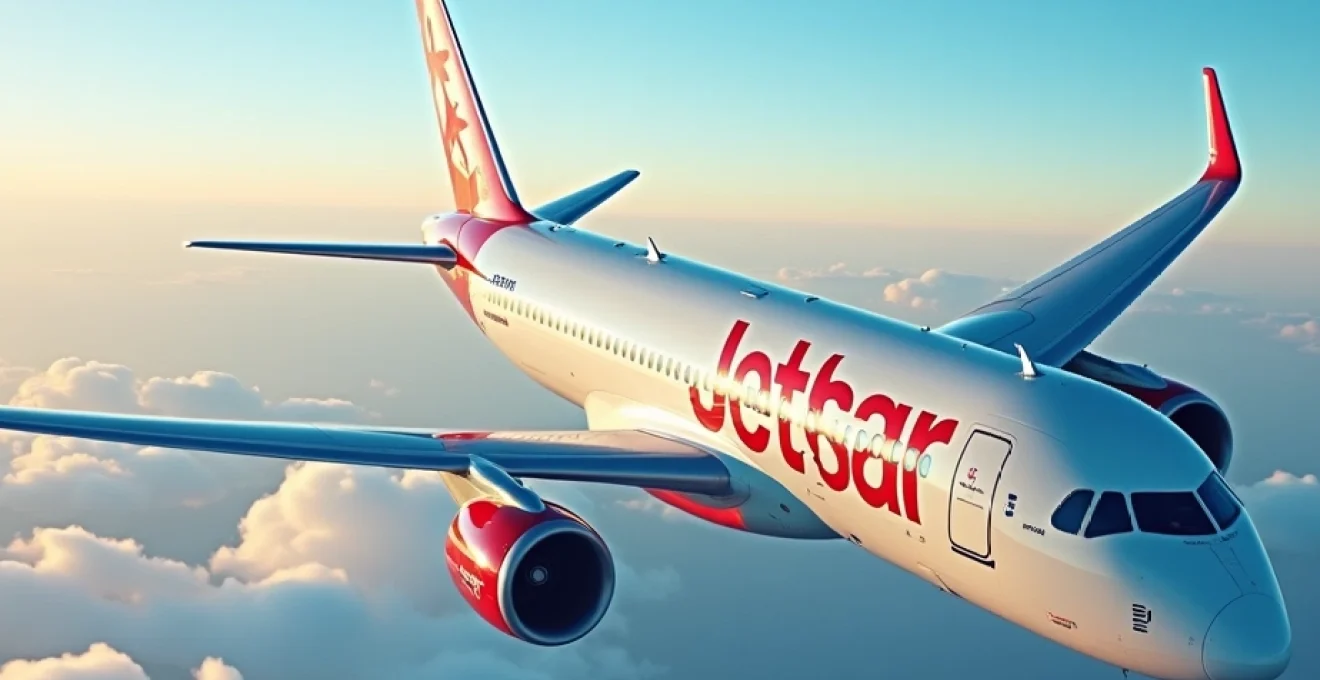
Jetstar Airways operates a predominantly Airbus A320 family fleet for domestic services, with 787 Dreamliners reserved primarily for international and select transcontinental routes. The airline’s A320 aircraft feature a single-class configuration with 180 seats, optimised for high-density operations on popular trunk routes such as Sydney-Melbourne and Brisbane-Gold Coast. This configuration allows Jetstar to maintain competitive pricing whilst maximising aircraft utilisation rates across Australia’s busiest corridors.
The carrier’s network strategy focuses on point-to-point connectivity, avoiding the complexity of traditional hub-and-spoke operations that characterise legacy carriers. Jetstar’s route planning algorithms prioritise high-frequency services on established routes whilst selectively entering underserved markets where demand justifies dedicated aircraft deployment. The airline’s operational model emphasises quick turnaround times, with ground crews trained to achieve 25-minute turnarounds at major airports, enabling increased daily utilisation and lower per-seat costs.
Virgin australia boeing 737 MAX and ATR regional aircraft operations
Virgin Australia’s domestic fleet centres around the Boeing 737-800 and newer 737 MAX aircraft, supplemented by ATR 72-600 turboprops for regional services. The 737 fleet operates in multiple configurations, ranging from all-economy layouts with 176 seats to premium configurations featuring business class cabins with 8 seats and 158 economy seats. This flexibility allows Virgin to deploy appropriate aircraft types based on route characteristics and passenger demographics.
The airline’s ATR regional aircraft serve essential connectivity between major centres and regional airports with shorter runway lengths, operating routes such as Brisbane-Emerald and Adelaide-Mount Gambier. These turboprop aircraft feature 68-seat configurations optimised for regional travel patterns, where passenger loads fluctuate significantly based on mining industry schedules and seasonal tourism demands. Virgin’s regional network strategy emphasises connectivity through Brisbane and Melbourne hubs, enabling seamless transfers between mainline and regional services.
Qantas group domestic network: boeing 737-800 and dash 8 services
Qantas operates the most extensive domestic network in Australia, utilising Boeing 737-800 aircraft for mainline services and Bombardier Dash 8 turboprops through subsidiary QantasLink for regional connectivity. The mainline fleet features various cabin configurations, including premium economy and business class options on key routes such as Sydney-Perth and Melbourne-Brisbane. This product differentiation strategy allows Qantas to capture higher-yield passengers whilst maintaining competitive positioning in price-sensitive market segments.
QantasLink’s Dash 8 operations connect over 60 regional destinations across Australia, with aircraft ranging from 36-seat Dash 8-300 models to 74-seat Dash 8-400 variants. The regional network serves mining communities, agricultural centres, and tourism destinations that lack sufficient demand for larger aircraft. QantasLink’s route planning incorporates mining company contracts, government subsidies for essential air services, and seasonal tourism patterns to maintain viable operations across Australia’s remote regions.
Rex airlines saab 340 turboprop regional connectivity
Regional Express Airlines operates Australia’s largest regional aviation network using Saab 340 turboprop aircraft, serving routes that major carriers have abandoned or consider commercially unviable. The airline’s 34-seat Saab 340 fleet provides essential connectivity between regional centres and capital cities, with a particular focus on New South Wales and South Australian routes. Rex’s operational model prioritises schedule reliability and community service over profit maximisation, supported by government subsidies for essential air services.
The carrier’s recent expansion into jet operations with Boeing 737-800 aircraft on trunk routes represents a significant strategic shift, challenging the traditional duopoly of Qantas and Virgin Australia. This expansion utilises a simplified service model with competitive pricing and reliable operations, targeting price-sensitive leisure travellers and cost-conscious business passengers. Rex’s trunk route operations complement rather than replace its regional turboprop network, creating opportunities for passenger feed between regional and mainline services.
Tigerair australia route consolidation and fleet retirement impact
The cessation of Tigerair Australia operations in 2020 significantly altered the domestic competitive landscape, eliminating a key low-cost carrier that served price-sensitive market segments. Tigerair’s Airbus A320 fleet and route network were absorbed into Virgin Australia’s operations, reducing overall industry capacity whilst consolidating market share among remaining carriers. This consolidation has implications for fare levels and service frequency on routes previously served by Tigerair.
The integration process involved reallocating airport slots, crew resources, and maintenance facilities, whilst Virgin Australia selectively continued some Tigerair routes under its own brand. Former Tigerair destinations such as Cairns and Whitsunday Coast Airport experienced reduced service frequency, impacting tourism accessibility and regional economic development. The market consolidation demonstrates how airline failures can create lasting changes in route availability and competitive dynamics across the domestic network.
Australian domestic aviation pricing algorithms and fare class structures
Australian domestic airlines employ sophisticated revenue management systems that continuously adjust pricing based on booking patterns, seasonal demand, competitor actions, and historical performance data. These algorithmic pricing models create complex fare structures designed to maximise revenue whilst maintaining competitive positioning across diverse market segments and route characteristics.
Dynamic revenue management systems in australian aviation
Modern airline revenue management systems utilise machine learning algorithms that analyse thousands of variables to optimise pricing decisions in real-time. These systems consider booking pace, historical demand patterns, competitive pricing, seasonal trends, and external factors such as major events or weather disruptions. Australian carriers have invested heavily in these technologies, with Qantas and Virgin Australia deploying systems that can adjust fares multiple times daily based on market conditions.
The sophistication of these systems enables airlines to practice dynamic pricing similar to hotel and ride-sharing industries, where identical seats can command vastly different prices depending on purchase timing and demand conditions. Peak booking periods such as Friday afternoons for business routes or school holiday periods for leisure destinations trigger automatic fare increases, whilst low-demand periods may see promotional pricing deployed to stimulate bookings and improve aircraft load factors.
Advance purchase excursion fares versus flexible business tariffs
Australian airlines structure their fare classes to segment passengers based on flexibility requirements and price sensitivity, creating distinct product offerings for different travel purposes. Advance purchase excursion fares target leisure travellers with significant booking lead times, offering substantial discounts in exchange for change restrictions and advance purchase requirements. These fares typically require bookings 7-21 days in advance with limited or no change flexibility.
Flexible business tariffs cater to corporate travellers requiring schedule flexibility and premium services, commanding significantly higher prices whilst offering unlimited changes, refundability, and priority services. The price differential between these fare classes can exceed 300% on popular routes, reflecting the different value propositions and cost structures associated with serving distinct passenger segments. Airlines carefully manage the availability of discounted fares to prevent revenue dilution from high-yield passengers trading down to lower fare classes.
Revenue management systems continuously balance between filling seats at lower prices versus holding inventory for higher-yield last-minute bookings, creating the dynamic pricing environment that characterises modern airline operations.
Peak season surcharges during school holidays and mining Fly-In-Fly-Out schedules
Australian school holiday periods create predictable demand spikes that airlines leverage through systematic peak season surcharges, particularly on leisure routes to destinations such as the Gold Coast, Cairns, and Perth. These surcharges can increase base fares by 50-100% during peak periods, reflecting both increased demand and operational costs associated with higher passenger volumes. Airlines adjust their capacity deployment strategies during these periods, often upgrading to larger aircraft or increasing service frequency to capture additional revenue.
Mining industry fly-in-fly-out (FIFO) schedules create unique demand patterns on routes serving resource communities, with concentrated booking periods aligned with roster changes and project schedules. Airlines serving mining routes often negotiate block bookings with resource companies, guaranteeing capacity in exchange for volume commitments. These arrangements provide revenue stability whilst requiring specialised operational planning to accommodate charter requirements alongside regular passenger services.
Frequent flyer programme redemption rates and award availability matrices
Australian airline frequent flyer programmes employ complex award pricing structures that vary based on route popularity, seasonal demand, and programme strategic objectives. Qantas Frequent Flyer and Virgin Australia Velocity programmes utilise dynamic award pricing that adjusts redemption requirements based on cash fare levels and seat availability. Popular routes during peak periods may require 2-3 times the standard redemption rates, whilst off-peak periods offer enhanced redemption value.
Award availability matrices are carefully managed to balance member satisfaction with revenue protection, typically releasing 10-15% of aircraft capacity for award bookings whilst reserving premium inventory for cash-paying passengers. Airlines employ sophisticated algorithms to determine award availability, considering factors such as booking pace, historical performance, and competitive positioning. Classic Reward seats at standard redemption rates are released according to predetermined schedules, whilst Any Seat awards at higher redemption rates provide flexibility for members willing to pay premium point prices.
Terminal infrastructure and Check-In procedures across major australian airports
Australia’s major airports have invested billions of dollars in terminal infrastructure upgrades designed to accommodate growing passenger volumes whilst improving operational efficiency and passenger experience. These investments encompass automated check-in systems, biometric processing technologies, and enhanced security screening capabilities that streamline passenger flows and reduce processing times.
Sydney kingsford smith terminal 2 domestic operations and gate configurations
Sydney Airport’s Terminal 2 serves as the primary domestic terminal, handling over 25 million passengers annually through a sophisticated infrastructure designed to manage Australia’s busiest domestic route network. The terminal features 28 aircraft gates configured to handle aircraft ranging from 34-seat regional turboprops to 180-seat single-aisle jets, with jet bridge and ground loading capabilities optimised for rapid aircraft turnarounds.
The gate configuration includes multiple pier structures that allow simultaneous boarding of several aircraft, reducing congestion during peak periods when major carriers operate complex wave schedules. Terminal 2’s design incorporates segregated departure and arrival flows that minimise passenger conflicts whilst enabling efficient connections between domestic services. Advanced gate management systems coordinate aircraft parking assignments with airline schedule requirements, optimising utilisation whilst accommodating last-minute operational changes.
Melbourne tullamarine terminal 1 security screening and baggage handling systems
Melbourne Airport’s Terminal 1 domestic operations utilise state-of-the-art security screening technology including computed tomography (CT) scanners that enable passengers to keep laptops and liquids in carry-on bags during screening. This technology significantly reduces processing times whilst maintaining security standards, with typical security wait times averaging 5-10 minutes during off-peak periods and 15-20 minutes during morning and evening peak travel times.
The terminal’s integrated baggage handling system processes over 40,000 bags daily through automated sorting and screening technologies that achieve 99.5% on-time performance rates. The system incorporates redundant conveyor paths and backup screening equipment that maintain operations during equipment maintenance or unexpected failures. Passengers receive real-time baggage tracking notifications through airline mobile applications, providing visibility into bag location and estimated delivery times to baggage claim carousels.
Brisbane airport terminal domestic automated Check-In kiosks and biometric processing
Brisbane Airport has deployed extensive automated check-in infrastructure including 200+ self-service kiosks that handle 85% of domestic check-in transactions without human intervention. These kiosks integrate with airline reservation systems to provide seat selection, baggage tag printing, and boarding pass issuance whilst offering multilingual interfaces for international transfer passengers continuing on domestic services.
Biometric processing systems at Brisbane Airport utilise facial recognition technology for identity verification and boarding gate access, reducing processing times whilst enhancing security protocols. The system links passenger identification with travel documents and security screening records, enabling streamlined boarding processes that eliminate the need for physical document checks at aircraft doors. Early trials indicate 40% reduction in boarding times for flights utilising biometric gate systems compared to traditional boarding processes.
Perth airport terminal 3 and terminal 4 domestic transfer procedures
Perth Airport operates domestic services across two terminals, with Terminal 3 serving Virgin Australia and Terminal 4 handling Qantas, Rex, and other carriers. The split terminal configuration requires inter-terminal transfers for passengers connecting between airlines, utilising dedicated shuttle bus services that operate every 10 minutes during peak periods. Transfer procedures include security re-screening for passengers moving between terminals, adding 30-45 minutes to minimum connection times.
The airport has implemented enhanced transfer coordination systems that track connecting passenger itineraries and provide real-time updates to airline operations centres regarding potential misconnections. These systems enable proactive rebooking and accommodation arrangements for passengers facing tight connections due to delayed arriving flights or extended transfer times. Perth’s unique geographical position as a gateway to Western Australia mining regions requires specialised handling for passengers carrying mining equipment and work-related gear subject to enhanced security screening procedures.
Australian transport security administration compliance and restricted items regulations
The Australian Government Department of Home Affairs oversees aviation security through comprehensive regulations administered by the Office of Transport Security, establishing strict compliance requirements for passengers, airlines, and airport operators. These regulations encompass prohibited items lists, screening procedures, and threat response protocols designed to maintain aviation security whilst minimising passenger inconvenience and operational disruptions.
Domestic flight security screening in Australia follows international best practices whilst incorporating specific requirements for Australia’s unique operational environment. Restricted items regulations prohibit weapons, explosives, flammable materials, and certain tools in carry-on luggage whilst permitting these items in checked baggage subject to quantity limitations and packaging requirements. The regulations include specific provisions for sporting equipment, camping gear, and work tools commonly carried by passengers travelling to regional destinations.
Security compliance extends beyond passenger screening to encompass comprehensive background checks for aviation workers, mandatory training programmes for security personnel, and regular audits of airport and airline security procedures. Airlines must maintain detailed security protocols covering crew training, aircraft security checks, and coordination with law enforcement agencies during security incidents. Non-compliance with security regulations can result in significant penalties, operational restrictions, and potential suspension of operating certificates.
Security screening procedures balance thorough threat detection with operational efficiency, utilising advanced technology and risk-based screening protocols to maintain safety whilst minimising passenger delays.
The regulatory framework includes provisions for enhanced screening procedures during elevated threat levels, enabling rapid implementation of additional security measures without advance notice to passengers or airlines. These procedures may include additional physical searches, explosive trace detection screening, and restrictions on electronic device usage during flights. Passengers are advised to arrive with sufficient time buffers to accommodate potential enhanced screening requirements during their travel.
Connecting flight protocols between australian capital cities and regional destinations
Australia’s hub-and-spoke domestic network requires sophisticated connection protocols that enable seamless transfers between mainline services and regional flights, particularly for passengers travelling from capital cities to remote destinations served only by smaller aircraft. These protocols encompass baggage transfer procedures, minimum connection times, and passenger reaccommodation policies designed to maintain schedule integrity whilst accommodating operational disruptions.
Major Australian airports maintain dedicated connection areas that enable domestic-to-domestic transfers without security re-screening, provided passengers remain within secure zones and carry connecting boarding passes. Connection times vary by airport and airline, with minimum connection times ranging from 45 minutes at smaller airports to 90 minutes at major hubs during peak periods. Airlines coordinate their wave schedules to optimise connection opportunities, clustering arrivals and departures to minimise passenger waiting times whilst maintaining operationally viable turnaround requirements.
Passenger reaccommodation policies become critical when weather disruptions or mechanical issues affect connecting flights, with airlines maintaining agreements for reciprocal passenger handling between carriers serving the same routes. QantasLink passengers missing connections due to weather delays may be transferred to Virgin Australia regional services where capacity permits, whilst Rex Airlines coordinates with major carriers to accommodate passengers on alternative routing through different hub airports.
Baggage transfer protocols ensure passenger luggage reaches final destinations even when connections are missed, utilising automated tracking systems that monitor bag locations throughout the transfer process. Airlines maintain contingency procedures for routing baggage on subsequent flights when passengers are reaccommodated, with guaranteed delivery to passenger accommodations or final destinations within 24 hours of original scheduled arrival times.
Seasonal weather disruptions and alternative airport diversion procedures in australian aviation
Australia’s diverse climate patterns create significant operational challenges for domestic aviation, with tropical cyclones affecting northern routes during summer months, fog disruptions in southern capitals during winter, and bushfire smoke impacting visibility across multiple regions simultaneously. These weather phenomena require comprehensive contingency planning that encompasses flight diversions, passenger accommodation, and crew duty time management to maintain operational safety whilst minimising passenger inconvenience.
Cyclone season from November through April creates predictable disruption patterns for routes serving Darwin, Cairns, Townsville, and other northern destinations, with airlines implementing proactive cancellation policies to avoid stranding passengers in affected regions. Weather routing systems utilise advanced meteorological forecasting to identify alternative flight paths that avoid severe weather whilst maintaining fuel efficiency and schedule adherence. Airlines coordinate with airport authorities to ensure adequate ground support equipment and passenger handling facilities are available at diversion airports that may experience sudden influxes of unscheduled arrivals.
Alternative airport procedures become essential when primary destinations experience extended closures due to weather events, with major carriers maintaining agreements for passenger handling at secondary airports within reasonable ground transport distances. Perth flights may divert to Kalgoorlie during severe weather, whilst Melbourne services might utilise Avalon Airport when Tullamarine experiences fog-related closures. These diversions require coordination between multiple stakeholders including ground handling companies, transportation providers, and accommodation services.
Winter fog conditions in Melbourne, Adelaide, and Canberra create recurring operational challenges that airlines address through adjusted scheduling and enhanced weather monitoring systems. Autoland-capable aircraft and pilots with appropriate ratings enable continued operations in reduced visibility conditions, whilst airports maintain sophisticated ground movement radar systems that facilitate safe aircraft operations during low-visibility periods. Airlines often delay departures to these destinations rather than risk diversions, utilising real-time weather updates to optimise departure timing.
Bushfire seasons create unique challenges where multiple airports may simultaneously experience reduced visibility or air quality concerns, requiring system-wide operational adjustments and passenger rebooking across entire route networks.
Emergency response protocols encompass passenger welfare considerations during extended delays, with airlines maintaining relationships with local accommodation providers and ground transportation companies to ensure passenger comfort during weather-related disruptions. These protocols include provisions for meal vouchers, accommodation arrangements, and alternative transportation options when weather delays extend beyond acceptable limits. The sophisticated coordination required during major weather events demonstrates the resilience built into Australia’s domestic aviation infrastructure through decades of operational experience managing diverse climate challenges.