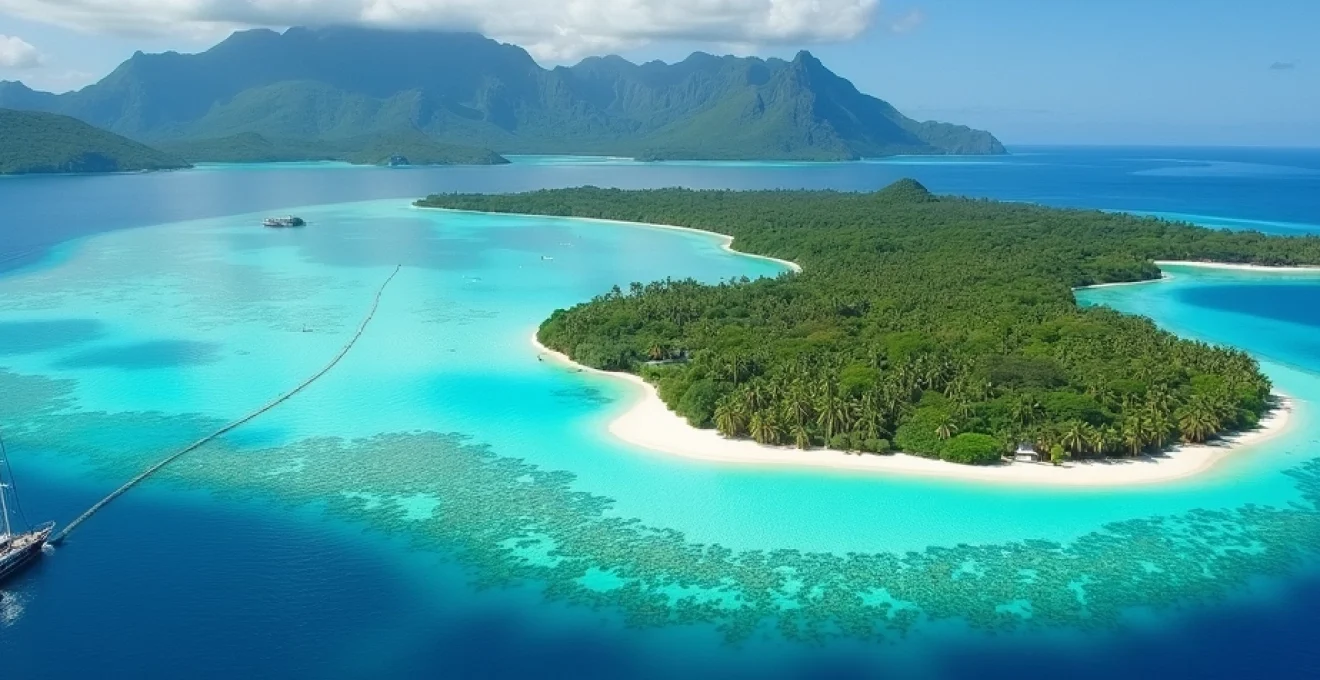
French Polynesia stands as one of the world’s most extraordinary archipelagic destinations, comprising 118 islands scattered across an oceanic expanse roughly equivalent to the size of Europe. This South Pacific paradise offers travellers an unparalleled opportunity to experience diverse ecosystems, from volcanic peaks shrouded in emerald vegetation to pristine coral atolls encircling turquoise lagoons. The complexity of navigating between these remote islands requires careful planning, yet the rewards are immeasurable for those who venture beyond the typical resort experience.
The archipelagos of French Polynesia each possess distinct characteristics that define their appeal to different types of travellers. Understanding the nuances of inter-island transportation, accommodation options, and seasonal variations becomes crucial for crafting an itinerary that maximises both time and budget. Modern infrastructure developments have made island hopping more accessible than ever before, whilst maintaining the authentic Polynesian atmosphere that draws visitors from around the globe.
Essential Inter-Island transportation methods in french polynesia
Navigating between French Polynesia’s scattered islands requires understanding the various transportation networks that connect these remote outposts. The geographical isolation of many islands means that transportation options vary significantly depending on your chosen destinations, with some routes offering multiple daily services whilst others operate only weekly. The key to successful island hopping lies in coordinating these different transport modes to create a seamless journey across the archipelagos.
Air moana and air tahiti domestic flight networks
Air Tahiti operates the most comprehensive inter-island flight network in French Polynesia, serving 47 islands across all five archipelagos with a fleet of ATR aircraft perfectly suited for short-haul Pacific routes. The airline’s hub-and-spoke system centres on Tahiti’s Faa’a International Airport, though direct flights between outer islands eliminate the need for constant backtracking through the main hub. Flight frequencies vary dramatically, with popular Society Islands routes offering multiple daily services whilst remote Marquesas destinations may have only two flights per week.
Air Moana, the newer competitor in the domestic market, focuses primarily on the Society Islands circuit, offering an alternative to Air Tahiti’s near-monopoly on certain routes. The airline’s modern fleet and competitive pricing have introduced healthy competition that benefits travellers seeking flexibility in their island-hopping schedules. Booking strategies become particularly important during French school holidays and the peak tourist season from May to October, when advance reservations are essential for securing seats on popular routes.
Inter-island ferry services via aremiti and terevau
Ferry services provide an economical alternative to flying, particularly for travellers seeking a more leisurely pace and the opportunity to transport vehicles between islands. Aremiti operates high-speed catamarans between Tahiti and Moorea, completing the 17-kilometre journey in approximately 30 minutes with departures every two hours during peak periods. These vessels accommodate both foot passengers and vehicles, making them particularly valuable for travellers planning extended stays on individual islands.
Terevau services connect Tahiti with Moorea using conventional ferries that take approximately 45 minutes but offer more cargo capacity and slightly lower fares. The scenic journey provides spectacular views of both islands’ mountainous profiles and offers an excellent introduction to the dramatic topography that defines French Polynesia’s volcanic islands. Ferry schedules adapt to local demand patterns, with increased frequency during weekends and local holidays when residents travel between islands for family visits and commerce.
Private charter boat navigation between archipelagos
Private charter boats represent the ultimate flexibility for island hopping, allowing travellers to create bespoke itineraries that access remote motus and secluded anchorages unreachable by scheduled services. Bareboat charters require internationally recognised sailing qualifications, whilst skippered charters provide expert local knowledge and navigation skills essential for safely traversing French Polynesia’s complex coral reef systems. Charter boats range from modest sailing yachts suitable for couples to luxury catamarans accommodating extended groups with full crew service.
The charter season peaks during the dry season from May to October, when trade winds provide consistent sailing conditions and tropical storms remain uncommon. Popular charter routes include the Leeward Islands circuit encompassing Bora Bora, Taha’a, Raiatea, and Huahine, which offers protected waters and short passages between islands. More adventurous charter itineraries venture into the Tuamotu Archipelago, where experienced sailors can explore pristine atolls and world-class diving sites far from conventional tourist circuits.
Cargo ship passenger services for extended island routes
Cargo ships provide adventurous travellers with access to remote islands whilst offering an authentic glimpse into local commerce and daily life across French Polynesia. The Aranui 5, French Polynesia’s most famous cargo-passenger vessel, operates 14-day circuits that include the remote Marquesas Islands alongside stops in the Society Islands and Tuamotu Archipelago. These voyages combine freight delivery with passenger service, creating a unique travel experience that showcases the logistical challenges of supporting island communities.
Smaller cargo vessels serve specific inter-island routes, particularly connecting outer islands within individual archipelagos where air services operate infrequently. Passenger accommodations range from basic deck space to comfortable cabins, with meals typically included and prepared from fresh local ingredients acquired at island stops. Schedules depend on cargo requirements and weather conditions, requiring flexible travel plans that accommodate potential delays or route modifications based on operational necessities.
Strategic island selection across the five archipelagos
French Polynesia’s five distinct archipelagos each offer unique characteristics that appeal to different travel styles and interests. The Society Islands provide the classic tropical paradise experience with luxury resorts and developed tourism infrastructure, whilst the remote Marquesas Islands showcase rugged volcanic landscapes and preserved Polynesian culture. Understanding these differences enables travellers to select islands that align with their preferences for adventure, relaxation, cultural immersion, or natural exploration.
Society islands circuit: tahiti, moorea, bora bora, and huahine
The Society Islands represent French Polynesia’s tourism heartland, offering the perfect introduction to Polynesian island hopping with excellent infrastructure and diverse accommodation options. Tahiti serves as the natural starting point, providing international airport access and urban amenities including markets, museums, and cultural sites that offer context for the broader Polynesian experience. The island’s black sand beaches and mountainous interior provide striking contrasts to the white sand atolls found elsewhere in the archipelago.
Moorea, just 30 minutes from Tahiti by ferry, delivers the quintessential tropical island experience with dramatic mountain peaks, pristine lagoons, and excellent snorkelling opportunities. The island’s compact size makes it ideal for short visits, whilst the variety of activities from hiking to water sports ensures appeal across different interest levels. Bora Bora’s iconic silhouette and luxury overwater bungalows represent the ultimate in tropical sophistication, though the island’s small size and focus on high-end tourism create a more exclusive atmosphere.
Huahine offers a more authentic Polynesian experience with fewer tourists and stronger preservation of traditional island life. The island’s archaeological sites, vanilla plantations, and traditional villages provide cultural depth often missing from more developed destinations. Its twin islands connected by a short bridge offer varied landscapes from coastal plains to mountainous interiors, creating diverse exploration opportunities within a manageable geographic area.
Marquesas islands remote exploration: nuku hiva and hiva oa
The Marquesas Islands provide French Polynesia’s most dramatic and culturally significant experience, featuring towering volcanic peaks, ancient archaeological sites, and communities that maintain strong connections to traditional Polynesian customs. Nuku Hiva, the largest island, offers spectacular hiking opportunities through cloud forests to remote valleys where archaeological sites showcase pre-European Polynesian civilisation. The island’s rugged coastline lacks the protected lagoons found elsewhere, creating a wilder atmosphere that appeals to adventurous travellers.
Hiva Oa holds particular significance as the final resting place of French Post-Impressionist painter Paul Gauguin and Belgian singer Jacques Brel, whose graves overlook the dramatically beautiful Atuona Bay. The island’s preserved tikis and ceremonial platforms represent some of French Polynesia’s most important archaeological treasures, whilst local artisans continue traditional wood carving and tapa cloth production using techniques unchanged for centuries. Remote valleys accessible only by 4WD vehicle or hiking trails contain hidden waterfalls and ancient settlements that provide glimpses into pre-contact Polynesian life.
Tuamotu archipelago diving routes: rangiroa, fakarava, and tikehau
The Tuamotu Archipelago consists of 78 coral atolls that create some of the world’s most spectacular diving and snorkelling environments. These low-lying ring-shaped islands encircle vast lagoons where marine life thrives in pristine conditions far from coastal development and agricultural runoff. Rangiroa, the world’s second-largest atoll, offers easy access from Tahiti whilst providing world-class diving opportunities including the famous Tiputa Pass where sharks, dolphins, and rays congregate in extraordinary numbers.
Fakarava, designated as a UNESCO Biosphere Reserve, represents the pinnacle of atoll diving with pristine coral formations and abundant marine life that includes rare species found nowhere else in French Polynesia. The atoll’s remote location ensures minimal human impact, creating underwater environments that showcase coral reefs in their natural state. Tikehau, known for its exceptional fish populations, offers gentler diving conditions suitable for beginners whilst still providing encounters with large pelagic species that patrol the atoll’s outer edges.
Austral islands cultural immersion: rurutu and tubuai
The Austral Islands provide French Polynesia’s most culturally immersive experience, where traditional Polynesian life continues largely unchanged by mass tourism. Rurutu combines dramatic limestone landscapes with exceptional whale watching opportunities from July to November when humpback whales migrate through local waters. The island’s traditional villages, local markets, and family-run accommodations offer authentic insights into contemporary Polynesian life away from tourist developments.
Tubuai, the largest Austral Island, features a more temperate climate that supports unique agriculture including coffee and potato cultivation unusual elsewhere in French Polynesia. The island’s Protestant heritage creates a different cultural atmosphere from the predominantly Catholic outer islands, whilst traditional crafts including pandanus weaving and tivaevae quilting continue to thrive in local communities. Limited tourism infrastructure ensures that visitors experience genuine cultural exchange rather than commercialised presentations of Polynesian traditions.
Gambier islands archaeological discovery: mangareva and surrounding motus
The Gambier Islands occupy a unique position in Polynesian history and geography, featuring high islands surrounded by an extensive lagoon dotted with numerous small motus. Mangareva, the main island, showcases remarkable Catholic architecture from the 19th-century missionary period alongside important pre-European archaeological sites that demonstrate sophisticated ancient Polynesian engineering. The island’s pearl farming industry provides economic insights into modern Polynesian adaptation to global markets.
Surrounding motus offer exceptional opportunities for archaeological exploration and pristine natural environments where native species thrive without introduced predators. The lagoon’s exceptional clarity and coral diversity create outstanding snorkelling conditions, whilst the remote location ensures encounters with marine life undisturbed by human activity. Traditional navigation techniques remain important for inter-motu travel, providing opportunities to learn authentic Polynesian seamanship skills from local guides.
Accommodation infrastructure and overwater bungalow booking
French Polynesia’s accommodation landscape spans from traditional pensions that offer authentic family-style hospitality to ultra-luxury overwater bungalows that define tropical sophistication. The diversity of options enables travellers to match their accommodation choices with both budget constraints and experiential preferences, though advance booking becomes increasingly important as demand for premium properties continues to outstrip supply during peak seasons.
Overwater bungalows, first developed in French Polynesia during the 1960s, represent the destination’s most iconic accommodation style and command premium rates that reflect their unique appeal. These structures, traditionally built on stilts extending over lagoons, provide direct water access and unparalleled marine viewing opportunities. Booking strategies for overwater accommodations require understanding seasonal demand patterns, with the dry season from May to October representing peak rates and highest occupancy levels.
Traditional pensions offer intimate alternatives that provide cultural immersion alongside comfortable accommodations at significantly lower cost points. These family-run establishments typically include meals featuring local ingredients and preparation methods, creating opportunities for culinary exploration and cultural exchange. Many pensions arrange local activities and excursions, providing access to hidden sites and authentic experiences often unavailable through larger resort operations.
Mid-range hotels and boutique resorts bridge the gap between luxury and budget accommodations, offering modern amenities whilst maintaining connections to local culture and environment. These properties often provide the best value for travellers seeking comfort without the premium pricing associated with overwater bungalows. Strategic booking timing can secure significant savings, particularly during shoulder seasons when weather remains favourable but tourist demand decreases substantially.
Lagoon activities and Atoll-Specific marine experiences
French Polynesia’s lagoons provide some of the world’s most spectacular marine environments, where coral formations, tropical fish populations, and large pelagic species create underwater ecosystems of extraordinary diversity and beauty. The protected waters within coral reef barriers maintain optimal conditions for marine life whilst offering safe environments for water sports and exploration activities suitable for all skill levels.
Drift diving in fakarava UNESCO biosphere reserve
Fakarava’s designation as a UNESCO Biosphere Reserve reflects its exceptional marine biodiversity and pristine coral reef systems that support some of the Pacific’s most spectacular diving experiences. The atoll’s passes, where lagoon waters meet the open ocean, create powerful currents that attract large schools of fish and pelagic species including sharks, rays, and tuna. Drift diving through these passes provides exhilarating experiences as divers are swept along by nutrient-rich currents whilst surrounded by marine life.
The South Pass at Fakarava hosts one of the world’s largest congregations of grey reef sharks, with hundreds of individuals gathering during spawning seasons to create underwater spectacles unmatched elsewhere in French Polynesia. Professional dive operators provide necessary expertise for safely navigating these dynamic environments, whilst underwater photographers find exceptional opportunities to capture marine life behaviour in natural settings. Night diving in Fakarava reveals different species including hunting sharks and nocturnal reef fish that remain hidden during daylight hours.
Shark and ray encounters in bora bora lagoonarium
Bora Bora’s lagoon provides controlled environments for encountering sharks and rays in shallow, clear waters that enable close observation of these magnificent creatures whilst maintaining safety for participants of all ages and swimming abilities. Blacktip reef sharks patrol the lagoon’s edges in small groups, creating opportunities for snorkelling encounters that showcase their graceful swimming patterns and non-aggressive nature towards humans. Stingrays congregate in sandy areas where their feeding behaviour can be observed at close range.
Guided lagoon tours combine shark and ray encounters with visits to coral gardens where tropical fish species display vibrant colours against pristine coral formations. These excursions typically include traditional Polynesian lunch preparations on isolated motus, creating comprehensive cultural and natural experiences within single day trips. Professional guides provide marine biology education that enhances understanding of lagoon ecosystems whilst ensuring responsible wildlife interaction practices that protect these sensitive environments.
Pearl farm visits in ahe and manihi atolls
The remote atolls of Ahe and Manihi host French Polynesia’s most productive black pearl farms, where visitors can observe the complex cultivation processes that create these lustrous treasures prized worldwide for their unique colours and quality. Pinctada margaritifera oysters require specific environmental conditions found only in these pristine atoll lagoons, where water clarity, temperature, and nutrient levels combine to support pearl formation over several years of careful cultivation.
Pearl farm visits reveal the scientific precision required for successful cultivation, from initial oyster collection through nucleation procedures to final harvest and grading processes. Local pearl farmers share knowledge accumulated over generations, explaining how traditional Polynesian understanding of marine environments combines with modern aquaculture techniques to produce consistently high-quality pearls. Visitors often participate in oyster opening ceremonies where the excitement of discovering perfectly formed pearls creates memorable experiences alongside educational insights into this important local industry.
Coral garden snorkelling in taha’a and raiatea
The shared lagoon between Taha’a and Raiatea contains some of French Polynesia’s most accessible and diverse coral gardens, where shallow reefs provide exceptional snorkelling opportunities suitable for families and beginners. These protected environments showcase coral species diversity that includes both hard and soft corals creating three-dimensional underwater landscapes inhabited by countless tropical fish species. Water clarity often exceeds 30 metres visibility, enabling detailed observation of marine life behaviour and coral formations.
Traditional outrigger canoe excursions provide authentic exploration methods that connect visitors with ancient Polynesian navigation traditions whilst accessing remote coral gardens unreachable by larger vessels. Local guides demonstrate traditional fishing techniques and share knowledge of coral reef ecology that enhances appreciation for these delicate marine environments. The calm waters and consistent visibility make these locations ideal for underwater photography, where macro subjects including nudibranchs, reef fish, and coral formations provide endless compositional opportunities.
Budget planning and seasonal pricing strategies
French Polynesia’s reputation as a luxury destination creates budget challenges that require strategic planning to balance costs whilst maximising experiences across multiple islands. Accommodation typically represents the largest expense, with overwater bungalows commanding premium rates that can exceed €1,000 per night during peak season. Transportation between islands adds significant costs, particularly for flights to remote archipelagos where limited competition maintains high pricing levels throughout the year.
Seasonal pricing variations create opportunities for substantial savings, with the wet season from November to April offering accommodation discounts of 30-50% compared to peak dry season rates. However, weather considerations during this period require flexible itineraries that accommodate potential flight delays and modified tour schedules. The shoulder seasons of April-May and September-October provide optimal combinations of favourable weather and moderate pricing that appeal to budget-conscious travellers seeking value without compromising experience quality.
Pension accommodations offer authentic alternatives to resort properties, typically including meals and local activities at fraction of luxury resort costs. These family-run establishments provide cultural immersion opportunities whilst maintaining comfortable standards that satisfy most travellers’ needs. Strategic combinations of pension stays with occasional luxury resort nights enable budget-conscious island hoppers to experience French Polynesia’s full accommodation spectrum without exceeding financial limits.
Food costs vary dramatically between self-catering options and restaurant dining, with imported ingredients commanding premium prices that reflect transportation costs to remote island locations. Local markets provide fresh produce at reasonable prices, whilst traditional Polynesian dishes utilising local fish and tropical fruits offer authentic culinary experiences at moderate cost points. All-inclusive resort packages sometimes provide better value than à la carte dining, particularly when accounting for beverage costs and activity inclusions.
Cultural protocol and polynesian etiquette guidelines
Understanding Polynesian cultural protocols enhances travel experiences whilst demonstrating respect for indigenous traditions that remain central to island community life. Traditional greeting customs include the warm “Ia ora na” welcome accompanied by flower lei presentations that symbolise friendship and hospitality extended to visitors. Reciprocating this warmth through genuine interest in local customs and traditions creates meaningful connections that transcend typical tourist-local interactions.
Dress codes vary between resort environments and local village settings, where modest clothing demonstrates cultural sensitivity and respect for traditional values. Bikinis and revealing swimwear remain appropriate for beach and resort areas, whilst covering shoulders and legs becomes important when visiting villages, churches, or cultural sites. Traditional pareo wraps serve multiple purposes as beach cover-ups, evening wear, and respectful attire for cultural activities.
Photography etiquette requires permission before capturing images of local people, particularly during traditional ceremonies or in village settings where privacy expectations differ from tourist areas. Many Polynesians welcome photography opportunities but appreciate being asked first, creating chances for conversation and cultural exchange. Sacred sites including marae temples and burial grounds require special sensitivity, with some locations prohibiting photography entirely whilst others welcome respectful documentation of archaeological features.
Gift-giving traditions play important roles in Polynesian culture, where small tokens of appreciation for hospitality create lasting positive impressions. Appropriate gifts include items representing your home culture rather than expensive purchases, as the gesture’s thoughtfulness matters more than monetary value. Local artisans appreciate recognition of their work, whilst participating in traditional activities like tivaevae quilting or wood carving workshops demonstrates genuine interest in preserving cultural traditions.
Environmental respect extends beyond typical eco-tourism practices to encompass spiritual connections between Polynesian communities and their natural surroundings. Reef protection involves using reef-safe sunscreen and avoiding contact with coral formations during snorkelling and diving activities. Traditional fishing practices and marine conservation efforts deserve support through responsible tour operator selection and participation in local conservation initiatives that protect French Polynesia’s pristine environments for future generations.